
Winning a European Championship is one of the greatest achievements available to an international footballer.
The names most closely associated with each winning team are remembered for decades. Marco van Basten, Zinedine Zidane, Andrés Iniesta, Cristiano Ronaldo and Gianluigi Donnarumma all produced iconic moments on the biggest stage in European football.
But a European Championship-winning squad contains far more than its headline stars.
Some players spend the entire tournament on the bench. Others make only a brief appearance, or lose their place before the final. A few later become better known for a Premier League career, a difficult transfer, or a different tournament altogether.
That does not make them any less official as European champions.
Every player on this list was part of a squad that lifted the Henri Delaunay Trophy. Some made important contributions. Others barely appeared at all. One of them never even won a cap.
Here are 20 footballers you may have forgotten won the Euros.
1. Nicolas Anelka — France, 2000
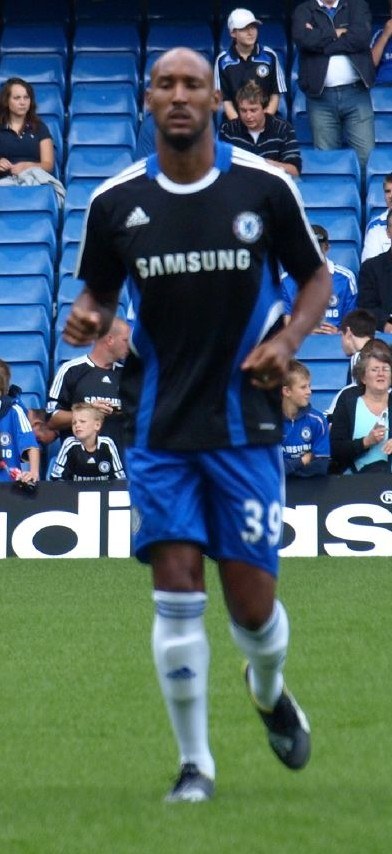
Nicolas Anelka in a Chelsea shirt. Photo: John Dobson / Wikimedia Commons (CC BY-SA 2.0).
Nicolas Anelka is remembered for the clubs he left, the interviews he gave and a World Cup from which he was sent home. It is easier to forget that he is a European champion.
The 21-year-old striker was already a regular in the France attack by the time Euro 2000 began. He started three of their six matches, including the semi-final against Portugal, and finished the tournament with five appearances and 227 minutes. He did not play in the final, when Sylvain Wiltord equalised late and David Trezeguet scored the golden goal against Italy.
Anelka had not been part of the 1998 World Cup-winning squad. Euro 2000 was his first major tournament, and it remains the only time he finished one as a winner.
A career that took in Arsenal, Real Madrid, Chelsea, Manchester City, Bolton Wanderers and several other clubs made him one of football’s most recognisable forwards. The medal from Belgium and the Netherlands still sits slightly to one side of the story people tell about him.
2. Stelios Giannakopoulos — Greece, 2004
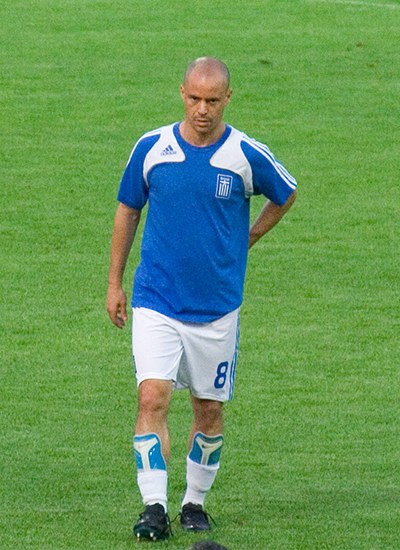
Stelios Giannakopoulos in a Greece shirt, 2008. Photo: Stelios Tsaousidis / Wikimedia Commons (public domain).
For Premier League supporters of a certain vintage, Stelios is a Bolton Wanderers cult hero: a busy attacking midfielder who arrived from Olympiacos in 2003 and stayed for five seasons.
In the summer of 2004 he was also a European champion. Stelios started Greece’s opening win over hosts Portugal and, after sitting out the last group game and the quarter-final against France, came off the bench in the semi-final against the Czech Republic. Otto Rehhagel restored him to the starting side for the final, and he played 75 minutes in Lisbon as Angelos Charisteas headed the only goal against Portugal.
He made four appearances and 239 minutes at the tournament, then went back to the Reebok Stadium. The contrast is the point: a player many English fans remember for Sam Allardyce’s Bolton also started one of the most surprising finals in the history of the European Championship.
3. Emerson Palmieri — Italy, 2020
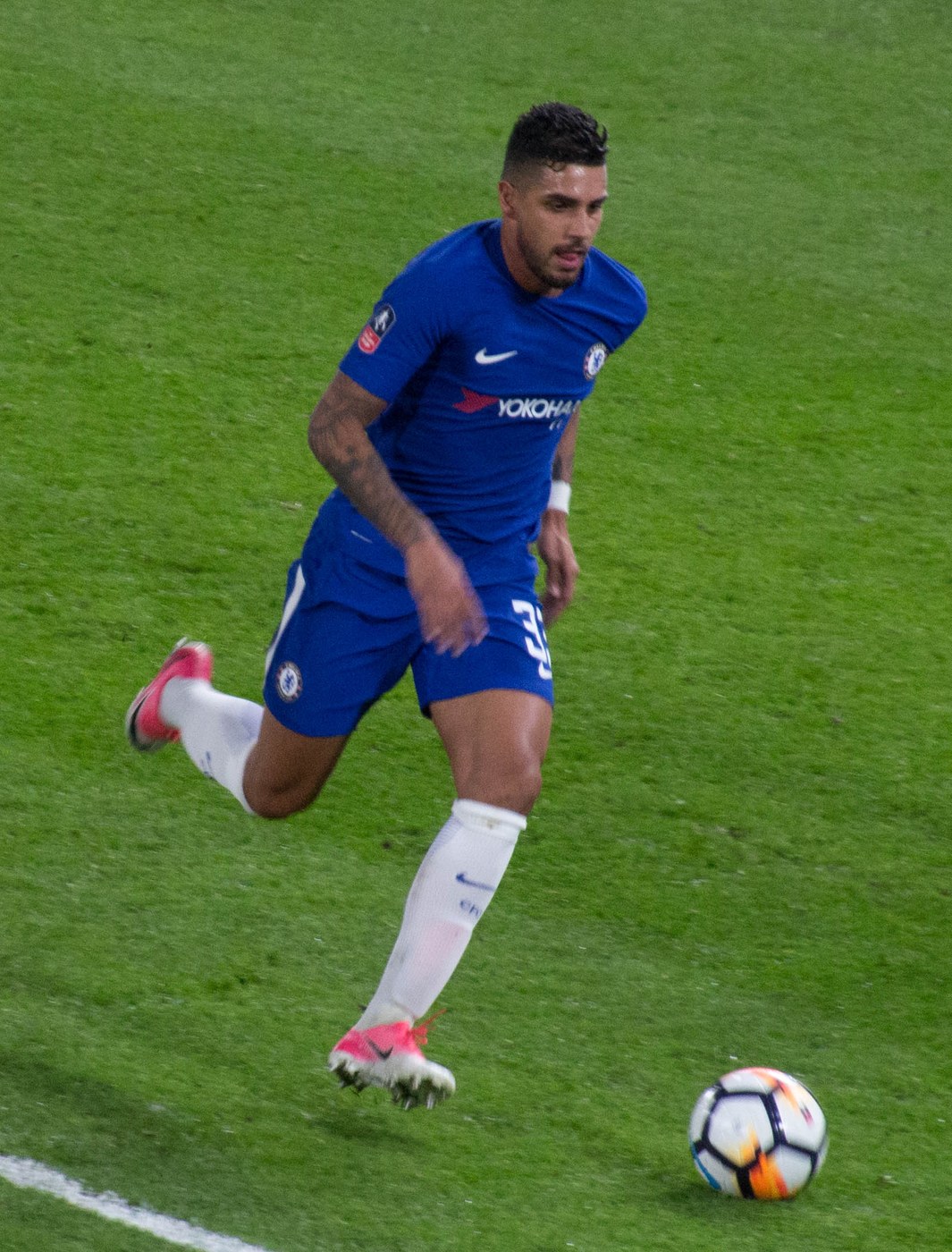
Emerson Palmieri on his Chelsea debut, February 2018. Photo: Chelsea Debs / Wikimedia Commons (CC BY-SA 2.0).
Emerson Palmieri started a European Championship final at Wembley, played 117 minutes, and still slips out of many retellings of Italy’s Euro 2020 win.
The Brazilian-born left-back was at Chelsea when Roberto Mancini named him in the squad. Leonardo Spinazzola had been one of the players of the tournament until he was injured in the quarter-final against Belgium, and Emerson came into the side. He started the semi-final against Spain and the final against England, and was replaced by Alessandro Florenzi only in the 118th minute.
He finished the tournament with four appearances and 292 minutes. Jorginho, Leonardo Bonucci and Gianluigi Donnarumma absorbed most of the headlines from the penalty shoot-out. Emerson, who later played for West Ham United and Marseille, left Wembley as a European champion who had started the biggest match of all.
4. Nikos Dabizas — Greece, 2004
Nikos Dabizas spent five seasons at Newcastle United and then joined Leicester City, where he played regularly as the club were relegated from the Premier League in 2003–04. That summer should have been a write-off. Instead he came home a European champion without playing a minute.
Dabizas was Greece’s vice-captain and was named in Otto Rehhagel’s 23-man squad, but a groin injury picked up in the warm-up games kept him out of the opening match. Although he recovered, Rehhagel would not change a winning defence. Dabizas remained an unused substitute throughout the tournament.
He had already won 70 caps. After the final he chose to stay at Leicester, despite a relegation release clause in his contract, and later returned to Greece with AEL. For a defender so familiar to Premier League audiences, the unused role in Lisbon remains one of the stranger footnotes of Euro 2004.
5. Andrés Palop — Spain, 2008
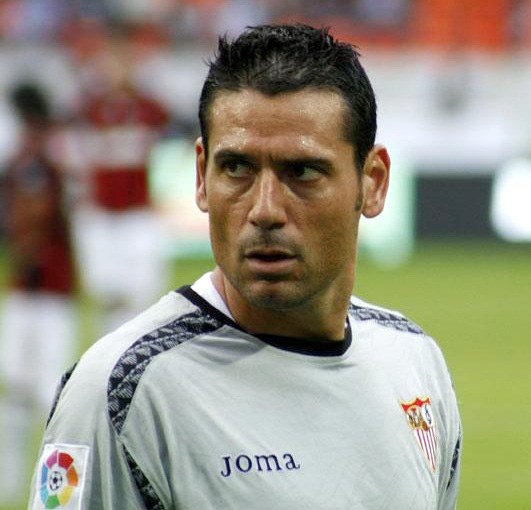
Andrés Palop in a Sevilla shirt. Photo: Elena Rybakova / Wikimedia Commons (CC BY-SA 3.0).
Andrés Palop is a European champion who never won a senior cap for Spain.
The Sevilla goalkeeper was 34 when Luis Aragonés took him to Euro 2008 as third choice, behind Iker Casillas and Pepe Reina and ahead of Barcelona’s Víctor Valdés. Palop did not play a minute in any of Spain’s six matches.
He had already had a substantial club career: a long apprenticeship at Valencia, then a starring role in Sevilla’s UEFA Cup wins in 2006 and 2007. At the trophy ceremony he wore the 1984 final shirt of Luis Arconada, the Spain goalkeeper whose mistake had helped France win that earlier tournament.
Palop retired without ever appearing for the national team. The medal is official all the same. In the history of the European Championship, few winners have a quieter international record.
6. Cédric Soares — Portugal, 2016
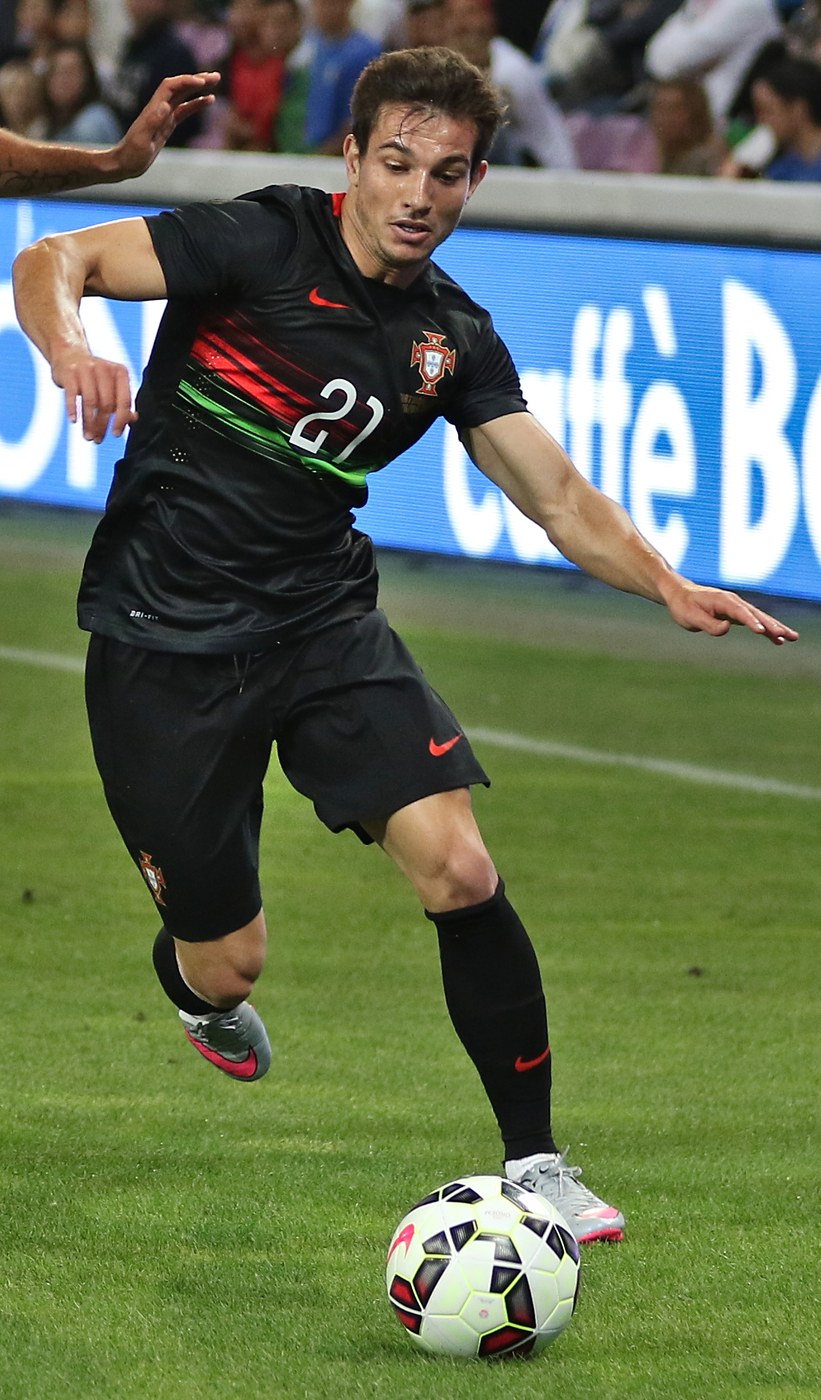
Cédric Soares in a Portugal shirt against Italy in Geneva, June 2015. Photo: Clément Bucco-Lechat / Wikimedia Commons (CC BY-SA 3.0).
Cédric Soares spent years as a Premier League full-back at Southampton and later Arsenal. It is easy to file him away as a solid squad player and forget that he started a European Championship final.
At Euro 2016, the 24-year-old did not feature in Portugal’s three group games. Once the knockout rounds began, Fernando Santos made him first choice at right-back. Cédric started every minute of the round of 16 against Croatia, the quarter-final against Poland, the semi-final against Wales and the final against France — four matches and 450 minutes, three of them going to extra time.
He was still on the pitch in Saint-Denis when Éder scored the only goal. A later spell at Arsenal, including a loan at Fulham, never quite matched that summer. The medal does.
7. José Fonte — Portugal, 2016
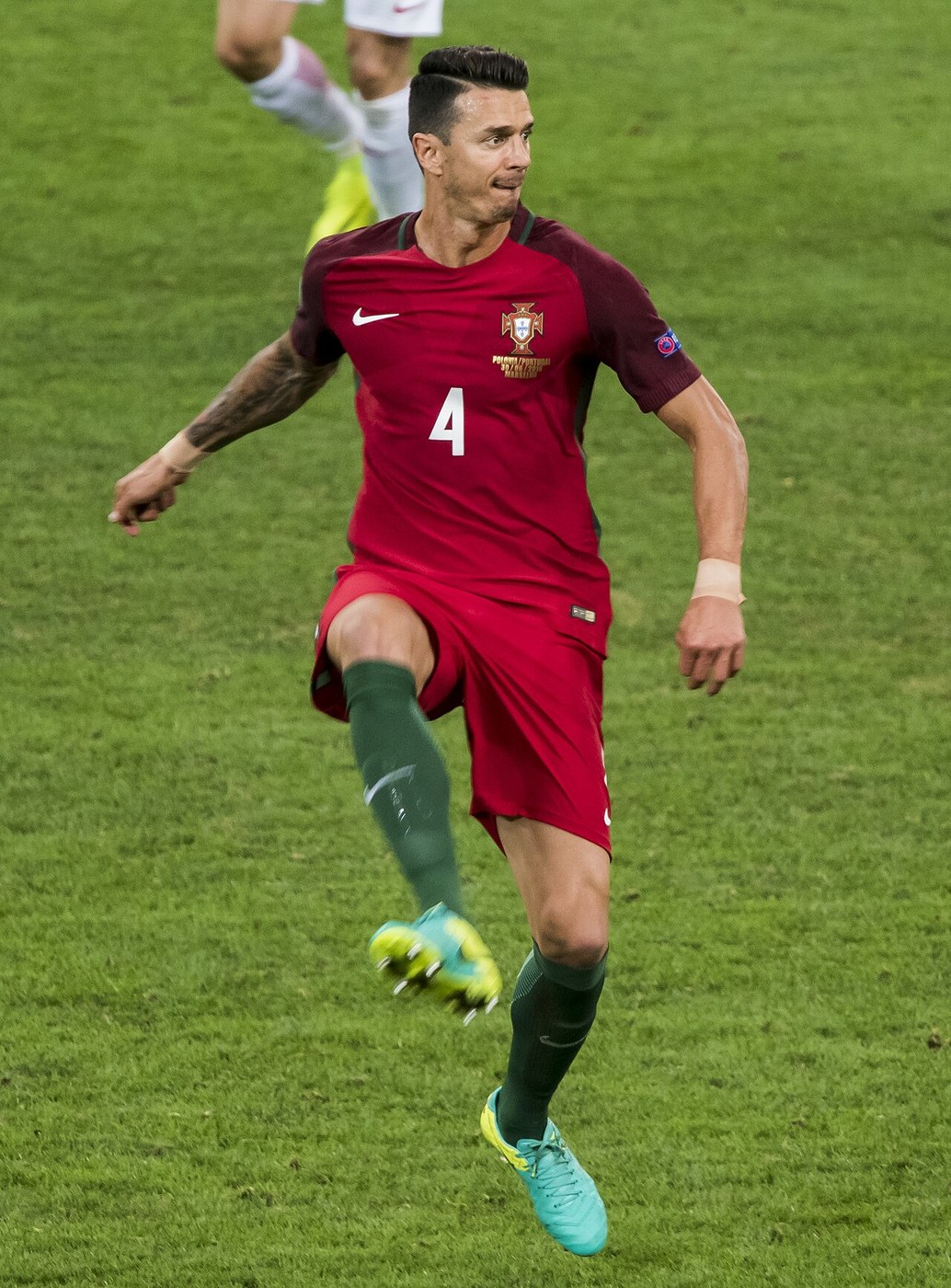
José Fonte in a Portugal shirt against Poland at Euro 2016. Photo: Chensiyuan / Wikimedia Commons (CC BY-SA 4.0).
José Fonte was 32 and a Southampton regular when Euro 2016 began. He had not won his first senior cap until he was nearly 31. By the end of the tournament he had started a European Championship final.
Like Cédric, Fonte was unused in the group stage and then played every minute of the four knockout matches, including extra time against Croatia, Poland and France. He partnered Pepe at centre-back throughout the run to the title and finished the tournament with 450 minutes.
Fonte later had a brief spell at West Ham United, won Ligue 1 with Lille, and kept playing into his forties. For a defender who arrived in the Premier League via Crystal Palace, the image of him in a Portugal shirt at Euro 2016 is still the one that catches people out.
8. Santi Cazorla — Spain, 2008
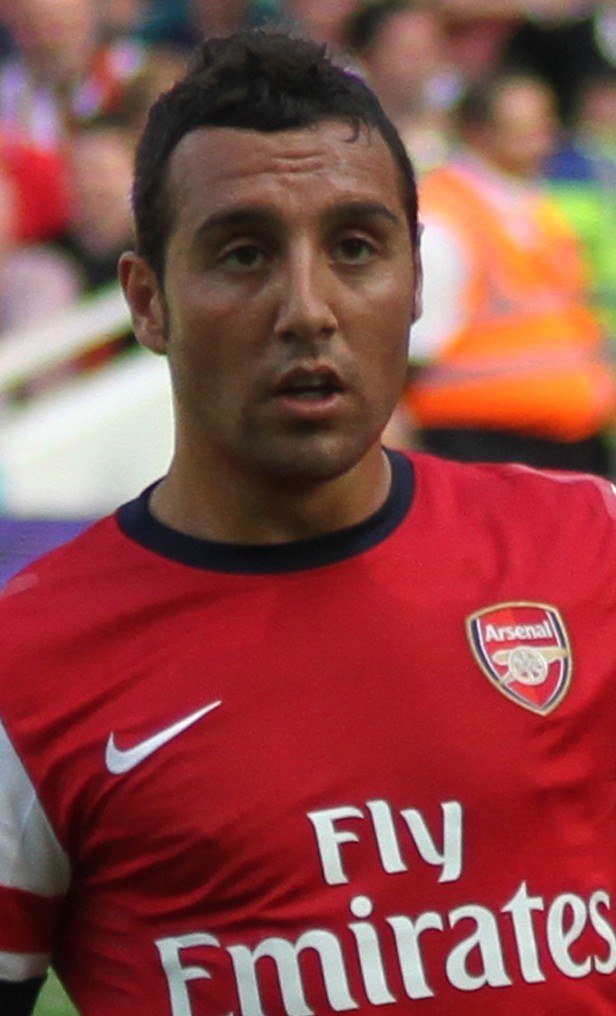
Santi Cazorla in an Arsenal shirt, August 2012. Photo: Ronnie Macdonald / Wikimedia Commons (CC BY 2.0).
Santi Cazorla’s reputation in England was built at Arsenal, then rebuilt in extraordinary fashion after a serious ankle injury. His first major honour with Spain can get lost behind that later story, and behind the more famous names of the 2008 side.
Cazorla was 23 and at Villarreal when he went to the tournament in Austria and Switzerland. He did not start any of Spain’s six matches, but he came off the bench in five of them, including the final against Germany, and played 180 minutes in total.
He missed Euro 2012 through injury, so 2008 was his only winning European Championship. Eighty-one caps and a long club career followed. The substitute’s medal from that first, dazzling Spain side is still the one many supporters do not immediately connect with him.
9. Fernando Llorente — Spain, 2012
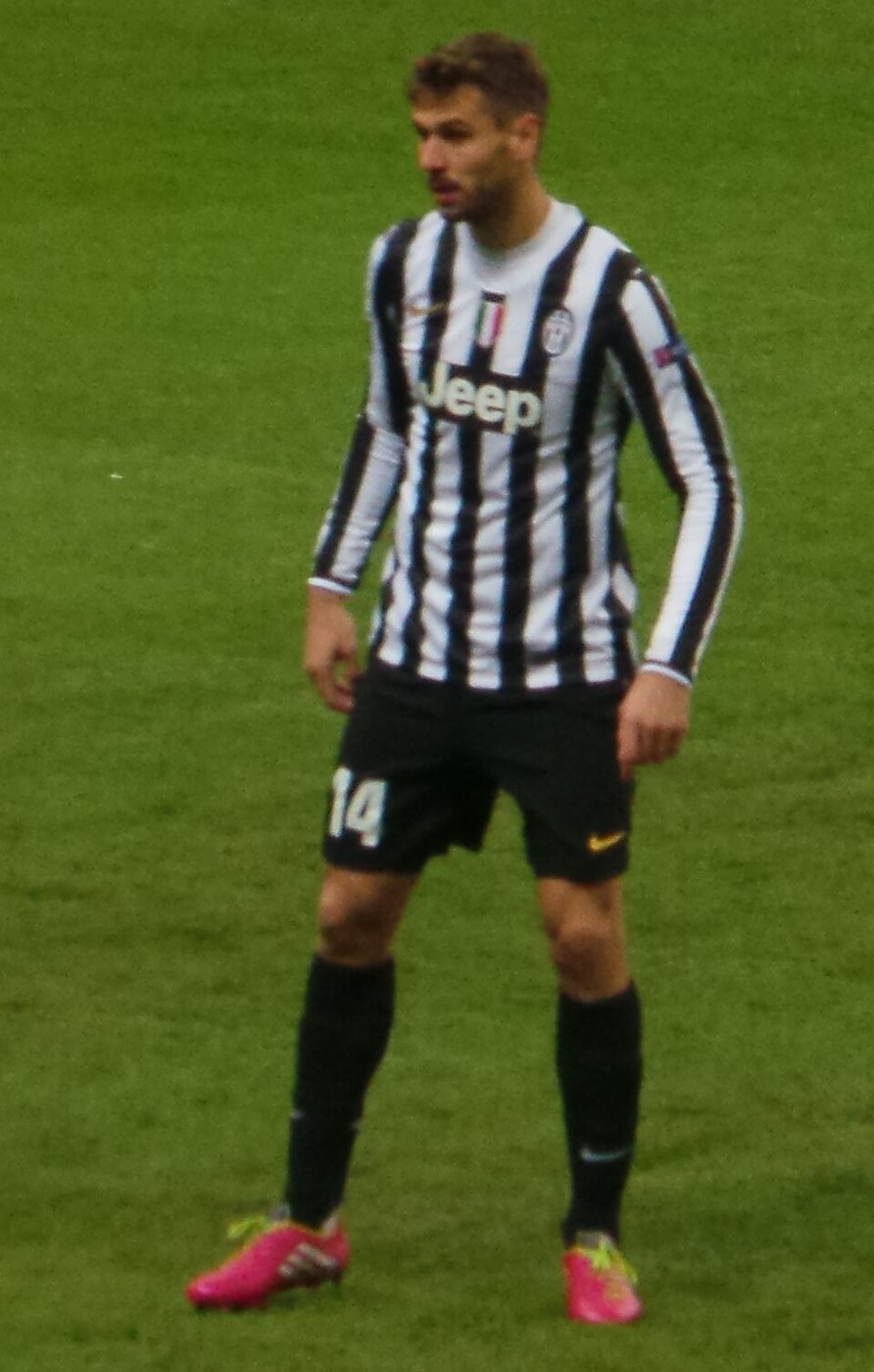
Fernando Llorente in a Juventus shirt. Photo: Ultraslansi / Wikimedia Commons (CC BY-SA 3.0).
Fernando Llorente travelled to Euro 2012 as Athletic Bilbao’s powerful centre-forward and as a World Cup winner from 2010, where he had appeared for Spain in South Africa. In Poland and Ukraine he did not play a single minute.
Vicente del Bosque’s side often operated without a conventional striker, with Cesc Fàbregas used as a false nine and Fernando Torres the more familiar option off the bench. Llorente was named in every matchday squad and remained an unused substitute throughout all six matches, including the final against Italy.
He later played for Juventus, Sevilla, Swansea City and Tottenham Hotspur. The World Cup medal is the one people remember, if they remember an international honour at all. The unused European Championship winner’s medal is the fact that sits more quietly.
10. Ricardo Carvalho — Portugal, 2016
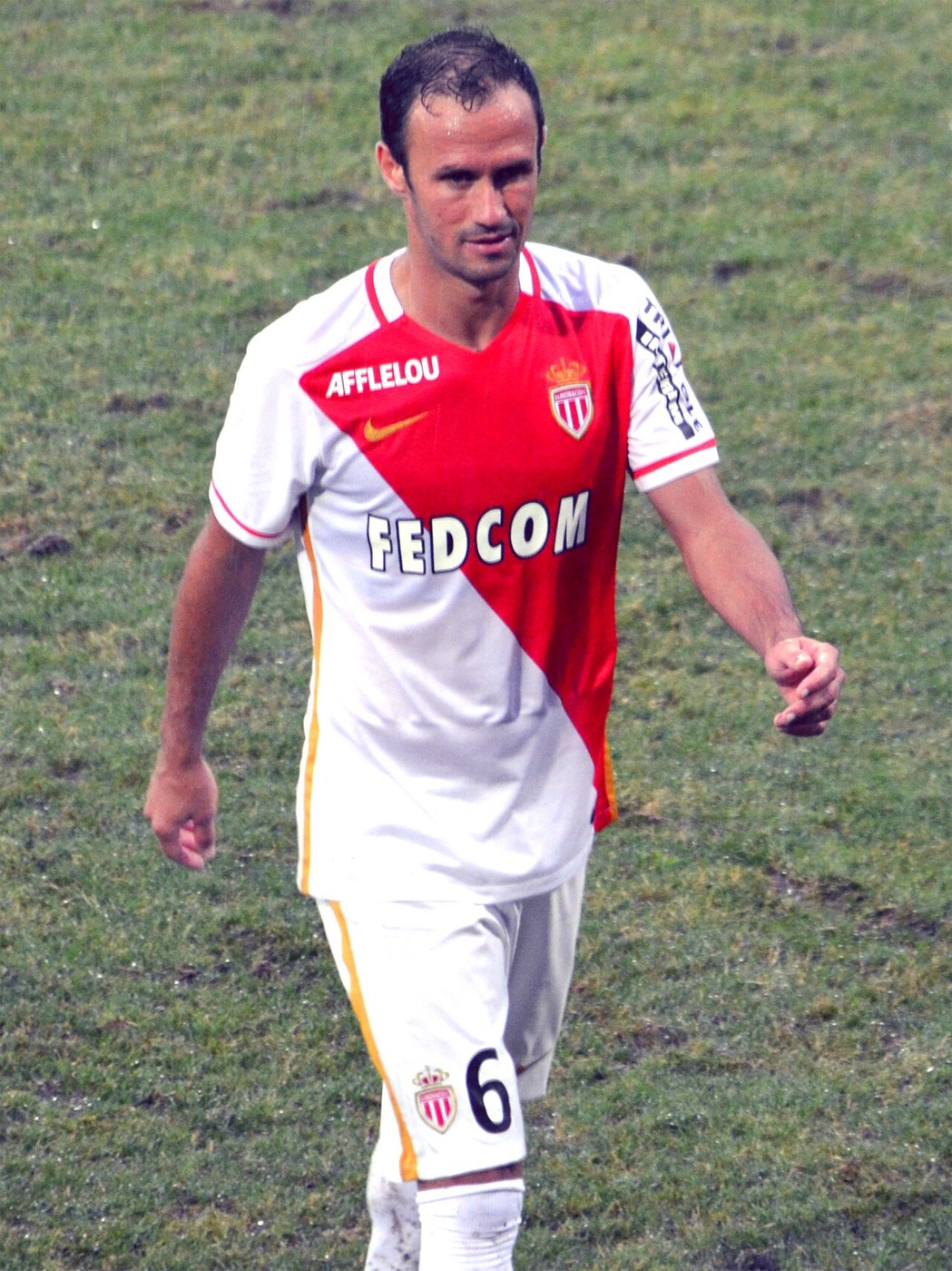
Ricardo Carvalho in a Monaco shirt, July 2015. Photo: Fuguito / Wikimedia Commons (CC BY-SA 3.0).
Ricardo Carvalho had already been to a European Championship final. In 2004, on home soil, he was one of Portugal’s outstanding defenders and was named in the Team of the Tournament. Greece still beat them.
Twelve years later he was 38, the oldest outfield player at Euro 2016, and back in the squad after retiring from international football in 2011 and then returning under Fernando Santos. He started all three group games, playing the full 90 minutes against Iceland, Austria and Hungary, and was then left out of the knockout rounds as José Fonte came in beside Pepe.
Carvalho did not appear in the final. He still received a winner’s medal, a late and slightly awkward piece of justice after 2004. A career at Porto, Chelsea, Real Madrid and Monaco had already made him famous. The second final, watched from the sidelines, is the one that is easier to forget.
11. Marcos Senna — Spain, 2008
Marcos Senna in a Villarreal shirt against Espanyol. Photo: Delatorre / Wikimedia Commons (CC BY 3.0).
Marcos Senna was not a bit-part winner. The Brazilian-born Villarreal midfielder started five of Spain’s six matches at Euro 2008, including the quarter-final against Italy, the semi-final against Russia and the final against Germany, and was named in the Team of the Tournament.
He had only become a Spanish citizen in 2006. In Austria and Switzerland he gave that first great Spain midfield its balance, winning the ball and keeping the side together while Xavi, Andrés Iniesta and David Silva took more of the attention.
Senna’s entire senior international career was short, and he never became a household name in the way his midfield teammates did. For a player who was so central to the title, that is a strange kind of anonymity — and it is why his winner’s medal still surprises people.
12. Adrien Silva — Portugal, 2016
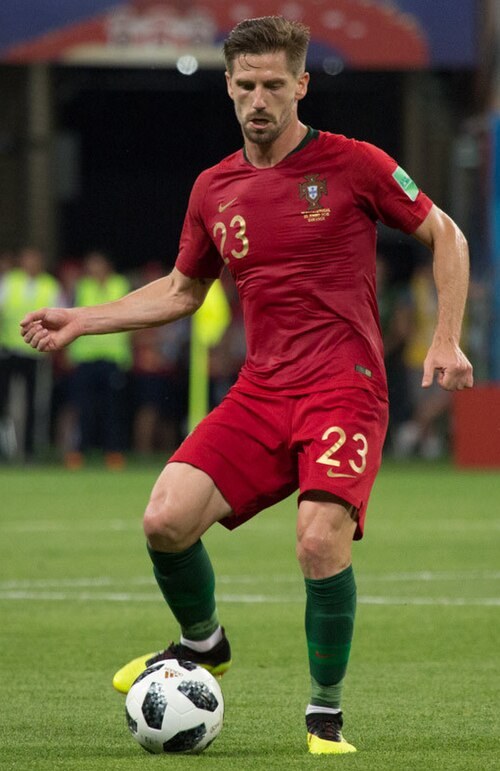
Adrien Silva in a Portugal shirt. Photo: Ekaterina Laut / Wikimedia Commons (CC BY-SA 3.0).
Adrien Silva started the Euro 2016 final, and plenty of supporters still need a moment to place him.
The Sporting CP midfielder played no part in Portugal’s group games, then started all four knockout matches. He completed 120 minutes against Croatia, and was substituted in the quarter-final, the semi-final and the final, where he played 65 minutes against France. He finished the tournament with 322 minutes.
A year later came the transfer that defined his later reputation in England. Leicester City signed him on deadline day in 2017, but the paperwork arrived after the window had closed and he could not play until the following January. He made only 14 league appearances for the club. The European Championship medal came first, and it is the cleaner part of the story.
13. Markus Babbel — Germany, 1996
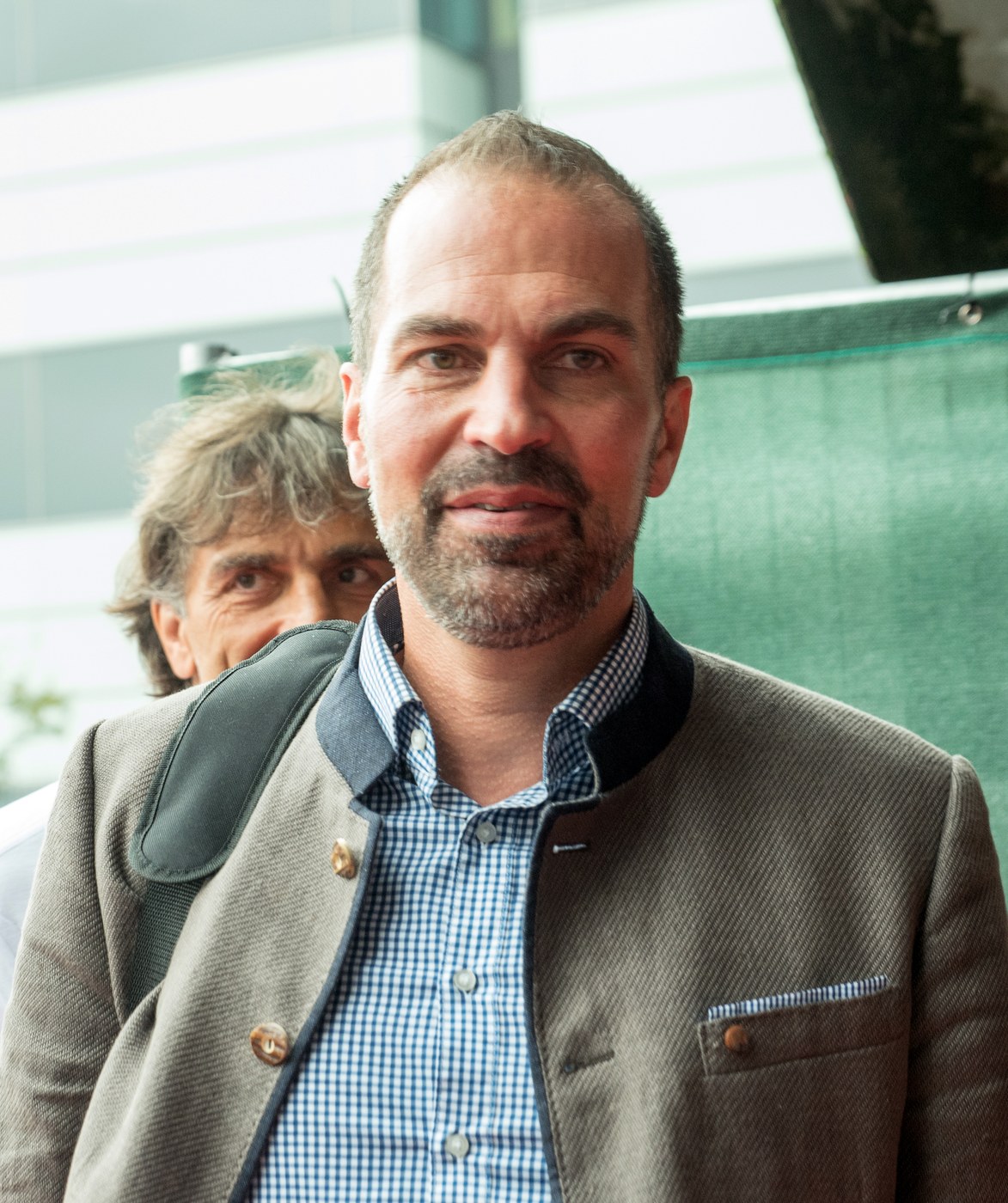
Markus Babbel in 2016. Photo: Frank Schwichtenberg / Wikimedia Commons (CC BY-SA 3.0).
Markus Babbel later became a Premier League defender at Liverpool and, after illness interrupted that spell, had a loan at Blackburn Rovers. Before all of that, he was a European champion at 23.
The Bayern Munich centre-back or right-back appeared in five of Germany’s six matches at Euro 1996 in England, including the extra-time semi-final against the hosts and the final against the Czech Republic at Wembley. He was on the pitch when Oliver Bierhoff scored the golden goal.
At Liverpool he was part of the 2000–01 squad that won the cup treble, before Guillain-Barré syndrome kept him out for a long period. English supporters remember the Premier League years more readily than a summer at Wembley when he was still a young Germany international.
14. Christian Ziege — Germany, 1996
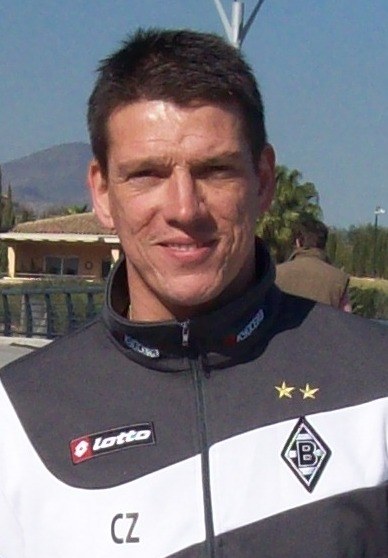
Christian Ziege in a Borussia Mönchengladbach jacket. Photo: VierscheJong / Wikimedia Commons (CC BY-SA 3.0).
Christian Ziege was Germany’s first-choice left-sided player throughout Euro 1996 and started the final. Like Babbel, he was on the pitch for Bierhoff’s golden goal.
What followed in England is why the medal can slip from view. Ziege joined Middlesbrough, won the League Cup with Liverpool, and then spent three seasons at Tottenham Hotspur. None of those spells is remembered as a great Premier League career, and the later narrative around him is club football, not a European Championship-winning summer.
He won 72 caps and scored nine international goals. The left foot and the blond hair stayed familiar on English television for years. The fact that he had already been a European champion before those transfers is the part that often needs a prompt.
15. Torben Piechnik — Denmark, 1992
Torben Piechnik’s name, in England, belongs to a brief and difficult spell at Liverpool. It should also belong to a European Championship-winning defence.
Denmark were late replacements at Euro 1992 after Yugoslavia were excluded, and Piechnik was not in the side for the first two group games. He came on after 61 minutes of the final group match against France, replacing the injured Kent Nielsen, and then started the semi-final against the Netherlands and the final against Germany. He was in the team that beat Germany 2–0 in Gothenburg.
Liverpool signed him later in 1992. He made 24 appearances over two seasons and was never regarded as a success at Anfield. The contrast is sharp: a player written off as a Premier League curiosity had already helped Denmark win one of the most unlikely European Championships of all.
16. Rafael Tolói — Italy, 2020
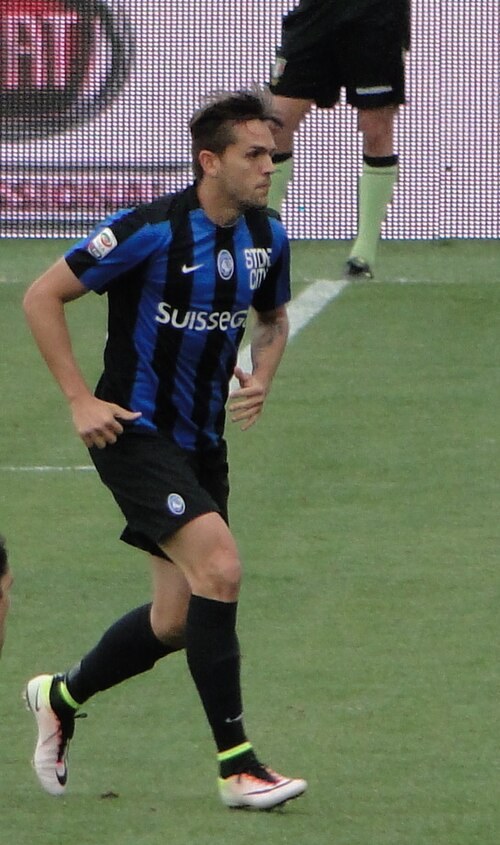
Rafael Tolói in an Atalanta shirt. Photo: Ago76 / Wikimedia Commons (CC BY-SA 4.0).
Rafael Tolói was born in Brazil, spent the heart of his career at Atalanta, and won the European Championship with Italy.
He had become an Italian citizen and was included in Roberto Mancini’s 26-man squad. Tolói made four appearances and played 159 minutes: a substitute’s cameo against Switzerland, a full match against Wales, a brief appearance against Belgium, and 47 minutes of the semi-final against Spain. He did not play in the final at Wembley.
He later won the Europa League with Atalanta in 2024 and eventually returned to São Paulo. For a centre-back who was never a fixture in the Italy side the way Giorgio Chiellini or Leonardo Bonucci were, the medal is easy to overlook. It is still an authentic one.
17. Berry van Aerle — Netherlands, 1988
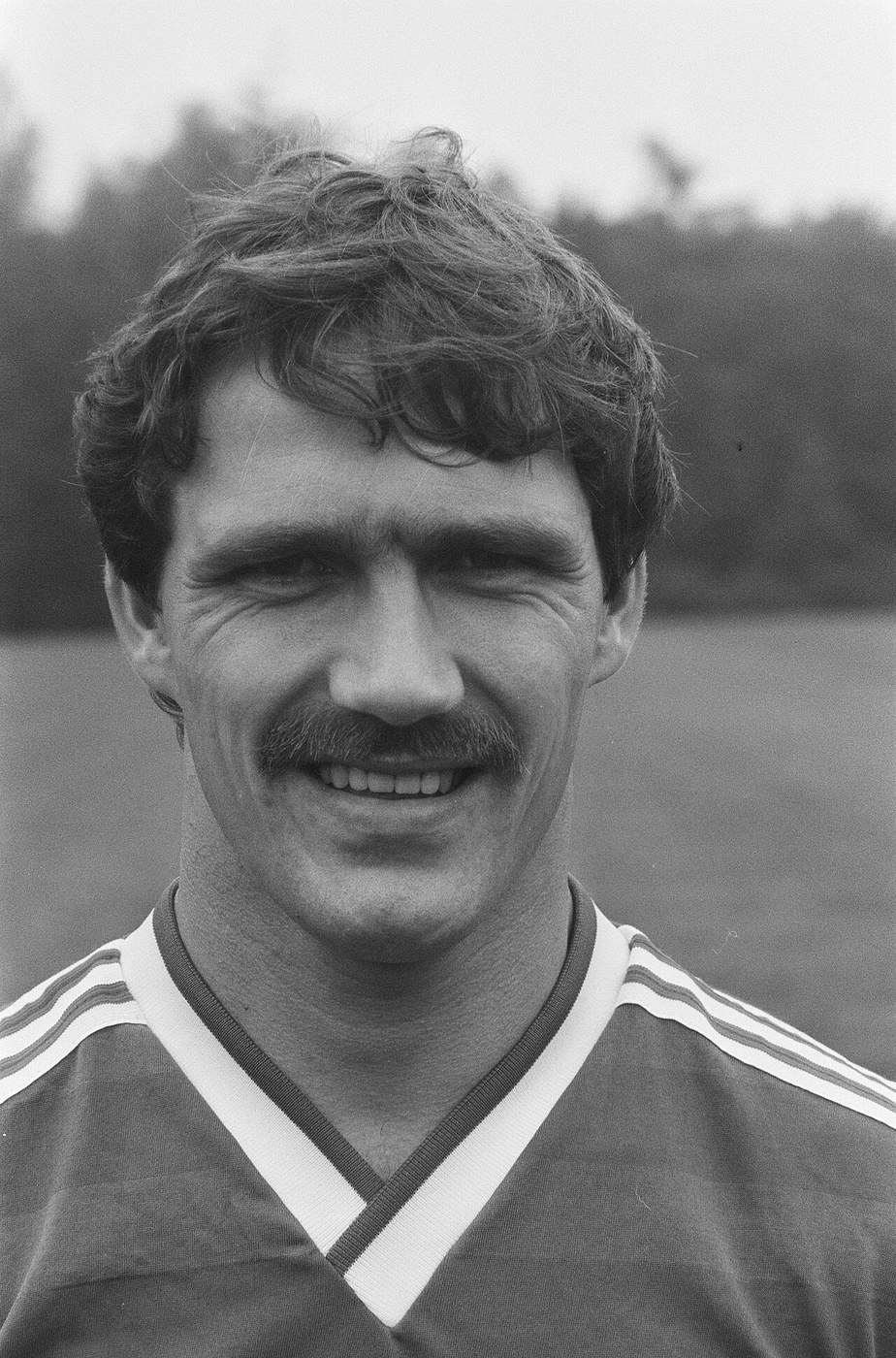
Berry van Aerle in a PSV shirt. Photo: Bart Molendijk / Anefo, Wikimedia Commons (public domain).
Berry van Aerle started every match and played every minute of the European Championship the Netherlands won in 1988. He is still not the name most people reach for when they remember that team.
Marco van Basten, Ruud Gullit, Frank Rijkaard and Ronald Koeman filled the photographs. Van Aerle, a tough-tackling right-back or midfielder, simply played the lot: three group games, the semi-final against West Germany and the final against the Soviet Union, 450 minutes in all.
The same year he also won the European Cup, the Eredivisie and the KNVB Cup with PSV. He was one of a small group of teammates — including Wim Kieft, Ronald Koeman and Hans van Breukelen — to collect that rare set of club and international honours in a single season. A 35-cap international career never made him famous outside the Netherlands. The medal is as real as Van Basten’s.
18. Wim Kieft — Netherlands, 1988
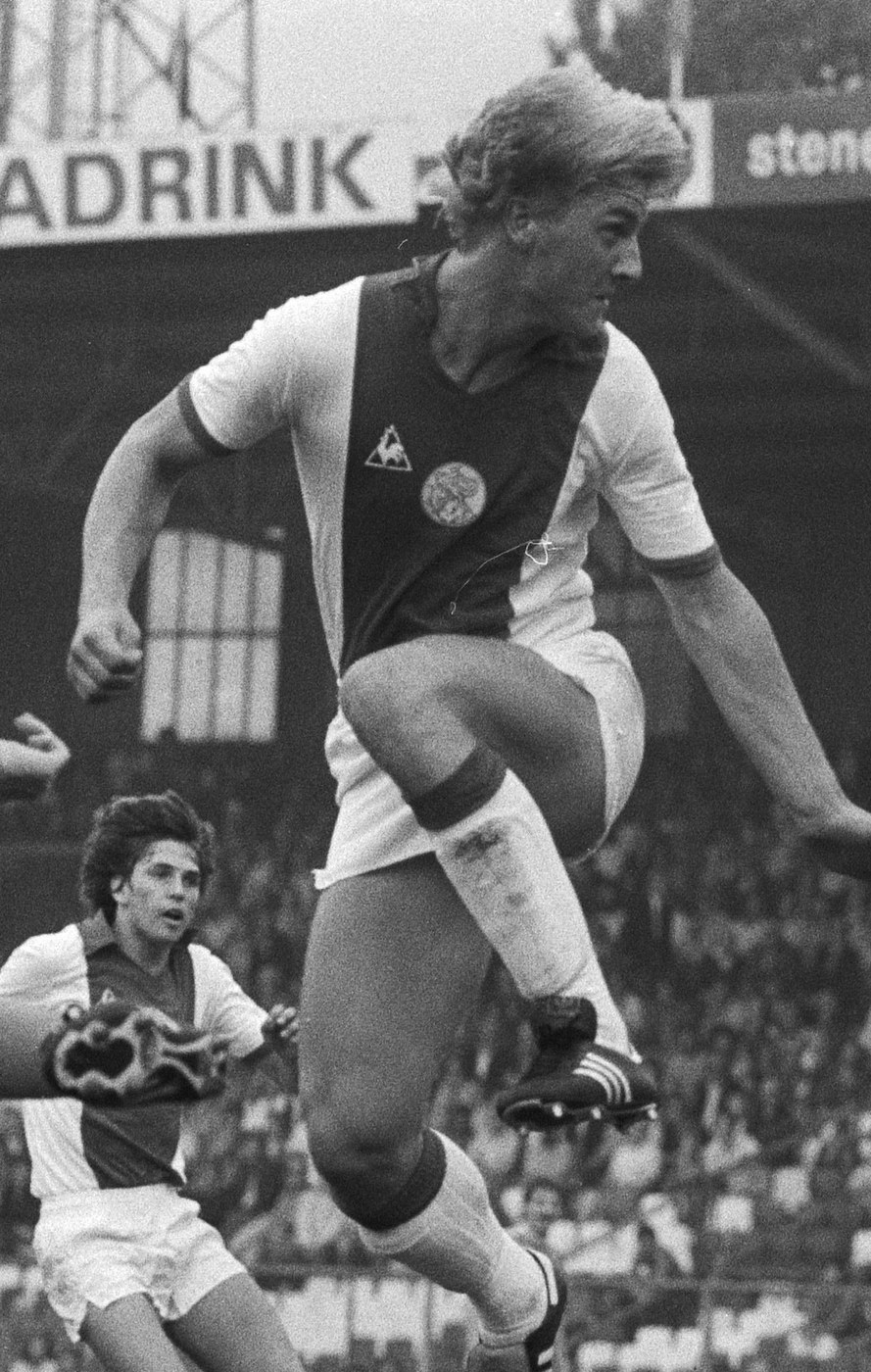
Wim Kieft in an Ajax shirt. Photo: Marcel Antonisse / Anefo, Wikimedia Commons (public domain).
Wim Kieft did not start any of the Netherlands’ matches at Euro 1988. He still scored one of the most important goals of the tournament.
On as a second-half substitute against the Republic of Ireland, he headed the only goal in the 82nd minute, a header that kept the Dutch on course for a place in the semi-finals. He made three substitute appearances in all and was part of the squad that went on to beat the Soviet Union in the final.
Kieft had already been a prolific striker at Ajax, where he won the European Golden Boot, and in 1988 he also won the European Cup with PSV. Later came a season at Bordeaux and a return to Eindhoven. The volley people remember from that summer is Van Basten’s in the final. Kieft’s header against Ireland is the forgotten goal by a forgotten winner.
19. Bernard Lama — France, 2000
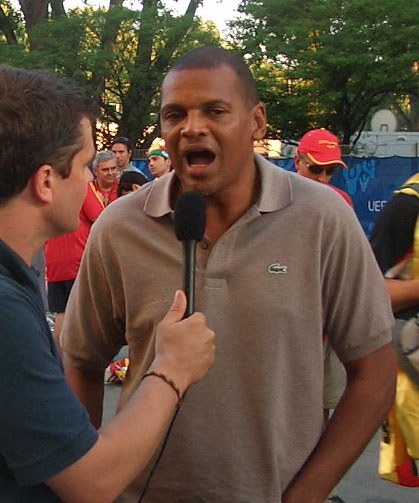
Bernard Lama being interviewed. Photo: schuey / Wikimedia Commons (CC BY 2.0).
Bernard Lama already had a World Cup winner’s medal from 1998, earned as Fabien Barthez’s unused deputy. Two years later he added a European Championship medal after playing a single match.
With France already qualified from their group, Lama started the last group game against the Netherlands in Amsterdam and played the full 90 minutes. France lost 2–3. Barthez then returned for the knockout rounds, and Lama did not appear again.
He had been a fine goalkeeper for Paris Saint-Germain and had a short, unsuccessful spell at West Ham United in 1997–98 before going back to Paris and, later, Rennes. Forty-four caps and two major winner’s medals would be a career for most keepers. Because Barthez stood in front of him at both tournaments, Lama is still rarely the first name associated with either of them.
20. Matteo Pessina — Italy, 2020
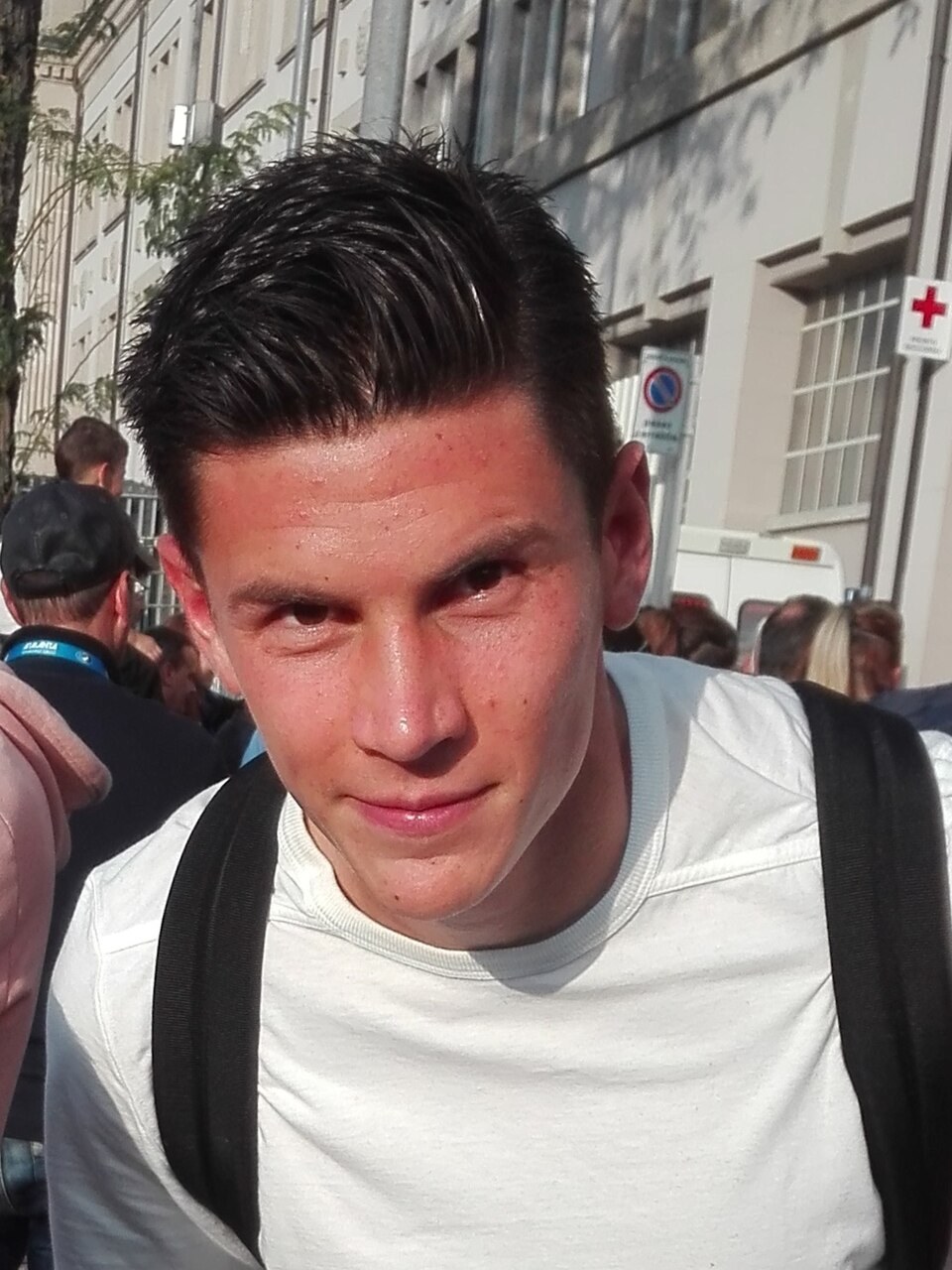
Matteo Pessina. Photo: Ago76 / Wikimedia Commons (CC BY-SA 4.0).
Matteo Pessina was a late call-up for Italy at Euro 2020, added to the squad after Stefano Sensi was injured. He then scored twice in the tournament, including a last-16 winner, and still sits a long way down the list of remembered Azzurri from that summer.
Pessina came off the bench against Switzerland, then started the final group game against Wales and scored the only goal, glancing in Marco Verratti’s free-kick. In the round of 16 against Austria he came on again and scored the decisive extra-time goal in a 2–1 win. He finished the tournament with four appearances, 192 minutes and two goals.
He has spent the years since as a regular at Monza, after earlier spells with Atalanta and Hellas Verona. Chiesa, Immobile, Insigne and the defenders took the lasting fame from Italy’s title. Pessina, who actually scored two of the goals that got them there, is the name that tends to need a reminder.
Does a Player Need to Play to Be a European Champion?
A European Championship is won by an entire squad, but the experience can be very different for each player.
Some footballers start every match and become national heroes. Others, like Cédric, Fonte and Emerson, step in when it matters and play a final. A third group barely appears, or does not appear at all. Andrés Palop never won a cap and still has a medal. Nikos Dabizas and Fernando Llorente were in winning squads and never got on the pitch. Nicolas Anelka started a semi-final and sat the final. Ricardo Carvalho lost one final in 2004 and won the next as a group-stage starter twelve years later.
In GuessBaller’s daily game, one of the clues is whether a player won a national-team title. That tile can light up next to a familiar Premier League name — a Bolton winger, a Southampton centre-back, a Chelsea full-back, an Arsenal playmaker — and the answer is not always the one people expect. The same is true of players you may have forgotten won the World Cup.
You can start the daily game, try practice mode, or switch to Football Wordle and Guess the Footballer. If you want to check whether two of these European champions ever shared a dressing room, you can look them up in Did they play together? as well.
Enjoyed this? Put your football knowledge to the test.
Play Guessballer →