

Football careers are rarely consistent.
Some players remain at the highest level for more than a decade, producing similar numbers year after year. Others experience one extraordinary season in which everything suddenly works.
Being described as a one-season wonder does not necessarily mean that a player had a bad career. Several names on this list won major trophies, represented their countries and remained professionals for many years.
The term simply means that one campaign stood far above everything else they produced at the highest level.
Here are 20 footballers who were absolutely unstoppable for one remarkable season.
1. Michu — Swansea City, 2012/13

Few one-season wonders are remembered as fondly as Michu.
Swansea City signed the Spanish midfielder from Rayo Vallecano for approximately £2 million in the summer of 2012. He had scored 15 La Liga goals during the previous campaign, but few Premier League supporters knew much about him.
That changed immediately.
Michu scored twice on his Premier League debut as Swansea destroyed Queens Park Rangers 5–0. His celebration — twisting his hand beside his ear — soon became one of the most recognisable images of the season.
Although nominally an attacking midfielder, Michu regularly operated as Swansea’s most dangerous goalscorer. His timing inside the penalty area, intelligent movement and powerful left foot made him extremely difficult to contain.
He scored 18 Premier League goals and 22 in all competitions. He also helped Swansea win the League Cup, scoring at Wembley during the 5–0 final victory over Bradford City.
At his peak, Michu appeared capable of joining a much bigger club. He even earned his first senior appearance for Spain.
His body then began to fail him.
Recurring ankle problems limited his influence during the following season and required surgery. Michu never returned to the level of his first campaign in England and left elite football surprisingly quickly.
For one year, however, he was one of the Premier League’s most dangerous players — and possibly the greatest bargain the competition had ever seen.
2. Luka Jović — Eintracht Frankfurt, 2018/19
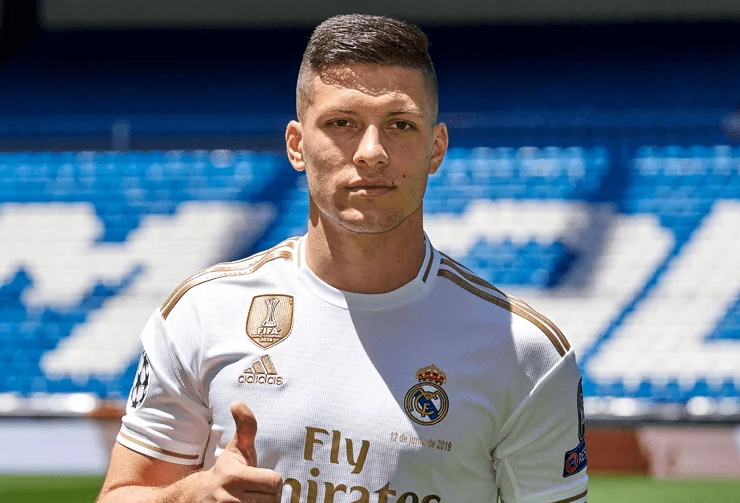
Luka Jović’s performances during the 2018/19 season convinced Real Madrid that it had found the next great European striker.
The Serbian formed an outstanding attacking partnership with Sébastien Haller and Ante Rebić at Eintracht Frankfurt.
Jović was powerful, technically clean and exceptionally calm in front of goal. He could finish with either foot, score headers and attack space behind defenders.
His most famous performance came against Fortuna Düsseldorf, when he scored five goals in a single Bundesliga match.
Jović finished the campaign with 17 Bundesliga goals and ten more in the Europa League. He scored 27 times in all competitions as Frankfurt reached the European semi-finals.
The numbers were impressive, but so was the variety of his finishing. Jović looked like a complete centre-forward at only 21.
Real Madrid paid a major fee to sign him in the summer of 2019.
The move was disastrous.
Jović struggled for playing time behind Karim Benzema, suffered injuries and never appeared comfortable within Madrid’s system. He scored only a small number of goals before being loaned back to Frankfurt.
Later spells in Italy also failed to reproduce the player seen during that one spectacular season in Germany.
Jović still possessed obvious talent, but the unstoppable striker of 2018/19 seemed to disappear almost as soon as Real Madrid signed him.
3. Krzysztof Piątek — Genoa and AC Milan, 2018/19
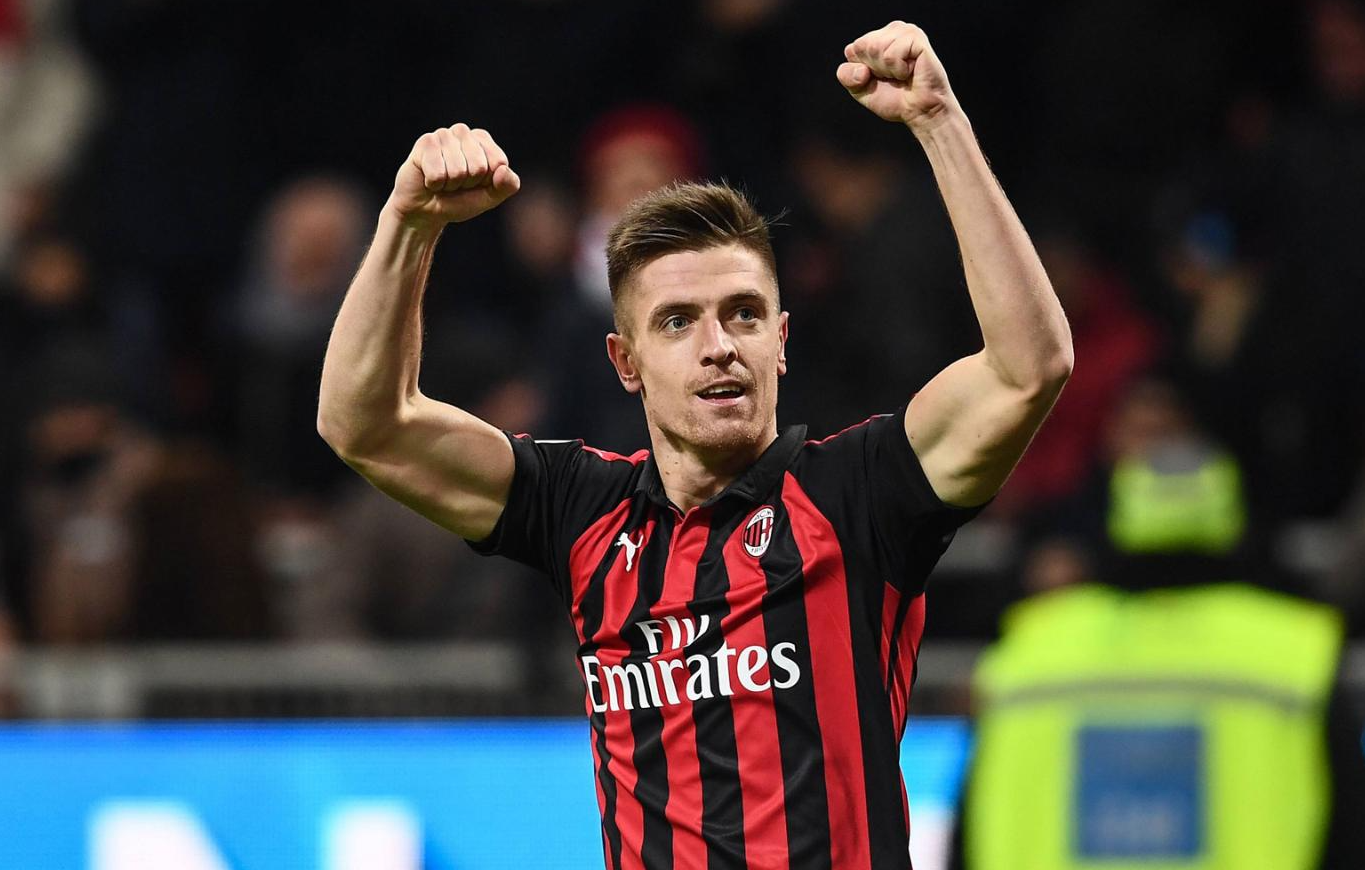
Krzysztof Piątek began the 2018/19 season as a relatively unknown signing from the Polish league.
Within several months, he was leading AC Milan’s attack and celebrating goals with his famous pistol gesture.
Piątek joined Genoa from Cracovia and scored four times on his competitive debut in the Coppa Italia. He then found the net in each of his first seven Serie A appearances.
His movement was direct, his finishing instinctive and his confidence extraordinary. Piątek rarely needed several touches to create a shooting opportunity.
After scoring 19 goals in 21 appearances for Genoa across all competitions, he moved to Milan in January.
The goals continued immediately.
Piątek scored twice against Napoli in the Coppa Italia and quickly replaced Gonzalo Higuaín as Milan’s main striker. He ended the season with 30 goals in all competitions, including 22 in Serie A.
For several months, he appeared to be one of Europe’s most clinical forwards.
His form declined sharply during the following campaign. Milan changed its system, Zlatan Ibrahimović arrived, and Piątek was sold to Hertha Berlin only one year after joining the Italian club.
He later represented several teams without approaching his 2018/19 output.
Piątek’s rise had been astonishing. His fall from the centre of European football was almost as quick.
4. Papiss Cissé — Newcastle United, 2011/12
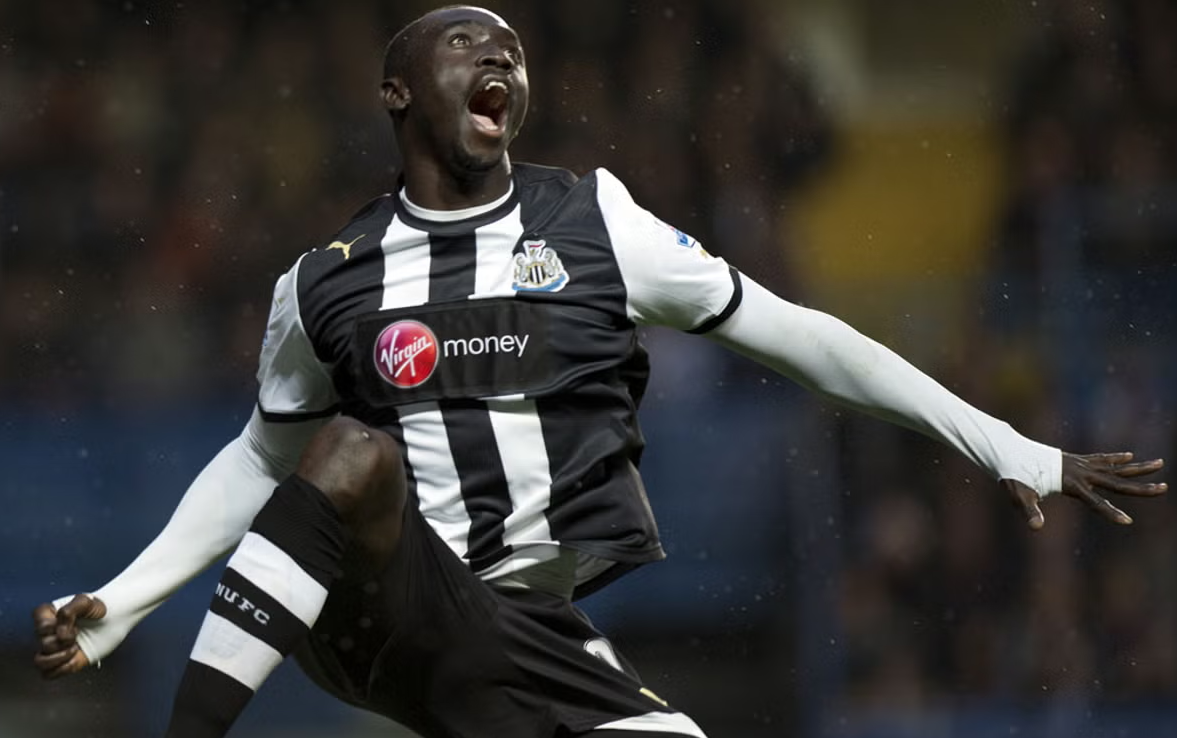
Papiss Cissé did not even require a full season to become a Premier League cult hero.
Newcastle United signed the Senegalese striker from Freiburg in January 2012. He entered a team already exceeding expectations under Alan Pardew.
Cissé scored on his debut against Aston Villa and never slowed down.
He produced 13 goals in only 14 Premier League appearances. His conversion rate was extraordinary, with almost every opportunity appearing to end in the net.
The goals included an excellent chip against Swansea, a powerful strike against Liverpool and a famous double at Stamford Bridge.
His second goal against Chelsea remains one of the most unbelievable finishes in Premier League history.
Standing near the touchline, Cissé struck the ball with the outside of his foot. The shot travelled high through the air before changing direction and dropping beyond Petr Čech into the far corner.
Newcastle finished fifth and came close to qualifying for the Champions League.
Cissé remained at the club for four more seasons and scored several important goals, but he never recreated the extraordinary efficiency of his first few months.
Defenders adjusted, injuries affected his rhythm and Newcastle’s wider performance declined.
For half a season, Cissé appeared incapable of missing.
5. Roque Santa Cruz — Blackburn Rovers, 2007/08

Roque Santa Cruz arrived at Blackburn Rovers with a respectable reputation but an unimpressive scoring record.
The Paraguayan had won numerous trophies with Bayern Munich, although injuries and competition for places prevented him from becoming a regular goalscorer in Germany.
Blackburn paid a relatively modest fee for him in 2007.
Santa Cruz immediately produced the best club season of his career.
He scored 19 Premier League goals and helped Blackburn finish seventh. His combination of height, movement and technical ability made him far more than a traditional target man.
Santa Cruz could score with his head, finish from inside the penalty area and combine intelligently with teammates such as David Bentley and Benni McCarthy.
One of the strangest matches of the campaign came against Wigan Athletic. Santa Cruz scored a hat-trick but still finished on the losing side as Blackburn were beaten 5–3.
His performances attracted Manchester City, who eventually paid a large fee to sign him in 2009.
By then, injuries had returned.
Santa Cruz scored only a handful of league goals for City and never became an important member of the team. Later spells with Málaga and clubs outside Europe produced occasional success, but nothing comparable to his first year at Blackburn.
The 2007/08 season remains the only league campaign in which he reached double figures in one of Europe’s major divisions.
6. Grafite — Wolfsburg, 2008/09
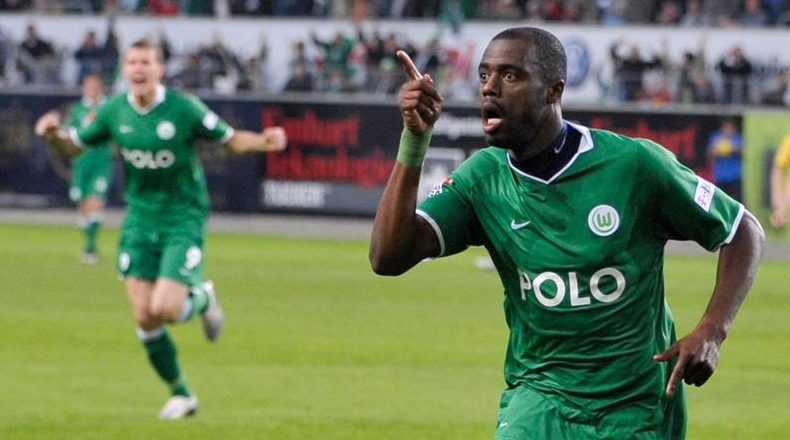
Grafite was already 29 when he produced one of the greatest individual seasons in Bundesliga history.
The Brazilian striker had enjoyed a solid first campaign with Wolfsburg, scoring 11 league goals.
Nobody expected what followed.
Under Felix Magath, Wolfsburg developed into the most dangerous attacking team in Germany. Grafite formed a devastating partnership with Edin Džeko, supported by playmaker Zvjezdan Misimović.
Grafite scored 28 Bundesliga goals in only 25 appearances.
Džeko added another 26 as Wolfsburg unexpectedly won the first league title in the club’s history.
Grafite’s defining moment came during a 5–1 destruction of Bayern Munich. After dribbling around several defenders and goalkeeper Michael Rensing, he finished with a backheel while facing away from goal.
It was a goal that perfectly represented the confidence flowing through both the player and his team.
Grafite won the Bundesliga top-scorer award and was named German Footballer of the Year.
He remained productive during the following seasons, but never came close to repeating his 28-goal campaign. Wolfsburg also failed to sustain its position at the top after Magath left.
Grafite’s peak lasted only one year, but it was powerful enough to deliver an entire league championship.
7. Dani Güiza — Mallorca, 2007/08
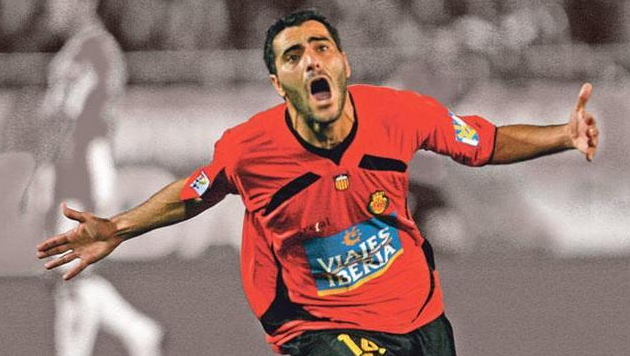
Dani Güiza entered the 2007/08 season as a respected Spanish striker.
He ended it as La Liga’s leading goalscorer and a European champion.
Güiza joined Mallorca after scoring regularly for Getafe. Under coach Gregorio Manzano, he became the central figure in an entertaining attacking team.
He scored 27 goals in 37 league appearances and won the Pichichi Trophy ahead of several of the world’s most famous forwards.
Remarkably, none of Güiza’s goals came from the penalty spot.
His movement behind defenders, composure in one-on-one situations and ability to finish quickly made him extremely difficult to stop.
The season earned Güiza a place in Spain’s squad for Euro 2008. He scored against Greece and provided an important assist against Russia as Spain won the tournament.
A major transfer seemed inevitable.
Güiza joined Fenerbahçe, where he continued scoring but never reproduced the extraordinary form seen at Mallorca. His career later moved through Malaysia, Paraguay and Spain’s lower divisions.
He remained a recognisable player, but his time as one of Europe’s leading strikers was brief.
For one season, Güiza outscored almost everyone in Spain without requiring a single penalty.
8. Amr Zaki — Wigan Athletic, 2008/09
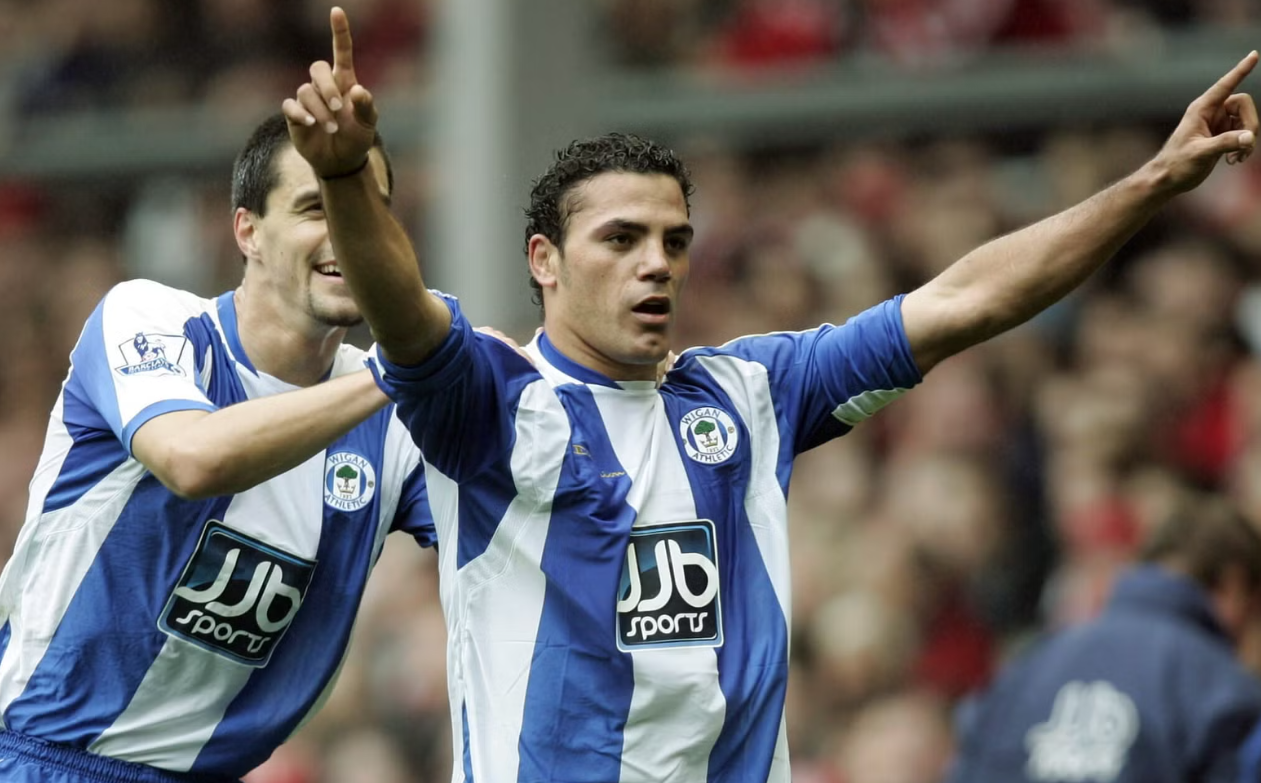
Amr Zaki appeared to be one of the signings of the season during the opening months of the 2008/09 Premier League campaign.
Wigan Athletic brought the Egyptian striker to England on loan from Zamalek.
Zaki was physically powerful, aggressive and capable of spectacular finishes. He scored on his debut against West Ham and quickly established himself as one of the league’s leading scorers.
His best performance came during a 3–2 defeat against Liverpool at Anfield.
Zaki scored twice, with his second goal arriving through an extraordinary acrobatic volley that gave Pepe Reina almost no chance.
By the middle of the season, Zaki had scored ten Premier League goals and was being discussed as a target for major English clubs.
Then everything collapsed.
His goals disappeared, while disciplinary problems damaged his relationship with Wigan manager Steve Bruce. Zaki repeatedly returned late from international duty and was publicly criticised by the club.
He completed the season without adding to his ten league goals.
A later Premier League spell with Hull City produced no goals, and Zaki gradually disappeared from top-level European football.
The first half of his Wigan season suggested that Egypt had produced an elite Premier League striker.
The second half suggested something completely different.
9. Michael Ricketts — Bolton Wanderers, 2001/02
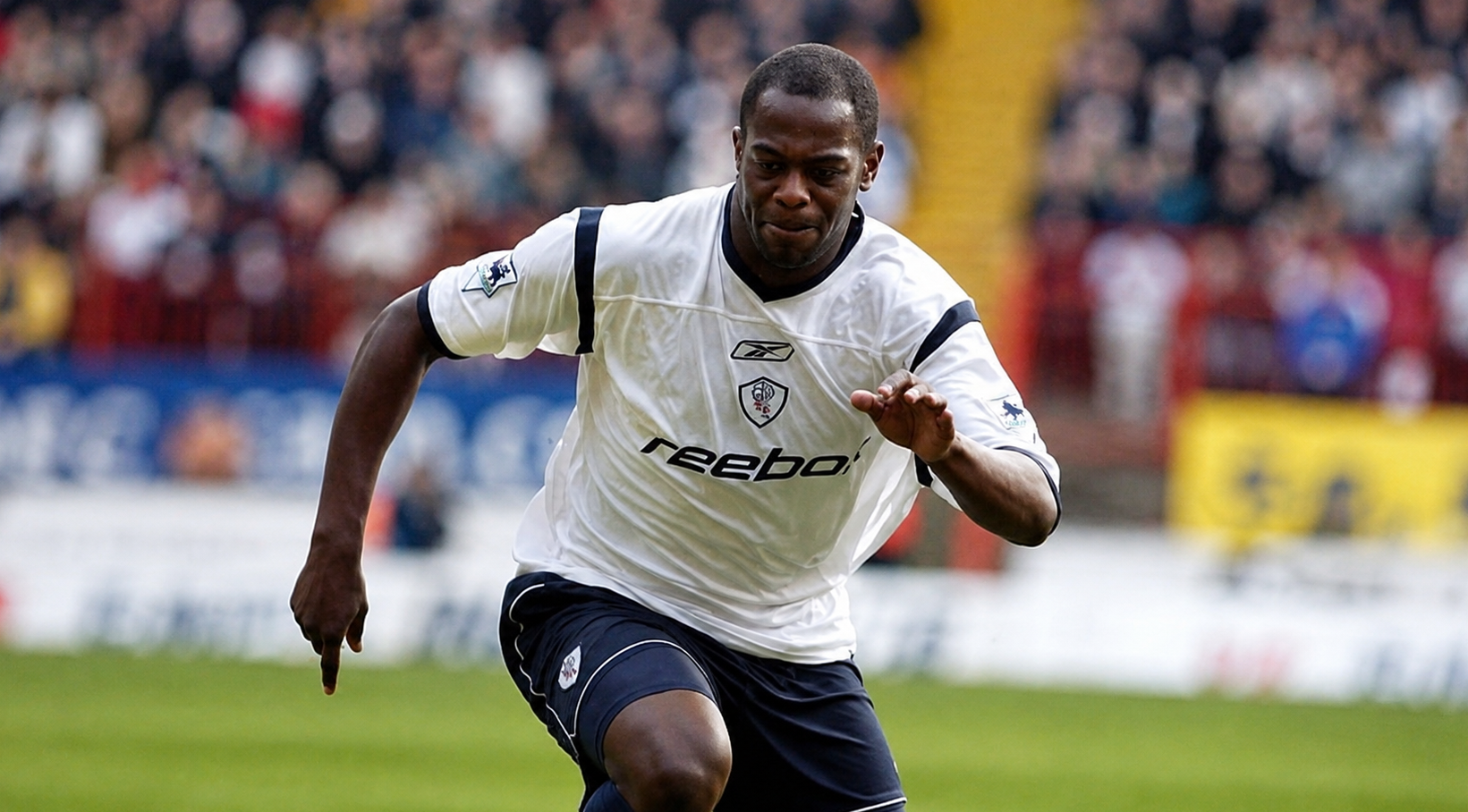
Michael Ricketts began Bolton Wanderers’ return to the Premier League in almost unstoppable form.
Bolton won their opening three matches of the 2001/02 season, and Ricketts scored in each of them.
The striker combined strength with surprising mobility and became the central attacking figure in Sam Allardyce’s newly promoted team.
By the middle of the campaign, Ricketts had scored 12 Premier League goals. His form earned him a call-up to the England squad, and he made his international debut against the Netherlands in February 2002.
At that moment, a transfer to a bigger club appeared realistic.
Ricketts never scored another league goal that season.
His confidence disappeared, fitness became a concern and Bolton were forced into a relegation battle.
He remained with the club for another year before moving to Middlesbrough. The transfer failed to revive his career, and Ricketts later represented a long list of lower-division teams.
He never earned a second England cap.
For several months, Ricketts had looked capable of becoming a regular international striker. By the end of the same season, the momentum had already vanished.
10. Marcus Stewart — Ipswich Town, 2000/01
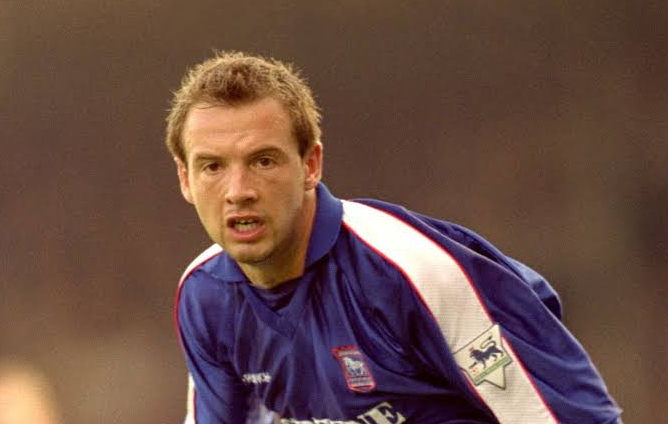
Ipswich Town entered the 2000/01 Premier League season as one of the favourites for relegation.
Instead, they finished fifth and qualified for European competition.
Marcus Stewart was the main reason.
The striker scored 19 Premier League goals during Ipswich’s first season back in the top flight. Only Jimmy Floyd Hasselbaink scored more.
Stewart was not especially fast, tall or physically dominant. His greatest qualities were intelligent movement and composed finishing.
Ipswich played energetic, organised football under George Burley, and Stewart repeatedly appeared in the correct position to complete their attacks.
He scored important goals against teams including Liverpool and Manchester United as Ipswich remained in contention for a Champions League place deep into the season.
The following campaign was completely different.
Ipswich struggled to combine domestic and European football. Stewart scored only six league goals as the club was relegated.
He later moved to Sunderland and remained productive in the Championship, but never again approached his first Premier League season.
Ipswich’s entire 2000/01 campaign now feels almost impossible: a promoted team finishing fifth, driven by a 28-year-old striker suddenly challenging for the Golden Boot.
11. Vincent Janssen — AZ Alkmaar, 2015/16
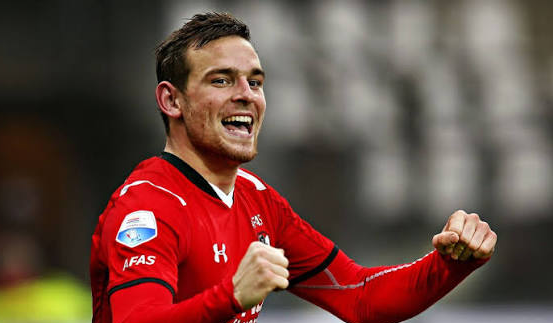
Vincent Janssen began the 2015/16 season as a promising young striker.
He ended it as the leading goalscorer in the Netherlands and Tottenham Hotspur’s chosen competition for Harry Kane.
AZ had signed Janssen from second-division club Almere City. After a relatively slow start, his scoring rate exploded.
Janssen scored 27 Eredivisie goals, including several hat-tricks, and won the league’s top-scorer award.
He was strong with his back to goal, aggressive inside the penalty area and confident from the penalty spot. His form also earned him a place in the Netherlands national team.
Tottenham paid a significant fee for him in the summer of 2016.
The Premier League exposed his limitations.
Janssen worked hard and became popular with sections of the support, but struggled to score from open play. He managed only two Premier League goals during his first season, one of which was a penalty.
Harry Kane’s extraordinary form also made regular starts almost impossible.
Janssen later rebuilt his career in Mexico and Belgium, proving that he remained a capable professional striker.
However, he never again produced anything close to the 27-goal season that had convinced Tottenham to bring him to England.
12. Andy Johnson — Crystal Palace, 2004/05
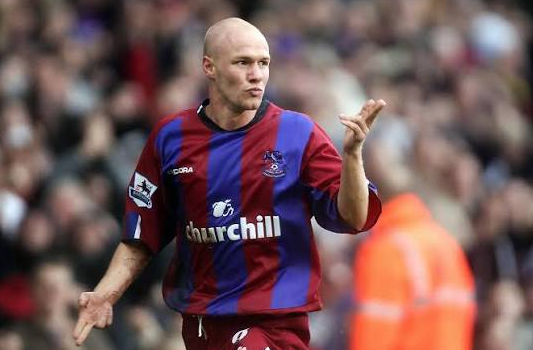
Andy Johnson had already enjoyed a strong season in the second division when Crystal Palace won promotion.
Few expected him to become one of the Premier League’s leading goalscorers.
Johnson scored 21 league goals during the 2004/05 campaign. Only Thierry Henry finished above him in the Golden Boot race.
His speed made him especially dangerous when Palace attacked behind defensive lines. He was also excellent at drawing fouls inside the penalty area.
Eleven of Johnson’s goals came from penalties, which created debate over whether his total accurately reflected his performances.
Even with that qualification, scoring 21 times for a relegated team was an exceptional achievement.
Johnson earned a place in the England squad and became one of the most discussed strikers in the country.
Palace were relegated on the final day, but Johnson remained for another season before joining Everton.
He enjoyed several respectable Premier League campaigns and represented England eight times. He was not a bad player after leaving Palace.
He simply never came close to scoring 21 top-flight goals again.
For one year, a striker representing one of the league’s weakest teams finished above Ruud van Nistelrooy, Wayne Rooney and Didier Drogba in the scoring table.
13. Mista — Valencia, 2003/04
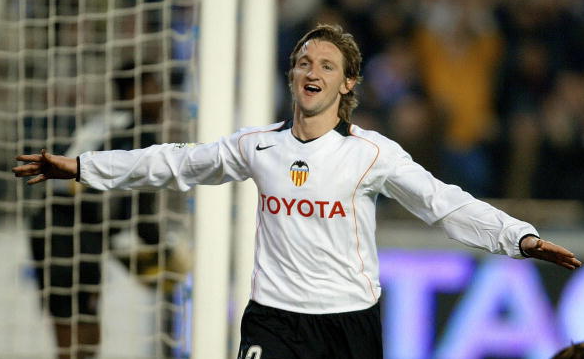
Valencia’s 2003/04 team was built around organisation, discipline and collective strength rather than one global superstar.
Mista became its unexpected leading goalscorer.
The Spanish striker had never scored more than ten league goals in a season before that campaign.
He suddenly produced 19 in La Liga and added five more during Valencia’s successful UEFA Cup run.
Mista’s movement perfectly suited Rafael Benítez’s tactical system. He pressed defenders, attacked spaces and converted chances created by players such as Vicente, Pablo Aimar and Rubén Baraja.
Valencia won La Liga ahead of Real Madrid and Barcelona.
Mista also played a decisive role in the UEFA Cup final against Marseille. His run resulted in Fabien Barthez being sent off, and he later scored Valencia’s second goal in a 2–0 victory.
He finished the campaign with a league and European double.
Mista never reproduced those numbers.
He remained at Valencia for two more seasons before joining Atlético Madrid, where goals became increasingly rare. Later spells with Deportivo La Coruña and Toronto FC did little to revive his career.
For one perfectly structured season, Mista was the ideal striker for one of Europe’s best teams.
14. Javi Moreno — Deportivo Alavés, 2000/01
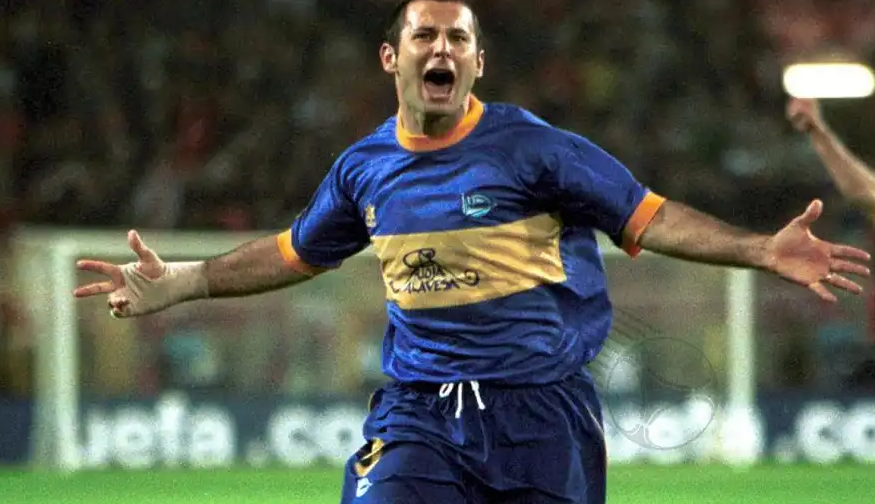
Javi Moreno became one of the most feared strikers in Spain during Deportivo Alavés’ remarkable 2000/01 season.
He scored 22 La Liga goals, finishing behind only Raúl and Rivaldo in the scoring table.
Moreno was strong, direct and clinical inside the penalty area. He had spent much of his earlier career away from Spain’s elite, but suddenly appeared ready to become an international-level striker.
Alavés also completed an extraordinary run to the UEFA Cup final.
The final against Liverpool became one of the greatest matches in European competition history. Alavés repeatedly recovered from losing positions before eventually suffering a 5–4 golden-goal defeat.
Moreno scored twice within the opening six minutes of the second half, temporarily transforming the match.
AC Milan signed him after the season.
The move went badly.
Moreno struggled for playing time and scored only two Serie A goals before returning to Spain. He later represented Atlético Madrid, Bolton Wanderers, Zaragoza and several lower-division clubs.
His career never again approached the level reached at Alavés.
For one season, however, Moreno was scoring against almost everyone and came within one goal of completing one of European football’s greatest underdog stories.
15. Nikos Machlas — Vitesse, 1997/98
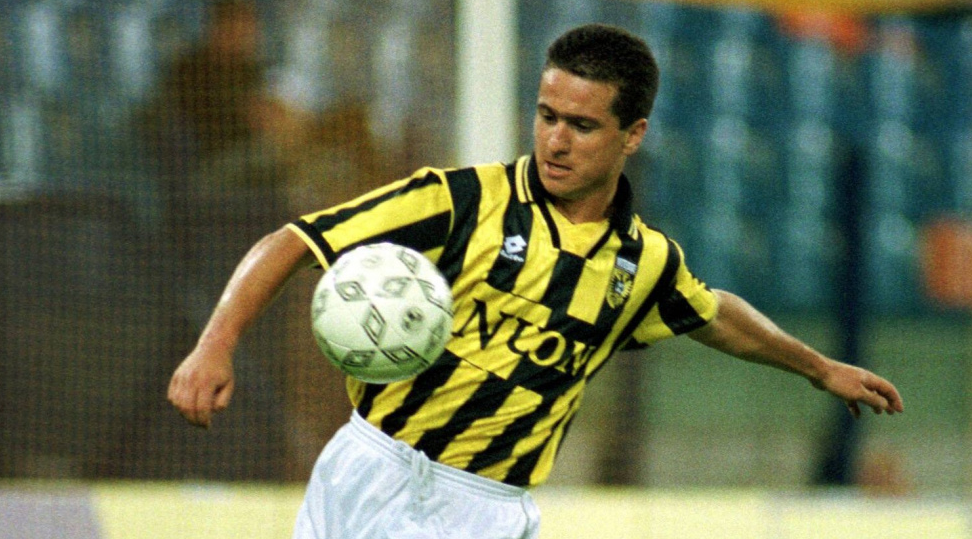
Nikos Machlas produced one of the most extraordinary goalscoring seasons in Dutch football history.
The Greek striker scored 34 goals in only 32 Eredivisie appearances for Vitesse during the 1997/98 campaign.
His total earned him the European Golden Shoe.
Vitesse finished third, the club’s highest-ever league position, with Machlas leading an attack that scored freely throughout the season.
He had already shown promise during his first campaign in the Netherlands, but nobody expected him to average more than one goal per match.
Machlas’ performances earned him a major move to Ajax.
He continued scoring at a respectable rate, but never dominated the league in the same way. He was later viewed as a disappointment because Ajax had expected a repeat of his Vitesse numbers.
The striker eventually returned to Greece and continued his career with several clubs.
Machlas was not a complete unknown before 1997/98 and did not immediately become useless afterwards.
But the difference between that 34-goal explosion and the rest of his career was enormous.
For one year, the leading goalscorer in European football was not playing for Real Madrid, Barcelona or Manchester United. He was leading the line for Vitesse.
16. Igor Protti — Bari, 1995/96
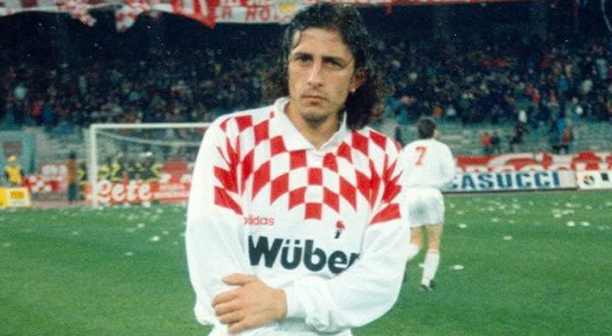
Igor Protti achieved something extremely unusual during the 1995/96 Serie A season.
He became the league’s joint-leading goalscorer while playing for a relegated team.
Protti scored 24 goals for Bari, sharing the Capocannoniere award with Lazio’s Giuseppe Signori.
Serie A was arguably the strongest league in the world at the time. Its defenders included many of the greatest players of the era, while its biggest clubs contained elite international strikers.
Protti still finished above all but one of them.
His movement and finishing gave Bari hope throughout the season, but the team conceded too many goals and finished near the bottom of the table.
Protti moved to Lazio after relegation.
He scored only seven league goals across the following three seasons with Lazio and Napoli.
Rather than disappearing completely, Protti rebuilt his reputation in the lower divisions. He became a major figure at Livorno and helped the club rise through the Italian system.
His wider career earned considerable respect.
Nevertheless, he never approached his extraordinary top-flight total from 1995/96.
Scoring 24 Serie A goals for a relegated Bari side remains one of the strangest individual achievements in Italian football.
17. Michael Bridges — Leeds United, 1999/00
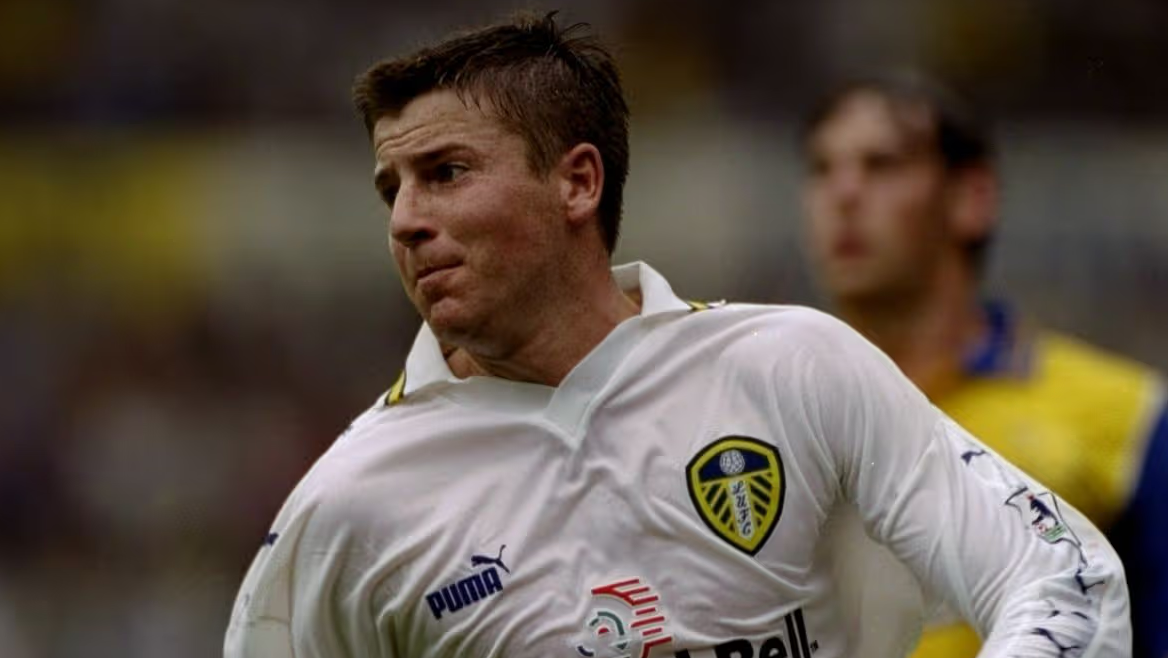
Michael Bridges appeared ready to become one of the leading English strikers of his generation after joining Leeds United in 1999.
The 21-year-old arrived from Sunderland and immediately became a central figure in David O’Leary’s young team.
Bridges scored 19 Premier League goals during his debut season.
Leeds finished third and qualified for the Champions League. They also reached the UEFA Cup semi-finals, with Bridges scoring regularly across all competitions.
He was quick, intelligent and comfortable finishing with either foot. Alongside Harry Kewell, Alan Smith and later Mark Viduka, he appeared to be part of an attack capable of competing for years.
A serious ankle injury suffered during the following season changed everything.
Bridges experienced repeated setbacks and missed long periods of football. By the time he recovered, Leeds’ financial problems were beginning to destroy the team.
He never again scored more than a small number of goals during a top-flight season.
Bridges continued playing for many years, including spells in Australia, but the player seen during 1999/00 never returned.
His first Leeds campaign looked like the beginning of a major career. Instead, it became an isolated glimpse of what might have been.
18. Odion Ighalo — Watford, 2015/16
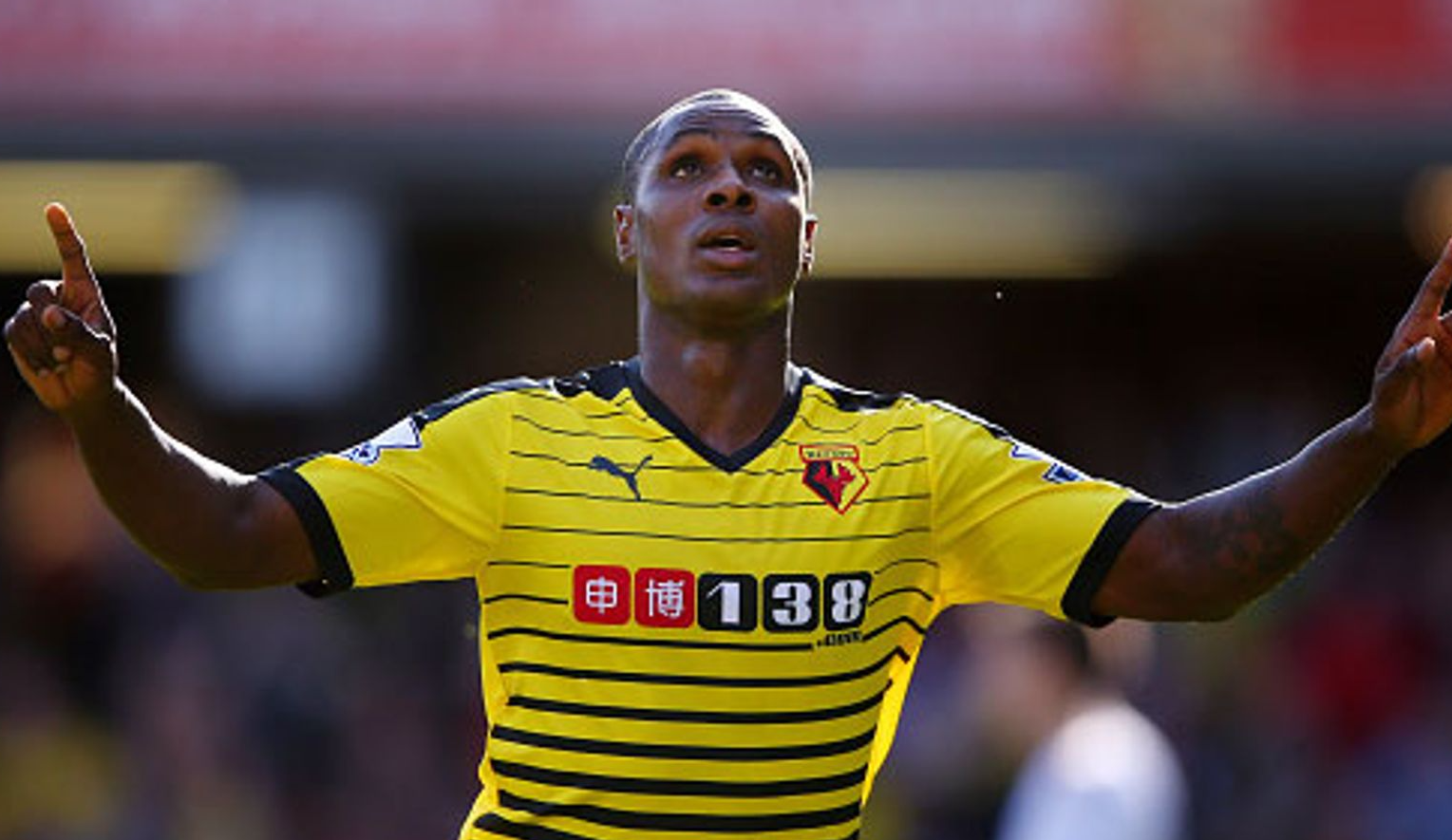
Odion Ighalo entered the Premier League after helping Watford win promotion from the Championship.
He quickly formed one of the competition’s most effective strike partnerships with Troy Deeney.
Ighalo was physically strong, difficult to dispossess and extremely composed in one-on-one situations.
During the first half of the 2015/16 season, he seemed to score almost every week.
He found the net against Liverpool, Chelsea, Tottenham and several of Watford’s direct rivals. His goals helped the newly promoted club move comfortably away from the relegation places.
Ighalo finished the league campaign with 15 goals and helped Watford reach the FA Cup semi-finals.
The decline began before the season had even ended.
After scoring 13 league goals by the end of December, Ighalo managed only two during the remaining months of the campaign.
He scored just once in the Premier League the following season before moving to China.
Ighalo later enjoyed successful periods outside Europe and even made a surprising return to England with Manchester United.
However, he never again maintained the top-level scoring form that made him one of the Premier League’s most feared strikers during the opening half of 2015/16.
19. Grant Holt — Norwich City, 2011/12
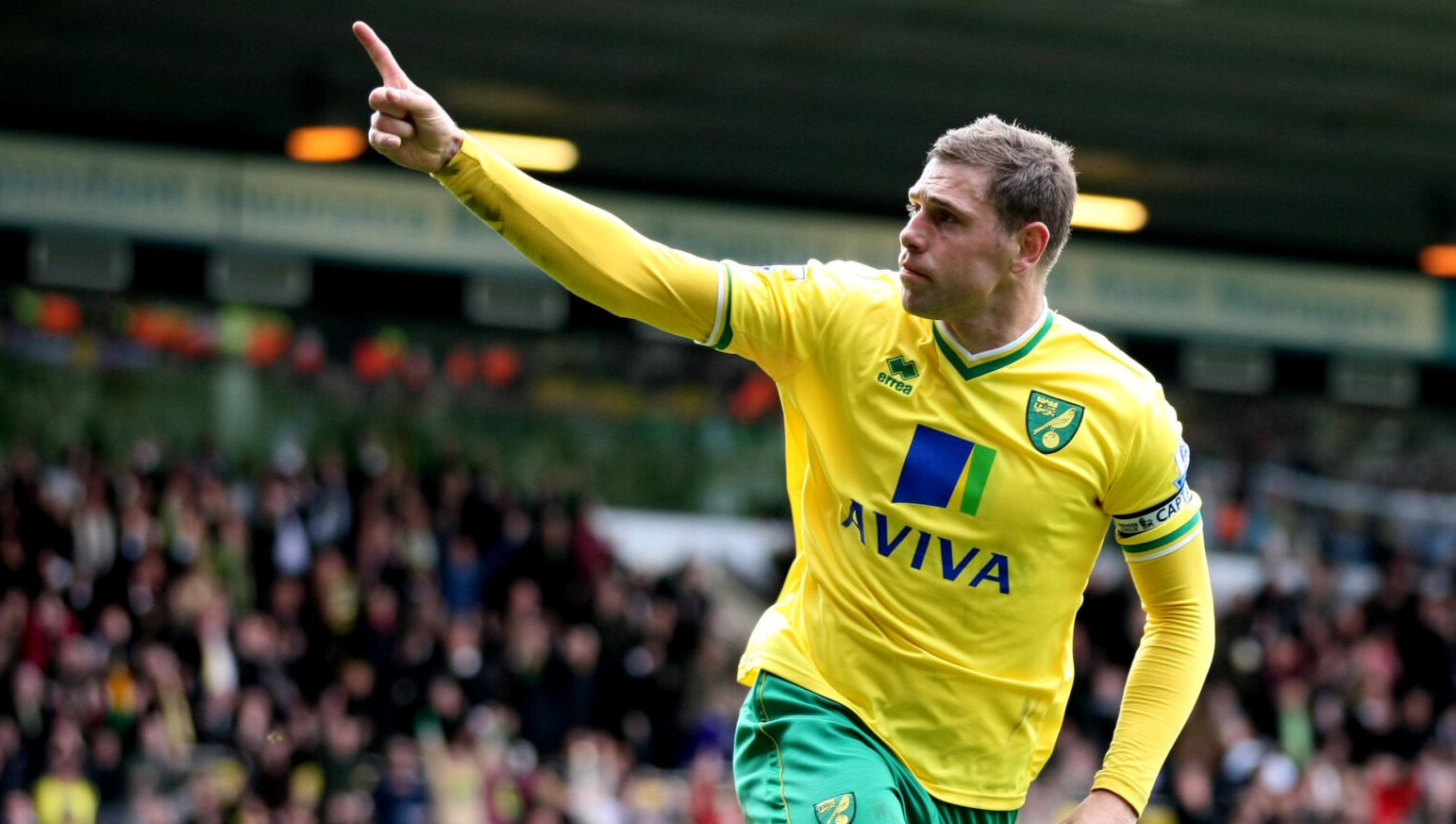
Grant Holt did not follow the traditional path to becoming a Premier League striker.
He spent years playing in the lower divisions and had already turned 30 when Norwich City returned to the top flight in 2011.
Many questioned whether his physical style would work against Premier League defenders.
Holt responded by scoring 15 league goals.
He found the net against Manchester United, Liverpool, Chelsea, Arsenal and several other established teams. His strength and willingness to challenge defenders made him extremely difficult to handle.
Norwich finished 12th under Paul Lambert, comfortably avoiding relegation.
Holt even received public support for a possible England call-up ahead of Euro 2012.
That invitation never arrived.
He scored eight league goals during the following campaign before leaving Norwich for Wigan Athletic. Injuries and age gradually reduced his influence.
Holt remained a club legend and had already produced several prolific lower-league seasons.
At Premier League level, however, his 15-goal campaign was never repeated.
For one year, a striker who had previously played for clubs including Barrow, Rochdale and Shrewsbury was scoring against England’s biggest teams.
20. Borja Bastón — Eibar, 2015/16
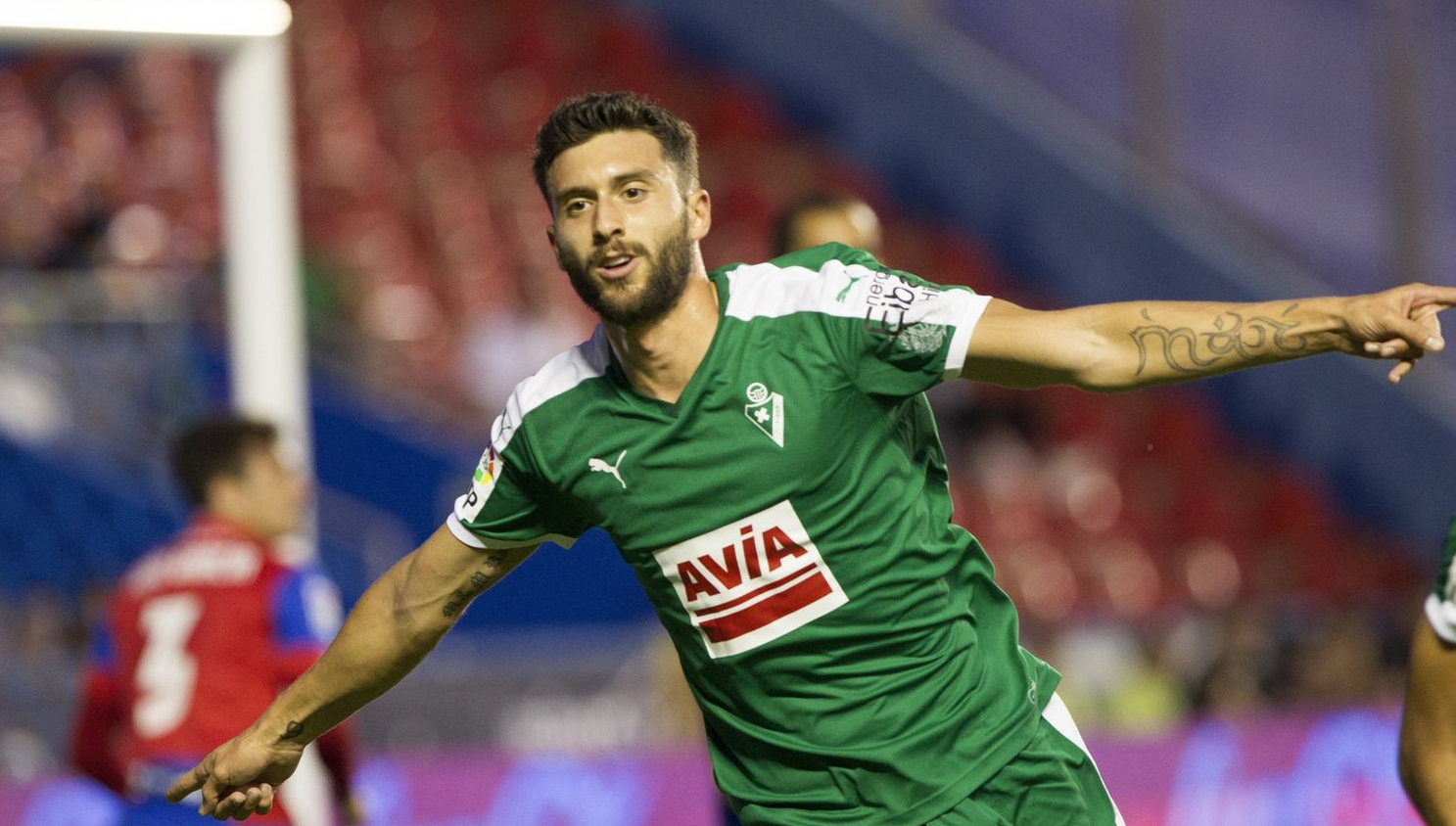
Borja Bastón had spent years moving between loan spells when everything finally came together at Eibar.
The Atlético Madrid academy graduate joined the small Basque club for the 2015/16 season.
Eibar were expected to fight against relegation. Instead, they produced an impressive campaign, with Borja becoming one of the leading Spanish goalscorers in La Liga.
He scored 18 league goals.
Borja was particularly effective inside the penalty area, using intelligent movement and calm finishing rather than exceptional speed.
His performances attracted Swansea City, who paid a club-record fee to bring him to the Premier League.
The transfer failed almost immediately.
Borja struggled with the speed and physicality of English football and scored only one Premier League goal during his first campaign.
He spent the following seasons moving through loans and permanent transfers in Spain and England.
Borja later enjoyed productive periods in the Spanish second division, but never approached his Eibar numbers in a major top-flight league.
His 18-goal campaign remains one of the clearest examples of a player finding the perfect club, coach and tactical role for one brief period.
One Great Season Can Define an Entire Career
Consistency is one of the main differences between a good player and a great one.
The best forwards repeat their performances even after opponents understand their strengths. They adapt to new teams, survive injuries and continue scoring when confidence disappears.
The players on this list could not maintain their extraordinary peaks.
That does not make those peaks meaningless.
Swansea supporters will always remember Michu. Wolfsburg would not have won the Bundesliga without Grafite. Ipswich’s fifth-place finish would have been impossible without Stewart, while Mista led Valencia to two major trophies.
For one season, each player became something far greater than anyone expected.
They may not have remained unstoppable.
But for a few unforgettable months, nobody could stop them.
Enjoyed this? Put your football knowledge to the test.
Play Guessballer →