
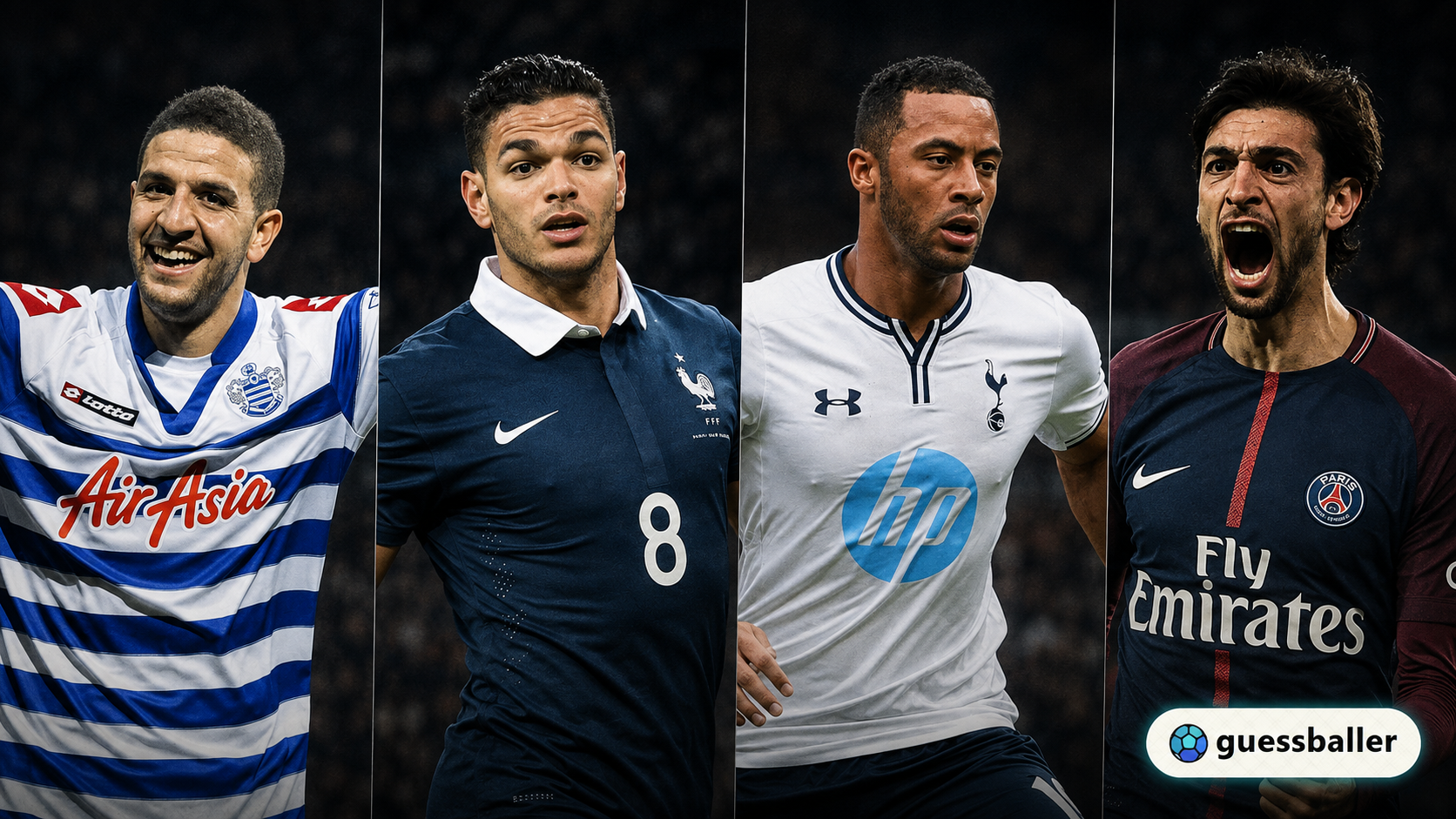
Modern football moves incredibly quickly.
One season, a player is producing outrageous skills, scoring spectacular goals and appearing in every football compilation on the internet. A few years later, an entirely new generation has taken over and his best performances are barely mentioned.
Not every technically brilliant footballer becomes a permanent member of the sport’s historical elite. Some struggled with injuries. Others made the wrong transfer, clashed with managers or simply played in teams that did not suit their abilities.
A few were inconsistent. Some probably should have achieved more. But when these players were at their best, they were capable of doing things that made people fall in love with football.
Here are 20 forgotten footballers who were absolute ballers.
1. Adel Taarabt
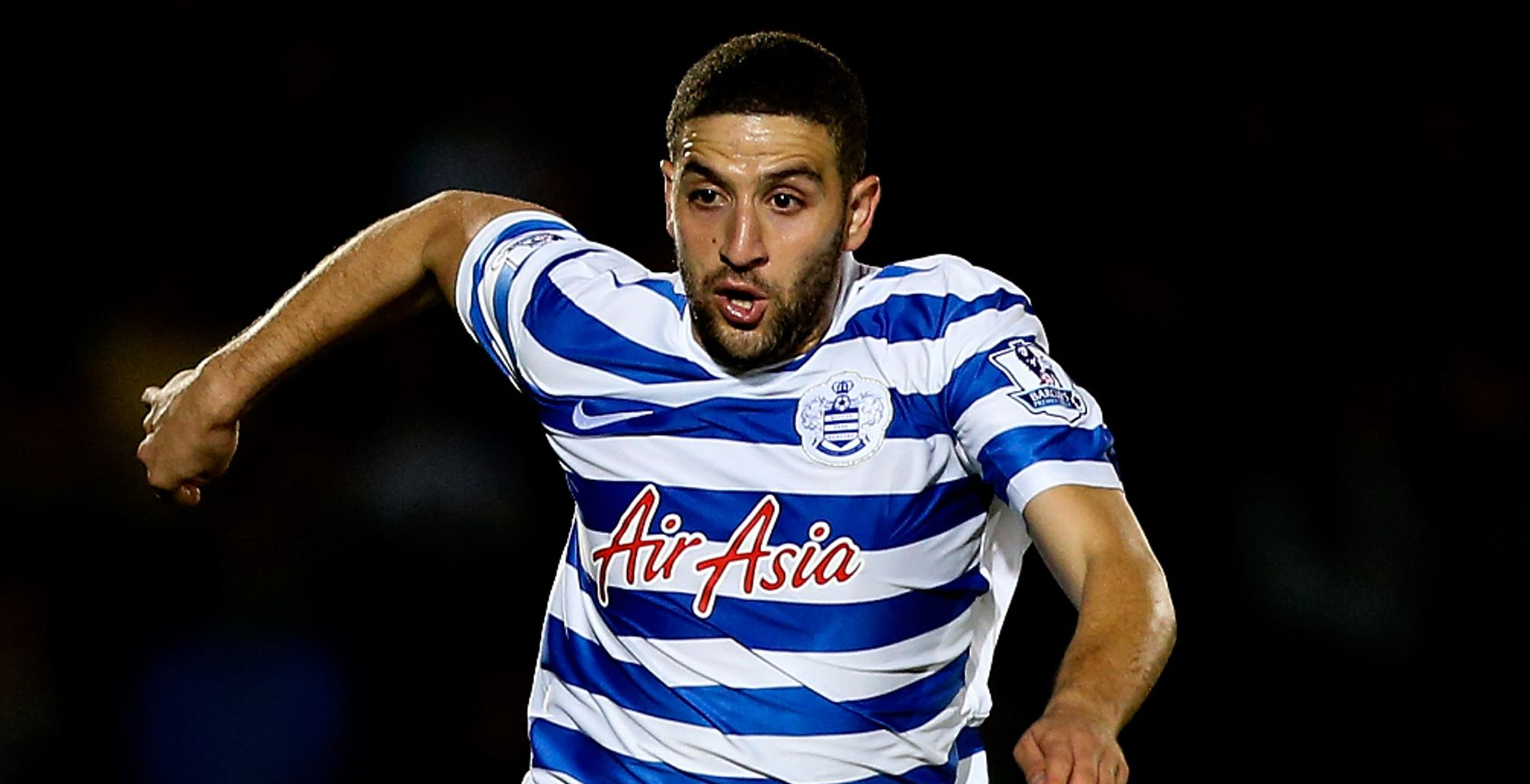
For one season at Queens Park Rangers, Adel Taarabt looked like a player who had been sent down from a higher division simply to embarrass Championship defenders.
The Moroccan was given complete creative freedom by Neil Warnock during QPR’s 2010/11 promotion campaign. He responded with 19 goals and 21 assists in 44 league appearances as Rangers won the Championship title.
Those statistics were impressive, but they still do not fully explain the experience of watching Taarabt.
He played with the confidence of someone controlling a five-a-side match against his friends. Nutmegs, stepovers, disguised passes and long-range shots appeared almost every week. Defenders frequently knew exactly what he wanted to do and still could not prevent it.
Taarabt never reproduced that level consistently in the Premier League. His temperament, defensive contribution and relationship with different managers were repeatedly questioned. He later represented Fulham, AC Milan and Benfica, where he surprisingly reinvented himself as a deeper midfielder.
His wider career remains difficult to assess, but his 2010/11 campaign belongs among the most individually dominant seasons in Championship history.
2. Hatem Ben Arfa
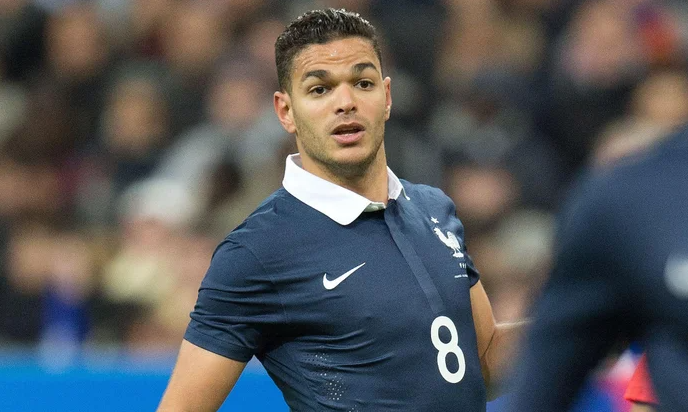
Hatem Ben Arfa was the type of player who could spend most of a match on the edge of the action and then suddenly dribble past half the opposition.
The French winger developed alongside Karim Benzema at Lyon before representing Marseille, Newcastle United, Hull City, Nice and Paris Saint-Germain.
His ability was never seriously disputed. Ben Arfa possessed exceptional close control, acceleration and balance. Once he started running directly at defenders, he could change direction without appearing to lose any speed.
Newcastle supporters still remember his solo goals against Blackburn Rovers and Bolton Wanderers. Both involved Ben Arfa collecting the ball far from goal and deciding that passing to a teammate was unnecessary.
His greatest complete season arguably came at Nice in 2015/16. After his career in England had appeared to stall, Ben Arfa returned to France and produced 17 Ligue 1 goals. That revival earned him a move to PSG.
Unfortunately, disagreements with coaches, questions about his tactical discipline and long periods without regular football prevented him from fulfilling his enormous potential.
The career was complicated. The talent was not.
3. Ricardo Quaresma
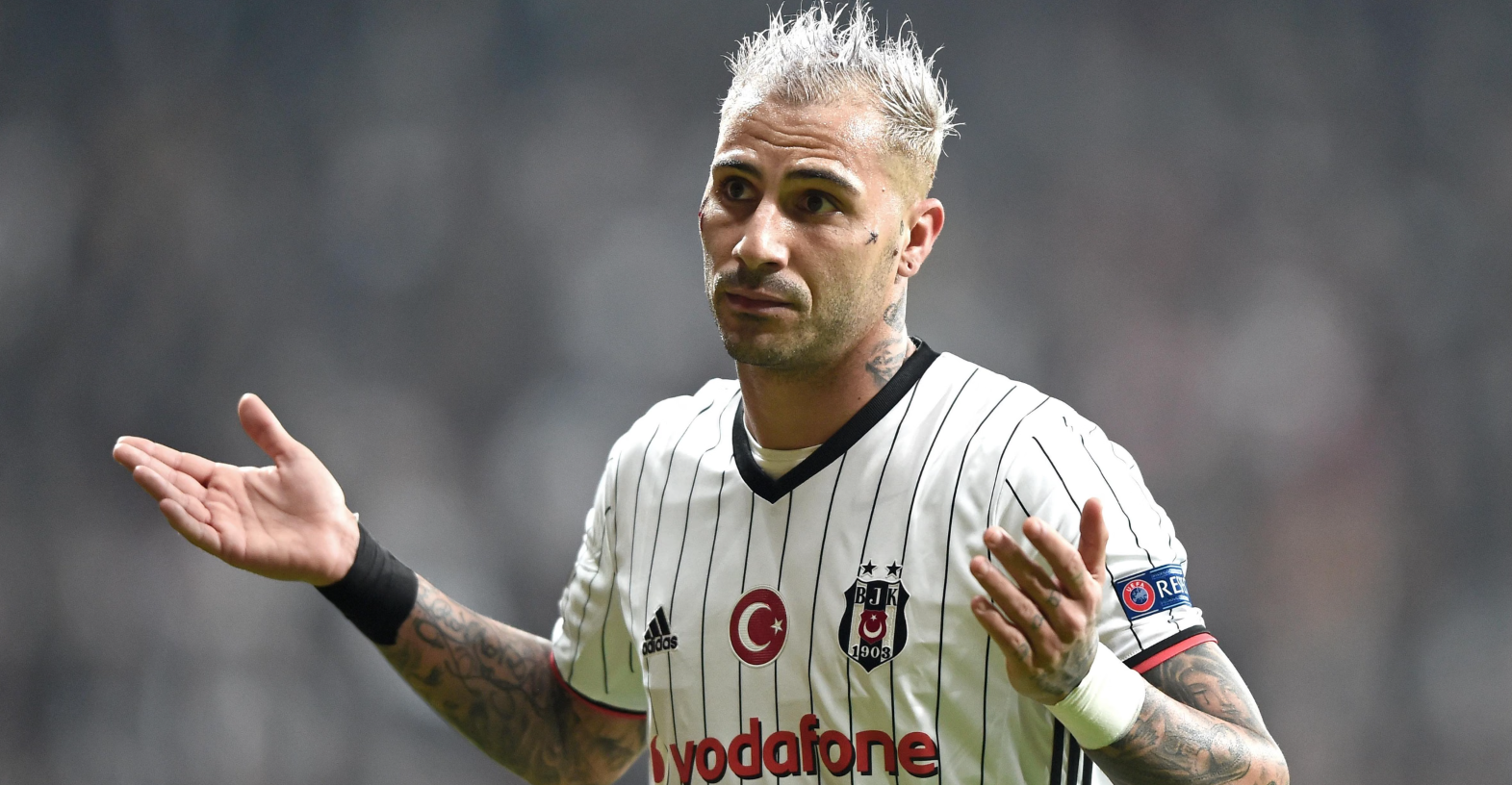
Ricardo Quaresma did not just use the outside of his foot when it was necessary. He used it because doing things normally was apparently too boring.
The Portuguese winger became synonymous with the trivela, striking and crossing the ball with the outside of his right boot. At his best, Quaresma could produce passes and shots from angles that appeared physically unreasonable.
He emerged from Sporting CP’s academy alongside Cristiano Ronaldo and moved to Barcelona while still young. However, his career did not follow the direct path to superstardom many expected.
Quaresma struggled at Barcelona, Chelsea and Inter Milan, but became a major figure at Porto and Beşiktaş. Those clubs allowed him to express the unpredictable, individualistic style that made him special.
His international career also enjoyed a late revival. Quaresma scored Portugal’s extra-time winner against Croatia at Euro 2016 and helped his country win its first major international trophy.
Two years later, at the 2018 World Cup, he scored against Iran with one of the most recognisable trivela finishes of his career.
Quaresma could be frustrating and inconsistent, but few footballers have ever made striking a ball look so stylish.
4. Andrey Arshavin
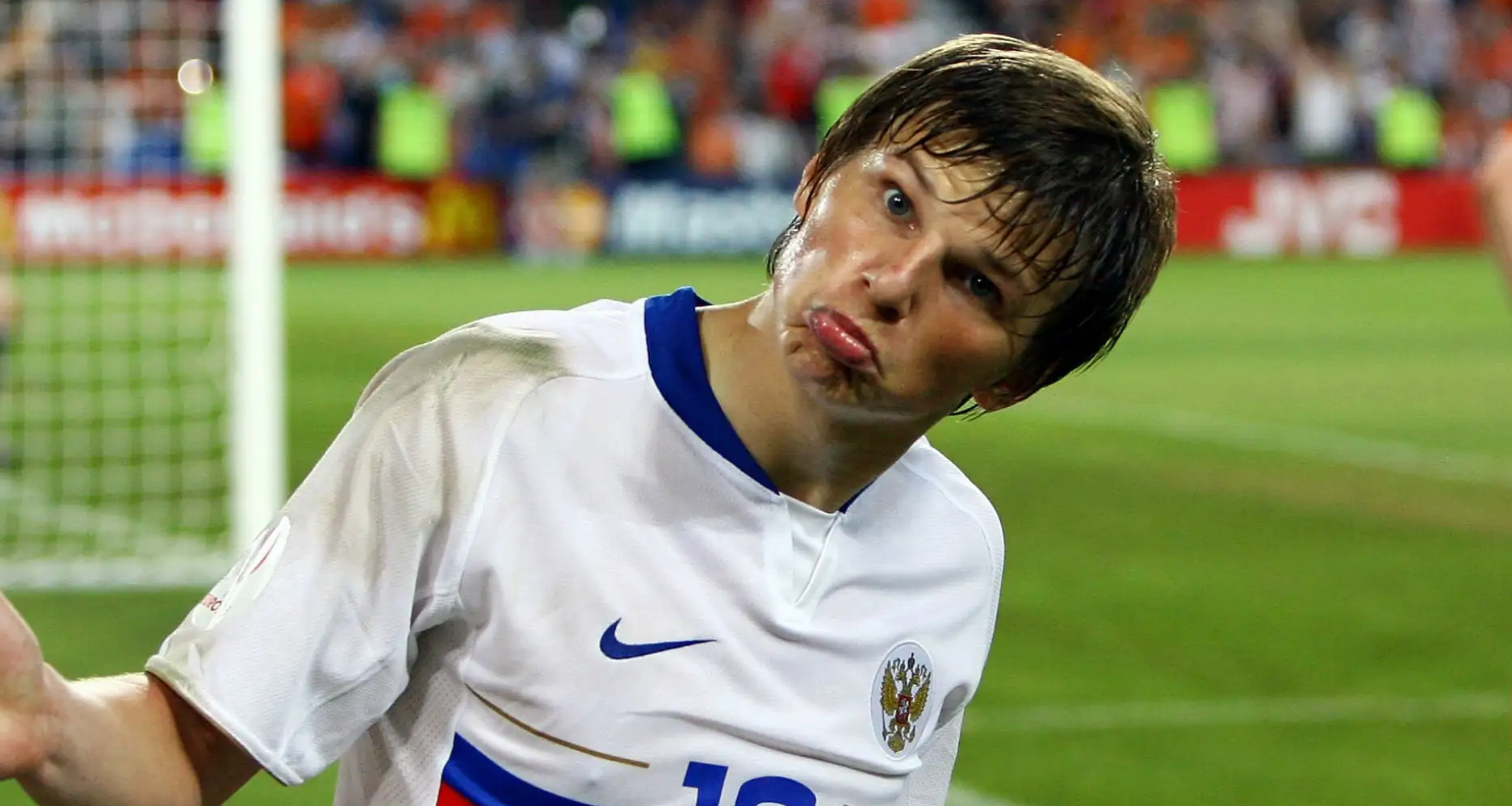
Before moving to Arsenal, Andrey Arshavin was one of the most exciting attacking players outside Europe’s traditional elite leagues.
The Russian forward helped Zenit Saint Petersburg win the 2008 UEFA Cup and produced outstanding performances for Russia at Euro 2008. His movement, close control and ability to accelerate through central areas made him extremely difficult to defend.
Arsenal signed him in February 2009, and it did not take long for him to produce one of the Premier League’s most memorable individual performances.
In April of that year, Arshavin scored all four of Arsenal’s goals in a 4–4 draw against Liverpool at Anfield. He needed only a handful of opportunities to punish one of the strongest teams in England.
His Arsenal career gradually lost momentum, partly because he was often used from the left rather than in his preferred central role. Questions were also raised about his conditioning and defensive contribution.
Even so, peak Arshavin was a wonderfully intelligent attacker. He could create, dribble and finish, while his expression rarely changed regardless of what he had just done.
The four fingers raised at Anfield remain one of the defining images of Premier League football in the late 2000s.
5. Mousa Dembélé
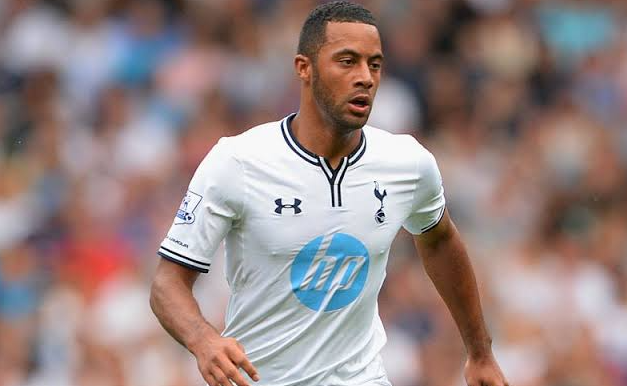
Mousa Dembélé did not accumulate the goals or assists normally associated with an elite attacking midfielder.
That did not matter.
The Belgian’s greatest skill was his ability to receive the ball under pressure and simply refuse to lose it. Opponents could surround him, push him and attempt to tackle from several directions. Dembélé would turn his body, glide away and carry the ball into space.
He began his career in more attacking positions before Fulham and Tottenham gradually moved him deeper into midfield. That transformation revealed a unique combination of physical strength and technical control.
During Tottenham’s 2015/16 title challenge, Dembélé completed more dribbles and won more tackles than any other Spurs player. The team’s performances declined noticeably when he was unavailable.
Several former teammates have described him as one of the most naturally gifted players they encountered. That reputation makes sense. Dembélé could dominate midfield without appearing rushed and without relying on spectacular numbers.
His body eventually struggled with the physical demands of the Premier League, and he left Tottenham for China in 2019.
Dembélé was not a traditional highlights player, but those who watched him every week understood how unusual he was.
6. Javier Pastore
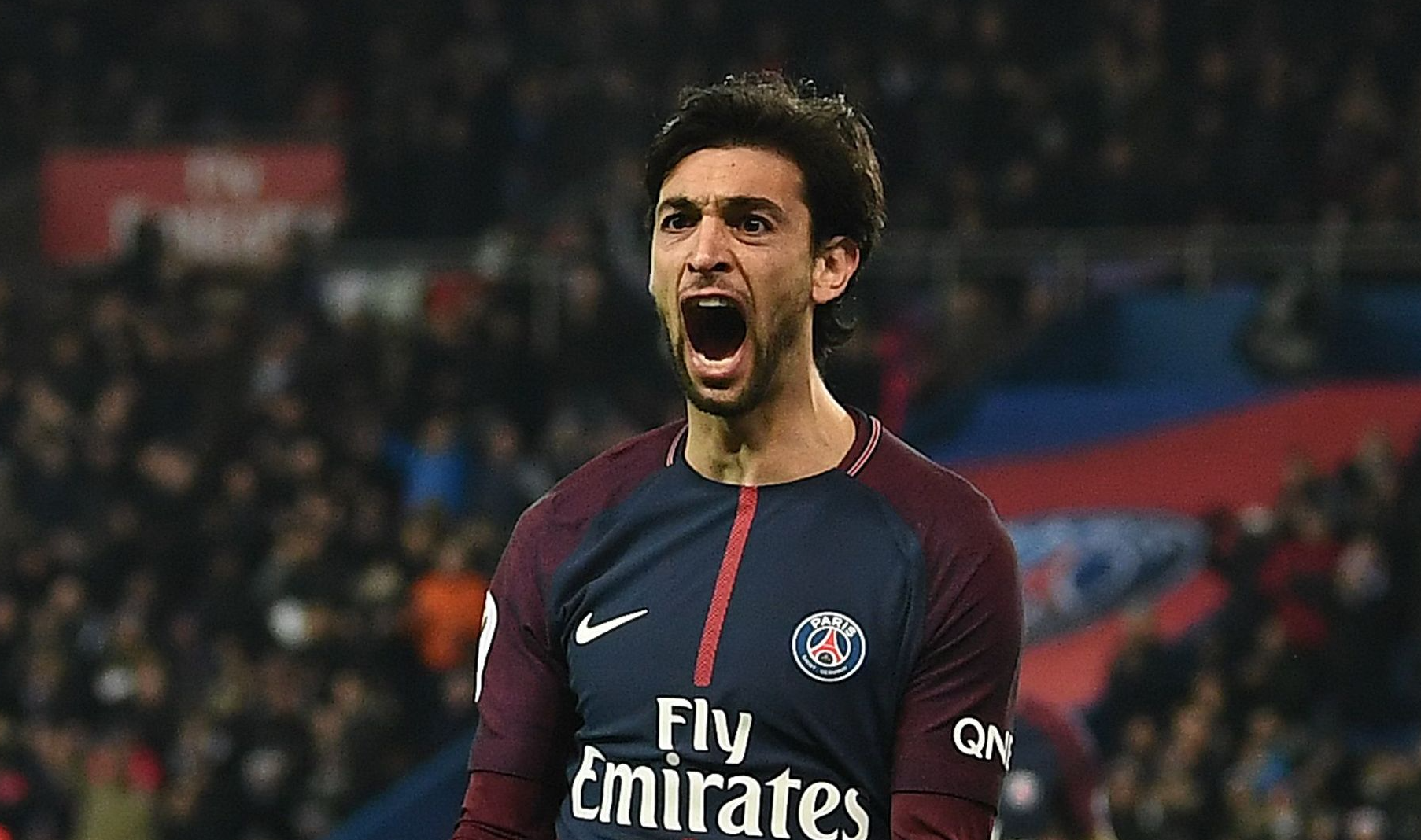
Javier Pastore played football with the elegance of a traditional Argentine number ten.
Tall, technically refined and always looking for a creative pass, Pastore first attracted major European attention at Palermo. His performances in Serie A convinced Paris Saint-Germain to make him one of the first major signings of the club’s new era in 2011.
Before Zlatan Ibrahimović, Thiago Silva and the later collection of superstars arrived, Pastore was supposed to become the face of the project.
He produced moments worthy of that status. His close control allowed him to move through congested central areas, while his vision made him especially dangerous around the penalty box.
As PSG’s spending accelerated, however, Pastore gradually became less central to the team. Injuries also prevented him from maintaining his best form for long periods.
He later joined Roma, where flashes of his intelligence and technical ability remained visible, including several remarkable backheel finishes.
Pastore’s career was not unsuccessful. He won numerous domestic trophies in France and represented Argentina at major tournaments. Yet the ease with which he played during his best years suggested that even more was possible.
7. Samir Nasri
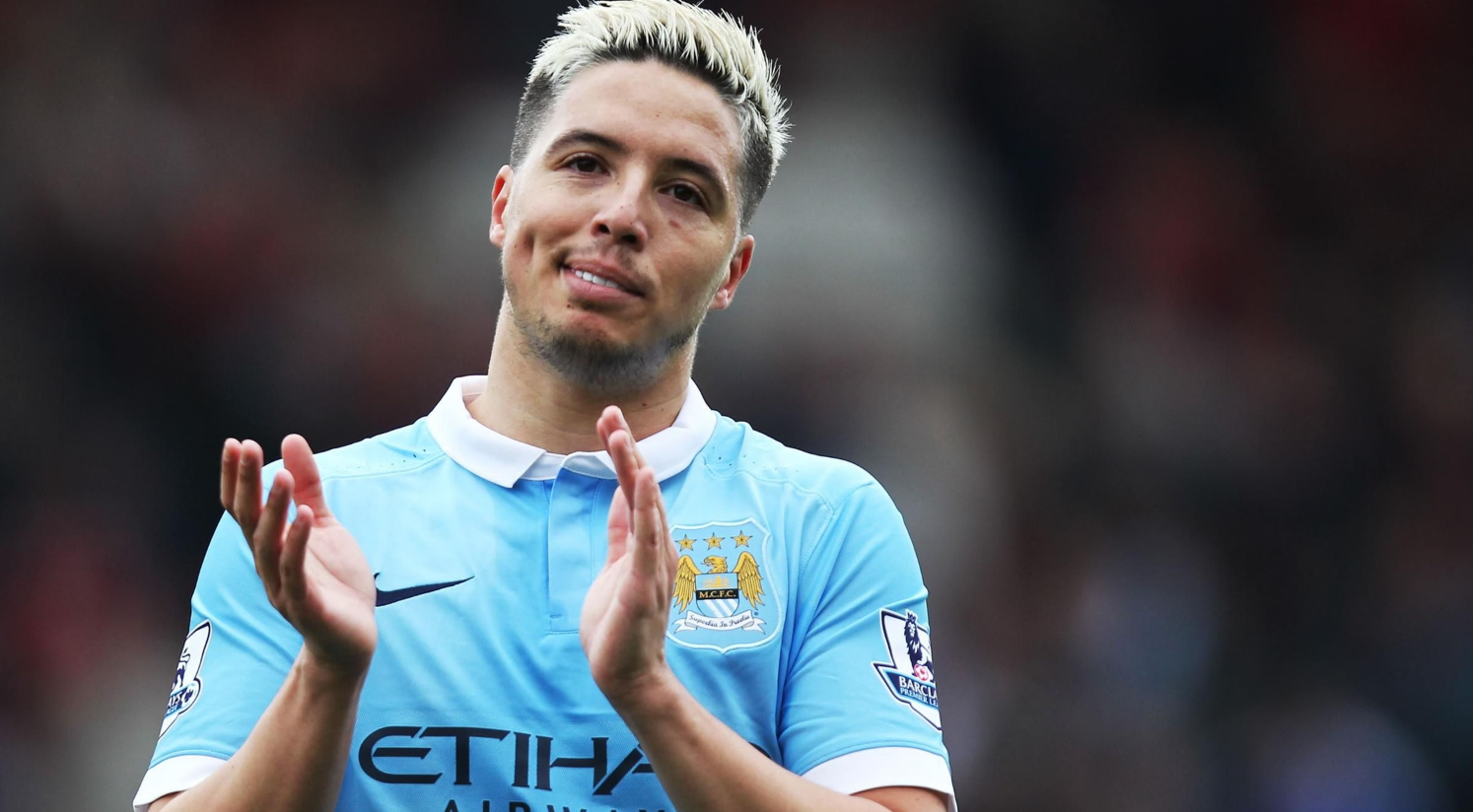
At his peak, Samir Nasri was one of the smoothest attacking midfielders in the Premier League.
The Frenchman developed at Marseille before joining Arsenal in 2008. Initially, he was one of several talented young players in Arsène Wenger’s technically gifted but trophy-starved side.
During the 2010/11 season, Nasri moved to another level. He scored 14 goals in all competitions by the end of January and produced several outstanding individual performances.
His two goals against Fulham perfectly demonstrated his qualities. For both, Nasri manipulated the ball in a crowded penalty area, sent defenders in the wrong direction and finished with remarkable composure.
He joined Manchester City in 2011 and won two Premier League titles. Nasri was particularly influential during the 2013/14 campaign under Manuel Pellegrini, operating between midfield and attack in a fluid City team.
His career later declined more quickly than expected. Injuries, disciplinary issues and a doping suspension all contributed, while spells at Sevilla, Antalyaspor, West Ham and Anderlecht did not restore his earlier level.
For several seasons, though, Nasri combined street-football confidence with elite-level combination play.
8. Yoann Gourcuff
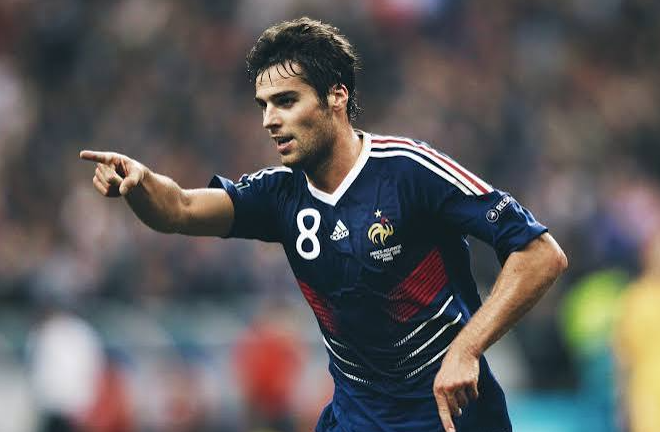
There was a period when Yoann Gourcuff was presented as the natural successor to Zinedine Zidane.
That comparison ultimately became a burden, but it did not come from nowhere.
Gourcuff was an elegant, two-footed playmaker with excellent vision, balance and shooting technique. After struggling for regular football at AC Milan, he returned to France and produced an outstanding 2008/09 season with Bordeaux.
Bordeaux won Ligue 1, ending Lyon’s run of seven consecutive championships, while Gourcuff was named the division’s best player.
His goal against Paris Saint-Germain remains one of the finest demonstrations of individual technique in modern French football. Gourcuff received the ball with his back to goal, escaped two defenders with a roulette and finished calmly.
Lyon paid a reported €22 million for him in 2010, but injuries repeatedly interrupted his progress. Ankle, knee, thigh and back problems prevented him from establishing a consistent rhythm.
Gourcuff’s peak was frustratingly short. Yet during that peak, he controlled matches with an elegance that made the Zidane comparisons understandable, even if they were ultimately unfair.
9. Aleksandr Hleb
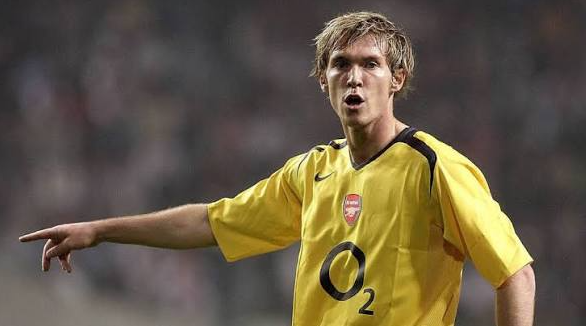
Aleksandr Hleb was a dribbler who did not need tricks.
The Belarusian midfielder escaped opponents through body movement, acceleration and extremely close control. He could receive possession in tight areas, change direction instantly and carry the ball through midfield before defenders had time to adjust.
Hleb made his name with Stuttgart before joining Arsenal in 2005. He became an important part of the team that reached the 2006 Champions League final and later formed a highly technical attacking unit with Cesc Fàbregas, Tomáš Rosický and Mathieu Flamini.
His final season at Arsenal was arguably his best. Hleb regularly moved between the right wing and central midfield, helping Wenger’s side challenge for the Premier League title.
Barcelona signed him in 2008, but the transfer effectively ended his period at the highest level. Hleb struggled for playing time and later admitted that leaving Arsenal had been a mistake.
A series of loans and moves followed before he eventually returned to BATE Borisov.
Hleb was not a prolific scorer, and his reluctance to shoot sometimes frustrated supporters. But with the ball at his feet, he was one of the most difficult midfielders of his era to dispossess.
10. Diego Ribas
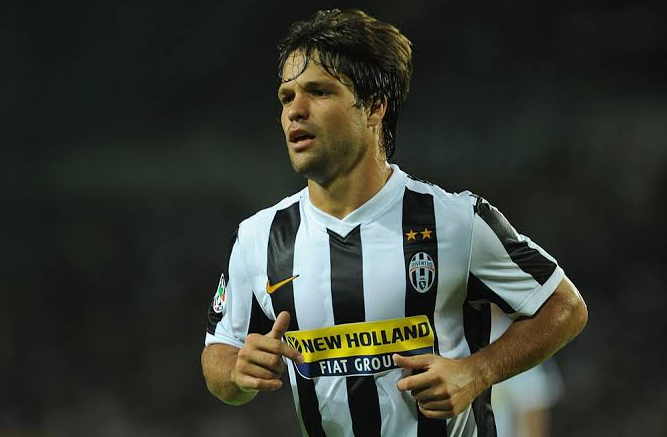
Brazilian playmaker Diego Ribas appeared destined for global superstardom when he emerged alongside Robinho at Santos.
He was a classic attacking midfielder: technically excellent, inventive around the penalty area and dangerous from free kicks.
After an inconsistent period with Porto, Diego became one of the Bundesliga’s biggest stars at Werder Bremen. Between 2006 and 2009, he produced goals, assists and spectacular individual moments while operating behind the striker.
A high-profile transfer to Juventus followed, but Diego arrived during a chaotic period for the Italian club. The team struggled, tactical systems changed and he was sold after only one season.
He later rebuilt his European career with Atlético Madrid. Diego helped the club win the 2012 Europa League and returned for the 2013/14 season, when Atlético won La Liga and reached the Champions League final.
He eventually returned to Brazil and enjoyed another successful period with Flamengo.
Diego’s career included major trophies and more than 600 senior appearances. Even so, his peak in Bremen is now rarely discussed outside Germany. During those years, he was one of Europe’s most entertaining number tens.
11. Nani
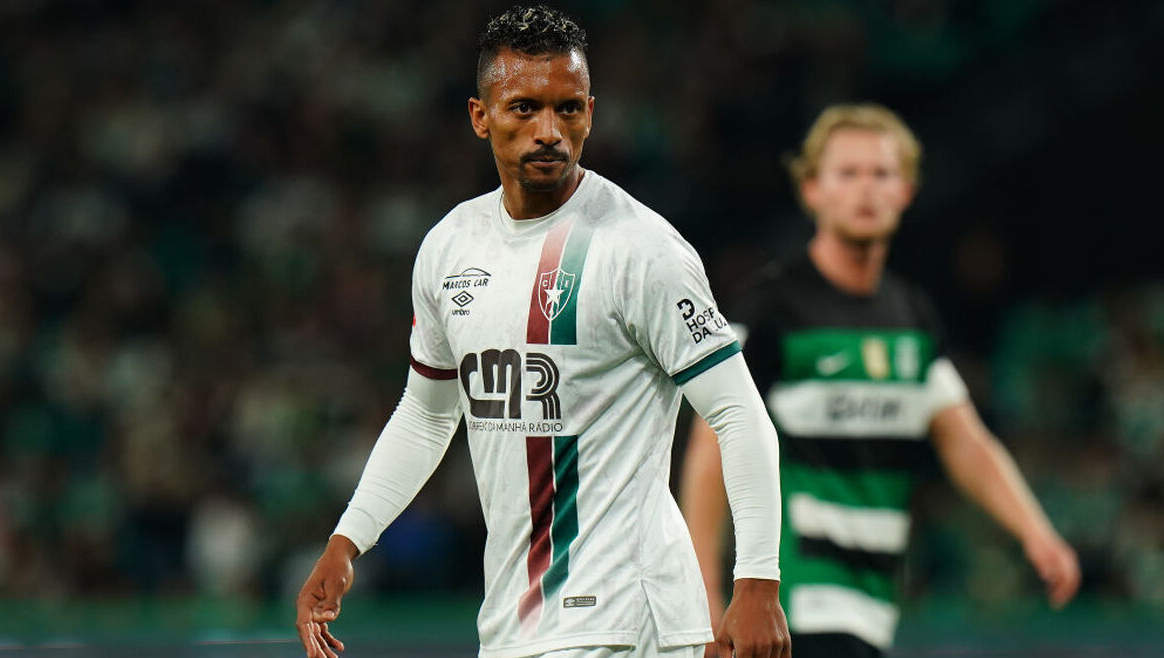
Nani’s career was constantly viewed in relation to Cristiano Ronaldo, which made it easy to overlook how good he was in his own right.
Like Ronaldo, Nani developed at Sporting CP before joining Manchester United. He possessed explosive acceleration, excellent technique and the confidence to shoot from almost anywhere.
He could be inconsistent, but his best performances were devastating. Nani was capable of beating a full-back on either side, creating chances with both feet and scoring spectacular long-range goals.
The 2010/11 season was probably his finest at club level. Nani became one of Manchester United’s main creative players as the team won the Premier League and reached the Champions League final.
Across his time at Old Trafford, he won four league titles, two League Cups and the Champions League.
Nani was also an important figure for Portugal. He earned more than 100 international caps and played a major role during the country’s victorious Euro 2016 campaign.
Being a talented Portuguese winger at Manchester United during Ronaldo’s era made comparisons inevitable. On his own terms, however, Nani had an excellent career and a peak that many modern wingers would envy.
12. Jérémy Ménez
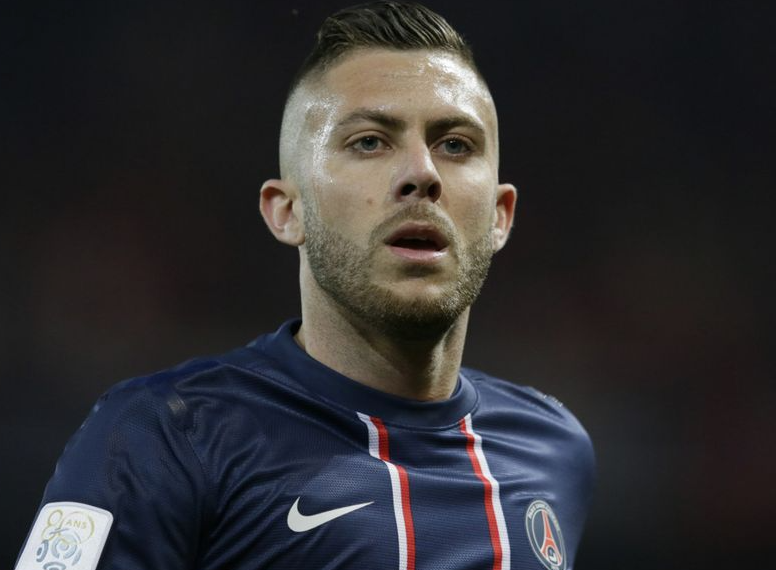
Jérémy Ménez was another member of France’s seemingly endless production line of gifted but unpredictable attackers.
He made his professional debut for Sochaux at only 16 and was immediately recognised as one of the country’s leading young talents.
Ménez later represented Monaco, Roma, Paris Saint-Germain and AC Milan. He could play on either wing, behind the striker or occasionally as a false nine.
At his best, he combined sharp acceleration with outstanding close control. Ménez was especially effective when receiving possession in the left half-space and driving directly toward goal.
His 2014/15 season at Milan demonstrated what he could do when given attacking responsibility. In a struggling team, Ménez scored 16 Serie A goals and produced several extraordinary finishes.
The most famous was an improvised backheel against Parma, executed while running away from the goal.
Unfortunately, injuries and inconsistency prevented Ménez from sustaining that level. His career eventually took him through Mexico, Turkey, France’s lower divisions and Italy’s Serie B.
Ménez never became the superstar predicted during his teenage years, but his highlights reveal a player of exceptional natural ability.
13. Matías Fernández
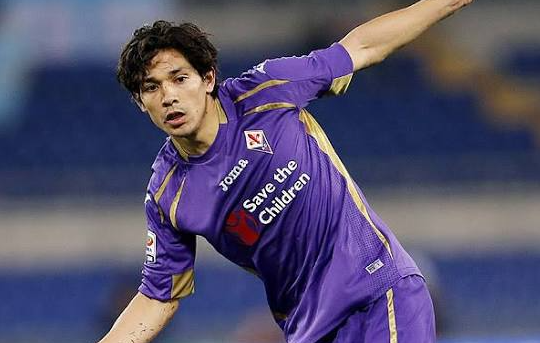
Matías Fernández was one of the great South American playmakers of the mid-2000s.
The Chilean became the central figure in an exciting Colo-Colo team and was named South American Footballer of the Year in 2006.
Fernández possessed superb close control, an imaginative passing range and exceptional ability from free kicks. He could operate as a traditional number ten or drift into wider areas to create combinations.
His performances earned him a move to Villarreal, where he joined a squad containing technically gifted players such as Juan Román Riquelme, Robert Pirès and Santi Cazorla.
Fernández never completely established himself in Spain, but remained a valuable creative player during later spells with Sporting CP and Fiorentina.
He also represented Chile at the 2010 World Cup and was part of the squad that won the 2015 Copa América, although injury ruled him out of the following year’s successful Copa América Centenario campaign.
European audiences never consistently saw the very best version of Fernández. Those who watched him at Colo-Colo, however, remember a player capable of controlling an entire attack.
14. Ibrahim Afellay
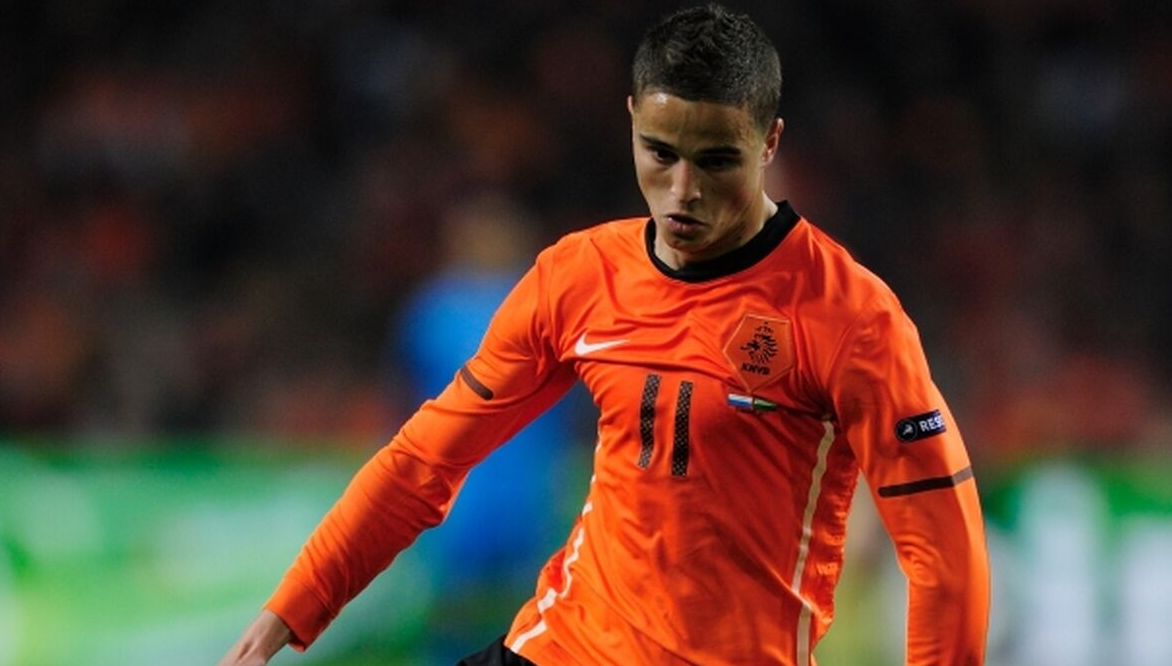
Before injuries changed the direction of his career, Ibrahim Afellay was one of the Netherlands’ most exciting young midfielders.
He developed at PSV Eindhoven and became a first-team regular while still a teenager. Afellay could carry the ball through midfield, create chances and shoot powerfully from distance.
He helped PSV win four consecutive Eredivisie titles and was named Dutch Young Player of the Year in 2007.
Barcelona signed him in January 2011. Although he was never expected to displace the club’s legendary midfield, Afellay appeared capable of becoming a useful and versatile member of Pep Guardiola’s squad.
He even provided the assist for Lionel Messi’s goal against Real Madrid in the first leg of the 2011 Champions League semi-final.
A serious anterior cruciate ligament injury suffered later that year changed everything. Afellay missed several months and struggled to recover his place. Loan spells with Schalke and Olympiacos followed before he eventually joined Stoke City.
Afellay still won major trophies and earned more than 50 caps for the Netherlands. His early PSV years, however, suggested that his career might become something much greater.
15. Giovani dos Santos
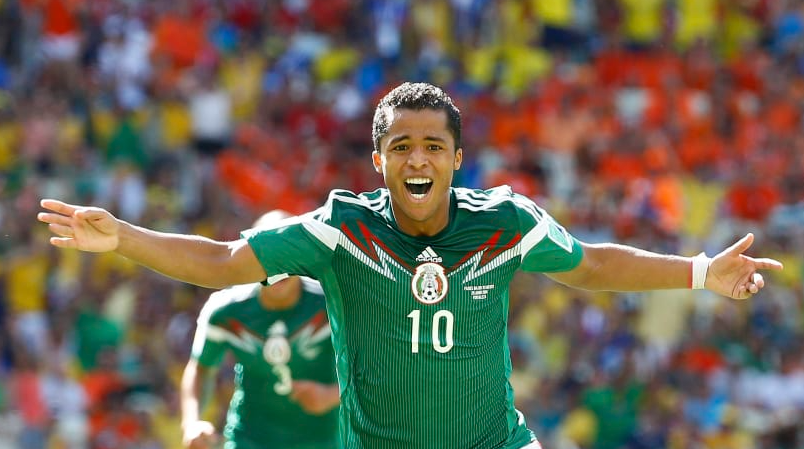
Giovani dos Santos was once considered one of the brightest talents in Barcelona’s academy.
The Mexican attacker made his first-team debut as a teenager and scored a hat-trick in his final La Liga appearance for the club.
Dos Santos was quick, technically creative and comfortable across several attacking positions. Barcelona’s comparisons with Lionel Messi were excessive, but the underlying talent was real.
He joined Tottenham Hotspur in 2008, yet never established himself under a succession of managers. Loan spells followed at Ipswich Town, Galatasaray and Racing Santander.
Dos Santos finally found greater stability in Spain with Mallorca and Villarreal. He later became one of Major League Soccer’s most recognisable players after joining LA Galaxy.
His best performances often came for Mexico rather than his clubs. Dos Santos won the 2005 Under-17 World Cup, an Olympic gold medal in 2012 and three CONCACAF Gold Cups.
His chipped goal against the United States in the 2011 Gold Cup final remains one of the finest goals in the competition’s history.
The club career never quite matched the teenage expectations, but Dos Santos produced enough moments to show why those expectations existed.
16. Ganso
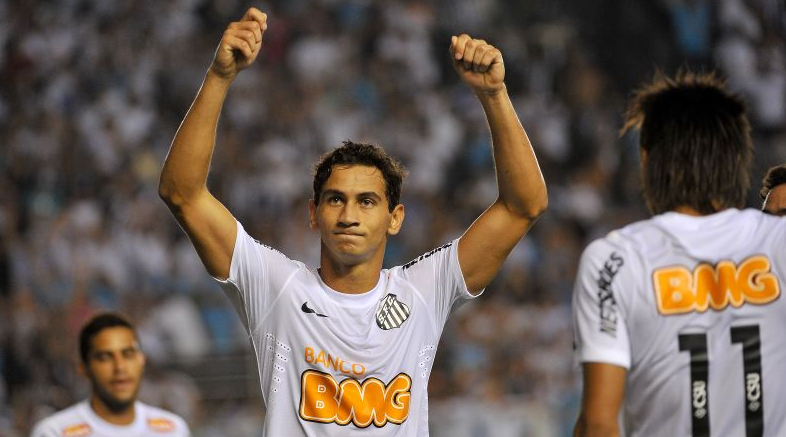
There was a time when Brazilian football debated whether Neymar or Ganso was the greater talent at Santos.
Neymar ultimately became a global superstar. Ganso followed a much stranger path.
The left-footed playmaker possessed wonderful vision and an ability to control the rhythm of a match. He did not rely on speed. Instead, he manipulated opponents with body positioning, disguised passes and an unusually calm relationship with the ball.
Together, Neymar and Ganso helped Santos win the 2011 Copa Libertadores. Ganso appeared to represent the future of Brazil’s traditional number-ten position.
Serious knee injuries interrupted his development. As football became faster and more physically demanding, questions also emerged about whether a slow, classical playmaker could succeed at the highest European level.
Ganso eventually moved from Santos to São Paulo before joining Sevilla in 2016. His period in Spain never developed as hoped, and a later loan to Amiens produced little improvement.
He returned to Brazil with Fluminense and once again became an influential creative midfielder.
Ganso was not a failed player. He simply belonged to a style of football that was gradually disappearing around him.
17. Sofiane Boufal
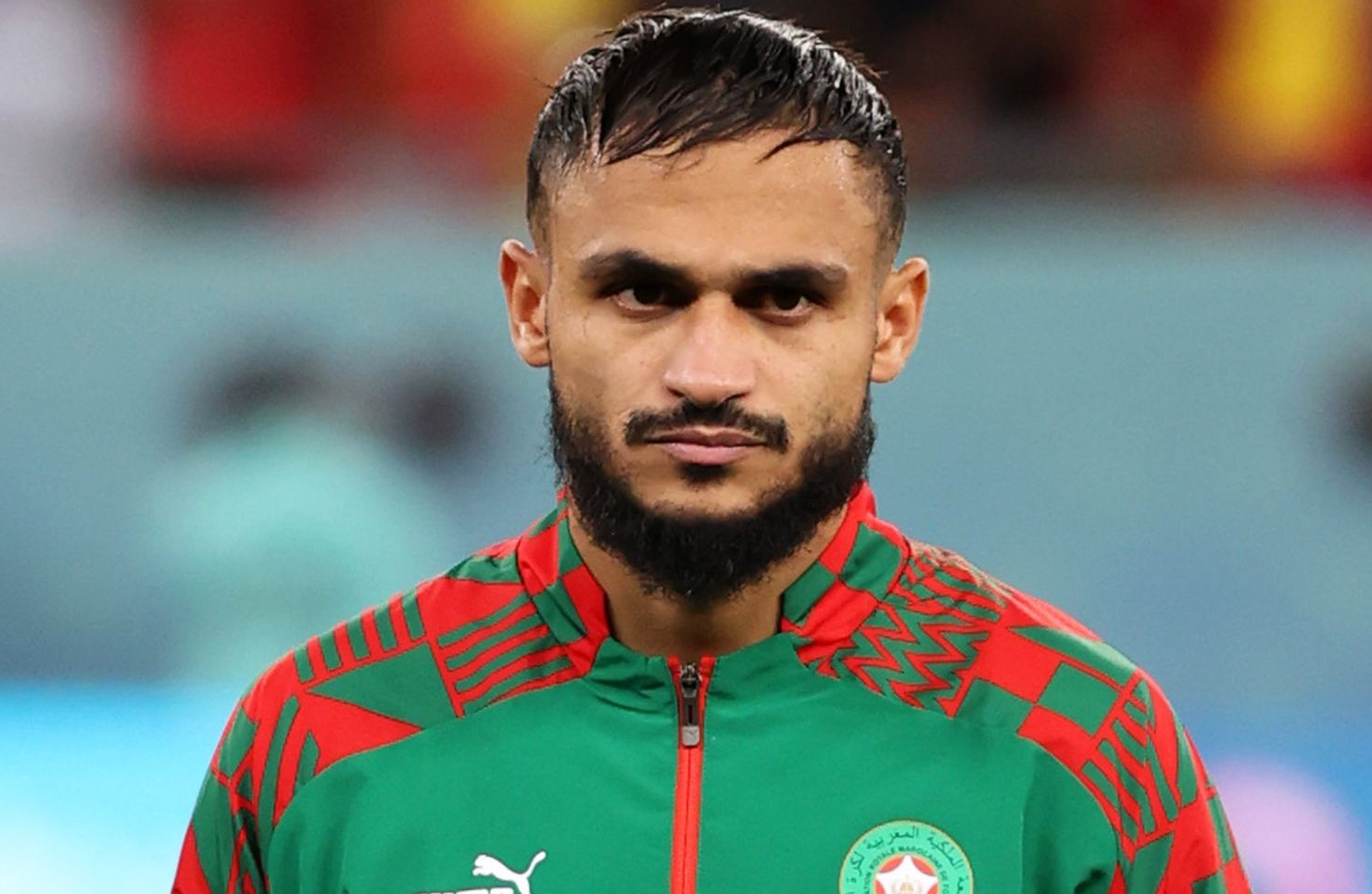
Sofiane Boufal’s Premier League career can largely be summarised by one unforgettable goal.
Playing for Southampton against West Bromwich Albion in October 2017, Boufal collected the ball inside his own half. He escaped one challenge, accelerated through midfield and continued toward goal as several defenders attempted to stop him.
He eventually entered the penalty area and finished calmly after carrying the ball for approximately 70 metres.
The strike was named the Premier League Goal of the Season.
Boufal was capable of producing that kind of individual brilliance because of his exceptional balance and close control. His changes of direction were sharp, and he appeared most dangerous when a structured attack broke down.
Before moving to England, he had been outstanding for Lille. Southampton signed him for a club-record fee in 2016, but he never became a consistent source of goals or assists.
A loan spell at Celta Vigo and later returns to France, Qatar and Belgium followed. He also helped Morocco reach the semi-finals of the 2022 World Cup.
Boufal’s career shows the difference between having elite individual ability and consistently influencing matches at the highest level.
18. Juan Carlos Valerón
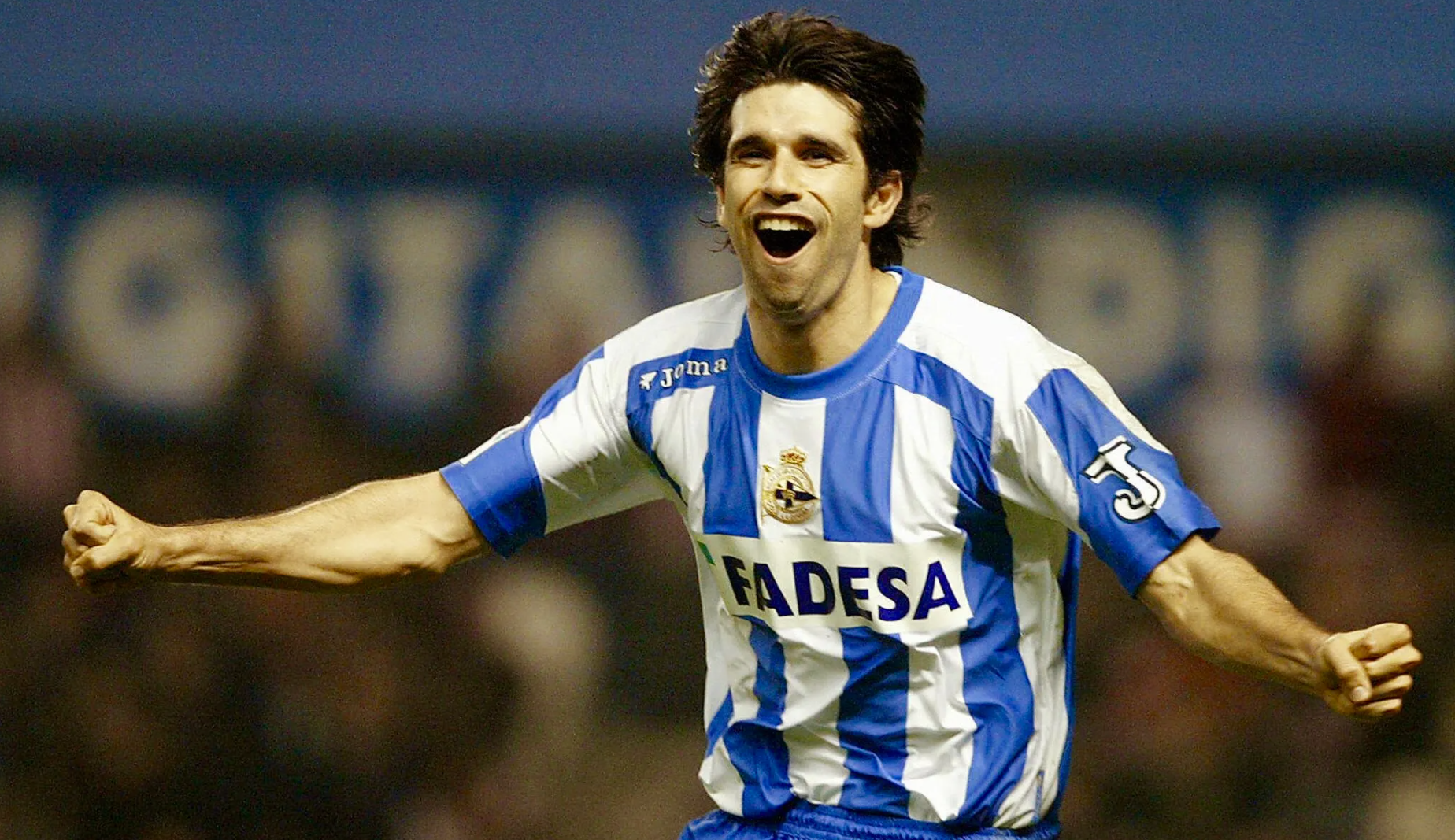
Juan Carlos Valerón belonged to an era when an attacking midfielder was allowed to slow the match down and wait for the perfect pass.
The Spaniard was not fast, physically dominant or particularly prolific. He did not need to be.
Valerón saw passing opportunities before most players had even recognised that space was available. His first touch created time, while his body movement frequently removed opponents without requiring a dribble.
After representing Las Palmas, Mallorca and Atlético Madrid, he joined Deportivo La Coruña in 2000.
Valerón became one of the central figures of the great Deportivo side that regularly challenged Spain’s biggest clubs and competed deep into the Champions League.
He was part of the team that won the 2002 Copa del Rey final against Real Madrid at the Santiago Bernabéu, a match remembered as the Centenariazo. Deportivo also reached the Champions League semi-finals in 2004.
Serious knee injuries reduced Valerón’s influence later in his career, but he continued playing until the age of 40.
La Liga itself described him as a player with an innate ability to see impossible passes. That is probably the most accurate summary of his football.
19. Marko Marin
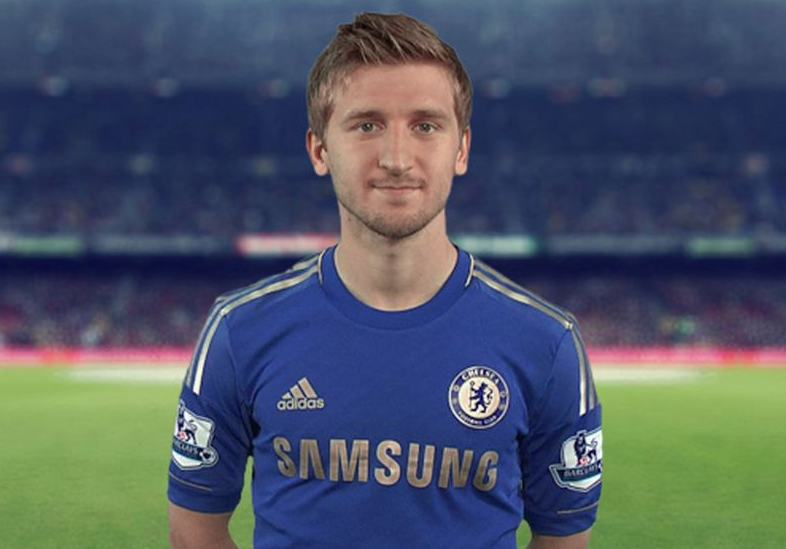
Marko Marin was known as the “German Messi” before the phrase became attached to almost every small, technically gifted young player.
The comparison was unfair, but Marin was genuinely exciting.
He emerged at Borussia Mönchengladbach as a quick, creative winger with excellent close control. He could receive the ball near the touchline, turn inside and eliminate defenders through rapid changes of direction.
Marin joined Werder Bremen in 2009 and formed part of an entertaining attacking team alongside Mesut Özil, Aaron Hunt and Claudio Pizarro.
His performances earned him a move to Chelsea in 2012. However, he made only a handful of league appearances for the London club and spent most of his contract moving between loan spells.
Marin represented Sevilla, Fiorentina, Anderlecht and Trabzonspor before rebuilding his career with Olympiacos and Red Star Belgrade. He was named the best player in the Serbian league during his time with Red Star.
The Chelsea years created the impression that Marin had disappeared completely. In reality, he remained productive elsewhere and eventually moved into a senior executive role at Red Star.
His Bundesliga peak deserves to be remembered separately from the transfer that went wrong.
20. Bryan Ruiz
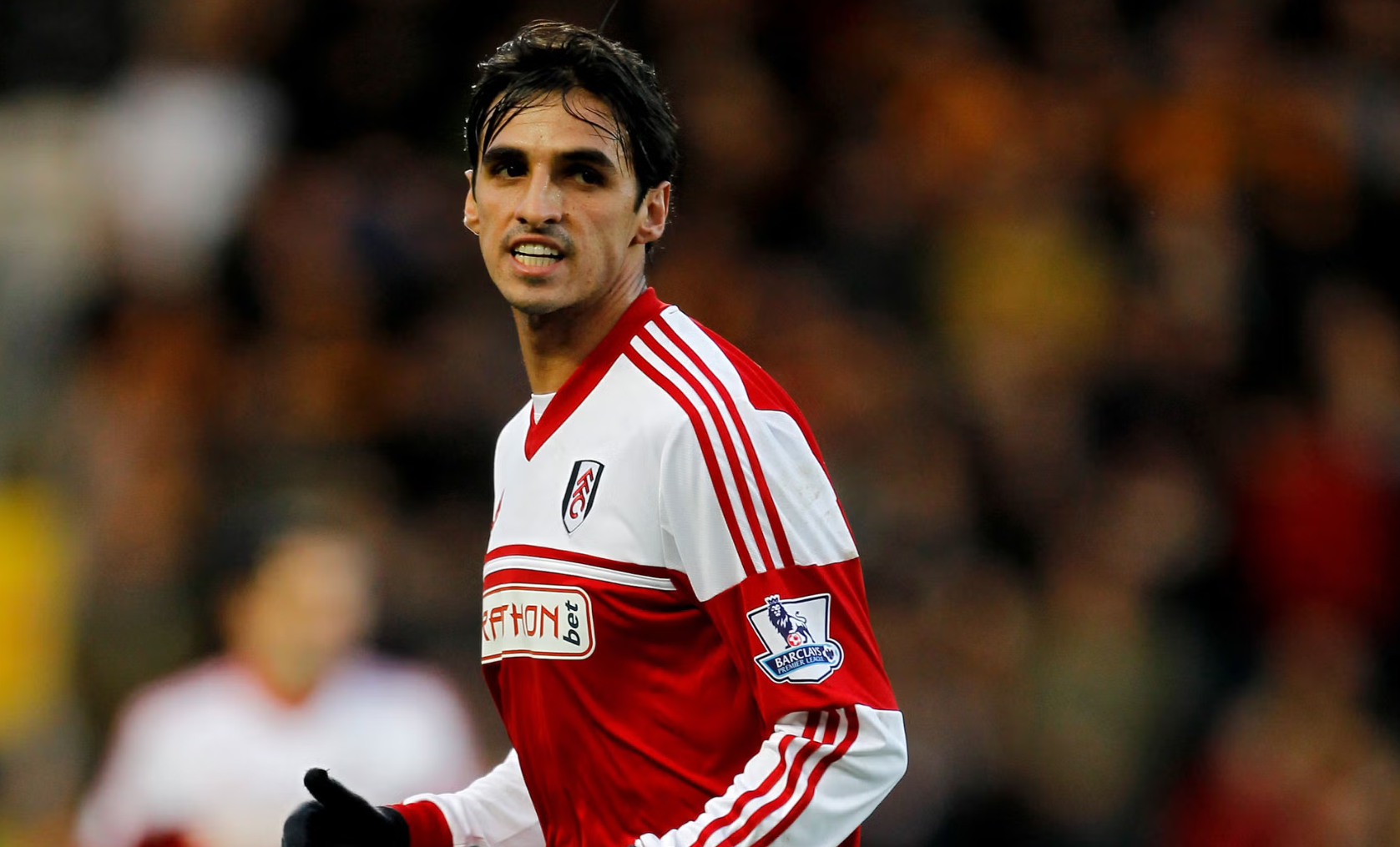
Bryan Ruiz was one of those players whose technique was obvious but whose tempo did not always suit the Premier League.
The Costa Rican attacker was tall, left-footed and remarkably composed in possession. He rarely appeared to be moving at maximum speed, yet he could produce delicate finishes, clever passes and unexpected pieces of skill.
Ruiz’s finest club period came with FC Twente. He scored 35 league goals across two seasons and helped the club win the first Eredivisie title in its history in 2010.
Fulham signed him the following year. His time in England was inconsistent, but it included several moments of genuine quality.
The most memorable was an extraordinary chipped finish against Everton. Ruiz shaped as though he would shoot conventionally before lifting the ball over goalkeeper Tim Howard with almost no backlift.
He later played for PSV, Sporting CP and Santos before returning to Alajuelense in Costa Rica.
Ruiz’s international career was even more significant. As captain, he helped Costa Rica reach the quarter-finals of the 2014 World Cup, scoring decisive goals against Italy and Greece.
He was never a Premier League superstar, but in the right tactical environment, Ruiz was a wonderfully intelligent and elegant attacker.
What Made These Footballers So Memorable?
The players on this list did not all have the same kind of career.
Some, including Nani, Quaresma and Diego, won major trophies and represented some of the biggest clubs in Europe. Others experienced only one or two seasons in which everything appeared to work perfectly.
What connected them was their ability to make football feel spontaneous.
They attempted passes that coaches could not easily plan. They dribbled into areas that most players would avoid. They took risks and occasionally appeared more interested in entertaining the crowd than protecting possession statistics.
That approach could be frustrating. It also made them memorable.
Modern tactical systems have not eliminated individual creativity, but they have made it increasingly difficult for unreliable luxury players to survive at the highest level. Every attacking player is now expected to press, maintain positional discipline and contribute without the ball.
Many of the footballers on this list might have struggled with those demands.
Give them possession, space and the freedom to improvise, however, and they could produce something unforgettable.
They might not all be remembered as legends.
But they were absolute ballers.
Enjoyed this? Put your football knowledge to the test.
Play Guessballer →