
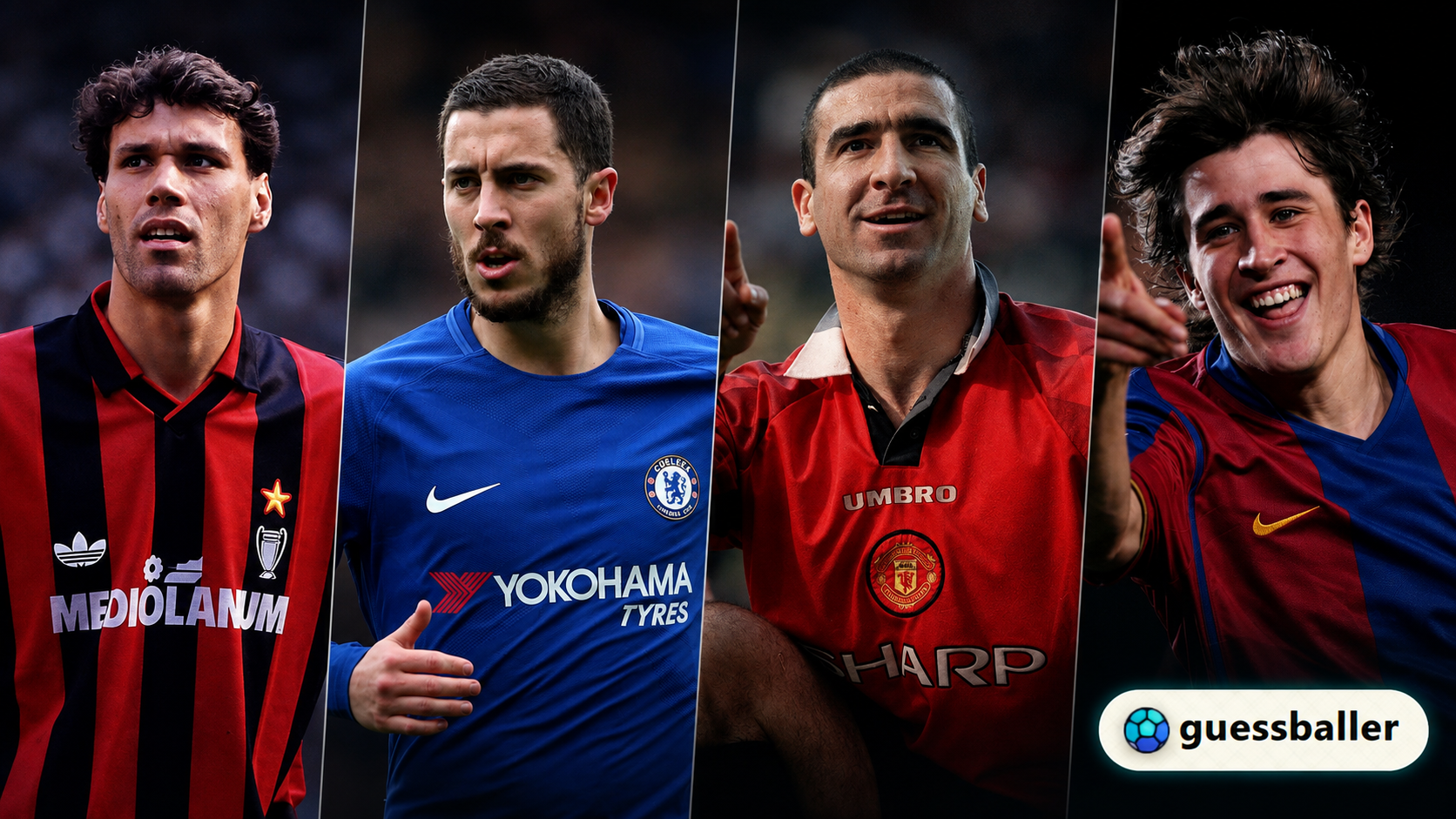
Football careers are lasting longer than ever.
Modern training methods, improved recovery programmes and better medical care allow many players to continue competing well into their late thirties. Cristiano Ronaldo, Luka Modrić and several other major stars have shown that turning 35 no longer has to mean the end.
That makes it even more surprising when a famous footballer disappears from the professional game shortly after turning 30 — or sometimes several years before reaching that age.
Some of the players on this list had no choice. Serious injuries, heart conditions and long-term physical problems made continuing too dangerous.
Others voluntarily walked away. They had lost their passion for the sport, grown tired of the pressure or simply decided that there was more to life than professional football.
The list is arranged primarily by the significance and recognition of each player, rather than only by retirement age.
Here are 20 famous footballers who retired much earlier than many supporters remember.
1. Marco van Basten – Retired at 30
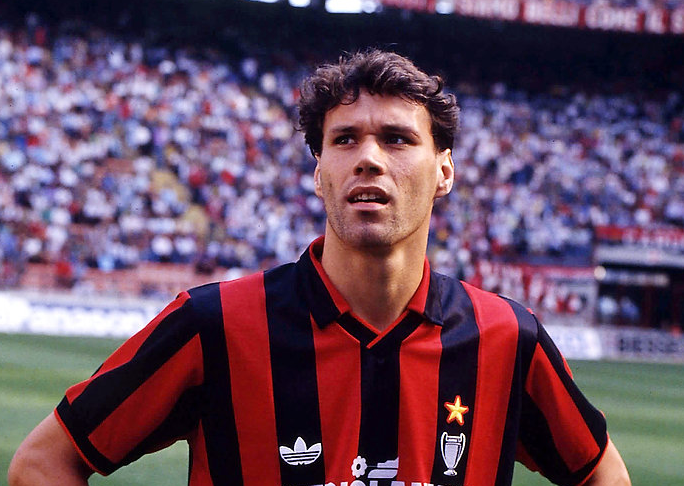
Marco van Basten did not gradually decline before retiring. His body simply took one of the greatest strikers in football history away from the game.
The Dutchman won three Ballon d’Or awards, three Serie A titles and two European Cups during his spectacular period with AC Milan.
He also produced one of international football’s most famous goals, scoring an extraordinary volley against the Soviet Union in the Euro 1988 final as the Netherlands won their first major tournament.
Van Basten combined technical elegance with ruthless finishing. He was comfortable scoring with either foot, in the air or from seemingly impossible angles.
Persistent damage to his right ankle eventually made playing unbearable. He underwent several operations, but the treatments could not provide a permanent solution.
Van Basten played his final competitive match for Milan in the 1993 European Cup final against Marseille. He was only 28 at the time.
After spending two years attempting to return, he formally announced his retirement in 1995 at the age of 30.
Van Basten had already scored more than 300 senior goals. Had his ankle survived, his name might appear even higher in discussions about the greatest centre-forwards in football history.
2. Eden Hazard – Retired at 32
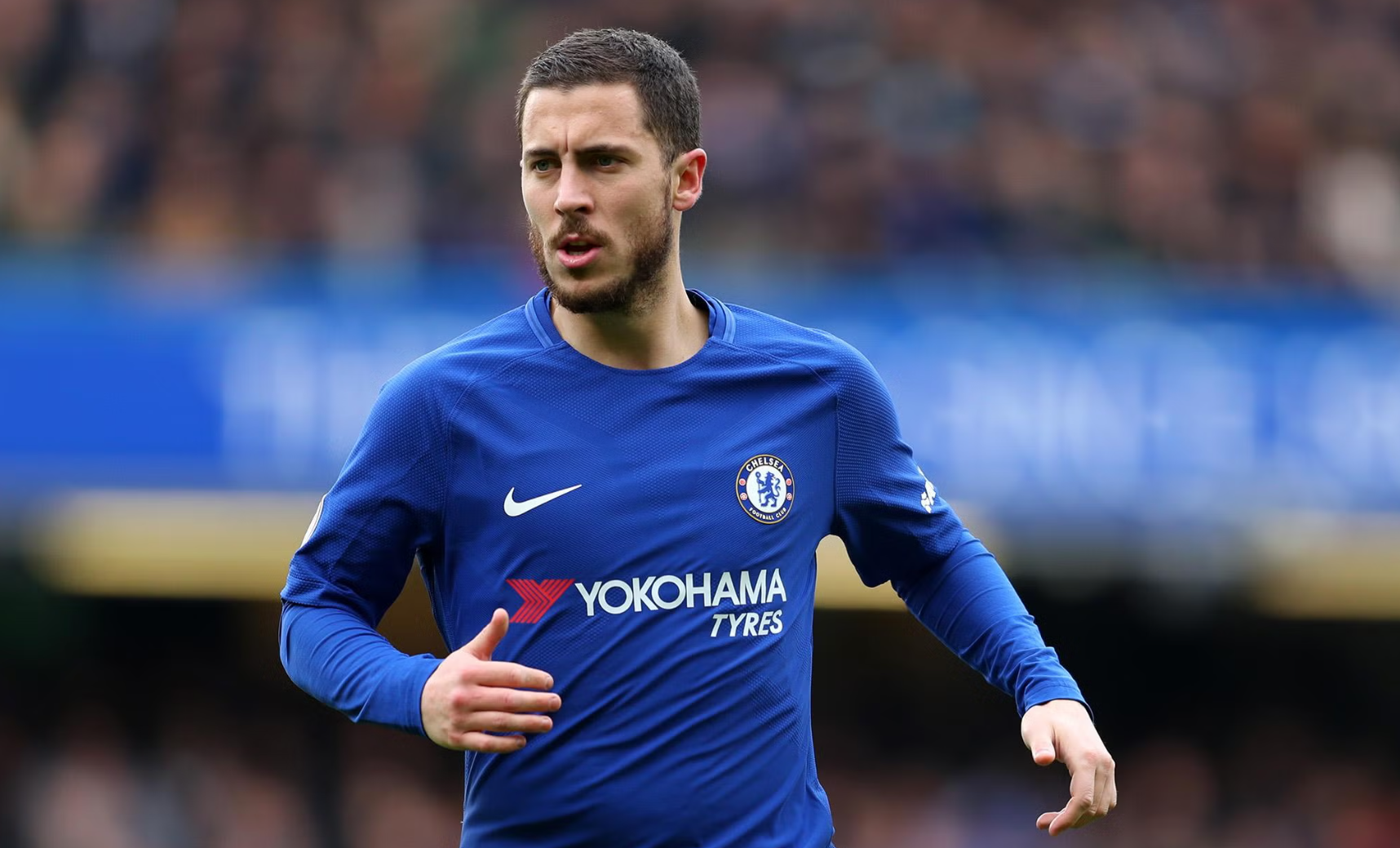
Eden Hazard went from being one of the best footballers in the world to retirement within four years of leaving Chelsea.
During seven seasons at Stamford Bridge, the Belgian became one of the Premier League’s defining players.
Hazard made 352 appearances for Chelsea, scored 110 goals and won two Premier League titles, two Europa Leagues, the FA Cup and the League Cup. He was named Chelsea’s Player of the Year four times.
His low centre of gravity, acceleration and close control allowed him to glide between defenders. Hazard could create chances, score spectacular goals and control major matches without playing like a conventional goalscorer.
Real Madrid signed him in 2019, expecting him to become one of the central figures of the club’s post-Cristiano Ronaldo era.
Instead, injuries repeatedly interrupted his progress. Hazard was never able to establish a consistent rhythm in Spain and made only 54 La Liga appearances across four seasons.
After leaving Madrid in 2023, he could have continued at a lower level or in a less demanding league. Instead, Hazard announced his retirement at only 32.
His Chelsea career was already great. Nevertheless, the speed with which he disappeared from elite football remains difficult to believe.
3. Eric Cantona – Retired at 30
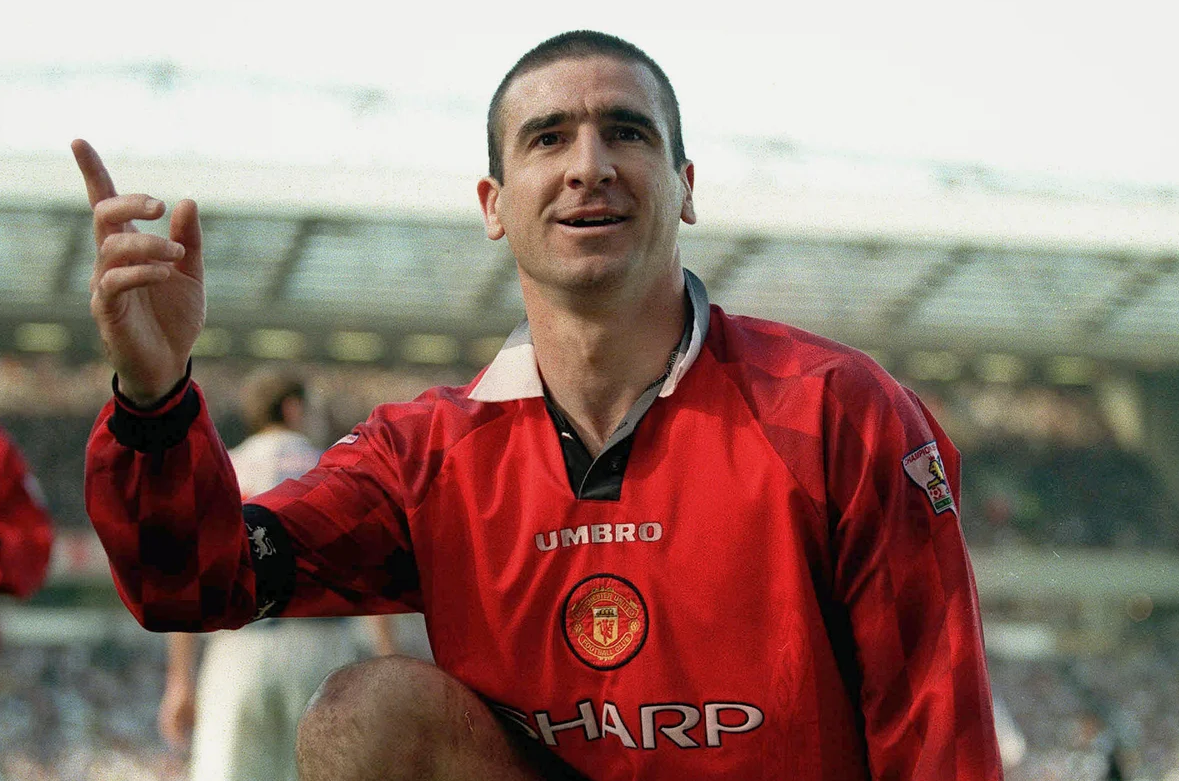
Eric Cantona retired while he was still the captain and most influential player at Manchester United.
The French forward joined United from Leeds in November 1992. His arrival helped transform Alex Ferguson’s developing team into the dominant force of early Premier League football.
Cantona possessed technical quality, creativity and an almost theatrical level of confidence. More importantly, he delivered in decisive moments.
Manchester United won four Premier League titles and two FA Cups during his five seasons at Old Trafford.
Cantona missed much of the 1994/95 campaign after his infamous confrontation with a Crystal Palace supporter, but returned to lead United to another league and cup double the following season.
In 1996/97, he captained United to another Premier League title. He was still one of the team’s most important players and appeared capable of remaining at the highest level for several more years.
Then, in May 1997, Cantona unexpectedly announced his retirement.
He was only 30.
There was no career-ending injury and no long decline. Cantona simply believed that it was the correct moment to stop. He moved into acting, directing and other creative projects and resisted opportunities to make a professional comeback.
4. Raphaël Varane – Retired at 31
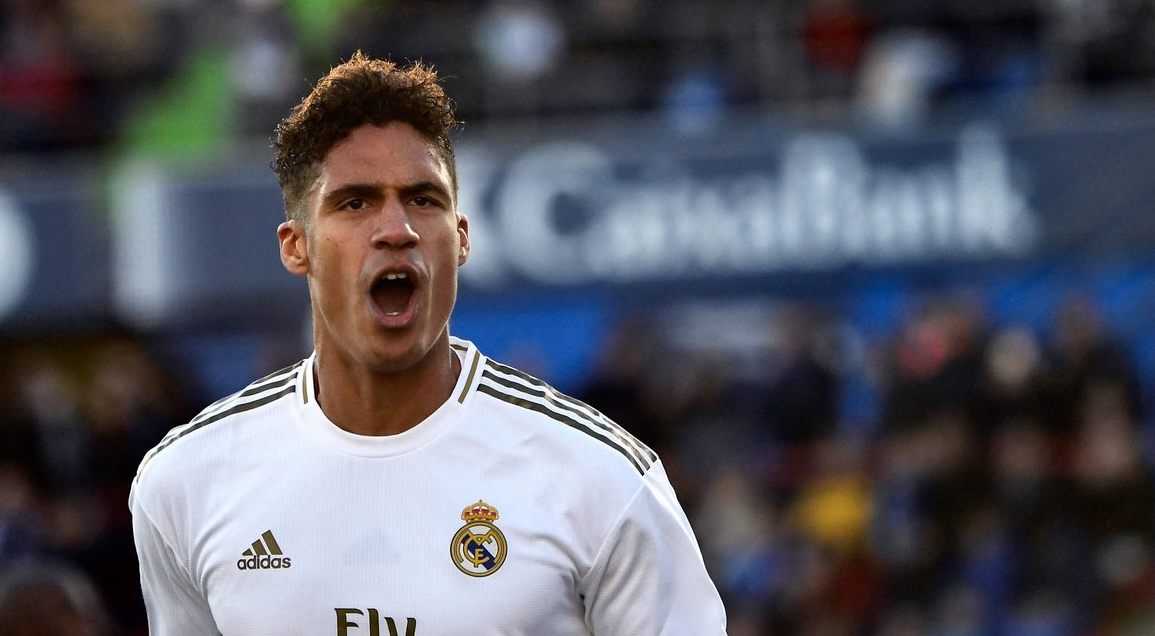
Raphaël Varane had already achieved almost everything possible in football when his career ended at 31.
The French centre-back joined Real Madrid from Lens as a teenager. Over the following decade, he made 360 appearances for the Spanish club.
Varane won four Champions League trophies, three La Liga titles and numerous other honours with Madrid.
He was also a crucial member of France’s 2018 World Cup-winning team and later helped his country reach another final in 2022.
Varane moved to Manchester United in 2021. Although injuries affected his availability, he contributed to the club’s League Cup and FA Cup victories.
After leaving England in 2024, Varane signed for newly promoted Serie A side Como. The move was supposed to begin a new stage of his career.
It lasted only one competitive appearance.
Varane suffered a serious knee injury on his Como debut. In September 2024, he announced that he would retire rather than attempt another long recovery.
The defender had also spoken publicly about the lasting effect of concussions suffered during his career.
Varane walked away with an extraordinary collection of trophies, but retiring at 31 still felt premature for a defender of his quality and experience.
5. Bojan Krkić – Retired at 32
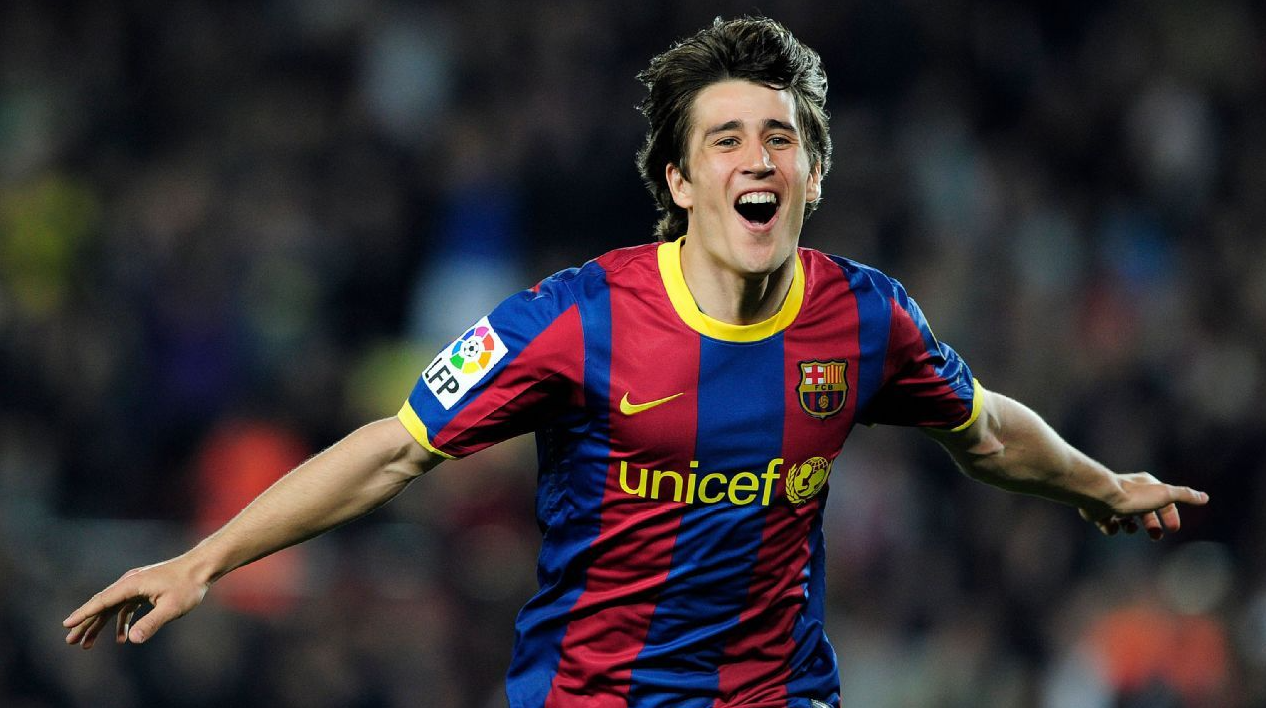
Bojan Krkić was once expected to become one of the greatest graduates in Barcelona’s history.
The forward scored an extraordinary 423 goals within the club’s youth system. He made his senior debut during the 2007/08 season and became Barcelona’s youngest La Liga goalscorer at the time.
Bojan was only 17, but immediately appeared comfortable in a team containing Lionel Messi, Thierry Henry, Samuel Eto’o, Xavi and Andrés Iniesta.
He made 48 appearances and scored 12 goals during his first senior season. Bojan later became the youngest player to reach 100 first-team appearances for Barcelona.
However, the expectations surrounding him became extremely difficult to fulfil.
After leaving Barcelona, Bojan represented Roma, AC Milan, Ajax, Stoke City, Mainz, Alavés, CF Montréal and Vissel Kobe.
There were periods of quality, particularly at Stoke, but he never became the global superstar predicted during his teenage years.
Bojan retired in March 2023 at the age of 32, ending a career that had included 14 major trophies.
He achieved far more than most professional footballers. Even so, it remains surprising that a player who had been introduced to the world so young was already retired while many members of his generation were still competing at the highest level.
6. André Schürrle – Retired at 29
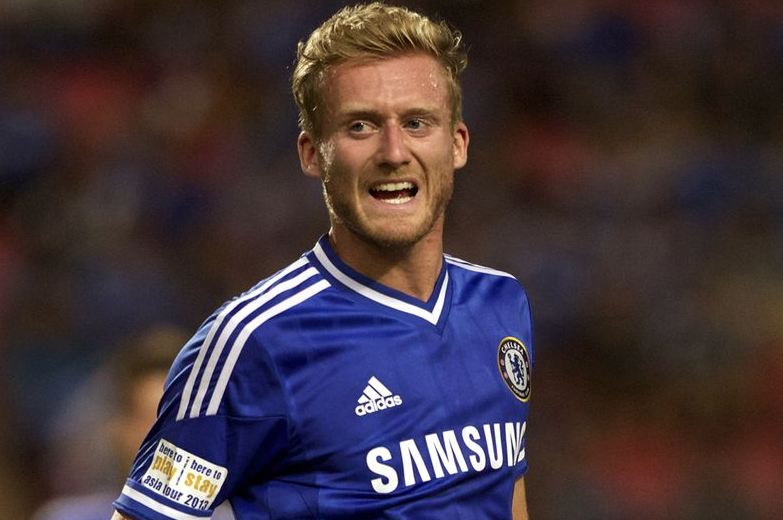
André Schürrle retired only six years after providing the assist that won Germany the World Cup.
The winger played for Mainz, Bayer Leverkusen, Chelsea, Wolfsburg, Borussia Dortmund, Fulham and Spartak Moscow.
Schürrle was at his best in transition. His pace, direct running and ability to shoot from distance made him particularly dangerous when attacking teams left space behind their defence.
His greatest moment came in the 2014 World Cup final against Argentina.
During extra time, Schürrle carried the ball down the left wing and crossed for Mario Götze, who controlled it on his chest and scored the winning goal.
Schürrle later won the Premier League with Chelsea and the German Cup with both Wolfsburg and Dortmund.
His final seasons became increasingly difficult. Injuries, inconsistent performances and unsuccessful loan spells reduced his role at club level.
After terminating his Borussia Dortmund contract in July 2020, Schürrle unexpectedly announced his retirement.
He was only 29.
Schürrle explained that the loneliness, pressure and constant competition within professional football had affected him. He was physically capable of finding another club, but no longer wanted the life that came with it.
7. Jack Wilshere – Retired at 30
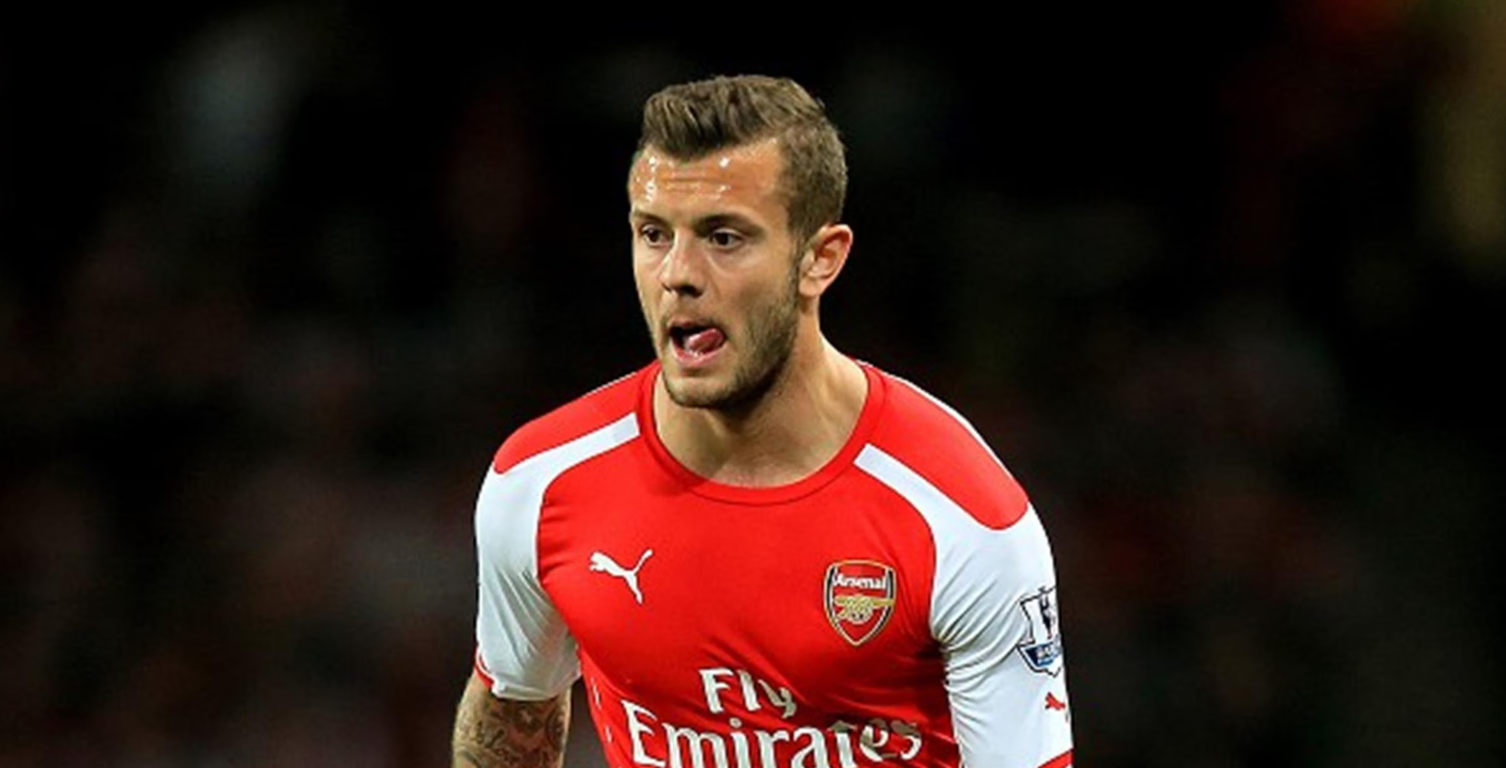
Jack Wilshere was still a teenager when he appeared capable of becoming one of England’s finest midfielders.
The Arsenal academy graduate made his Premier League debut at 16. During the 2010/11 season, he established himself as a regular in Arsène Wenger’s midfield.
Wilshere’s famous Champions League performance against Barcelona appeared to confirm his enormous potential. Playing against Xavi, Andrés Iniesta and Sergio Busquets, the young Englishman looked technically comfortable at the highest level.
He was named PFA Young Player of the Year and selected for the Premier League Team of the Season.
Then the injuries began.
Problems involving Wilshere’s ankles, feet, legs and knees repeatedly interrupted his career. He missed the entire 2011/12 season and rarely completed a full campaign without a significant absence.
After leaving Arsenal, Wilshere represented West Ham, Bournemouth and Danish club AGF.
When his contract in Denmark ended, suitable offers were limited. Wilshere announced his retirement in July 2022 at the age of 30.
He immediately moved into coaching with Arsenal’s under-18 team.
Wilshere still made 34 appearances for England, but his career never approached the trajectory suggested by his extraordinary breakthrough.
8. Hidetoshi Nakata – Retired at 29
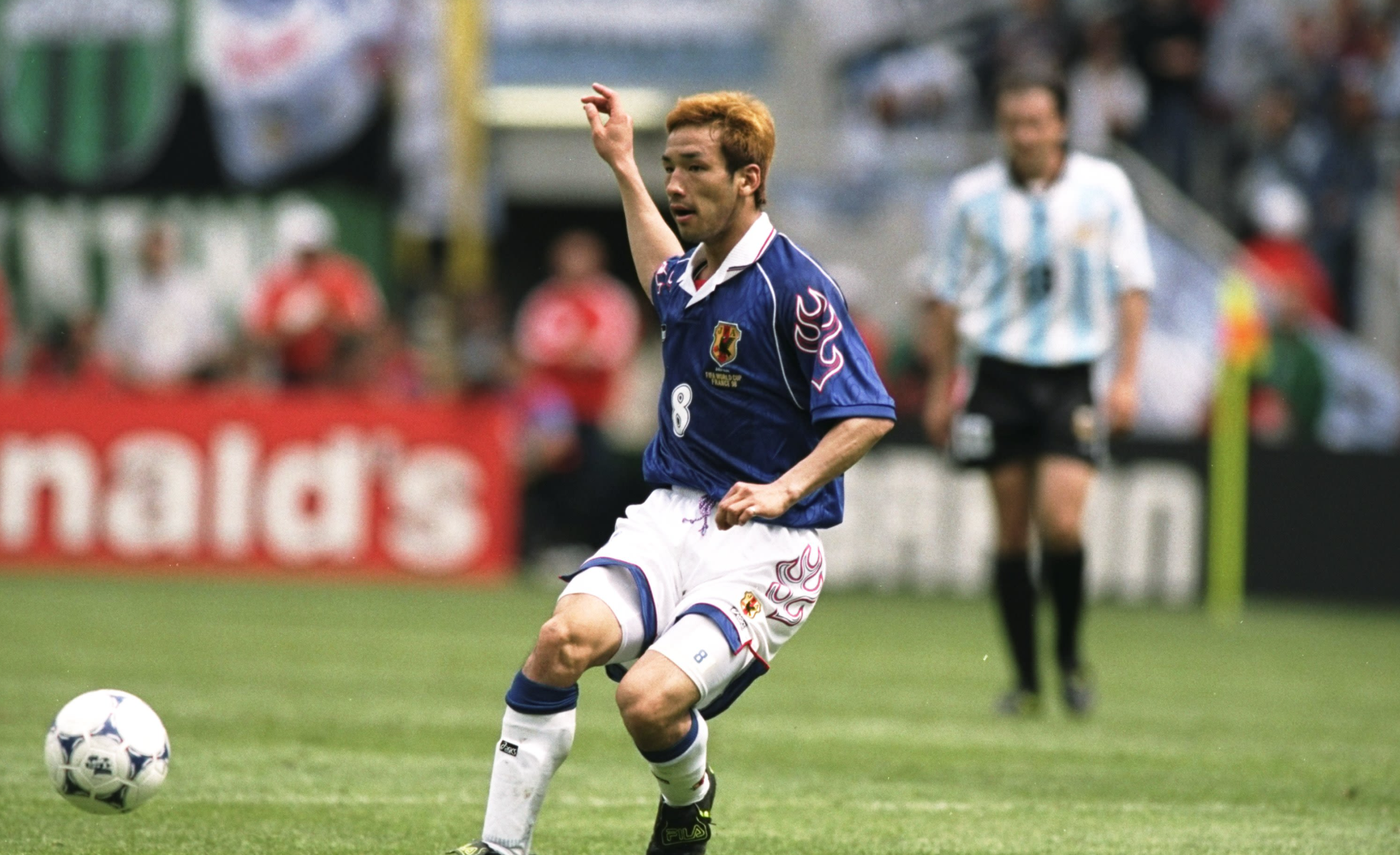
Hidetoshi Nakata retired immediately after representing Japan at the 2006 World Cup.
The midfielder was one of the first Asian footballers to become a genuine star in one of Europe’s strongest leagues.
Nakata moved to Italy following the 1998 World Cup and represented Perugia, Roma, Parma, Bologna and Fiorentina.
He won Serie A with Roma in 2001 and the Coppa Italia with Parma the following season. His final club campaign was spent on loan at Bolton Wanderers in the Premier League.
Nakata was still one of Japan’s most important and recognisable players when he travelled to the 2006 World Cup in Germany.
After Japan’s elimination, he lay alone on the pitch following a 4–1 defeat to Brazil. Less than two weeks later, he announced that he had played his final professional match.
Nakata was only 29.
The decision was not primarily caused by one catastrophic injury. Nakata had become disillusioned with the commercial and business-focused environment surrounding professional football.
After retiring, he travelled around the world and later became involved in projects promoting Japanese culture and traditional industries.
Few major players have voluntarily left football so suddenly while still representing their country at a World Cup.
9. Just Fontaine – Retired at 28
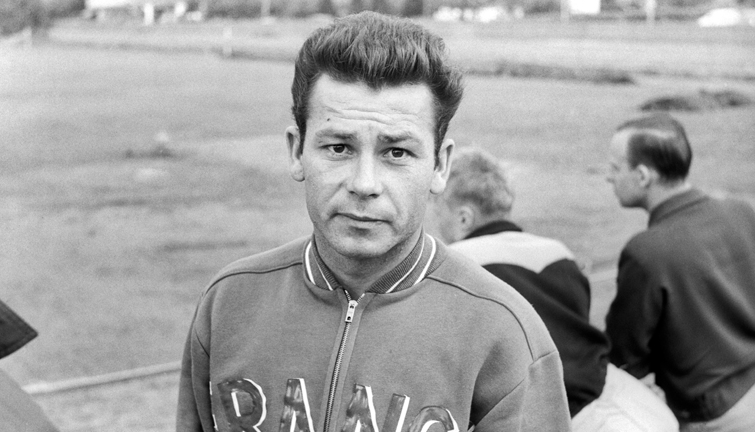
Just Fontaine holds a World Cup record that may never be broken.
The French striker scored 13 goals in only six matches during the 1958 tournament in Sweden.
No other player has scored as many goals at a single World Cup.
Fontaine scored in every match France played and finished the tournament six goals ahead of the next-highest scorer. His performances helped France secure third place.
At club level, Fontaine was similarly productive for Nice and Reims. He won several French league titles and reached the 1959 European Cup final.
Fontaine appeared capable of challenging almost every major goalscoring record available to him.
A succession of serious leg injuries changed everything.
He suffered repeated fractures and attempted several comebacks, but his body could no longer withstand professional football.
Fontaine played his final match in 1962 and retired shortly before turning 29.
He finished his international career with 30 goals in just 21 appearances for France.
Considering that many modern strikers enter their statistical peak around the age Fontaine retired, his achievements become even more remarkable.
10. Ledley King – Retired at 31
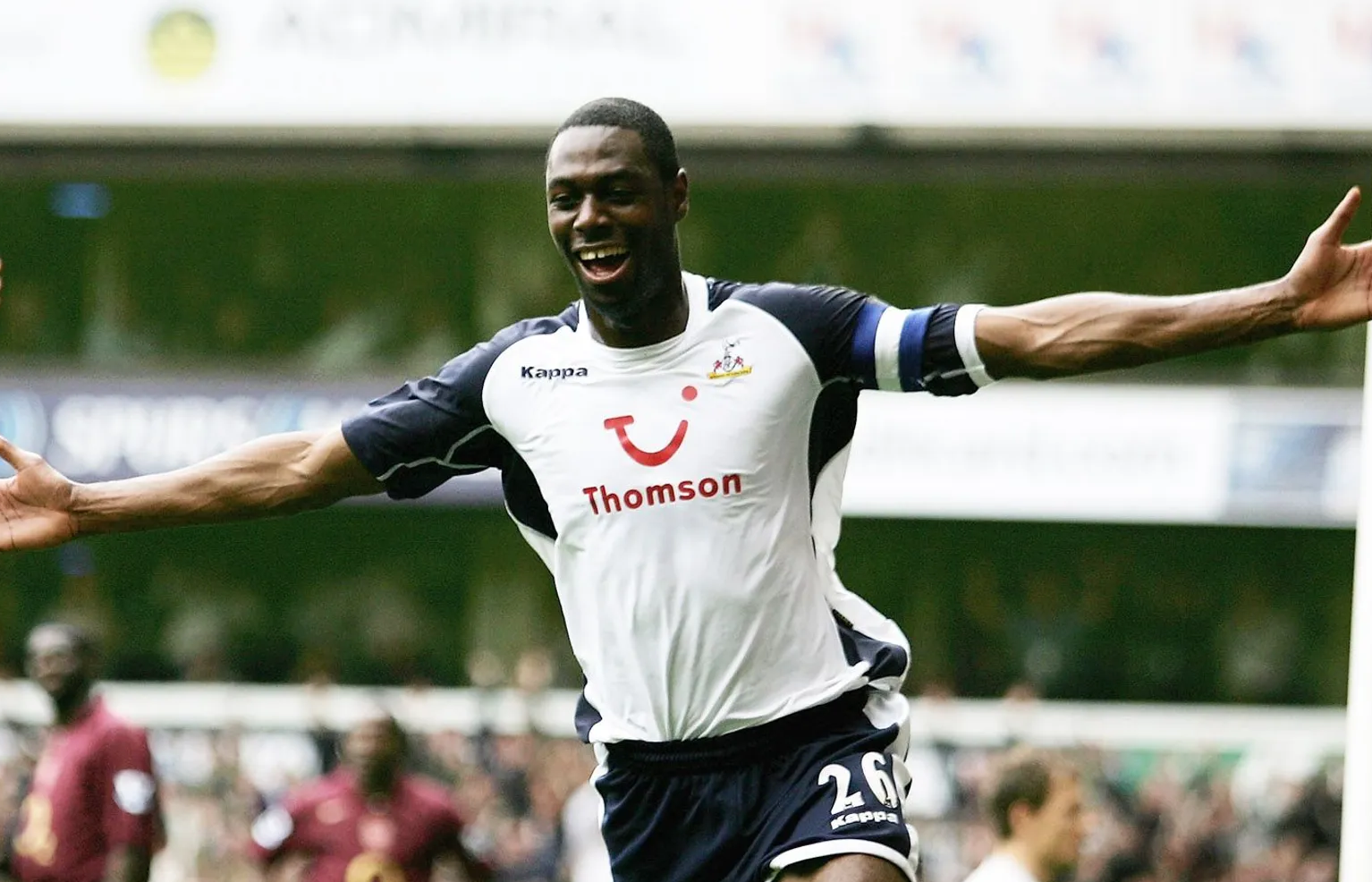
Ledley King spent his entire professional club career with Tottenham Hotspur.
At his best, King was considered one of the Premier League’s most naturally gifted central defenders. He possessed pace, composure and exceptional positional awareness.
His body, however, made a conventional professional career almost impossible.
Chronic knee problems meant King was frequently unable to train with the rest of Tottenham’s squad. He would spend much of the week completing individual fitness work before appearing in a Premier League match at the weekend.
Despite his limited preparation, King regularly performed against elite opponents.
He captained Tottenham, lifted the 2008 League Cup and earned 21 senior caps for England.
Eventually, the condition of his knee made continuing impossible. King announced his retirement in July 2012 at the age of 31.
He remained with Tottenham as a club ambassador and later joined the first-team coaching staff.
King made more than 300 appearances for Spurs, but there is little doubt that his total — and his place within English football — would have been even greater without the chronic injury.
11. Daniel Agger – Retired at 31
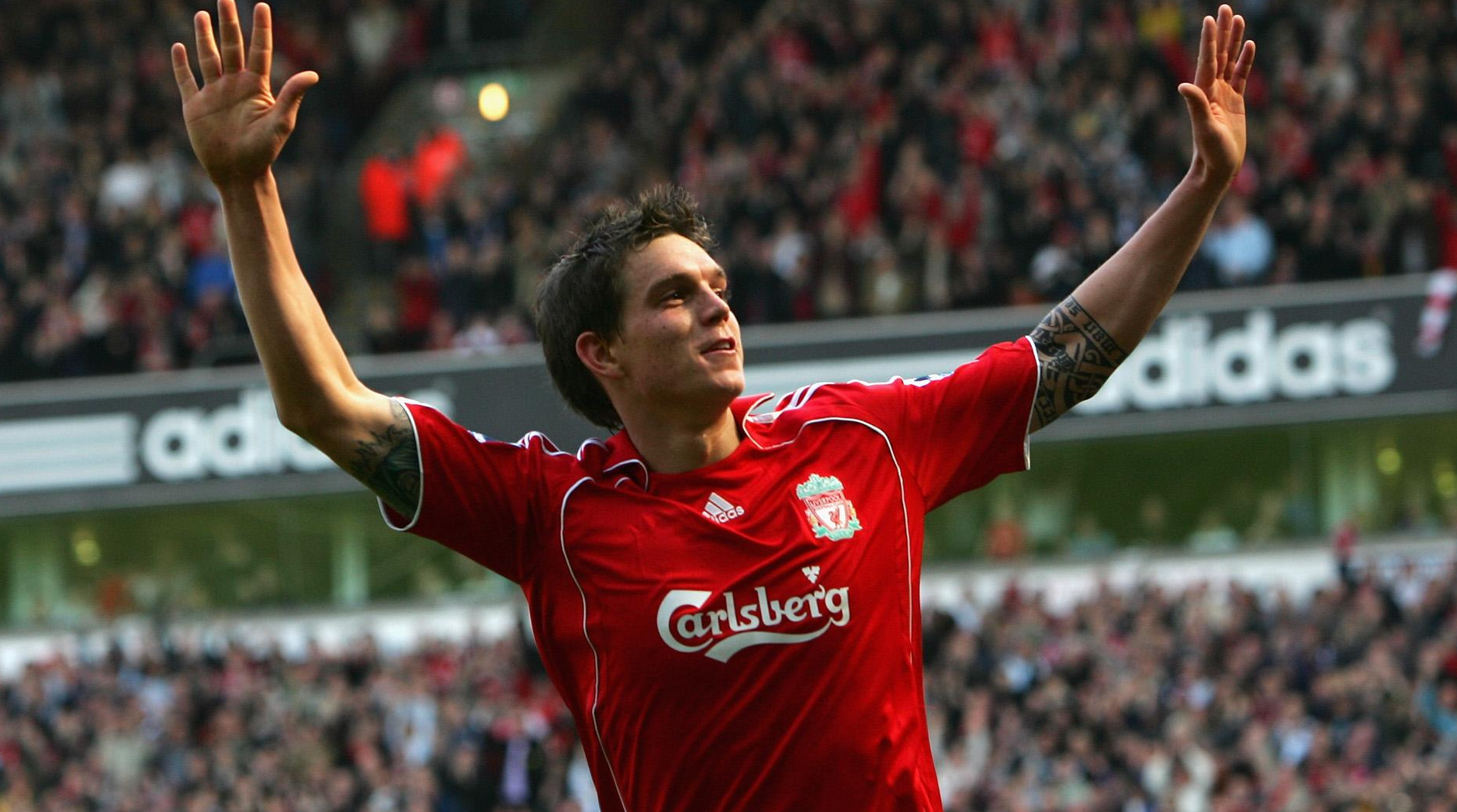
Daniel Agger retired at 31 after years of injuries prevented him from playing consistently.
The Danish centre-back joined Liverpool from Brøndby in January 2006.
Agger was an unusually elegant defender. He was comfortable carrying the ball out of defence, could distribute possession with his left foot and possessed an outstanding long-range shot.
He made 232 appearances for Liverpool and helped the club reach the 2007 Champions League final. He also won the League Cup in 2012.
Agger became a popular figure among Liverpool supporters because of his commitment to the club and his composed playing style. The “YNWA” tattoo across his knuckles strengthened that connection.
Unfortunately, his career was repeatedly interrupted by physical problems. Agger suffered injuries involving his back, knees, ribs and muscles.
He returned to Brøndby in 2014, hoping that a less demanding environment might help extend his career.
Two years later, Agger decided that his body could no longer meet the requirements of professional football.
He retired in June 2016 at only 31, having also earned 71 caps for Denmark.
12. Sebastian Deisler – Retired at 27
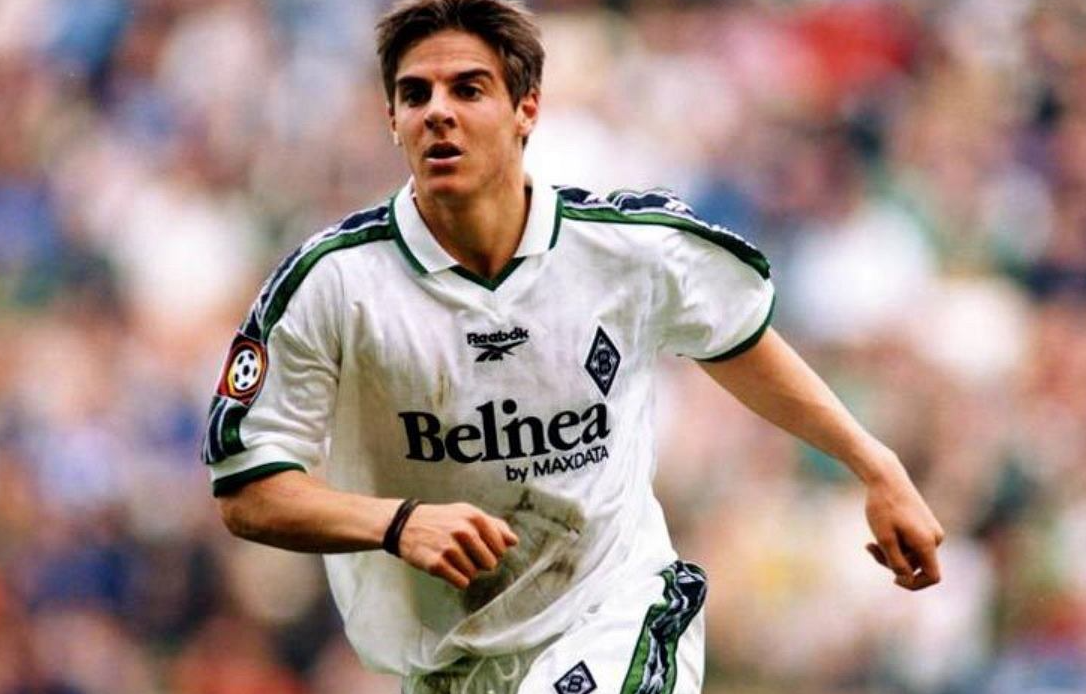
Sebastian Deisler was once expected to become the central figure of a new generation of German footballers.
The technically gifted midfielder emerged at Borussia Mönchengladbach before joining Hertha Berlin and eventually Bayern Munich.
Deisler possessed excellent close control, crossing and set-piece delivery. At a time when Germany was searching for creative players, he appeared capable of becoming one of the country’s biggest stars.
His career was repeatedly interrupted by serious knee problems.
Deisler underwent five operations on his right knee alone. Injuries caused him to miss both the 2002 and 2006 World Cups.
He also received treatment for depression during his playing career.
In January 2007, Deisler announced that his body and mind could no longer tolerate the demands of professional football.
He was only 27.
Deisler had won three Bundesliga titles with Bayern and made 36 appearances for Germany. However, he played only 135 Bundesliga matches across nine professional seasons.
His retirement was not simply the loss of a talented player. It also showed how physical injuries and psychological pressure can reinforce one another until continuing becomes impossible.
13. David Bentley – Retired at 29
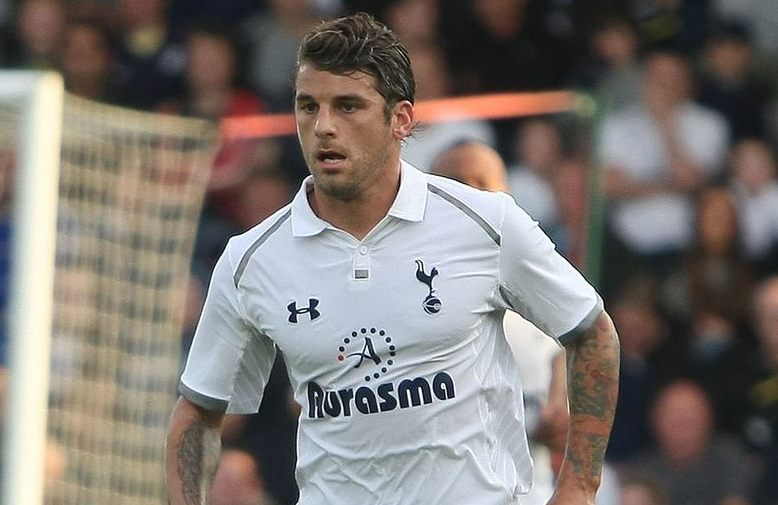
David Bentley was once described as a potential successor to David Beckham in the England team.
The midfielder developed at Arsenal but made his name with Blackburn Rovers.
Bentley possessed outstanding crossing ability, excellent technique and a powerful long-range shot. He scored a hat-trick against Manchester United and became one of the Premier League’s most creative wide midfielders.
Tottenham signed him in 2008.
One of Bentley’s greatest moments came shortly after the transfer, when he scored an extraordinary long-range volley against Arsenal during a 4–4 draw at the Emirates Stadium.
His career at Tottenham never developed as expected. Bentley struggled to secure a consistent starting position and later spent time on loan with Birmingham City, West Ham, Rostov and Blackburn.
By the end of the 2012/13 season, he had fallen out of love with professional football.
Bentley formally retired in 2014 at the age of 29.
He was not forced out by one dramatic injury. He simply no longer enjoyed the increasingly controlled, tactical and business-focused environment of the professional game.
Bentley later moved into hospitality and became involved with restaurants, bars and clubs in Spain.
14. Dean Ashton – Retired at 26
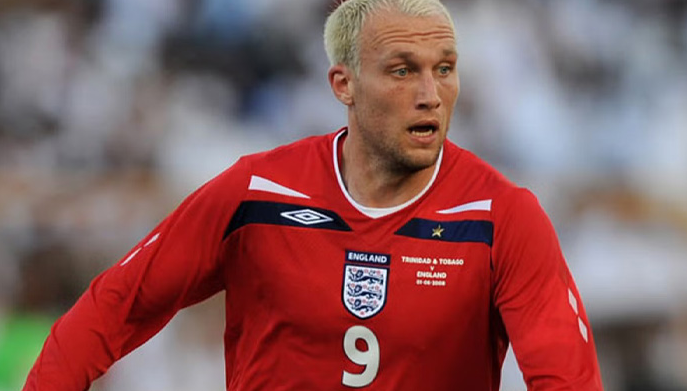
Dean Ashton appeared ready to become a regular England striker during the mid-2000s.
He scored consistently for Crewe Alexandra and Norwich City before joining West Ham United in January 2006.
Only a few months later, Ashton produced an excellent performance in the FA Cup final against Liverpool. He scored as West Ham took an early lead before eventually losing on penalties.
Ashton’s performances earned him a call-up to the senior England squad.
During a training session before a friendly against Greece, he suffered a serious ankle injury following a challenge from Shaun Wright-Phillips.
Ashton missed the entire 2006/07 season.
He eventually returned and scored 11 goals during the following campaign, including a spectacular overhead kick against Manchester United.
The ankle never fully recovered. Further complications prevented Ashton from playing after September 2008.
In December 2009, he formally announced his retirement at only 26.
Ashton finished his career with just one senior England appearance. His combination of strength, technique and finishing ability suggested that he could have played a significant role for both West Ham and his country.
15. Ryan Mason – Retired at 26
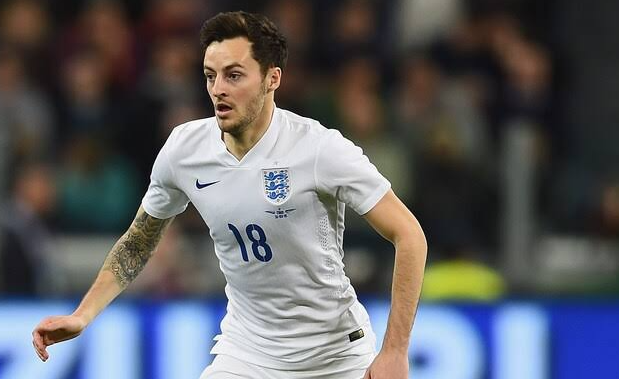
Ryan Mason had spent years trying to establish himself at Tottenham when he finally became a Premier League regular under Mauricio Pochettino.
The midfielder made 33 league appearances during the 2014/15 season and earned his first senior England cap.
Mason later joined Hull City in search of more consistent first-team football.
During a Premier League match against Chelsea in January 2017, Mason challenged Gary Cahill for a header.
The collision left him with a fractured skull.
Mason required emergency surgery and began a long rehabilitation process. He hoped to return to professional football, but neurological specialists warned that another significant impact could place him at serious risk.
In February 2018, Mason announced his retirement at the age of 26.
He quickly moved into coaching with Tottenham and later served twice as the club’s interim head coach.
Mason’s career is a reminder that even an apparently ordinary challenge for the ball can completely change a player’s life within seconds.
16. Fabrice Muamba – Retired at 24
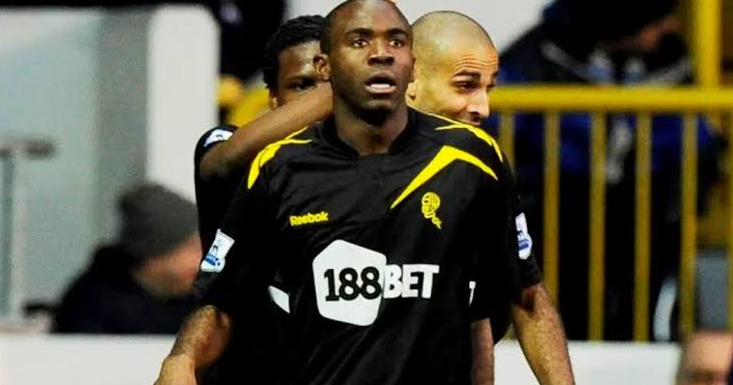
Fabrice Muamba’s retirement followed one of the most frightening incidents ever witnessed during an English football match.
The midfielder developed in Arsenal’s academy before playing for Birmingham City and Bolton Wanderers.
On 17 March 2012, Muamba collapsed during an FA Cup quarter-final between Bolton and Tottenham at White Hart Lane.
He had suffered a cardiac arrest.
Medical staff treated him on the pitch before taking him to hospital. His heart reportedly stopped functioning normally for more than an hour, but the work of the emergency teams saved his life.
Muamba made a remarkable recovery and initially hoped that he might eventually return to professional football.
Following consultations with cardiologists in the United Kingdom and Europe, he was advised that continuing would be too dangerous.
Muamba officially retired in August 2012 at the age of 24.
The incident increased awareness of cardiac screening, defibrillators and emergency medical preparation within football.
Muamba lost his playing career, but the fact that he survived was far more important than any possible return to the pitch.
17. Rubén de la Red – Retired at 25
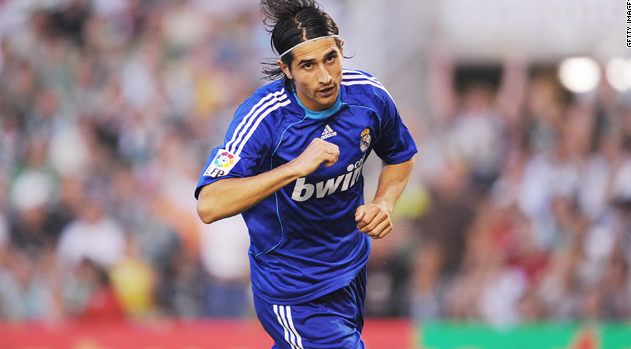
Rubén de la Red appeared ready to establish himself in Real Madrid’s midfield when a heart problem ended his career.
The Spaniard developed in Madrid’s academy before joining Getafe, where his performances earned him a place in Spain’s Euro 2008 squad.
De la Red appeared twice during the tournament and scored against Greece as Spain won its first major international trophy in 44 years.
He returned to Real Madrid after the competition.
During a Copa del Rey match against Real Unión in October 2008, De la Red suddenly collapsed on the pitch.
He recovered, but medical examinations revealed a heart problem. Doctors could not guarantee that returning to professional football would be safe.
De la Red spent two years hoping to receive medical clearance, but never played another competitive match.
In November 2010, he formally announced his retirement at only 25.
Real Madrid kept him at the club and helped him transition into coaching.
De la Red had already become a European champion and senior Real Madrid player, but his professional career ended after only 17 league appearances for the club.
18. Enock Mwepu – Retired at 24
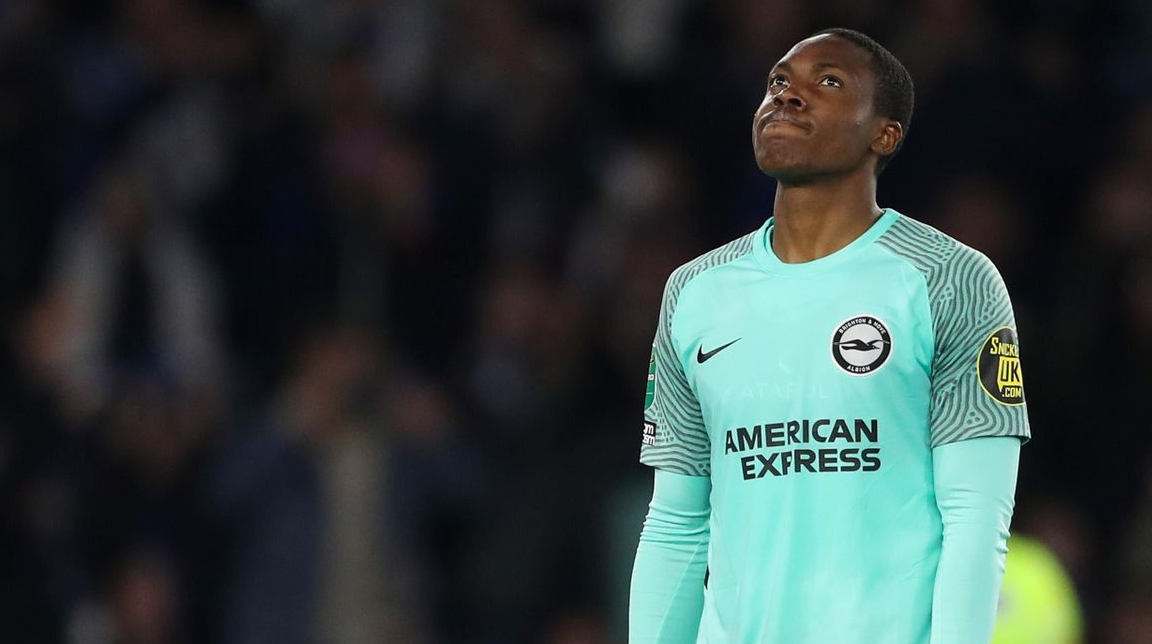
Enock Mwepu’s Premier League career ended only one year after it began.
The Zambian midfielder developed at Red Bull Salzburg, where he won four consecutive Austrian league titles and competed regularly in European competitions.
Brighton & Hove Albion signed him in 2021.
Mwepu quickly demonstrated his versatility, energy and ability to score from distance. His most memorable moment came when he produced a spectacular equaliser against Liverpool at Anfield.
In October 2022, Mwepu became unwell while travelling to join the Zambian national team.
Medical examinations revealed a hereditary heart condition that could worsen over time.
Doctors warned that continuing to play competitive football would place him at an extremely high risk of suffering a potentially fatal cardiac event.
Mwepu therefore announced his immediate retirement at only 24.
He had played just 24 Premier League matches for Brighton.
The club subsequently helped Mwepu begin working within its academy, giving him an opportunity to remain involved in football after his playing career was taken away so suddenly.
19. Luc Nilis – Retired at 33
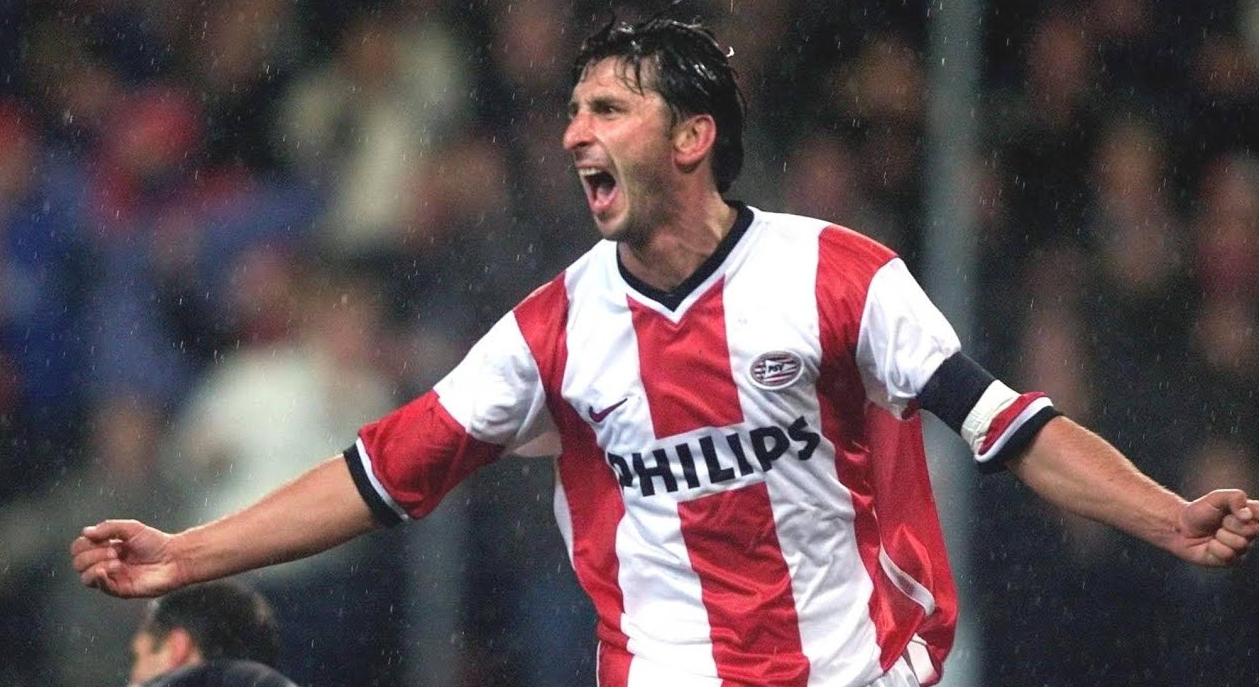
Luc Nilis was already 33 when he retired, making him older than most players on this list.
However, his career still ended suddenly while he remained an elite goalscorer.
The Belgian striker enjoyed highly successful periods with Anderlecht and PSV Eindhoven. He scored 110 Eredivisie goals in 164 appearances for PSV and formed memorable attacking partnerships with both Ronaldo Nazário and Ruud van Nistelrooy.
Nilis joined Aston Villa in 2000 and immediately demonstrated his quality, scoring a superb goal against Chelsea.
Only weeks later, his career was effectively over.
During a match against Ipswich Town, Nilis collided with goalkeeper Richard Wright and suffered a double fracture to his right leg.
The injury was so severe that there were concerns about whether part of the leg might need to be amputated.
Nilis underwent treatment and attempted to recover, but eventually accepted medical advice that he would be unable to play again.
He announced his retirement in January 2001.
Nilis managed only a handful of appearances in England, leaving Premier League supporters with only a brief glimpse of a striker who had been one of Europe’s most technically complete finishers.
20. Álvaro Domínguez – Retired at 27
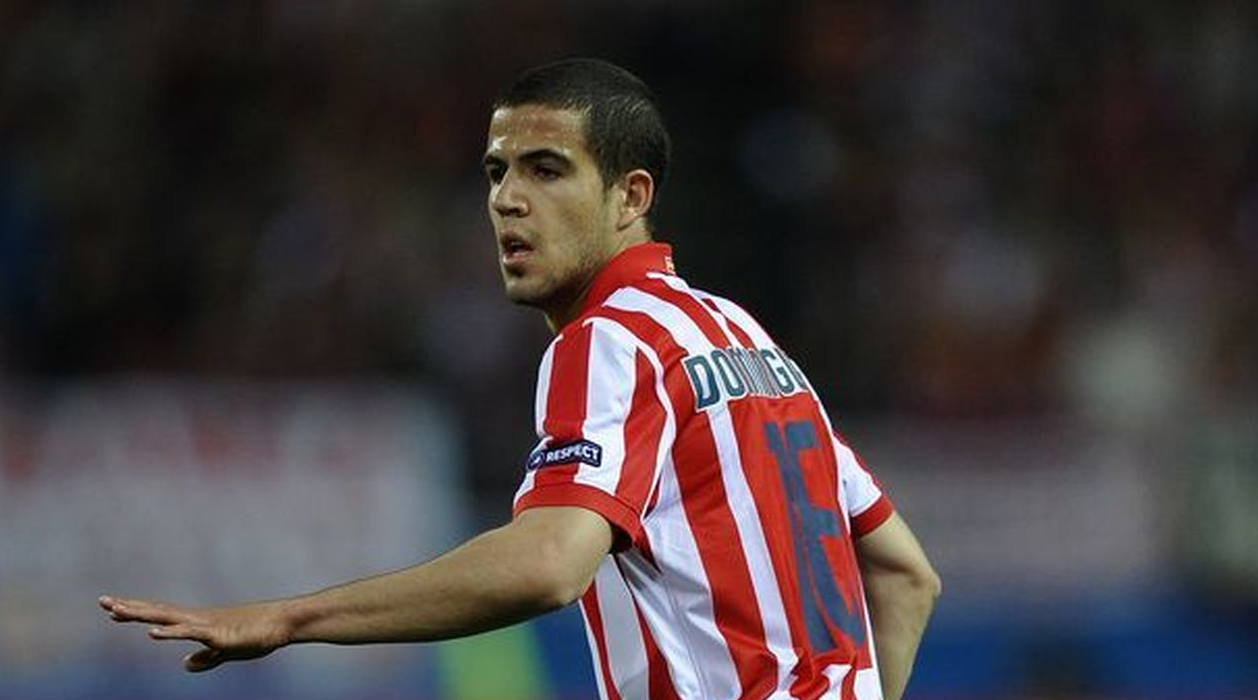
Álvaro Domínguez retired after chronic back problems made everyday training and playing increasingly dangerous.
The Spanish defender developed at Atlético Madrid and became an important member of the first team.
Domínguez could operate as either a centre-back or left-back. He helped Atlético win two Europa League trophies and the UEFA Super Cup.
His performances also earned him senior international appearances for Spain.
In 2012, Domínguez moved to Borussia Mönchengladbach in the Bundesliga.
Persistent back pain gradually reduced his availability. He underwent two operations, but neither provided a permanent solution.
Domínguez later explained that he did not want to risk becoming permanently disabled simply to extend his football career.
In December 2016, he announced his retirement at only 27.
Domínguez had already made more than 200 senior club appearances and competed in the Champions League, but should have had many years remaining at the highest level.
His decision demonstrated that retiring early can sometimes be the only responsible choice, even when a player remains desperate to continue.
Why Did These Footballers Retire So Early?
There was no single reason why the careers on this list ended prematurely.
For players such as Van Basten, Wilshere, King, Agger and Ashton, repeated physical injuries gradually removed their ability to compete.
Muamba, Mwepu and De la Red faced potentially fatal heart risks. Mason suffered one catastrophic collision, while Nilis experienced an injury so severe that saving his leg became more important than saving his career.
Other players made a conscious decision to leave.
Cantona retired while still captaining Manchester United. Nakata had become disillusioned with professional football, while Bentley and Schürrle no longer wanted to live with the pressure and restrictions surrounding the sport.
Bojan and Hazard experienced a different type of early ending. Their careers did not stop because of one specific moment, but neither player remained at the top for as long as supporters expected after their extraordinary early success.
Enjoyed this? Put your football knowledge to the test.
Play Guessballer →