

Loan moves can become some of the most important chapters in a footballer’s career.
A teenager may be sent into the lower divisions to gain experience. A struggling superstar might return to a familiar club in search of confidence. Sometimes a player joins a team for only a few months, produces several memorable performances and then disappears from its history almost completely.
Some of the greatest footballers ever went on loans that now look almost impossible.
David Beckham played in England’s fourth tier. Frank Lampard began his senior career at Swansea City. John Terry temporarily left Chelsea for Nottingham Forest, while Harry Kane struggled to make an impact at Norwich City.
Other loan spells shaped major trophies. Fernando Morientes carried Monaco to a Champions League final, Edgar Davids helped rescue Barcelona’s season and Ivan Perišić became part of Bayern Munich’s treble-winning team.
Here are 30 famous loan spells you may have completely forgotten happened.
1. David Beckham — Preston North End
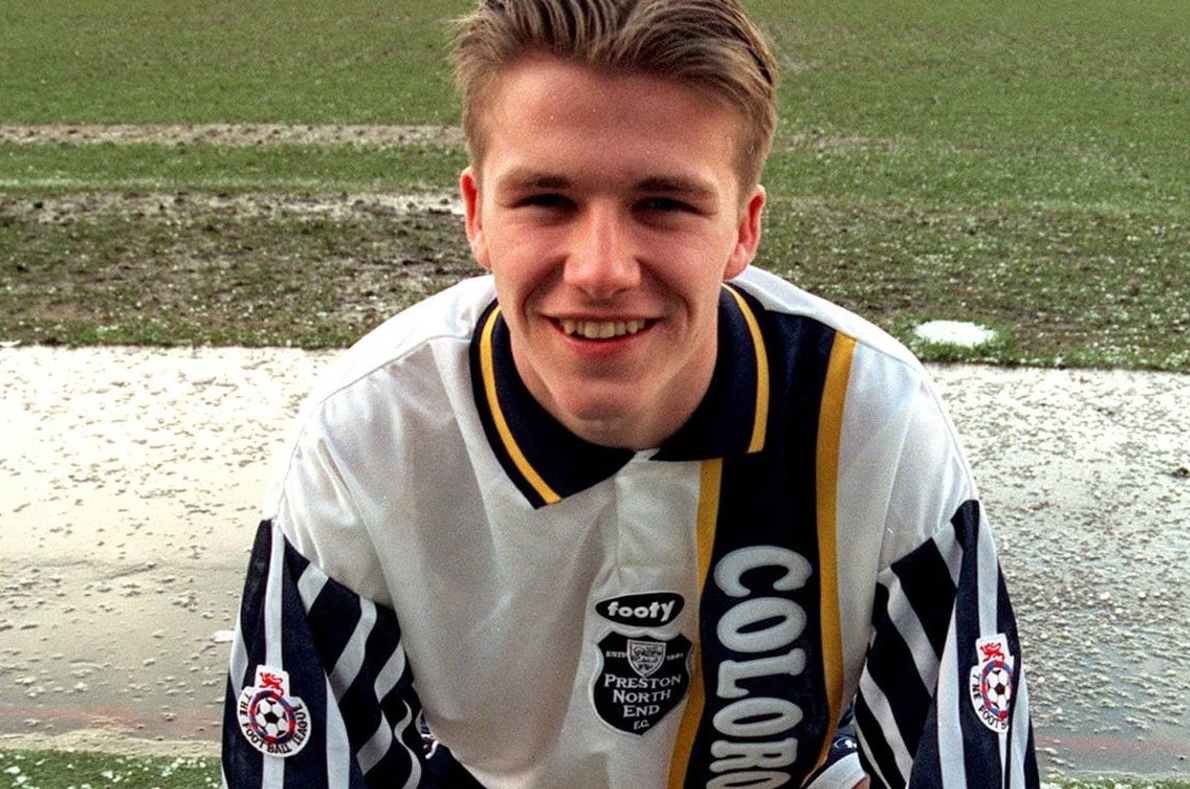
Before David Beckham became one of the most famous footballers in the world, Manchester United sent him to Preston North End.
Beckham joined the fourth-tier club in February 1995 at the age of 19. He had already made his United debut, but Sir Alex Ferguson wanted him to experience competitive senior football away from Old Trafford.
The midfielder remained at Preston for only one month.
He made five appearances and scored twice. One of those goals came directly from a corner against Fulham, providing an early example of the exceptional delivery that would later define his career.
Beckham also scored a free kick and quickly earned the respect of teammates who had initially been suspicious of a young player arriving from Manchester United.
He returned to Old Trafford and established himself during the following season. Within four years, he had won the treble and become one of England’s most recognisable athletes.
The future Real Madrid star and England captain began his professional development with a brief spell in the fourth tier.
2. Harry Kane — Norwich City
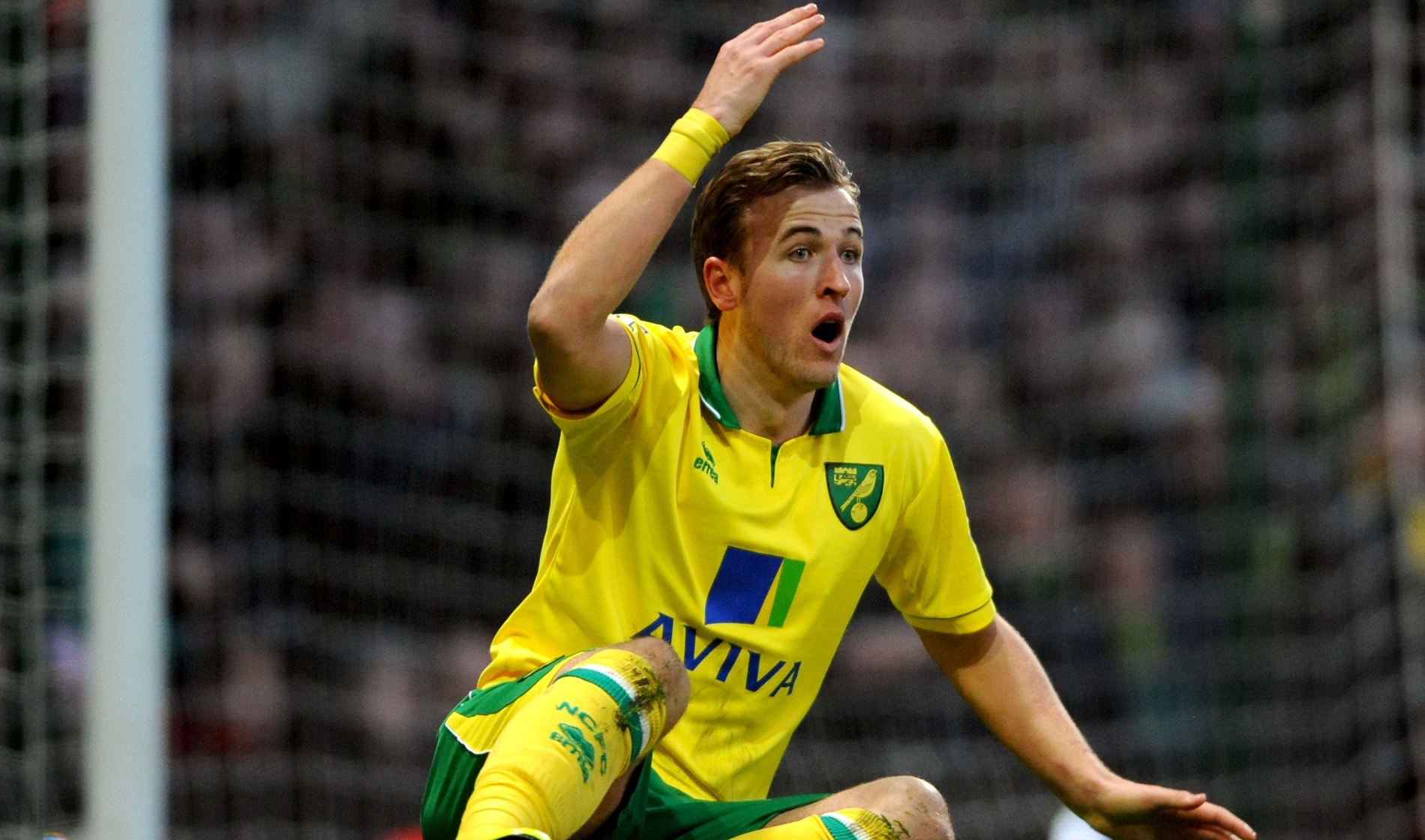
Harry Kane experienced four different loan spells before becoming Tottenham Hotspur’s record goalscorer.
The most forgotten was his brief period with Norwich City.
Kane joined the Premier League club in August 2012. He had previously impressed with Millwall, but was still viewed as a young striker requiring more first-team experience.
The move produced almost nothing.
Kane made only a handful of senior appearances before suffering a serious ankle injury against Doncaster Rovers in the League Cup. He spent several months recovering and was recalled by Tottenham before the season ended.
Norwich supporters therefore saw almost no evidence that they temporarily possessed one of the greatest English strikers in history.
Kane later joined Leicester City for the remainder of the campaign before finally establishing himself at Tottenham.
He went on to become England’s record goalscorer, win three Premier League Golden Boots and score more than 400 goals for club and country.
His Norwich spell is now little more than a strange photograph of a future superstar wearing yellow and green.
3. Frank Lampard — Swansea City
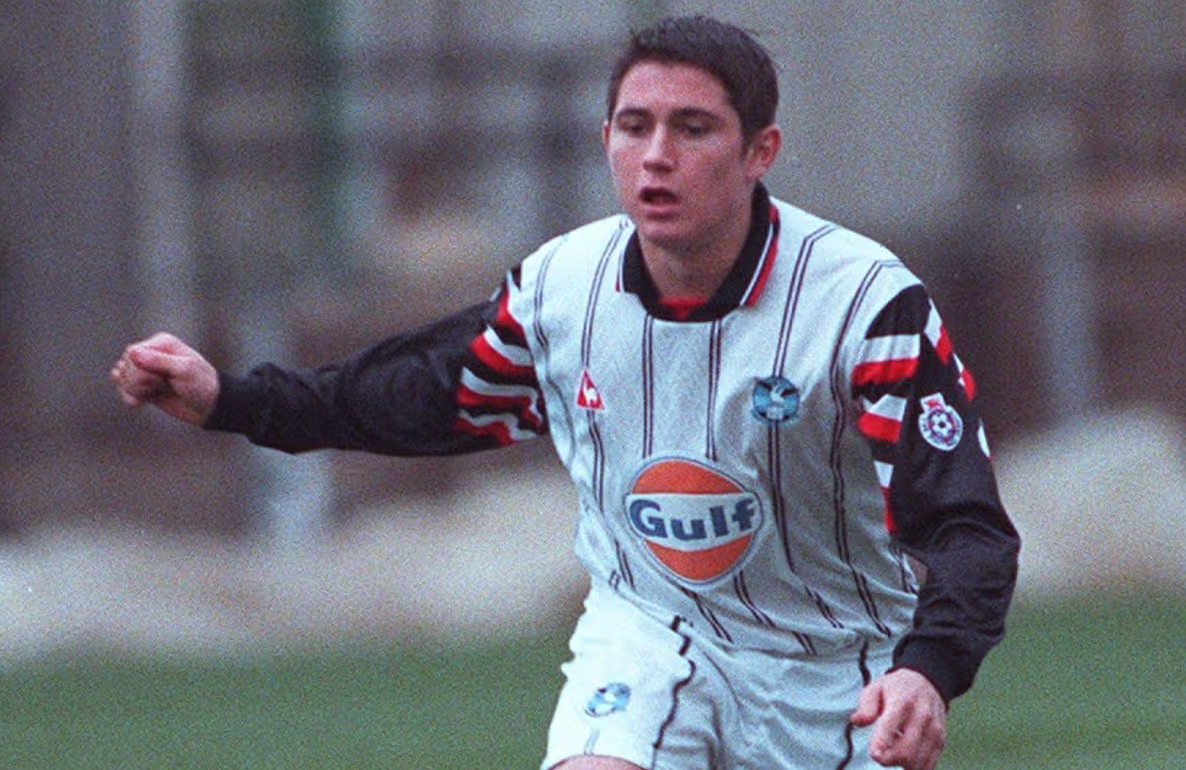
Frank Lampard scored more goals for Chelsea than any other player in the club’s history.
His first senior goal was scored for Swansea City.
West Ham United sent the 17-year-old midfielder to the Welsh club in October 1995. Swansea were playing in the third tier and struggling both on and off the pitch.
Lampard made his professional league debut in a victory over Bradford City. He remained with Swansea for approximately two months, making 11 senior appearances and scoring once against Brighton.
The surroundings were completely different from those he would later experience at Chelsea, Manchester City and major international tournaments.
Swansea played at the ageing Vetch Field and attracted relatively small crowds. The young Lampard had to adapt quickly to physical senior football.
He returned to West Ham before Christmas and gradually established himself in the Premier League.
Lampard later won three league titles and the Champions League with Chelsea, represented England more than 100 times and became one of the most productive midfielders in football history.
It all began during a short loan in south Wales.
4. John Terry — Nottingham Forest
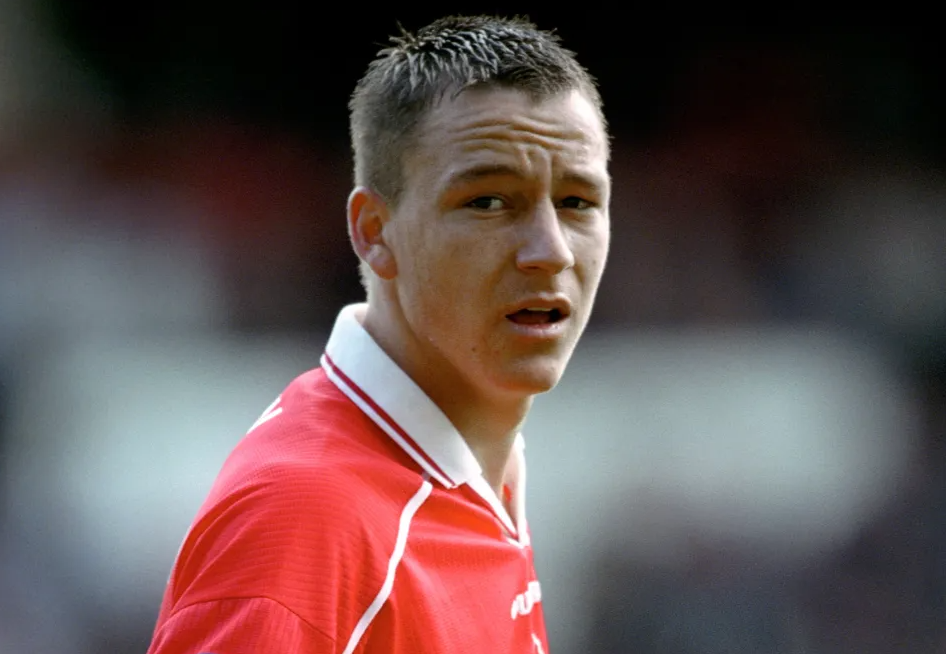
John Terry spent almost his entire senior career at Chelsea, but briefly left the club before becoming its captain.
In March 2000, Chelsea sent the 19-year-old defender to Nottingham Forest.
Terry was struggling to secure regular football at Stamford Bridge, where Chelsea’s defensive options included experienced internationals such as Marcel Desailly and Frank Leboeuf.
The loan lasted only a few weeks.
Terry made six appearances for Forest in the second tier. The team won five of those games and recorded three clean sheets.
His performances were strong enough to attract permanent interest from other clubs. For a brief period, Chelsea could potentially have lost the player who would later become the most successful captain in their history.
Terry returned to London before the end of the season and began appearing more regularly during the following campaign.
He eventually made more than 700 appearances for Chelsea, won five Premier League titles and lifted the Champions League.
Before all of that, he was a Nottingham Forest loanee attempting to prove that he was ready for senior football.
5. Mohamed Salah — Fiorentina
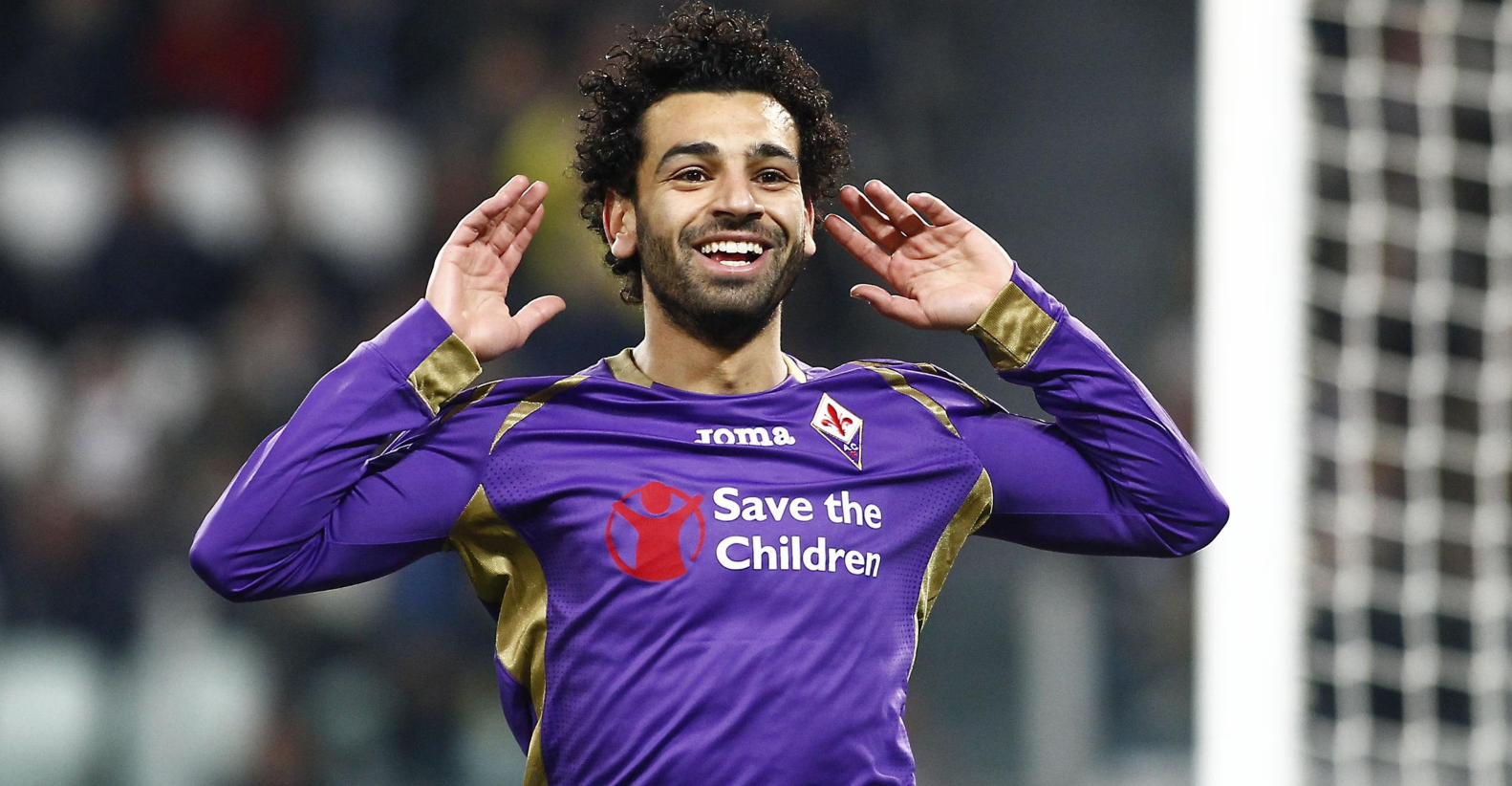
Mohamed Salah’s first period in English football was deeply underwhelming.
Chelsea signed him from Basel in 2014, but he struggled for regular playing time under José Mourinho. One year later, he was sent to Fiorentina as part of the deal that brought Juan Cuadrado to Stamford Bridge.
The loan completely changed Salah’s career.
He scored on his first Serie A start and quickly became one of Fiorentina’s most dangerous attackers. His speed was particularly effective in Italian football, where teams frequently left space during transitions.
Salah produced one of his finest performances against Juventus in the Coppa Italia, scoring twice in a 2–1 victory in Turin. One goal involved carrying the ball from inside his own half before finishing calmly.
He ended the half-season with nine goals in 26 appearances.
A dispute over extending the loan led Salah to join Roma instead. His performances there eventually earned him a move to Liverpool.
The future Premier League and Champions League winner rediscovered his confidence during six months in Florence.
6. Kevin De Bruyne — Werder Bremen
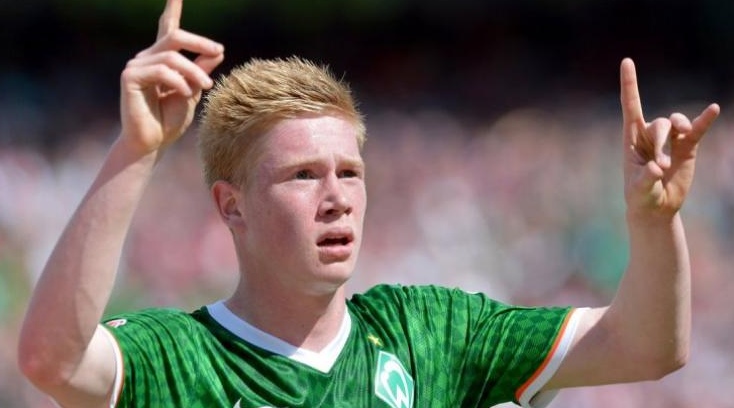
Chelsea sent Kevin De Bruyne to Werder Bremen before he had made a Premier League appearance for the club.
The Belgian midfielder joined the Bundesliga side for the 2012/13 season.
Werder were not among Germany’s leading teams, but the move gave De Bruyne the regular football he needed. He played centrally, from the wing and occasionally in a deeper midfield role.
De Bruyne scored ten Bundesliga goals and created numerous chances despite Werder spending much of the campaign close to the relegation battle.
His performances demonstrated his passing range, powerful shooting and ability to carry an attack almost independently.
De Bruyne returned to Chelsea hoping to compete for a place under Mourinho. Instead, he was used sparingly and sold to Wolfsburg in January 2014.
He later returned to England with Manchester City and developed into one of the greatest midfielders in Premier League history.
The player Chelsea decided it did not need had already shown his potential during a season-long loan with a struggling German club.
7. Casemiro — Porto
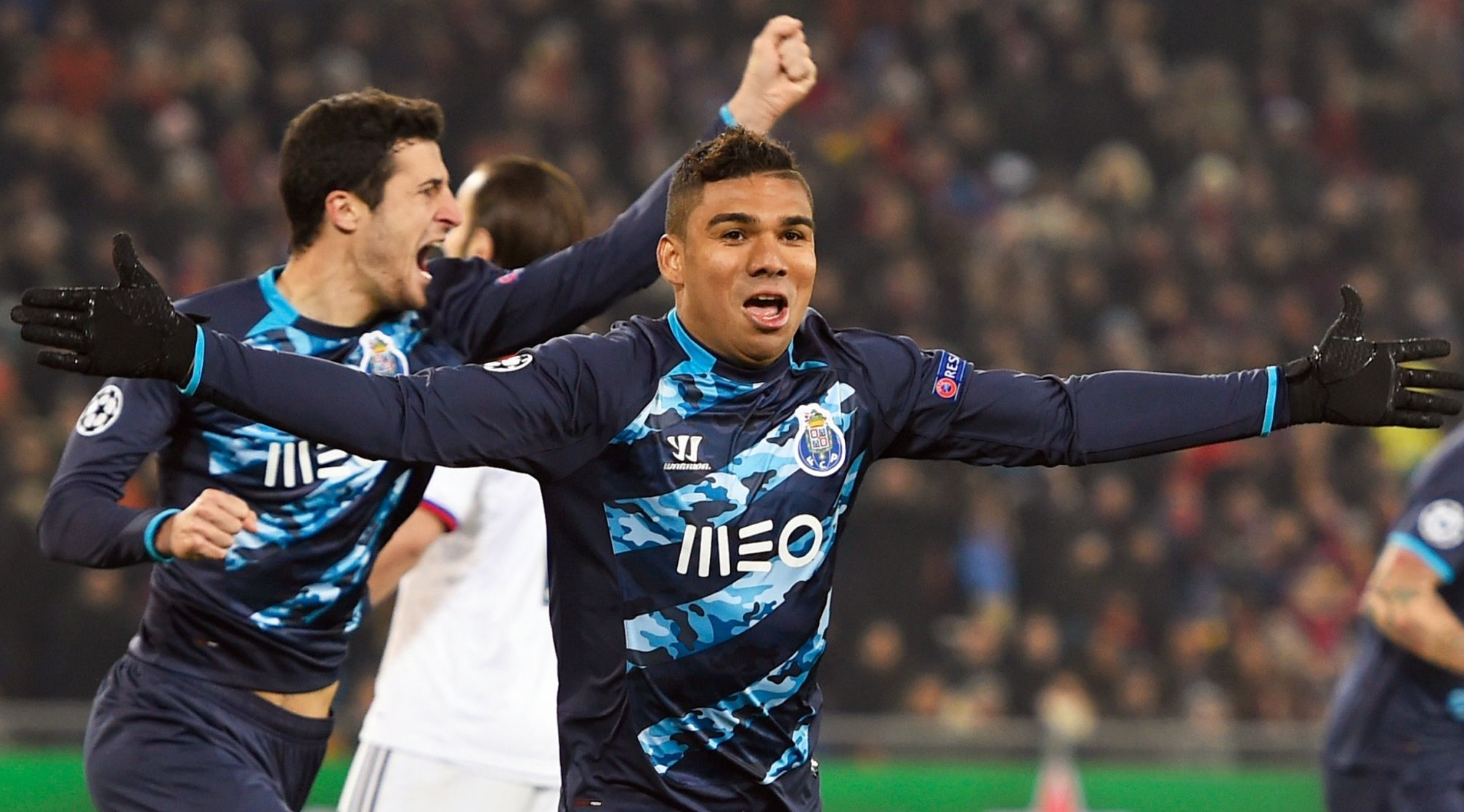
Casemiro was not always guaranteed to become Real Madrid’s long-term defensive midfielder.
The Spanish club sent him to Porto for the 2014/15 season after he had struggled to secure regular first-team opportunities.
Porto received an option to make the move permanent, while Real retained the ability to bring him back.
The Brazilian became an important player under Julen Lopetegui.
Casemiro’s strength, tackling and positional discipline provided balance to an attacking team. He also demonstrated his ability from set pieces, scoring a powerful free kick during Porto’s Champions League campaign.
The Portuguese side reached the quarter-finals and defeated Bayern Munich 3–1 in the first leg before being eliminated.
Porto wanted to keep Casemiro. Real Madrid exercised its right to recall him.
The decision proved extremely important.
Casemiro formed a legendary midfield partnership with Luka Modrić and Toni Kroos, winning five Champions League trophies before moving to Manchester United.
Without his season in Portugal, he might never have received the experience required to secure his place in Madrid.
8. Gonzalo Higuaín — Chelsea
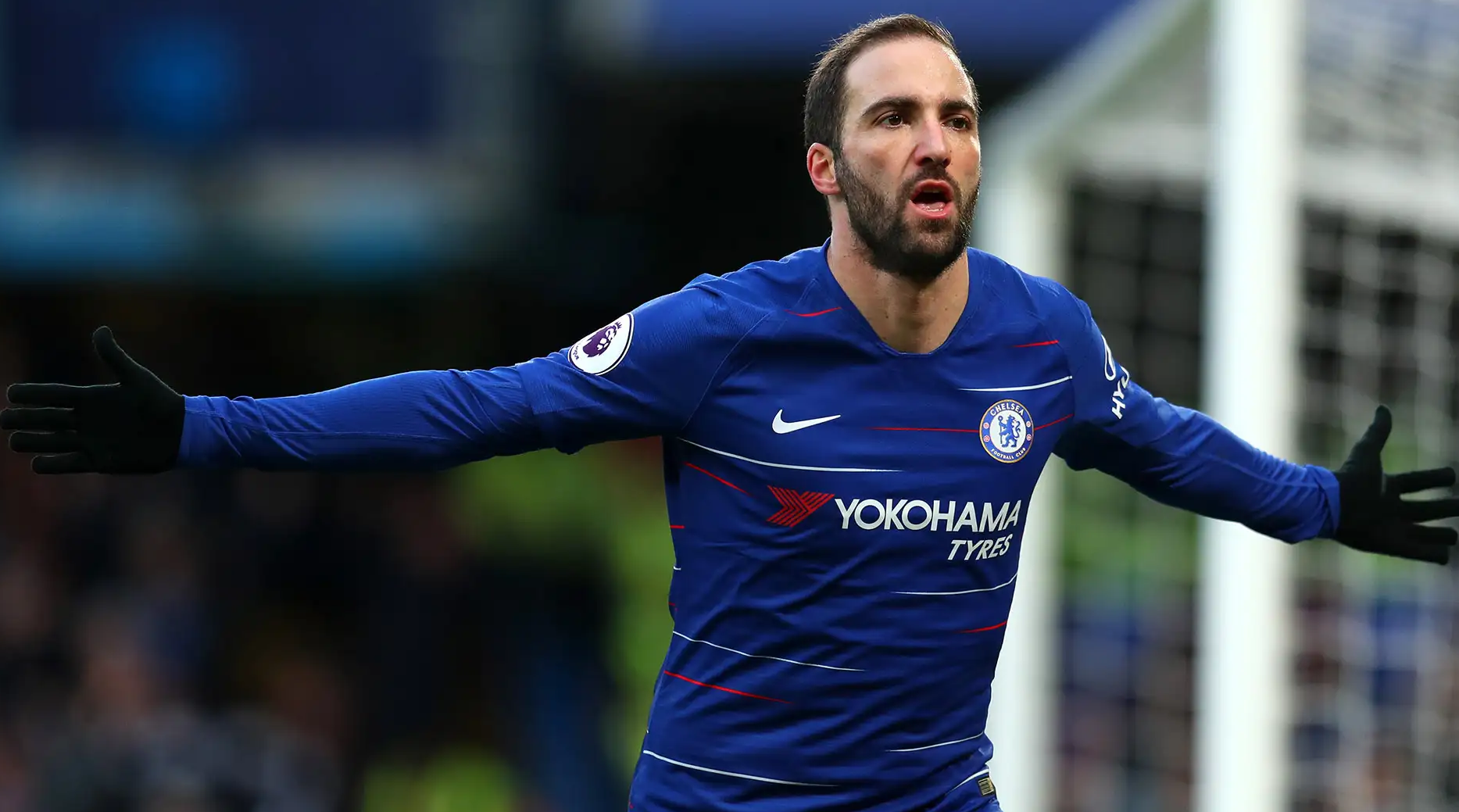
Gonzalo Higuaín’s brief Chelsea career already feels strangely disconnected from the rest of his achievements.
The Argentine striker joined the club on loan from Juventus in January 2019, reuniting with Maurizio Sarri after their successful period together at Napoli.
Chelsea hoped that Higuaín could solve its goalscoring problems.
He scored twice against Huddersfield Town in his third Premier League appearance, temporarily suggesting that the move might work. The goals did not continue regularly.
Higuaín appeared slower than during his peak Serie A seasons and struggled with the physical pace of English football.
He finished the loan with five goals in 18 appearances. None came against a team that finished in the top half of the Premier League.
Chelsea won the Europa League, but Higuaín remained on the bench throughout the final against Arsenal.
The club decided not to make the move permanent.
A striker who had scored more than 100 goals for both Real Madrid and Napoli left almost no lasting impression during his five months at Stamford Bridge.
9. Alexandre Pato — Chelsea
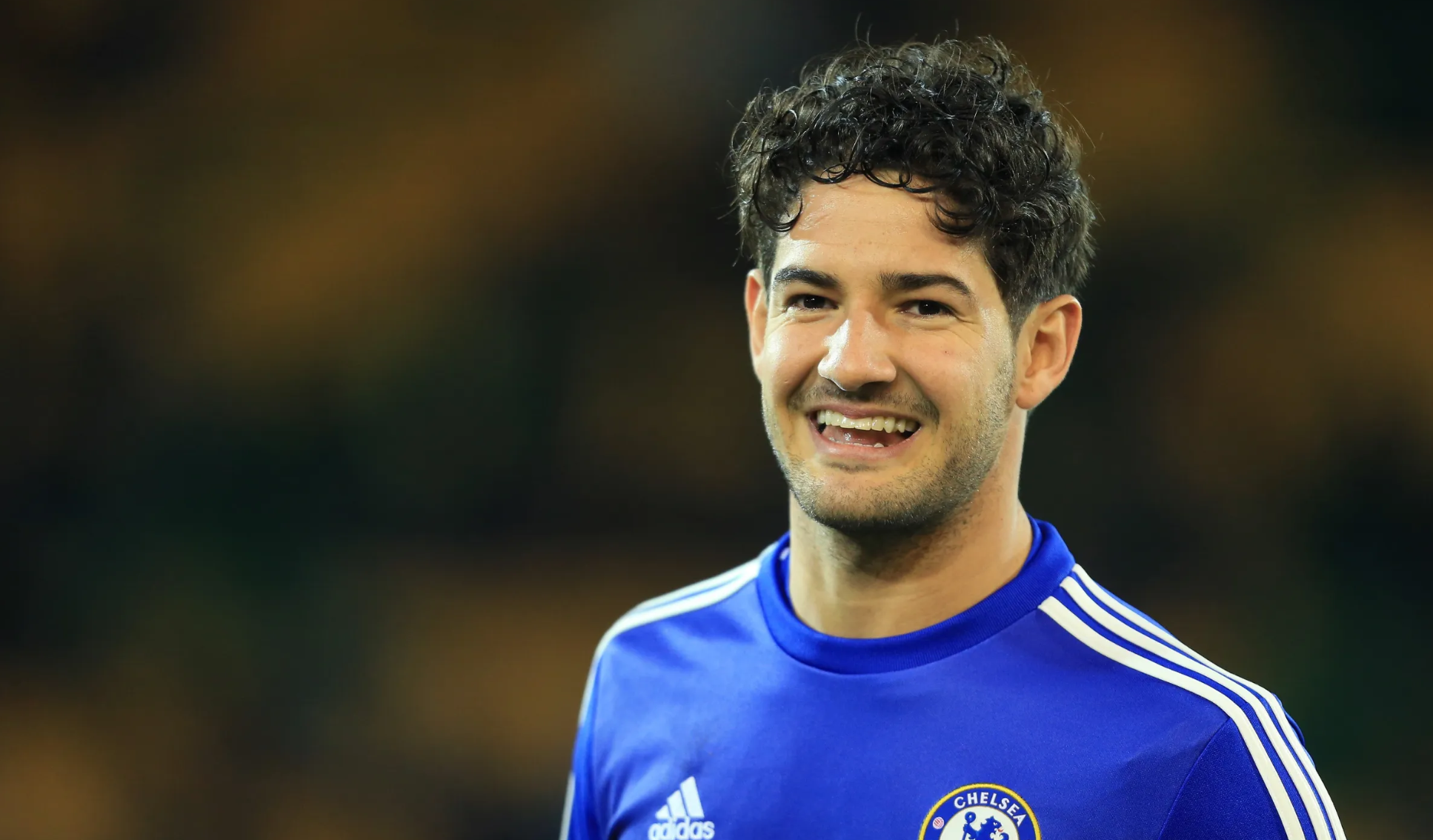
Alexandre Pato was once considered one of the finest young strikers in world football.
By the time he joined Chelsea in January 2016, his European career appeared to have ended.
Pato arrived on loan from Corinthians after spending several seasons back in Brazil. Chelsea were experiencing a chaotic campaign and hoped he could provide additional attacking depth.
The striker required weeks of fitness work before he was considered ready to play.
His Chelsea debut finally came against Aston Villa in April. Pato replaced the injured Loïc Rémy, won a penalty and converted it.
It appeared to be the beginning of an unlikely comeback.
Pato made only one more appearance.
He started against Swansea, played for just over an hour and was never selected again. Chelsea declined the opportunity to keep him.
The Brazilian subsequently joined Villarreal and later continued his career in China, Brazil and Major League Soccer.
His Chelsea record remains bizarrely efficient: two appearances, one goal and almost no memorable impact.
10. Radamel Falcao — Chelsea
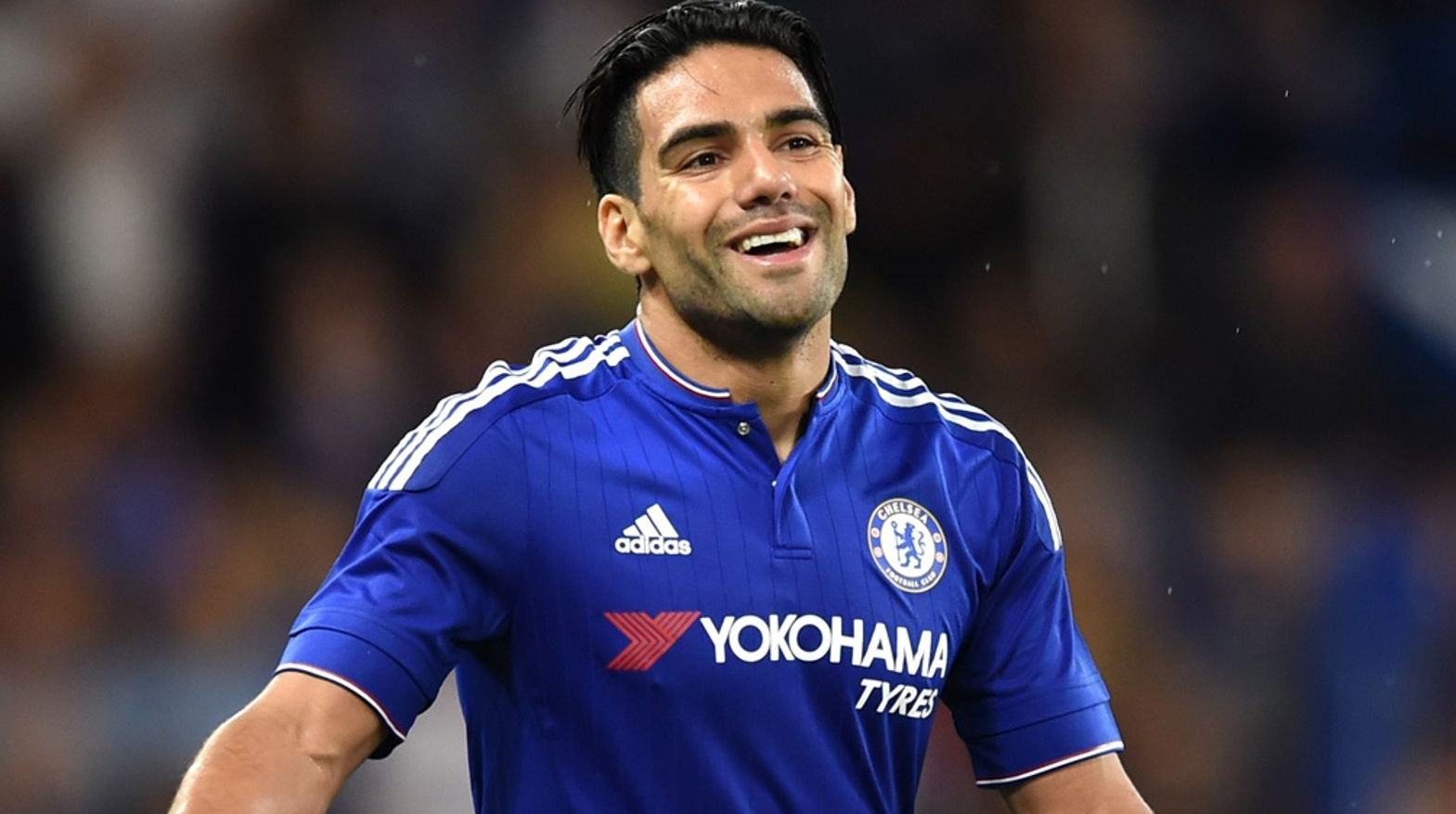
Radamel Falcao’s loan at Manchester United is still widely remembered.
His following loan spell with Chelsea is easier to forget.
The Colombian joined Chelsea for the 2015/16 season after scoring only four Premier League goals at Old Trafford. Mourinho believed that he could help Falcao rediscover the form that had once made him one of the best strikers in the world.
The revival never arrived.
Falcao scored his only Chelsea goal against Crystal Palace in August. Injuries then limited his availability, while the entire team struggled during one of the worst title defences in Premier League history.
He made only 12 appearances in all competitions.
Chelsea considered ending the loan early, but physical problems complicated the possibility of finding another club.
Falcao eventually returned to Monaco and, remarkably, recovered his goalscoring form. He helped the club win Ligue 1 and reach the Champions League semi-finals in 2017.
His successful comeback made the Chelsea period feel even more like an accidental missing chapter.
11. Rio Ferdinand — Bournemouth
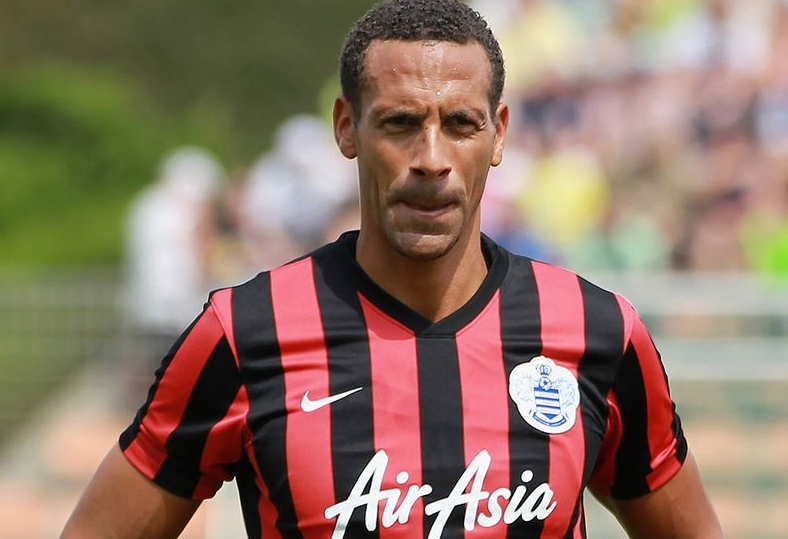
Rio Ferdinand became the most expensive defender in football history and won six Premier League titles with Manchester United.
Earlier in his career, West Ham United sent him to Bournemouth.
Ferdinand joined the third-tier club in November 1996 at the age of 18. West Ham manager Harry Redknapp wanted the young defender to experience the physical demands of senior football.
Bournemouth were struggling, and Ferdinand entered an environment far removed from the Premier League.
He made 11 appearances before returning to West Ham.
The loan proved important. Ferdinand later explained that playing regularly against experienced professionals helped him mature and improve his concentration.
Within five years, Leeds United had made him the world’s most expensive defender. Manchester United broke the record again when signing him in 2002.
Ferdinand went on to captain England and become one of the best ball-playing centre-backs of his generation.
Before competing against Europe’s greatest attackers, he learned senior defending during a short spell on England’s south coast.
12. Toni Kroos — Bayer Leverkusen
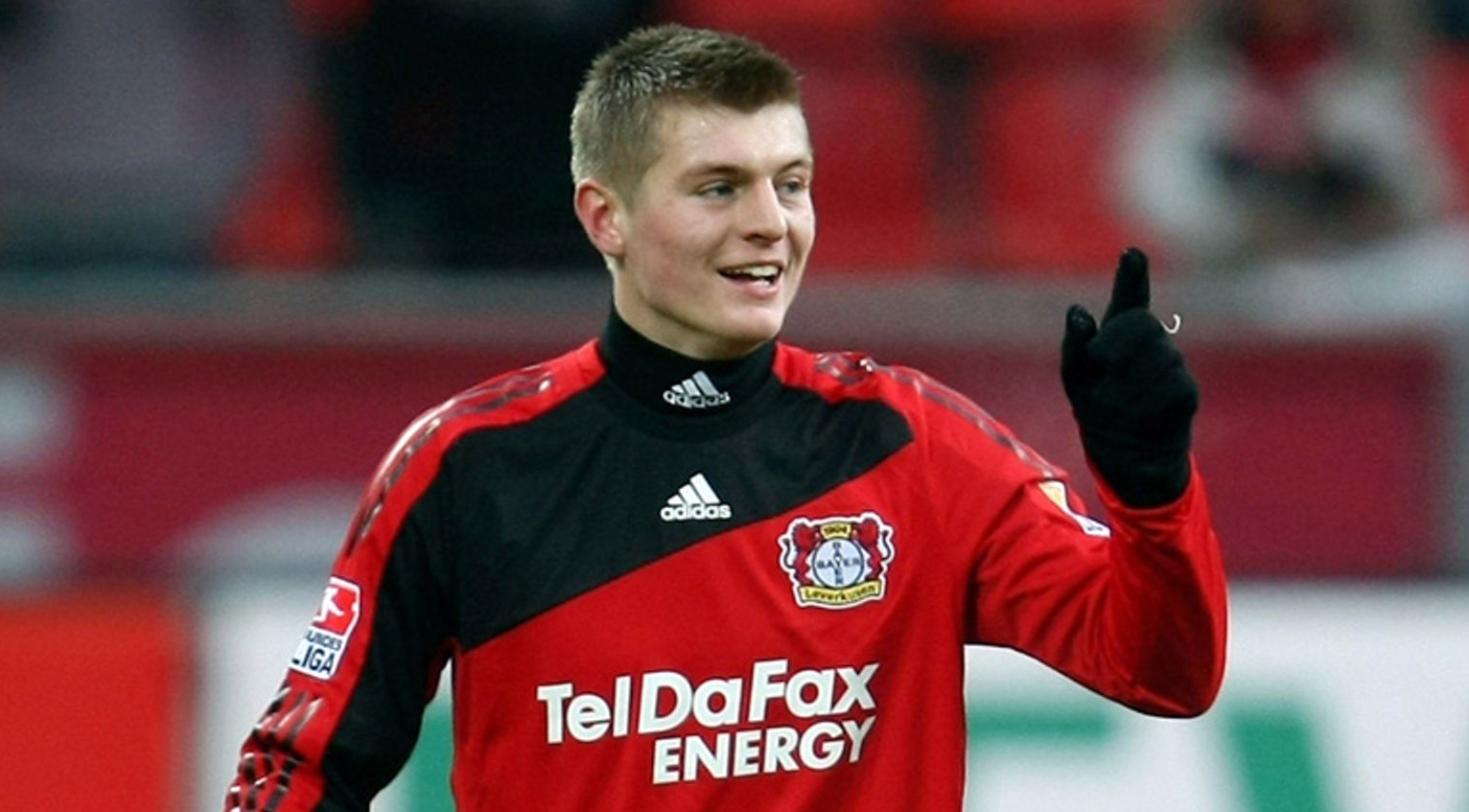
Toni Kroos was considered an exceptional talent at Bayern Munich, but regular first-team football was difficult to find.
Bayern sent him to Bayer Leverkusen in January 2009 on an 18-month loan.
The move allowed Kroos to develop away from the pressure surrounding Germany’s biggest club.
His first few months were relatively quiet. During the 2009/10 season, everything changed.
Kroos became one of the Bundesliga’s leading attacking midfielders. He scored nine league goals, created chances and demonstrated the passing ability that would later define his career.
Leverkusen wanted to retain him, but Bayern brought him back.
Kroos became a first-team regular, won the treble in 2013 and helped Germany lift the World Cup one year later.
He subsequently moved to Real Madrid and became one of the most decorated midfielders in Champions League history.
The loan to Leverkusen was not a rejection. It was the environment in which Kroos proved that his youth-level reputation could translate into senior football.
13. Thibaut Courtois — Atlético Madrid
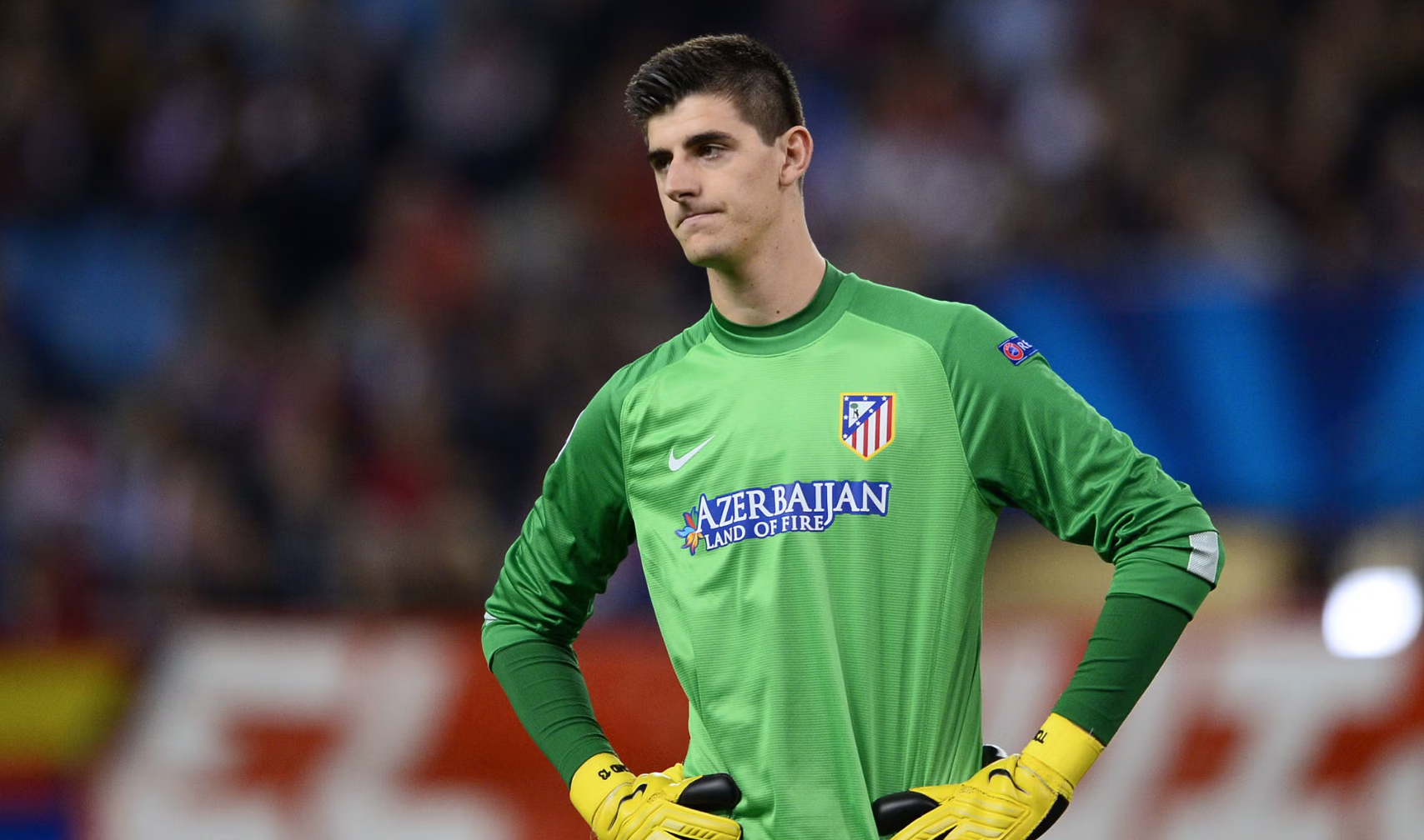
Thibaut Courtois was a Chelsea player for seven years, but spent three of them on loan at Atlético Madrid.
Chelsea signed the Belgian goalkeeper from Genk in 2011 and immediately sent him to Spain.
Courtois was only 19, yet quickly replaced David de Gea as Atlético’s first-choice goalkeeper.
The temporary move became an entire era of its own.
Courtois won the Europa League, UEFA Super Cup and Copa del Rey. During his final season, Atlético won La Liga and reached the Champions League final.
The goalkeeper even helped eliminate his parent club in the semi-finals.
Courtois returned to Chelsea in 2014 and displaced Petr Čech. He won two Premier League titles before eventually joining Real Madrid.
His achievements in Spain became so significant that it is easy to forget Atlético never owned him.
One of the most important players in the club’s transformation under Diego Simeone was technically borrowed from Chelsea throughout the entire period.
14. Philippe Coutinho — Espanyol
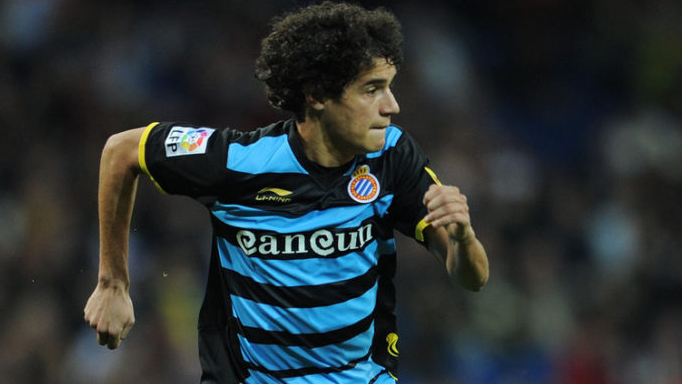
Philippe Coutinho struggled for opportunities during his early years at Inter Milan.
In January 2012, the Italian club sent him to Espanyol.
The Barcelona-based team was managed by Mauricio Pochettino, who gave the Brazilian regular football and greater creative freedom.
Coutinho scored five goals in 16 appearances. His close control, movement between the lines and long-range shooting began to resemble the qualities later seen at Liverpool.
Espanyol wanted to keep him, but their financial situation made a permanent transfer difficult.
Coutinho returned to Inter, where his opportunities remained limited. Liverpool signed him for approximately £8.5 million in January 2013.
He developed into one of the Premier League’s leading attacking midfielders before Barcelona paid an enormous fee to bring him back to the same city in which his European breakthrough had occurred.
Coutinho’s first Barcelona experience was not with Barça.
It was a short, productive loan on the other side of the city.
15. David Alaba — Hoffenheim
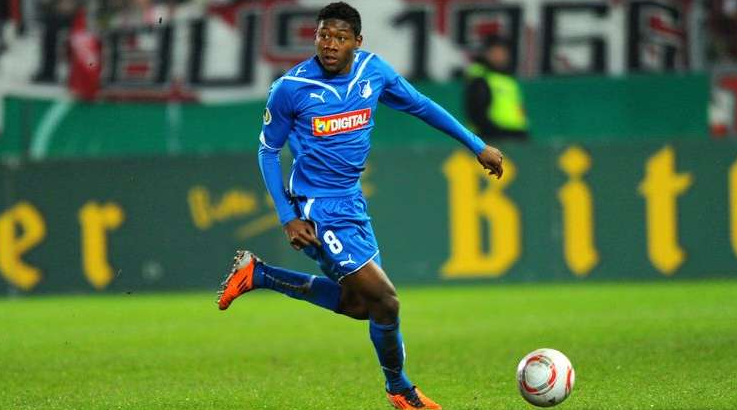
David Alaba made his Bayern Munich debut at 17 but needed regular football to accelerate his development.
He joined Hoffenheim on loan in January 2011.
Alaba was primarily used in midfield rather than at left-back, the position with which he would later become most closely associated.
The Austrian made an immediate impact, scoring during his first Bundesliga appearance for the club. He remained a regular throughout the second half of the season.
Hoffenheim wanted to extend the arrangement, but Bayern decided that Alaba was ready to return.
He soon established himself as the club’s first-choice left-back.
Alaba won ten Bundesliga titles and two Champions League trophies before joining Real Madrid. His versatility allowed him to play as a defender, midfielder and occasional playmaker.
The half-season at Hoffenheim is now almost completely overshadowed by his achievements in Munich and Madrid.
It was nevertheless the first period in which Alaba played senior football every week.
16. Alexis Sánchez — River Plate
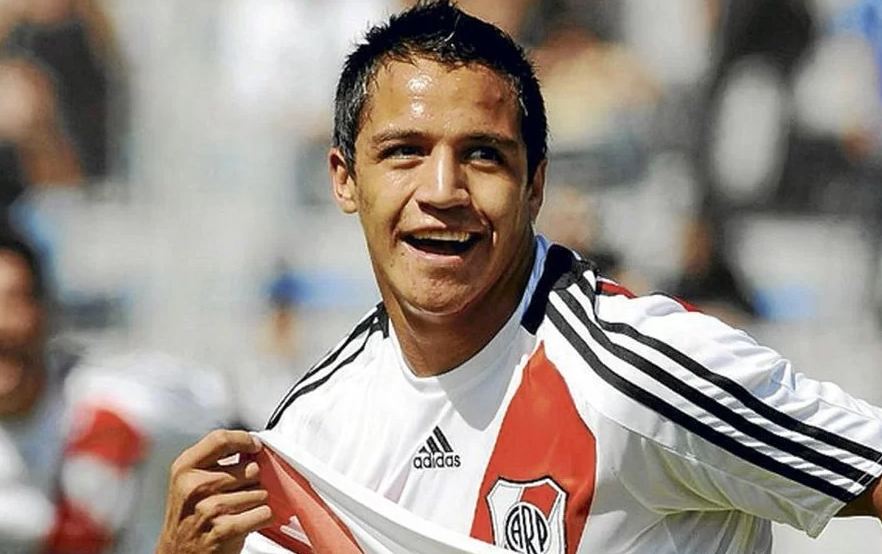
Alexis Sánchez is associated mainly with European clubs and the Chilean national team.
One of his earliest senior seasons was spent on loan at River Plate.
Udinese had signed the teenager from Cobreloa in 2006 but decided that he needed more experience before moving permanently to Italy.
After a loan with Colo-Colo, Sánchez joined River in 2007.
He became an exciting part of the Argentine club’s attack, using the acceleration, aggression and direct dribbling that would later make him a Premier League star.
Sánchez helped River win the 2008 Clausura title, although a serious ankle injury interrupted part of his spell.
He then moved to Udinese and began his European career.
Successful periods with Barcelona and Arsenal followed, along with a difficult move to Manchester United and a later revival at Inter Milan.
Before playing at the Camp Nou or Emirates Stadium, Sánchez won one of his first major trophies while temporarily representing one of Argentina’s biggest clubs.
17. Fernando Morientes — Monaco
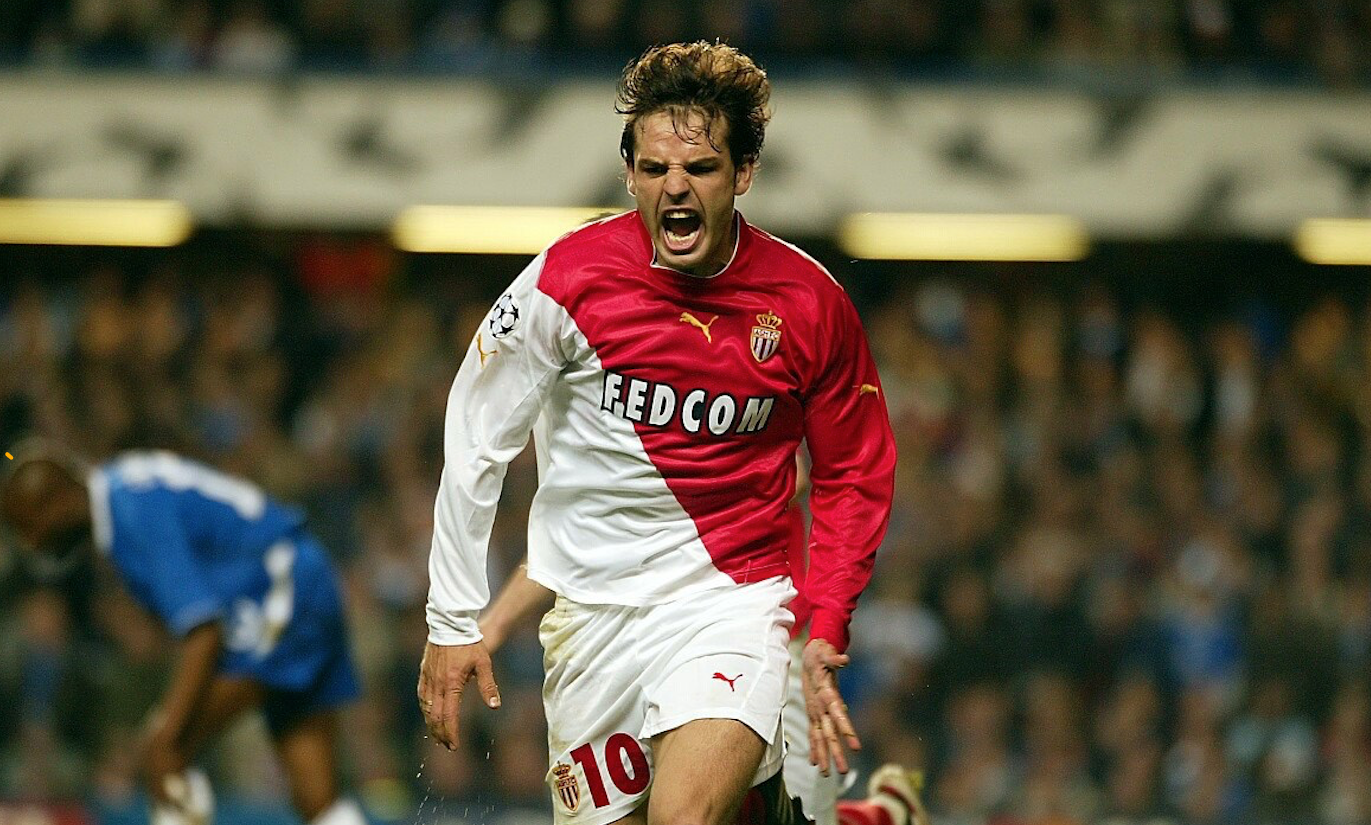
Fernando Morientes’ loan to Monaco became one of the most successful revenge stories in Champions League history.
Real Madrid sent the striker to France for the 2003/04 season after signing Ronaldo and reducing his first-team opportunities.
Madrid remained one of the favourites to win the Champions League.
Monaco were not expected to challenge.
Morientes transformed the tournament.
He finished as the Champions League’s leading goalscorer and helped Monaco reach the final. In the quarter-finals, they faced Real Madrid.
Morientes scored in both legs against his parent club. Monaco recovered from a 4–2 first-leg defeat and advanced on away goals.
The striker then scored again in the semi-final against Chelsea.
Monaco ultimately lost the final to José Mourinho’s Porto, but their run remains one of the competition’s greatest surprises.
Morientes returned to Madrid after the loan but soon joined Liverpool permanently.
Real had temporarily sent away a striker who directly eliminated them from Europe.
18. Edgar Davids — Barcelona
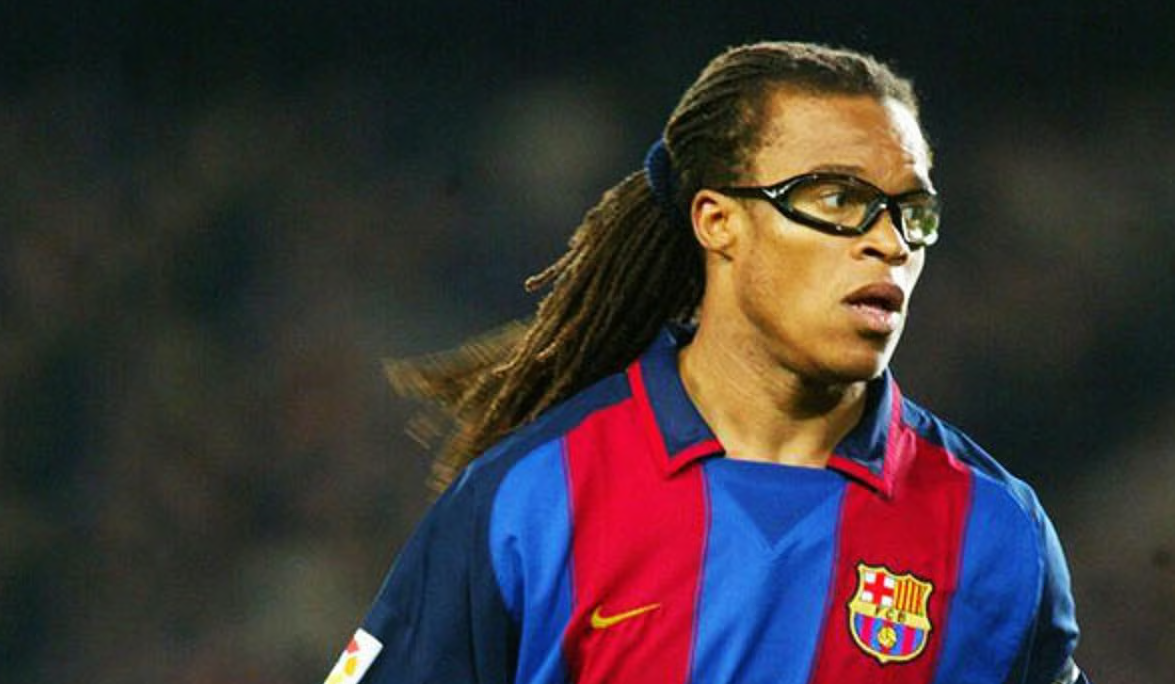
Barcelona were in serious trouble when Edgar Davids arrived on loan in January 2004.
The team was sitting in the middle of La Liga and pressure was increasing on manager Frank Rijkaard.
Davids joined from Juventus and immediately changed the balance of Barcelona’s midfield.
His aggression, defensive work and ability to carry the ball allowed Xavi and other creative players to operate with greater freedom.
Barcelona’s results improved dramatically. The club climbed from the lower half of the table and eventually finished second behind Valencia.
Davids made only 18 league appearances, but his impact was enormous.
The loan helped stabilise Rijkaard’s position and contributed to the tactical foundations of the team that won La Liga the following season and the Champions League in 2006.
Davids did not remain at the Camp Nou. He joined Inter Milan after the loan ended.
Barcelona’s revival is usually associated with Ronaldinho, Xavi and the emergence of a young Lionel Messi.
For six months, however, a Juventus loanee helped hold everything together.
19. Henrik Larsson — Manchester United
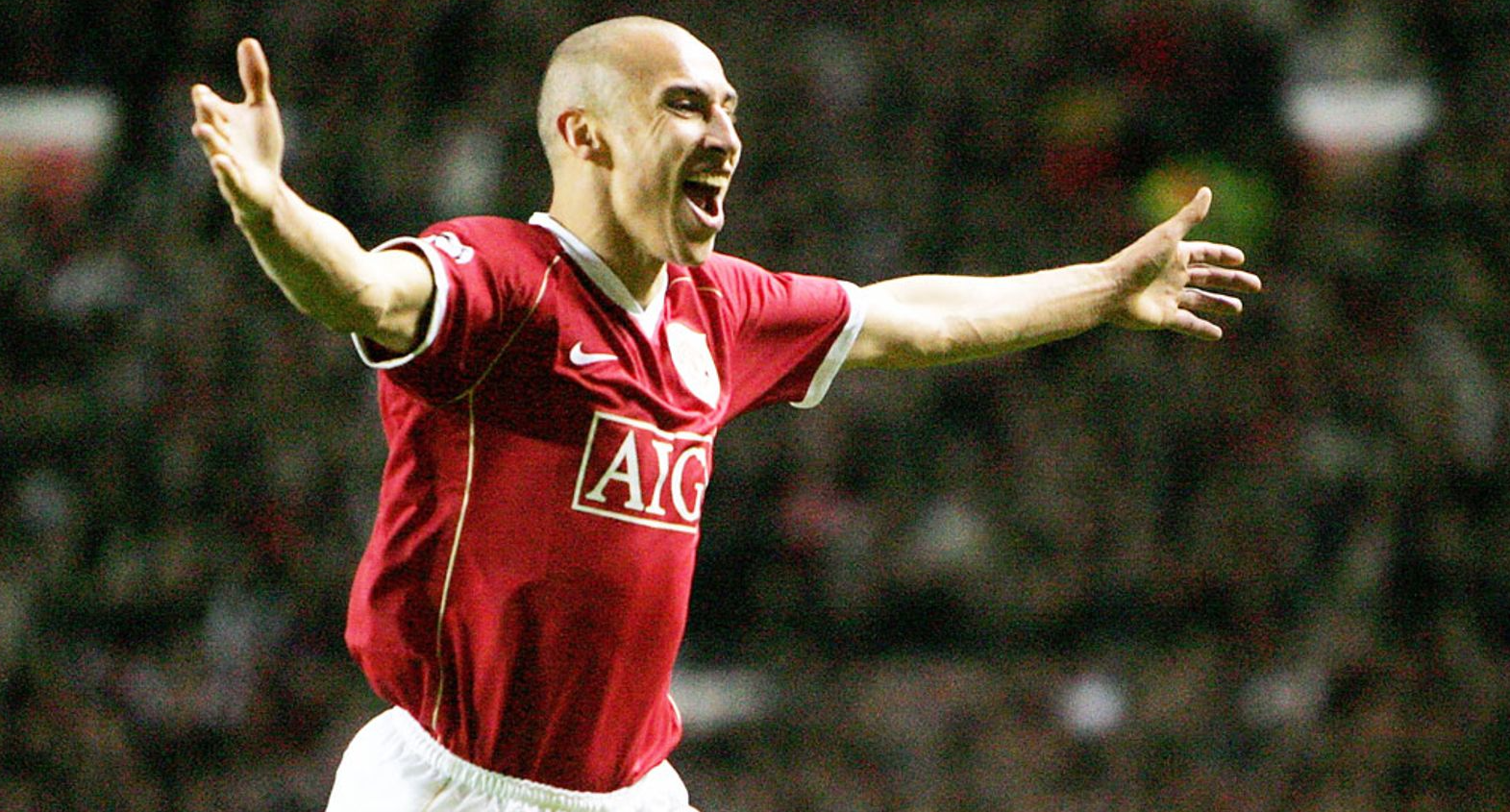
Henrik Larsson briefly joined Manchester United after his main European career appeared to be over.
The Swedish striker was playing for Helsingborg when United arranged a short loan during the break in the Swedish season.
Larsson arrived in January 2007 at the age of 35.
He scored on his debut against Aston Villa in the FA Cup and later found the net in the Premier League and Champions League.
Larsson made 13 appearances and scored three goals.
The statistics were modest, but Sir Alex Ferguson valued his intelligence, movement and influence on younger players. United wanted him to stay longer.
Larsson honoured his commitment to Helsingborg and returned to Sweden in March.
Manchester United went on to win the Premier League. Larsson did not make enough league appearances to qualify automatically for a medal, but the club requested one in recognition of his contribution.
The Barcelona and Celtic legend spent only ten weeks at Old Trafford, yet left a strong impression on Ferguson and his teammates.
20. Andriy Shevchenko — AC Milan
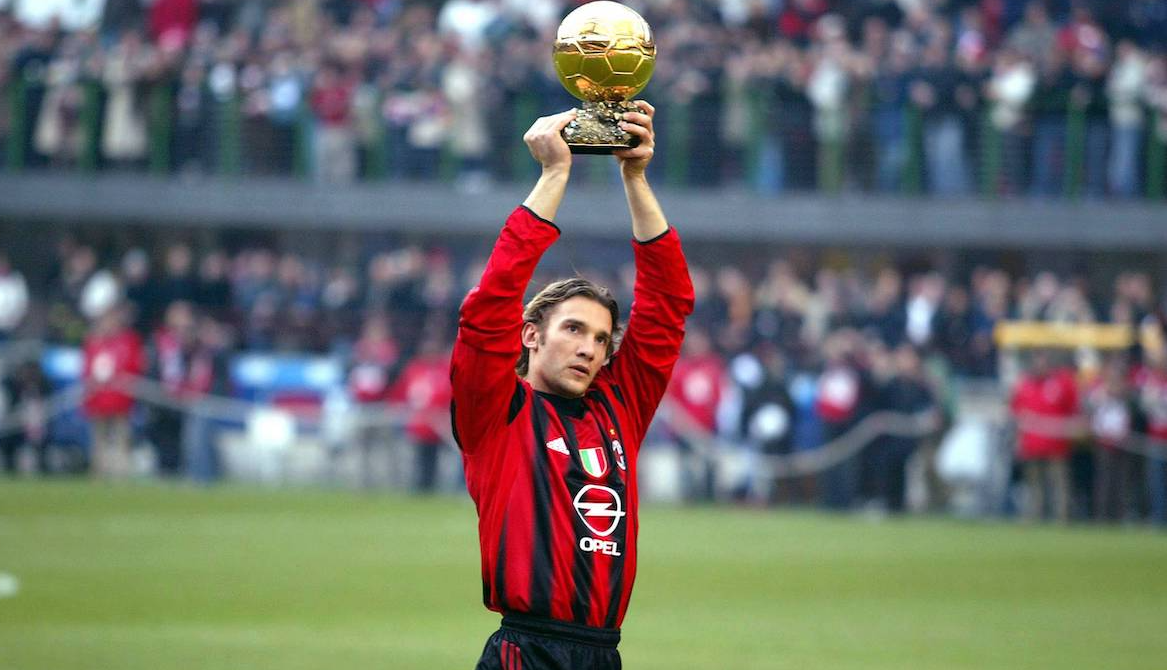
Andriy Shevchenko returned to AC Milan on loan only two years after leaving the club for Chelsea.
The Ukrainian had been one of the greatest strikers in Milan’s history. He won the Ballon d’Or, scored more than 170 goals and converted the decisive penalty in the 2003 Champions League final.
His move to Chelsea in 2006 was a major disappointment.
Shevchenko returned to Milan for the 2008/09 season, hoping that familiar surroundings would restore his form.
The comeback was unsuccessful.
He struggled for regular playing time behind Kaká, Alexandre Pato, Filippo Inzaghi and Ronaldinho. Shevchenko failed to score in Serie A and managed only two goals in all competitions.
Milan declined to keep him.
He returned briefly to Chelsea before completing a permanent move to Dynamo Kyiv.
Shevchenko’s first Milan spell made him a legend. The second was so uneventful that many supporters forget it happened at all.
21. Hernán Crespo — AC Milan
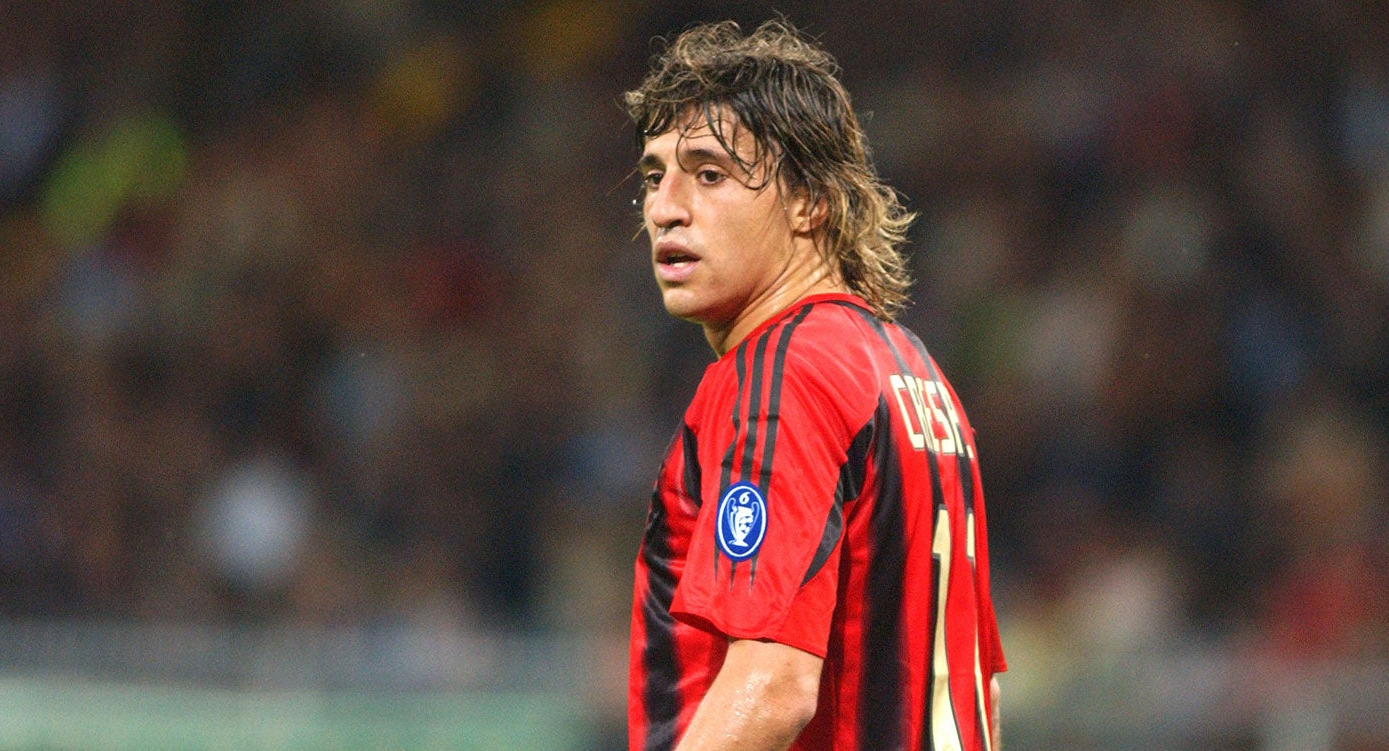
Hernán Crespo joined AC Milan on loan from Chelsea for the 2004/05 season.
The Argentine striker had struggled with injuries and competition during his first campaign in England. Milan coach Carlo Ancelotti already knew him from their successful period together at Parma.
Crespo initially started slowly but became increasingly important as the season progressed.
He scored important Champions League goals against Manchester United and Inter Milan before producing two goals in the final against Liverpool.
At half-time, Milan led 3–0 and Crespo appeared certain to become one of the heroes of the competition.
Liverpool completed its famous comeback and won on penalties.
Crespo finished the season with 18 goals in all competitions, but Milan could not agree a permanent transfer with Chelsea.
He returned to London and won the Premier League during the following campaign.
His two goals in Istanbul are remembered as part of Liverpool’s miracle. It is easier to forget that Crespo was only temporarily wearing the Milan shirt.
22. Romelu Lukaku — West Bromwich Albion
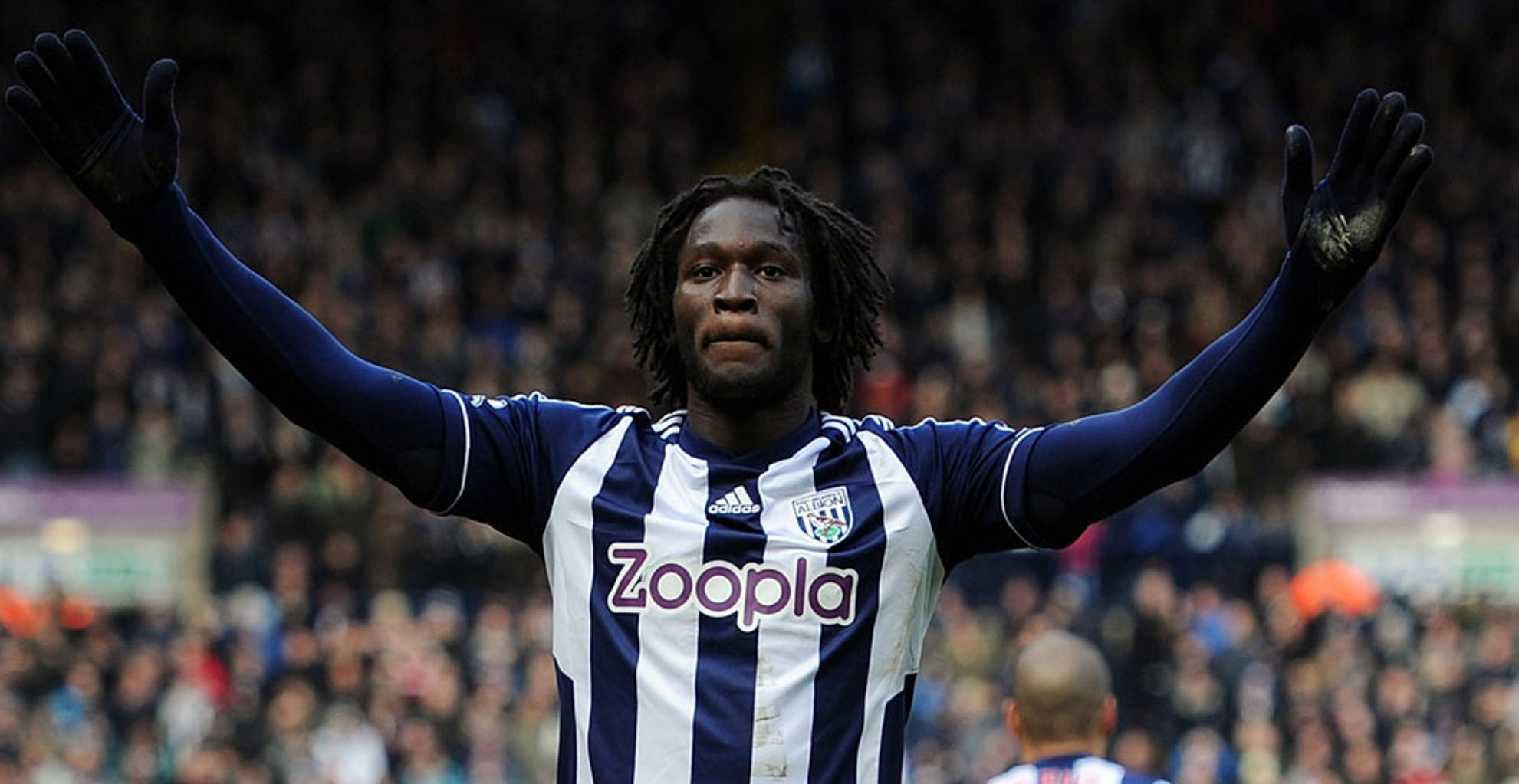
Romelu Lukaku’s first productive Premier League season did not come with Chelsea, Everton or Manchester United.
It came on loan at West Bromwich Albion.
Chelsea sent the 19-year-old striker to the Hawthorns for the 2012/13 campaign.
Lukaku initially shared playing time with Shane Long but gradually became West Brom’s most dangerous forward. His pace and physical power created enormous problems for defenders.
He scored 17 Premier League goals despite starting only 20 matches.
The season ended with one of his most memorable performances. Lukaku scored a second-half hat-trick as West Brom drew 5–5 with Manchester United in Sir Alex Ferguson’s final match as a manager.
He returned to Chelsea hoping for an opportunity under Mourinho.
Instead, he was loaned to Everton and eventually sold.
Lukaku later became one of the most expensive players in football history and scored hundreds of senior goals.
His first demonstration of elite Premier League scoring ability came in the blue and white stripes of West Brom.
23. Emmanuel Adebayor — Real Madrid
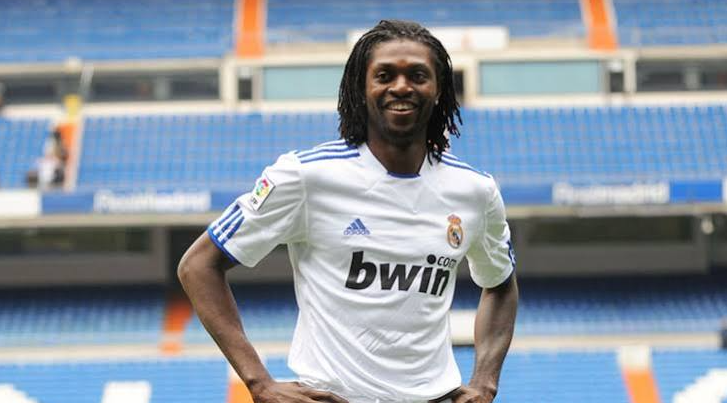
Emmanuel Adebayor temporarily joined Real Madrid from Manchester City in January 2011.
José Mourinho needed another striker after Gonzalo Higuaín suffered a serious back injury.
Adebayor had fallen out of favour at City and appeared delighted by the opportunity to play for one of the world’s biggest clubs.
He scored eight goals in 22 appearances.
Adebayor produced a hat-trick against Almería on the final day of La Liga and scored twice against Tottenham in the Champions League quarter-finals.
He also helped Madrid win the Copa del Rey, appearing as a substitute during the final victory over Barcelona.
The striker wanted to stay and celebrated enthusiastically with supporters.
Madrid decided against a permanent transfer. Adebayor returned to Manchester City before joining Tottenham.
His white-shirted period lasted only half a season, but it gave him the only major European trophy of his career.
Few players have represented Arsenal, Manchester City, Tottenham and Real Madrid. Adebayor managed all four.
24. Ivan Perišić — Bayern Munich
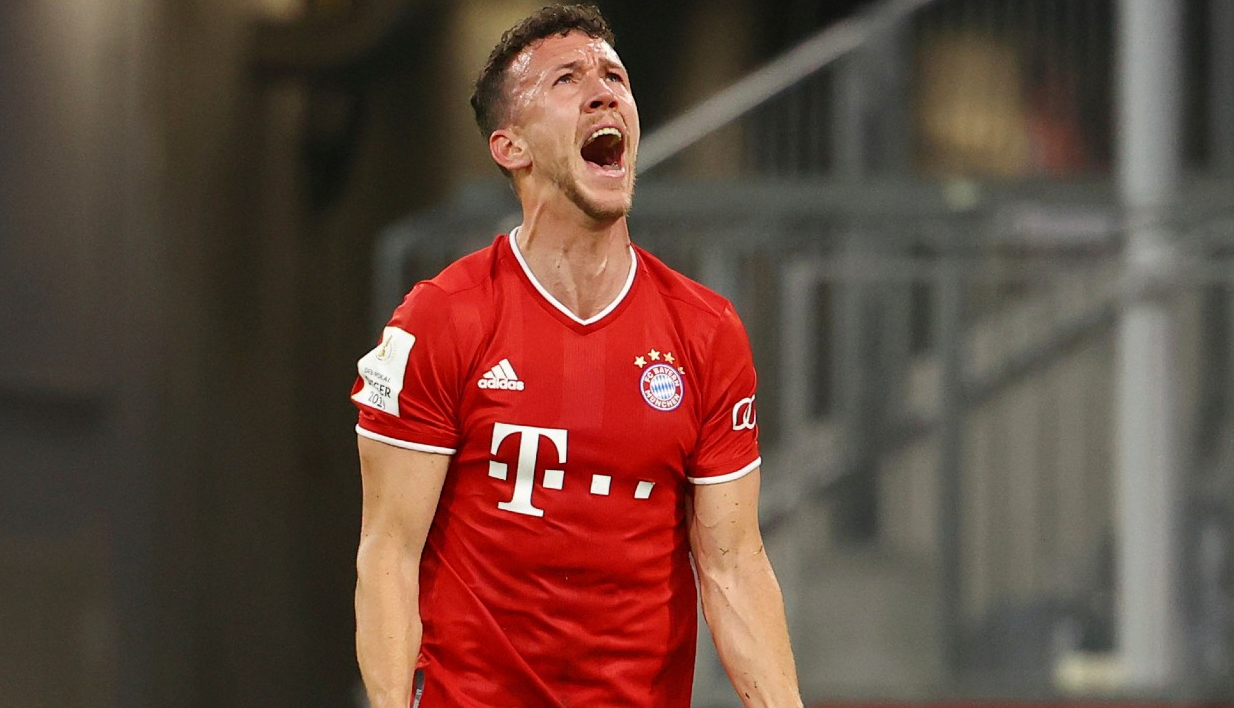
Ivan Perišić spent the 2019/20 season on loan at Bayern Munich from Inter Milan.
The move received relatively little attention. Perišić was approaching 31 and appeared to be joining mainly as an experienced squad option.
He became part of one of Bayern’s greatest seasons.
Perišić contributed goals and assists across multiple competitions and provided reliable cover on both wings. He scored against Chelsea in the Champions League and started the quarter-final demolition of Barcelona.
Bayern won the Bundesliga, German Cup and Champions League.
Perišić therefore completed the treble while technically remaining an Inter player.
Bayern possessed an option to sign him permanently but decided not to meet the required price. He returned to Italy and soon became an important player in Inter’s Serie A-winning team.
Perišić later joined Tottenham and continued his career in several countries.
His Bayern spell is easily overshadowed by Robert Lewandowski’s goals and the emergence of Alphonso Davies.
He still played a meaningful role in a perfect Champions League campaign.
25. Serge Gnabry — West Bromwich Albion
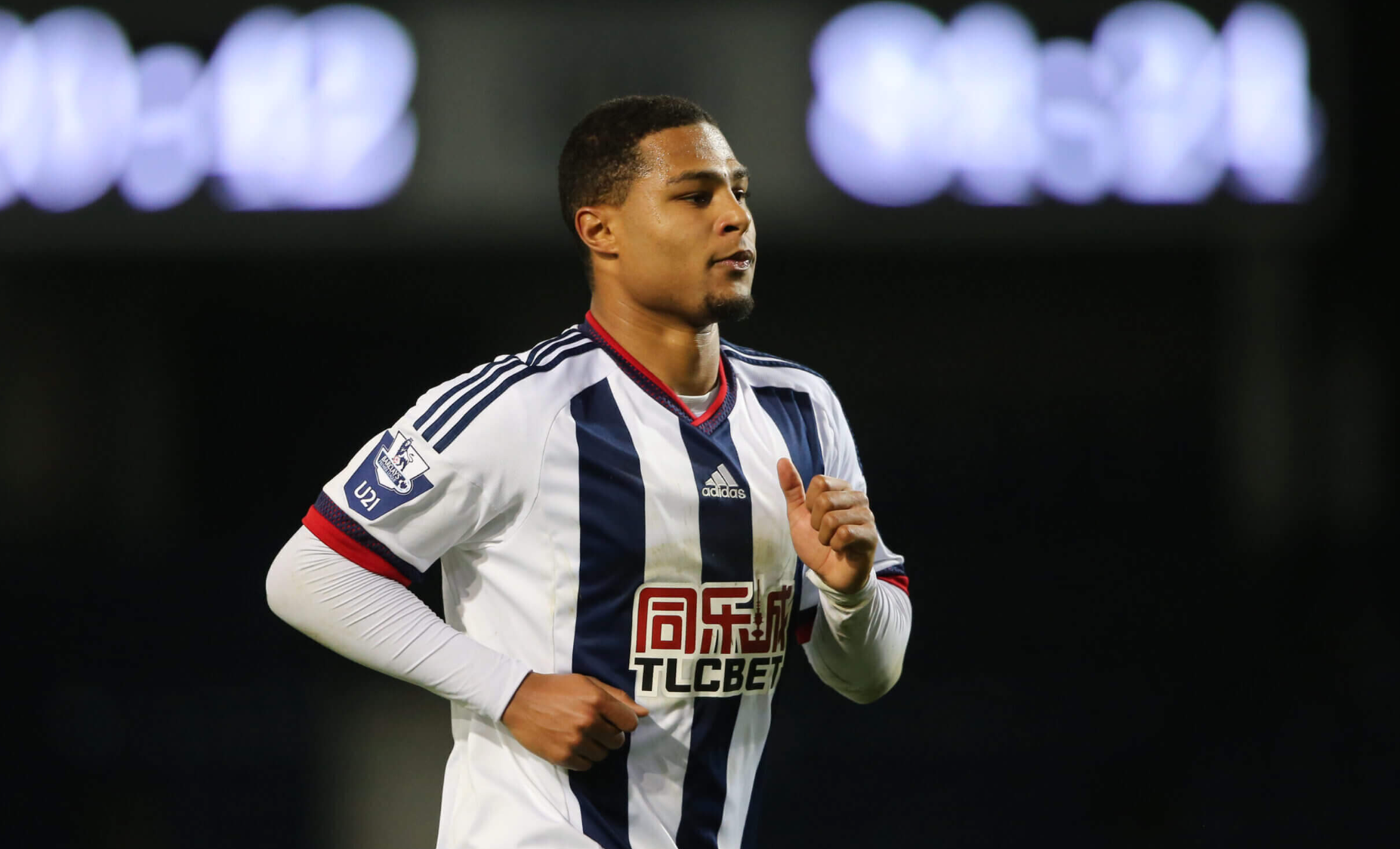
Serge Gnabry’s loan to West Brom became famous mainly because of what happened afterwards.
Arsenal sent the German winger to the Premier League club for the first half of the 2015/16 season.
Gnabry had missed much of the previous campaign with a serious knee injury and needed regular football.
He barely received any.
West Brom manager Tony Pulis publicly suggested that Gnabry was not ready to play at the required level. The winger made only three senior appearances and was recalled early.
Within a few years, Gnabry was starring for Bayern Munich.
He scored four goals against Tottenham in the Champions League, helped Bayern win the treble and became a regular German international.
His transformation made the West Brom loan look almost impossible.
Pulis was working with the player immediately after a long injury, so the situation was more complicated than one famous comment suggests.
Nevertheless, one of Europe’s most dangerous wingers once struggled to earn minutes in a team fighting near the lower half of the Premier League.
26. Ashley Cole — Crystal Palace
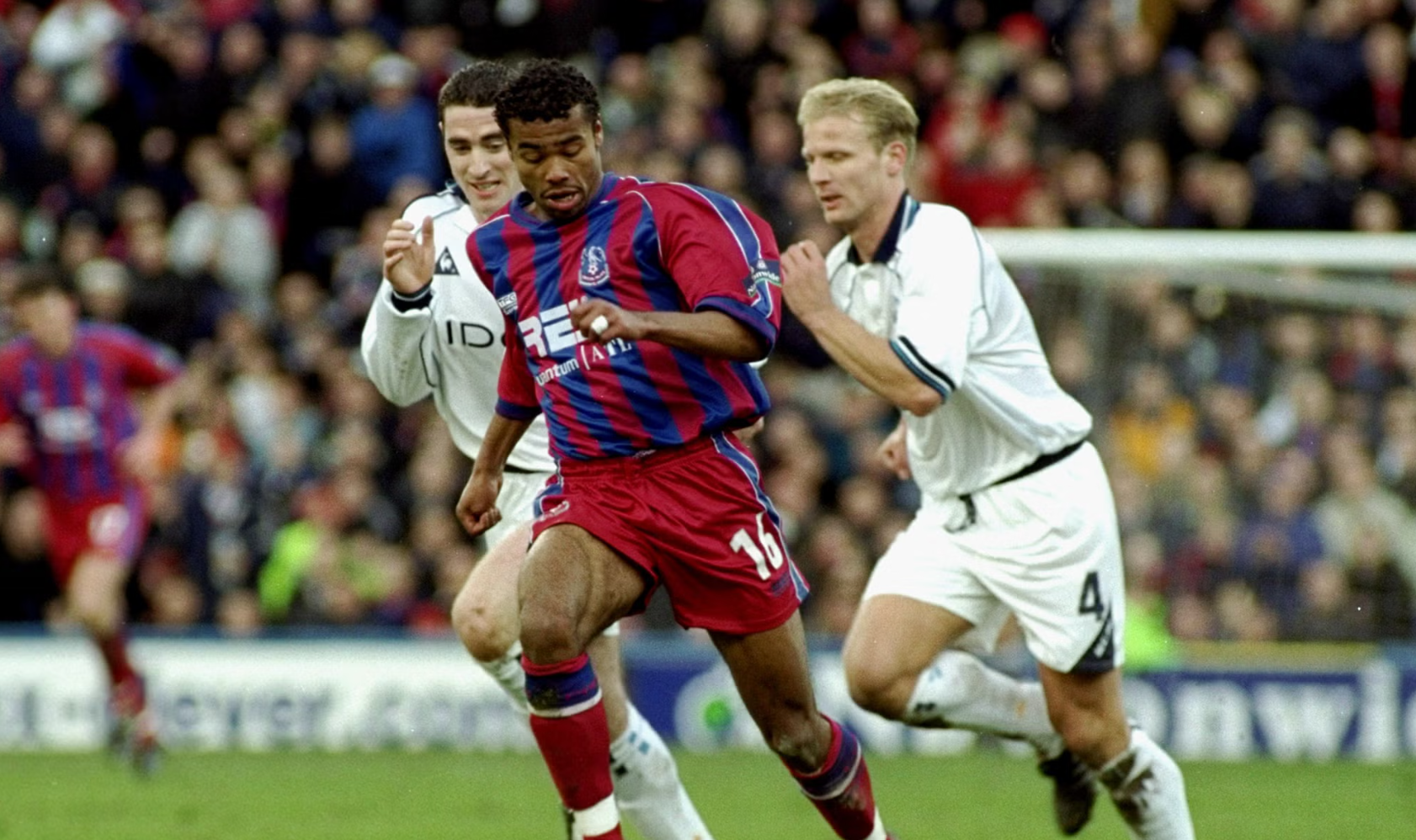
Ashley Cole made his professional breakthrough away from Arsenal.
The young left-back joined Crystal Palace on loan in February 2000.
Palace were experiencing serious financial difficulties, but the move gave Cole regular senior football in the second tier.
He made 14 appearances and scored one memorable long-range goal against Blackburn Rovers.
Cole’s speed and attacking instincts immediately stood out. Palace supporters recognised that the club had temporarily acquired an unusually gifted young defender.
He returned to Arsenal and quickly replaced Sylvinho as the first-choice left-back.
Cole became part of the Invincibles, won multiple Premier League titles and later moved to Chelsea, where he collected the Champions League and numerous domestic trophies.
He is widely regarded as one of the greatest left-backs of his generation.
Before becoming an Arsenal and Chelsea star, Cole spent several months helping a financially troubled Crystal Palace team survive a difficult season.
27. Jack Wilshere — Bolton Wanderers
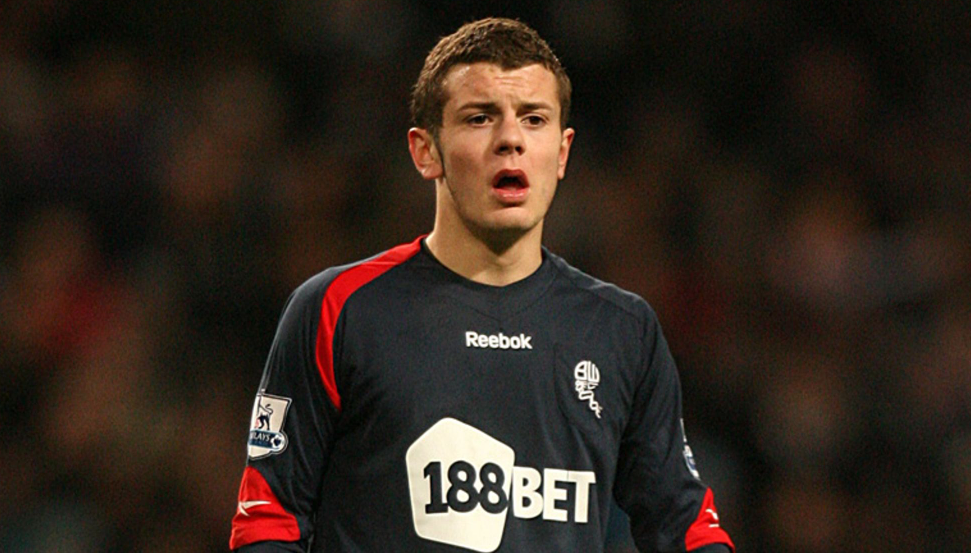
Jack Wilshere’s famous performance against Barcelona did not come directly after youth football.
Arsenal sent him to Bolton Wanderers in January 2010.
Wilshere was only 18 and needed experience in a physically demanding Premier League environment. Bolton manager Owen Coyle immediately trusted him.
The midfielder made 14 league appearances and scored his first Premier League goal against West Ham United.
Wilshere’s technical ability was obvious, but the loan also forced him to deal with the speed, physicality and defensive responsibilities of senior football.
Bolton wanted to keep him for another season. Arsène Wenger decided that Wilshere was ready for Arsenal’s first team.
During the following campaign, he became one of England’s most exciting young midfielders and won the PFA Young Player of the Year award.
Injuries later prevented Wilshere from fulfilling his potential.
His short period at Bolton remains one of the clearest examples of a loan successfully preparing a teenager for an immediate top-level breakthrough.
28. Joe Hart — Birmingham City
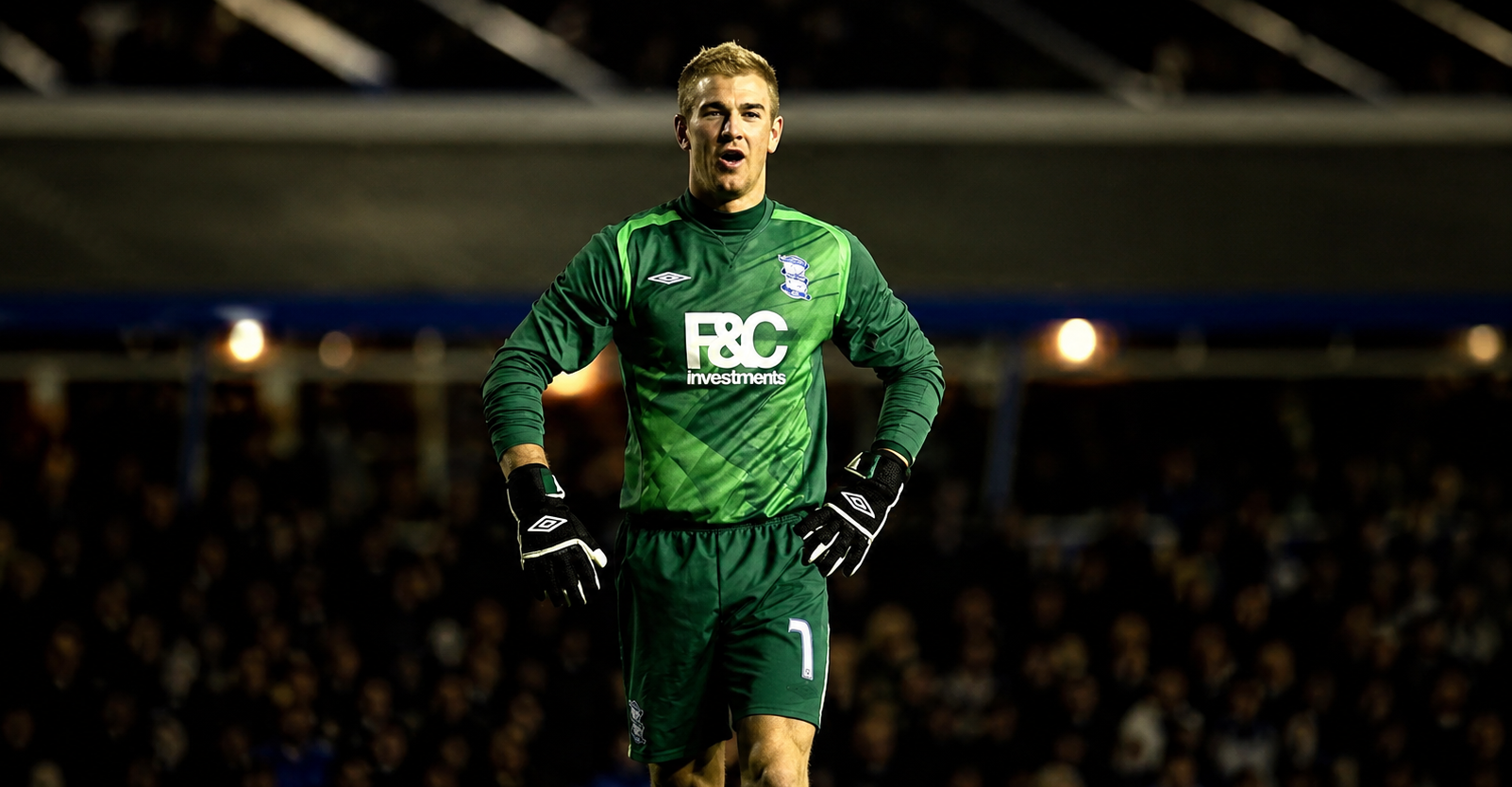
Joe Hart was not guaranteed a future as Manchester City’s first-choice goalkeeper when he joined Birmingham City on loan.
City had signed Shay Given, leaving Hart in need of regular football during the 2009/10 season.
Birmingham had just returned to the Premier League and were expected to struggle.
Hart produced an exceptional campaign.
He kept numerous clean sheets and helped Birmingham complete a club-record unbeaten league run. The newly promoted team eventually finished ninth.
Hart was selected for the PFA Team of the Year and established himself as one of England’s best goalkeepers.
He returned to Manchester City and immediately replaced Given as the number one.
Hart went on to win two Premier League titles, four Golden Glove awards and more than 70 England caps.
The Birmingham loan was not simply a forgotten temporary transfer. It was the season that changed his career.
Without it, City might not have trusted him with the starting position that he held for the next six years.
29. Jordan Henderson — Coventry City
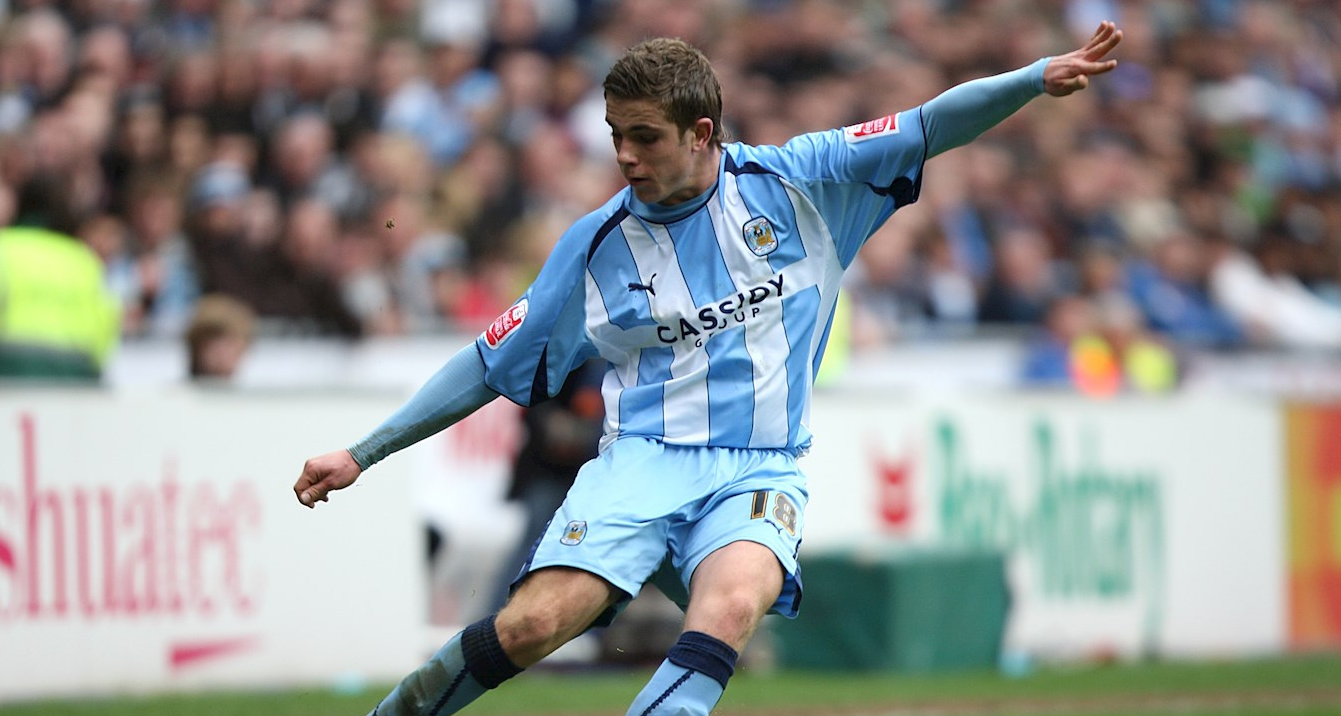
Jordan Henderson spent part of his first full senior season away from Sunderland.
The midfielder joined Coventry City in January 2009 at the age of 18.
Henderson made 13 appearances and scored his first professional goal against Norwich City.
His loan ended earlier than planned after he suffered a fractured metatarsal.
Despite the injury, the experience helped him become comfortable in senior football. Henderson returned to Sunderland and established himself in the Premier League during the following season.
Liverpool signed him in 2011.
His early years at Anfield were difficult, and the club once considered using him in a deal involving Fulham. Henderson stayed and eventually became Liverpool captain.
He lifted the Premier League, Champions League, FA Cup, League Cup and FIFA Club World Cup.
The midfielder who raised Liverpool’s greatest modern trophies earned his first significant senior minutes during an easily forgotten loan at Coventry.
30. Rodrigo — Bolton Wanderers
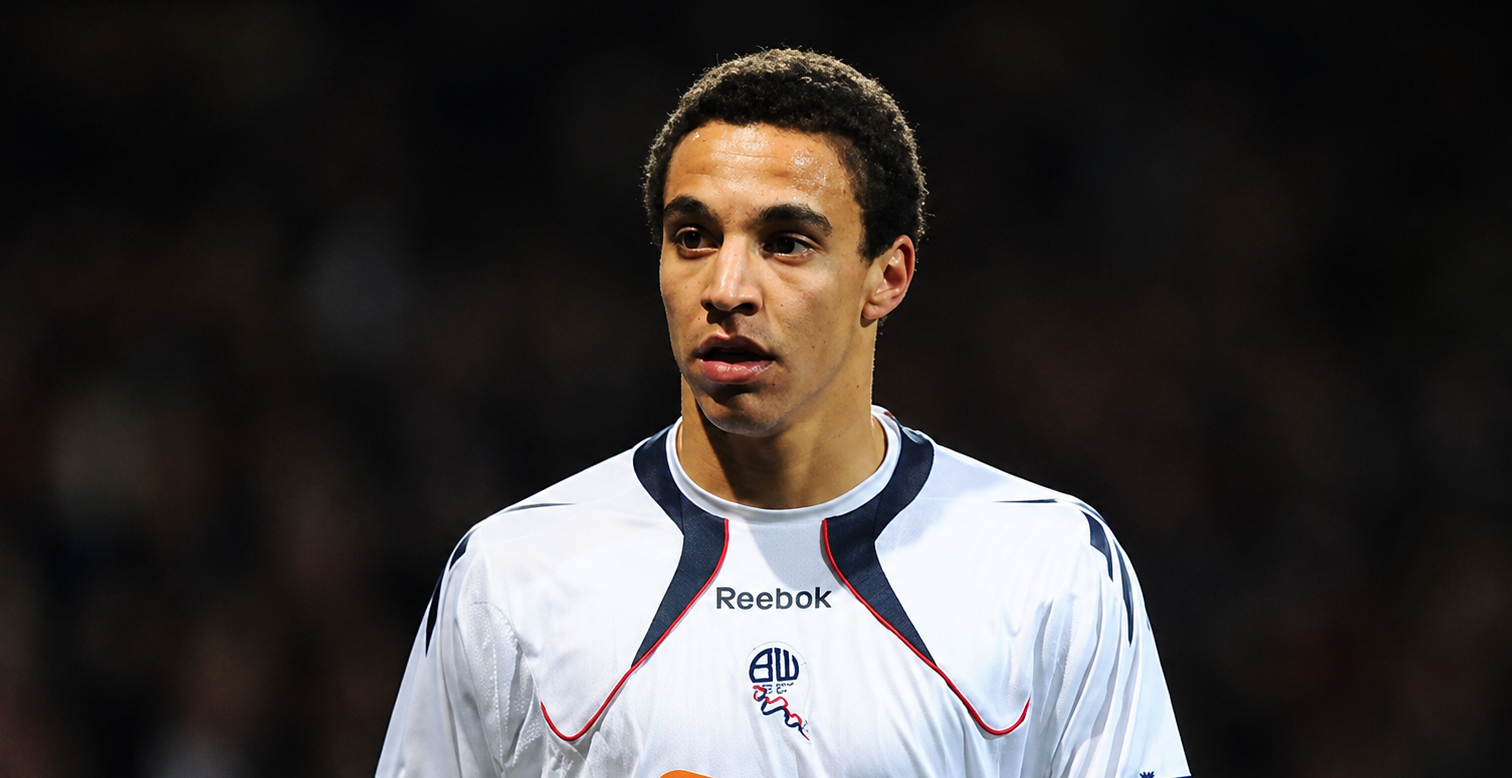
Long before Rodrigo Moreno became a Spanish international and Premier League striker, he spent a season on loan at Bolton Wanderers.
The forward had recently joined Benfica from Real Madrid’s academy when he moved to England for the 2010/11 campaign.
Rodrigo was only 19 and entered a Bolton attack containing Kevin Davies, Johan Elmander and Ivan Klasnić.
Regular playing time was difficult to find.
He made 21 appearances in all competitions but started only a small number of matches. Rodrigo scored one goal, against Wigan Athletic in the FA Cup.
He returned to Benfica and gradually developed into a much more complete forward.
Successful periods with Benfica and Valencia followed, along with senior appearances for Spain. Leeds United eventually brought him back to England in 2020 for a club-record fee.
Rodrigo’s first experience of English football had taken place a decade earlier.
The future Spain international was once a teenage Bolton loanee attempting to earn minutes behind Kevin Davies.
A Short Loan Can Change an Entire Career
Some loan spells last only a few weeks but still have enormous consequences.
Preston showed Beckham the realities of senior football. Swansea gave Lampard his first professional appearances, while Forest helped convince Chelsea that Terry was ready.
Courtois spent three full seasons transforming Atlético Madrid. Morientes used one campaign to eliminate his own parent club from the Champions League.
Davids helped reverse the direction of Barcelona without remaining long enough to win a trophy.
Those temporary moves are easily lost when a player later becomes permanently associated with another club.
A footballer may make hundreds of appearances in one shirt and only five in another.
Sometimes those five appearances are where the entire journey began.
Enjoyed this? Put your football knowledge to the test.
Play Guessballer →