
A footballer’s national team does not always reveal where he was born.
Some players were born abroad because their fathers were professional footballers. Others came from migrant families, moved countries as children or grew up with several legitimate international options.
There are also stories shaped by war, colonial history and displacement. Alphonso Davies was born in a refugee camp in Ghana. Eusébio was born in Mozambique when it was still a Portuguese colony. Erling Haaland entered the world in Leeds because his Norwegian father was playing in the Premier League.
A birthplace does not determine someone’s identity, and representing a different country does not make the choice artificial. In most cases, the footballer was raised, educated or developed in the nation he eventually represented.
That does not make the details any less surprising.
Here are 20 famous footballers who were born in countries you might never have expected.
1. Erling Haaland — Born in England, Represented Norway
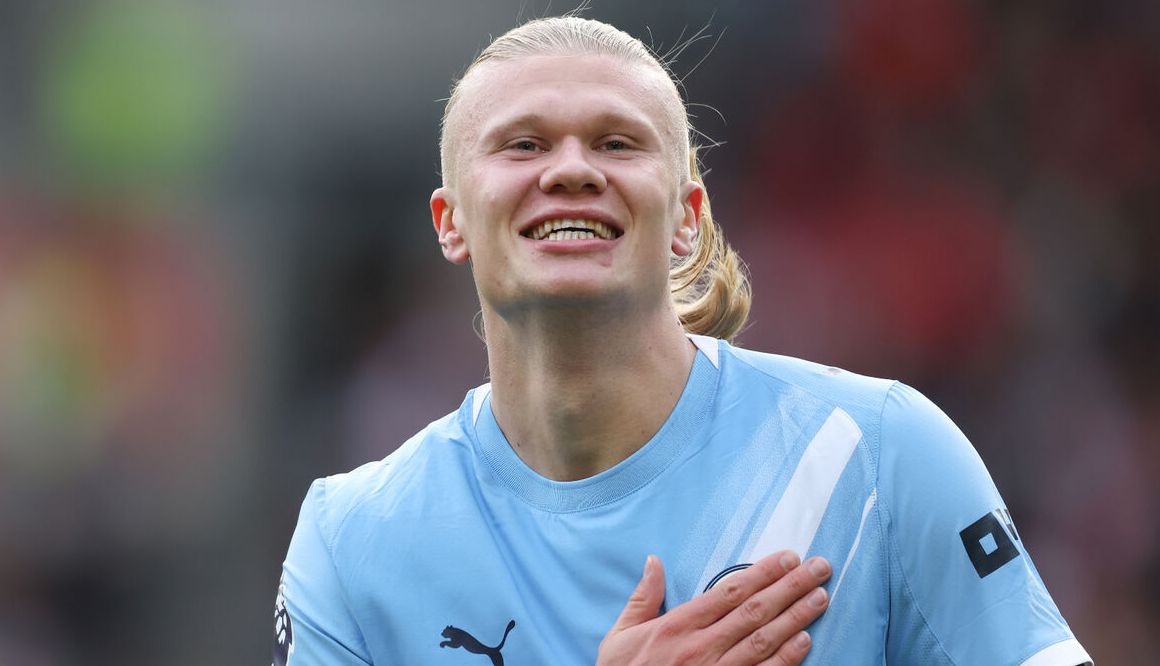
Erling Haaland looks like the ultimate Norwegian footballer.
He grew up in the small town of Bryne, developed in Norwegian football and became the most prolific striker in the history of Norway’s national team.
Haaland was not actually born in Norway.
He was born in Leeds, England, in July 2000. His father, Alf-Inge Haaland, was playing for Leeds United at the time after previously representing Nottingham Forest.
The family later remained in England when Alf-Inge moved to Manchester City. Erling was still a young child when they returned to Norway, where he spent almost his entire upbringing.
Haaland began playing football with Bryne before moving to Molde, Red Bull Salzburg, Borussia Dortmund and eventually Manchester City.
His birthplace has created an obvious hypothetical question: could he have represented England?
Being born in England did not automatically make an international switch straightforward, and Haaland’s connection to Norway was always considerably stronger. He represented the country at every youth level and never appeared likely to choose anyone else.
His Leeds connection nevertheless remains one of football’s most unusual birthplace stories.
One of the greatest strikers produced by Norway was technically born in Yorkshire — and later returned to England to terrorise Premier League defenders.
2. Raheem Sterling — Born in Jamaica, Represented England
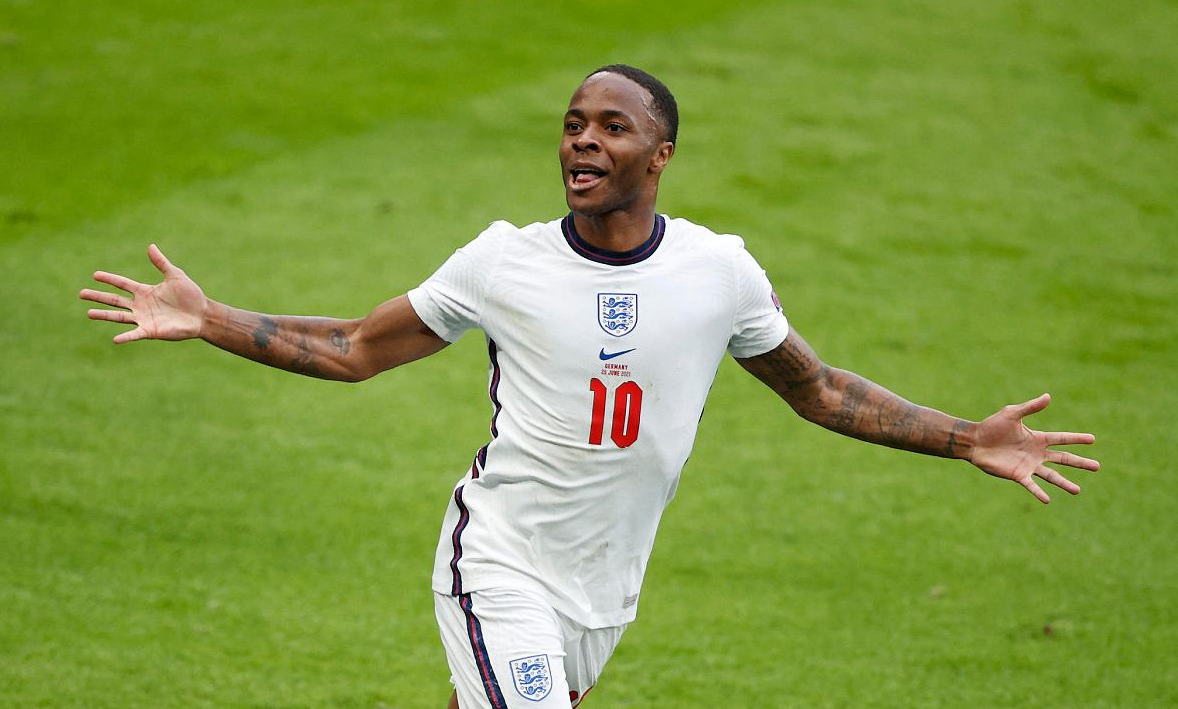
Raheem Sterling became one of the defining England players of his generation.
He represented the country at multiple World Cups and European Championships, scored important tournament goals and collected more than 80 senior caps.
Sterling was born in Kingston, Jamaica.
He spent the first years of his life in the Maverley district before moving to London with his mother at the age of five.
Sterling grew up near Wembley Stadium and joined Queens Park Rangers’ academy before Liverpool signed him as a teenager. He made his Premier League breakthrough at Anfield and later became one of Manchester City’s most productive attacking players.
Although Sterling has always spoken proudly about his Jamaican background, almost all of his football development took place in England.
He represented England at youth level before making his senior debut in 2012.
Sterling’s birthplace became especially visible during international tournaments, when his story was discussed as an example of the different backgrounds represented within the England team.
He scored three times during England’s run to the Euro 2020 final and had previously helped the country reach the 2018 World Cup semi-finals.
Many supporters naturally associate Sterling with London, Liverpool, Manchester and the England national team.
His story actually began thousands of miles away in the Jamaican capital.
3. Gonzalo Higuaín — Born in France, Represented Argentina
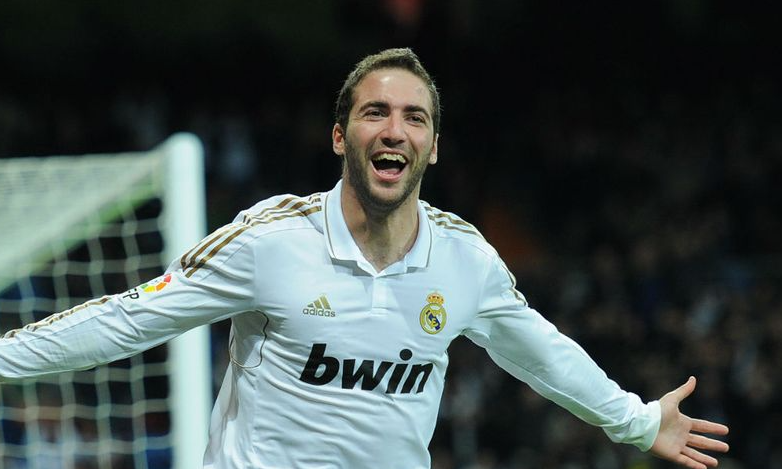
Gonzalo Higuaín spent his career representing some of the biggest clubs in Argentina, Spain and Italy.
His international identity was equally clear. He played more than 70 times for Argentina, appeared at three World Cups and started the 2014 final against Germany.
Higuaín was born in Brest, France.
His father, Jorge Higuaín, was a professional defender and was representing Stade Brestois when Gonzalo was born in December 1987.
The family returned to Argentina when the future striker was still a baby. Higuaín therefore had virtually no personal memory of living in France.
He developed at River Plate before Real Madrid brought him to Europe in 2007.
Higuaín later became a major goalscorer for Napoli and Juventus. He also represented AC Milan, Chelsea and Inter Miami.
Because of his French birthplace and family circumstances, he was connected with more than one possible international future. However, Higuaín identified with Argentina and eventually made his senior debut for the country in 2009.
He went on to score more than 30 international goals.
His record in major finals became a controversial subject among Argentina supporters, but his overall career was exceptional.
One of Argentina’s most recognisable strikers was born not in Buenos Aires, Córdoba or Rosario, but in the port city of Brest in north-western France.
4. Patrick Vieira — Born in Senegal, Represented France
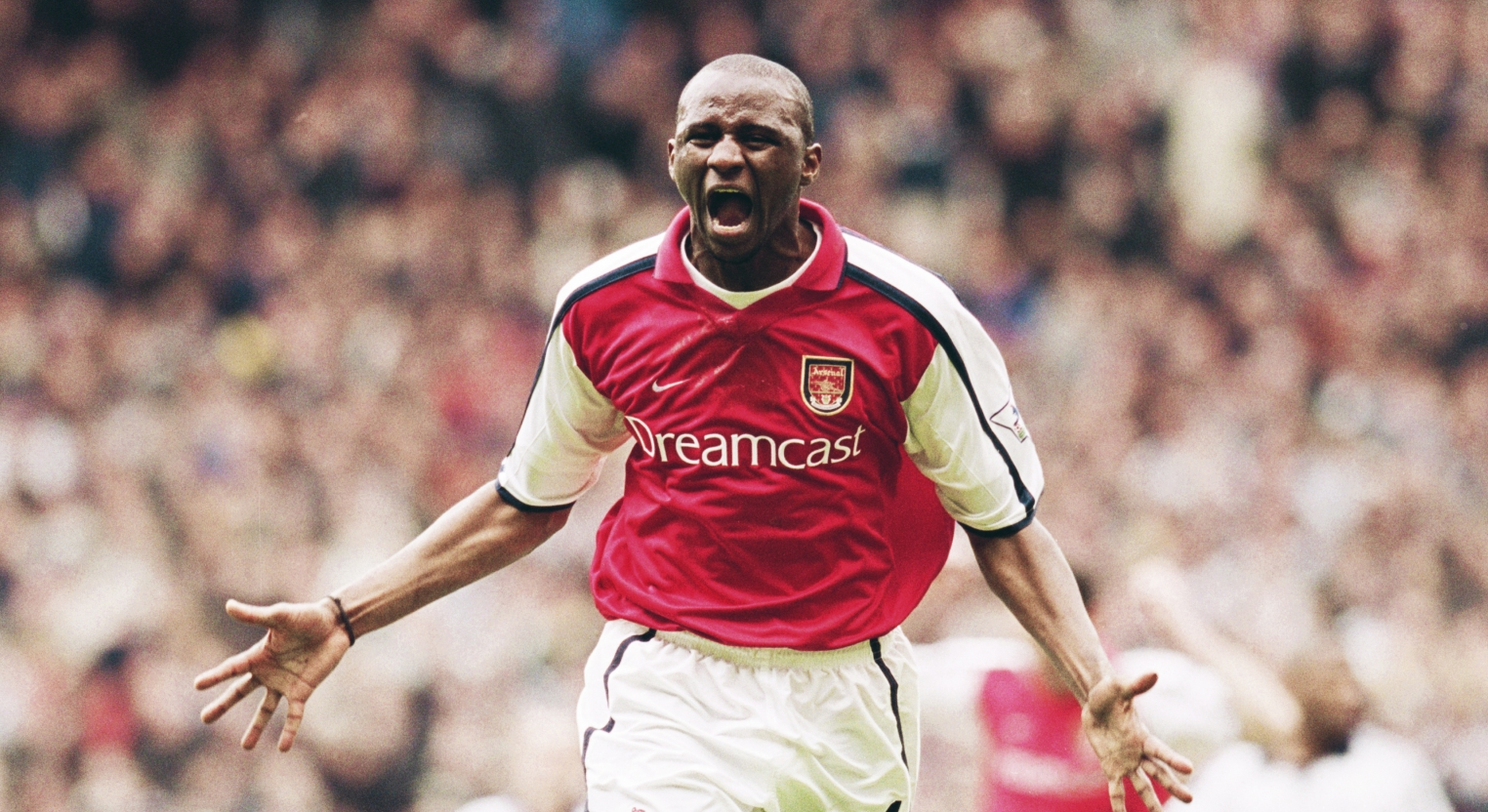
Patrick Vieira became one of the greatest midfielders in the history of French football.
He won the 1998 World Cup, Euro 2000 and the 2001 Confederations Cup. At club level, he captained Arsenal’s Invincibles and became one of the most dominant players of the Premier League era.
Vieira was born in Dakar, Senegal.
He moved to France as a child and grew up in the Parisian suburb of Dreux. His football development took place entirely within the French system.
Vieira began his senior career with Cannes before spending a short period at AC Milan. Arsène Wenger then brought him to Arsenal in 1996.
The transfer transformed both the player and the club.
Vieira’s strength, technique and competitive personality made him the centre of Wenger’s midfield. He formed a famous rivalry with Manchester United captain Roy Keane and eventually lifted the Premier League trophy as Arsenal completed the 2003/04 season without defeat.
For France, Vieira earned more than 100 caps.
He provided the pass for Emmanuel Petit’s goal in the 1998 World Cup final and later scored in the Euro 2000 quarter-final against Spain.
Vieira maintained a connection to Senegal, but he grew up in France and represented the country throughout his senior international career.
The French World Cup winner and Arsenal icon was born on the West African coast.
5. Eusébio — Born in Mozambique, Represented Portugal
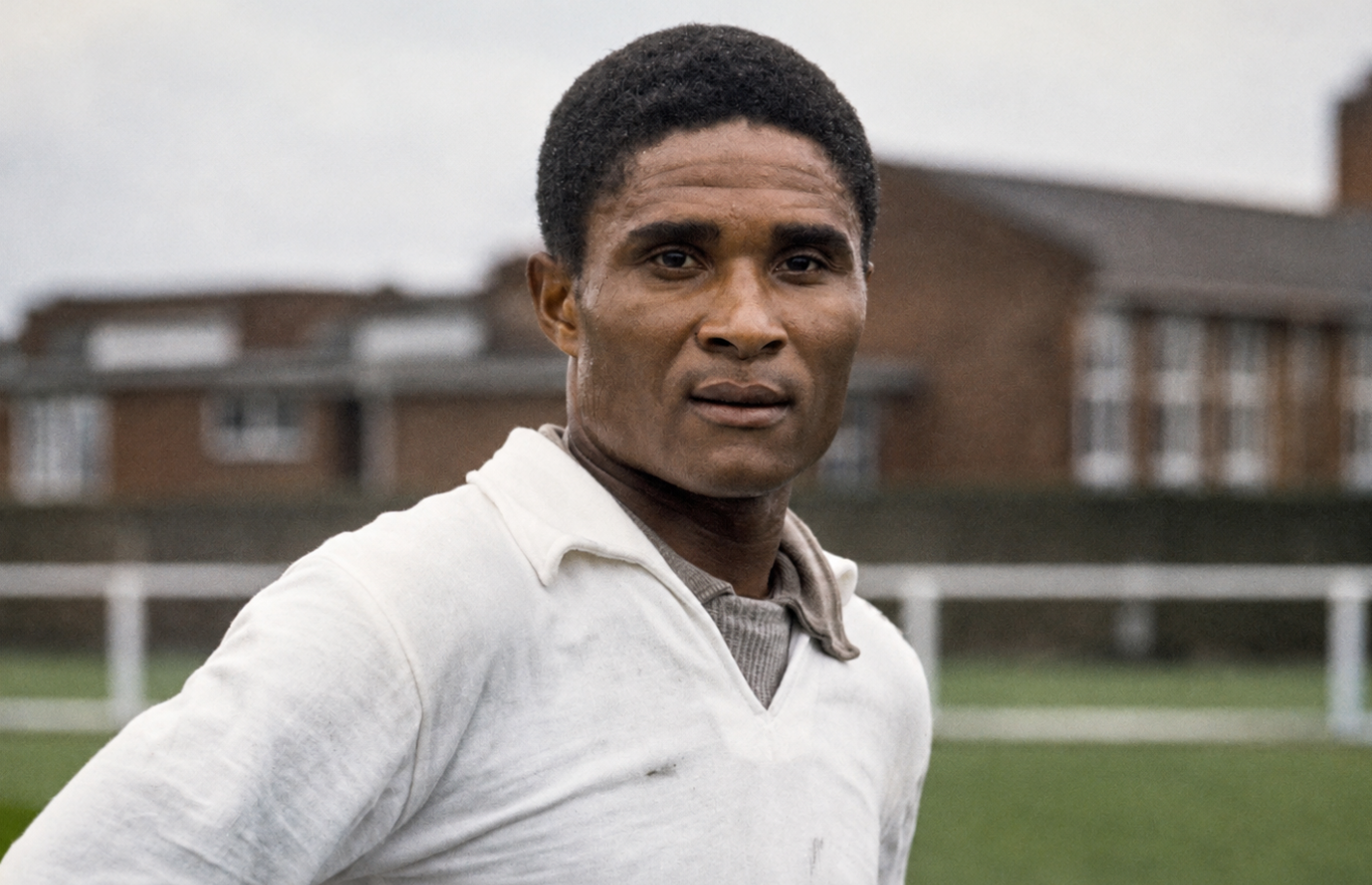
Eusébio remains one of the greatest footballers ever to represent Portugal.
He won the 1965 Ballon d’Or, scored hundreds of goals for Benfica and finished as the leading scorer at the 1966 World Cup.
He was born in Lourenço Marques, the city now known as Maputo, in Mozambique.
At the time of his birth in 1942, Mozambique was under Portuguese colonial rule. The modern independent country would not be established until decades later.
Eusébio grew up in the Mafalala neighbourhood and began his career with Sporting Clube de Lourenço Marques.
His extraordinary ability attracted interest from clubs in Portugal. Benfica eventually secured his signature, and he moved to Lisbon as a teenager.
Eusébio became the central figure in one of Europe’s strongest teams. His pace, power and explosive shooting helped Benfica win the 1962 European Cup.
He represented Portugal internationally because of the political and legal reality of the era.
At the 1966 World Cup, Eusébio scored nine goals as Portugal finished third. His four-goal performance in the comeback victory over North Korea remains one of the tournament’s greatest individual displays.
Eusébio became a Portuguese national icon, but the Black Panther’s life and football journey began in Mozambique.
6. Miroslav Klose — Born in Poland, Represented Germany
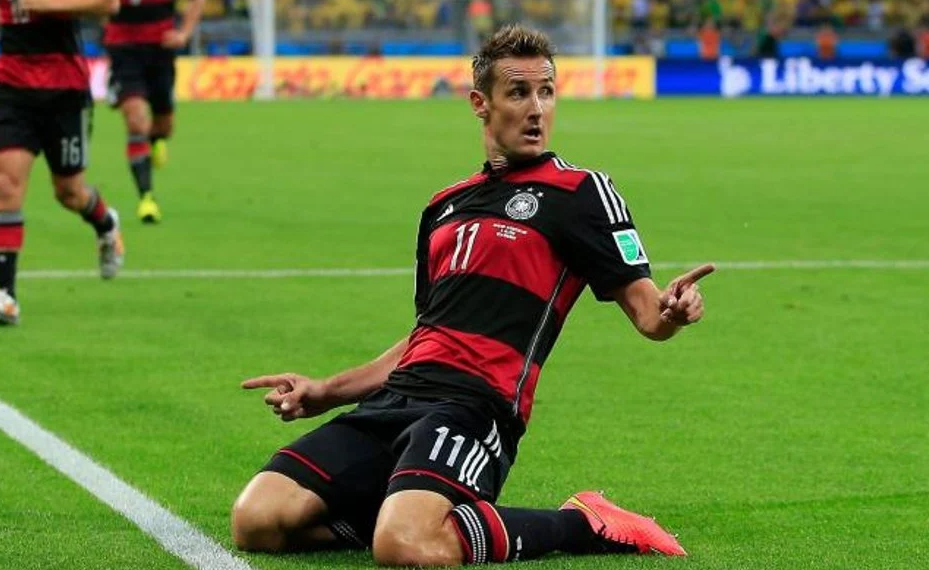
Miroslav Klose is the leading goalscorer in FIFA World Cup history.
He scored 16 times across four tournaments and helped Germany lift the trophy in 2014. He also remains the national team’s record goalscorer.
Klose was born in Opole, Poland, in 1978.
His birth name was Mirosław Marian Klose. Both of his parents were athletes: his father played professional football, while his mother represented Poland in handball.
The family moved to West Germany when Klose was a child.
His professional development was unusually slow for a future international superstar. Klose spent time in amateur football and did not make his Bundesliga debut until he was already in his early twenties.
Once established, he became one of Europe’s most dependable strikers.
Klose represented Kaiserslautern, Werder Bremen, Bayern Munich and Lazio. His greatest reputation, however, was built with Germany.
He scored five goals at the 2002 World Cup, another five in 2006 and four more in 2010. In 2014, he surpassed Ronaldo Nazário’s World Cup scoring record and finally became a world champion.
Klose’s birthplace and Polish background were never a secret, particularly in Germany and Poland.
Internationally, however, many supporters still assume the most prolific striker in German national-team history was born in Germany.
7. Thiago Alcântara — Born in Italy, Represented Spain
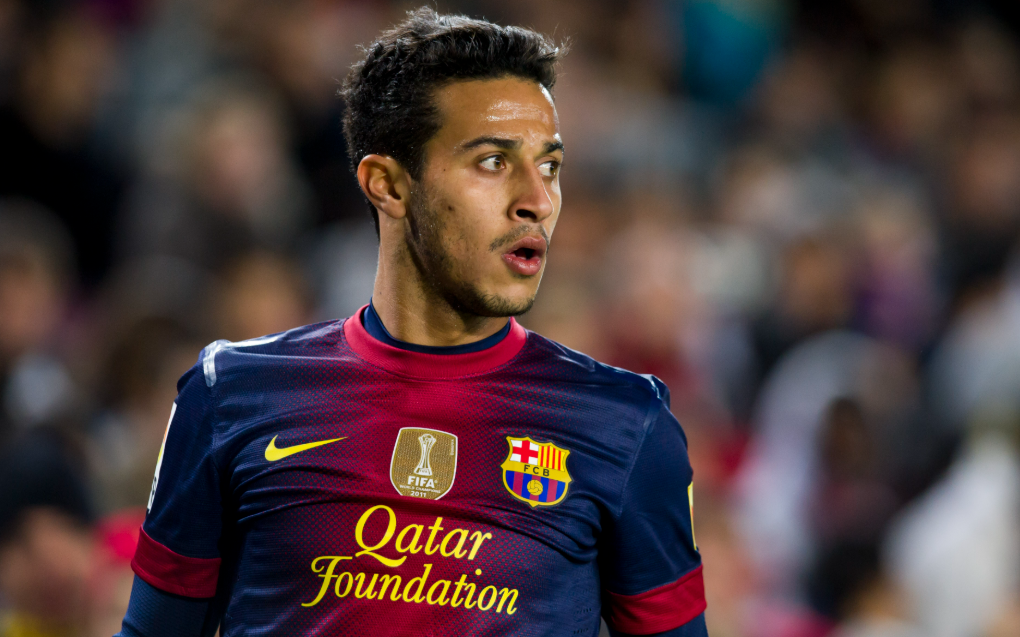
Thiago Alcântara possessed an unusually international background even by modern football standards.
He represented Spain, was born in Italy and came from a Brazilian family.
Thiago was born in San Pietro Vernotico in southern Italy. His father, Brazil international Mazinho, was playing for nearby Lecce at the time.
Mazinho later became a World Cup winner with Brazil in 1994.
Thiago spent parts of his childhood in Spain and Brazil before joining Barcelona’s academy. He developed into an elegant midfielder with exceptional close control and passing ability.
He could potentially have pursued several international paths.
Italy was his birthplace. Brazil was the country of his parents. Spain was where he completed most of his development and established his strongest football identity.
Thiago chose Spain and represented the country at youth and senior level.
His international career was affected by injuries and competition from an exceptional generation of midfielders, but he still collected dozens of caps and played at major tournaments.
At club level, Thiago won the Champions League with Barcelona and Bayern Munich before joining Liverpool.
His younger brother, Rafinha, made a different international choice and represented Brazil.
Thiago therefore belonged to a family in which two brothers born in Europe ultimately represented different national teams.
8. Marcel Desailly — Born in Ghana, Represented France
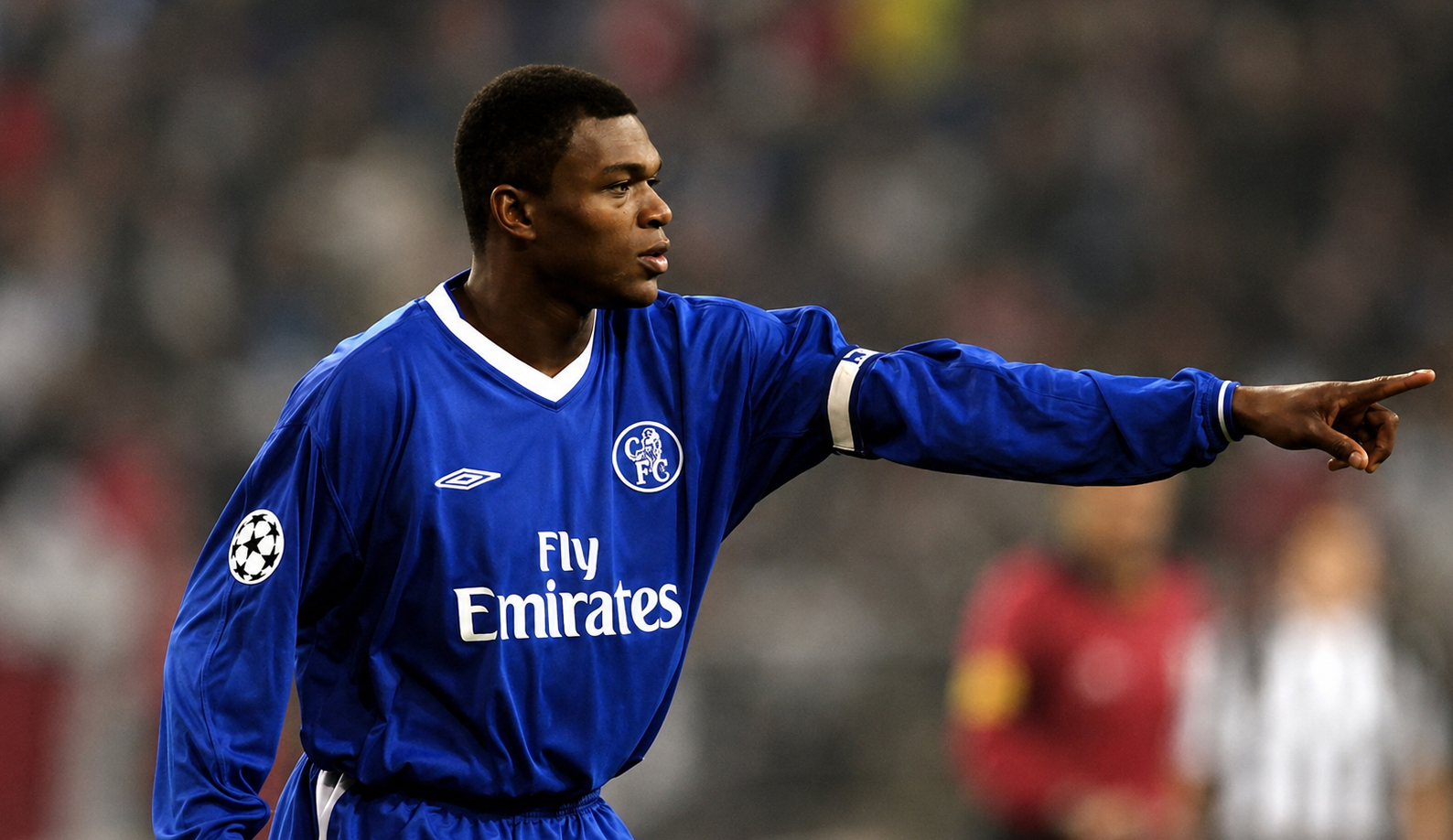
Marcel Desailly became one of the most successful defenders of the 1990s.
He won consecutive Champions League titles with Marseille and AC Milan, lifted the 1998 World Cup with France and became European champion two years later.
Desailly was born in Accra, Ghana.
He moved to France as a young child and adopted the surname of his mother’s husband. He grew up in Nantes and developed in the club’s respected academy.
Desailly began his career as a midfielder before becoming equally famous as a central defender.
His strength, anticipation and tactical intelligence allowed him to dominate in both positions.
At Milan, he became part of one of the greatest defensive teams in European history. He later joined Chelsea and served as the London club’s captain.
Desailly made more than 100 appearances for France.
He played throughout the country’s victorious 1998 World Cup campaign, although he was sent off in the final against Brazil after receiving two yellow cards.
Two years later, he captained France during part of its successful Euro 2000 campaign.
Desailly became completely associated with a historic French generation containing Zidane, Henry, Thuram, Vieira and Deschamps.
Like Vieira, however, his life began in West Africa.
9. Pepe — Born in Brazil, Represented Portugal
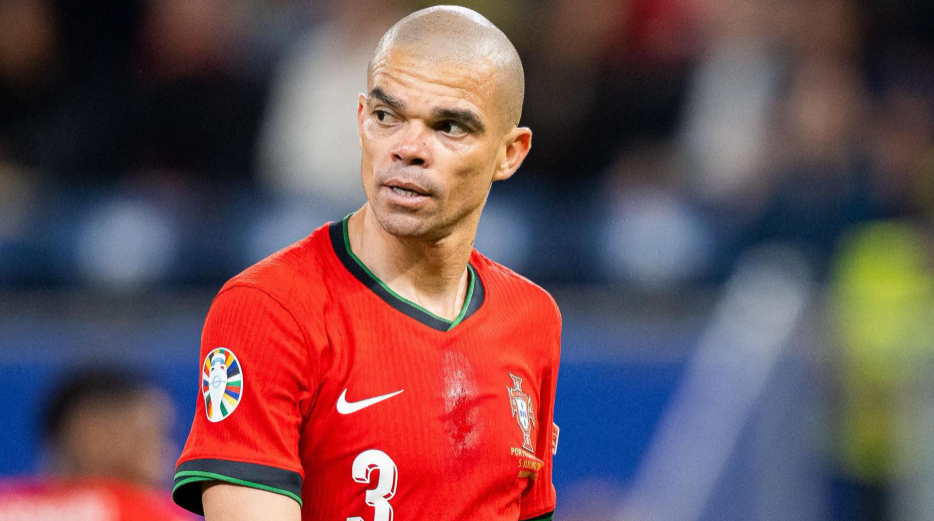
Pepe became one of the most recognisable defenders in Portuguese football history.
He represented Portugal at five European Championships, won Euro 2016 and remained an international player beyond his 40th birthday.
Pepe was born in Maceió, Brazil.
He grew up in the state of Alagoas before moving alone to Portugal at 18 to join Marítimo.
His early experience in Europe was far from glamorous. Pepe arrived with very little money and had to establish himself away from his family.
Strong performances in Madeira earned him a transfer to Porto. Real Madrid later signed him in 2007.
Pepe spent a decade in Spain, winning multiple La Liga and Champions League titles. His aggressive style made him controversial, but his speed, courage and defensive ability were undeniable.
He became eligible for Portugal after spending several years in the country and received citizenship in 2007.
Pepe made his international debut later that year.
His greatest achievement came at Euro 2016, where he produced an outstanding performance in the final against France as Portugal won its first major trophy.
Pepe played more than 140 times for his adopted country.
One of Portugal’s most committed and long-serving internationals was born on the opposite side of the Atlantic.
10. Deco — Born in Brazil, Represented Portugal
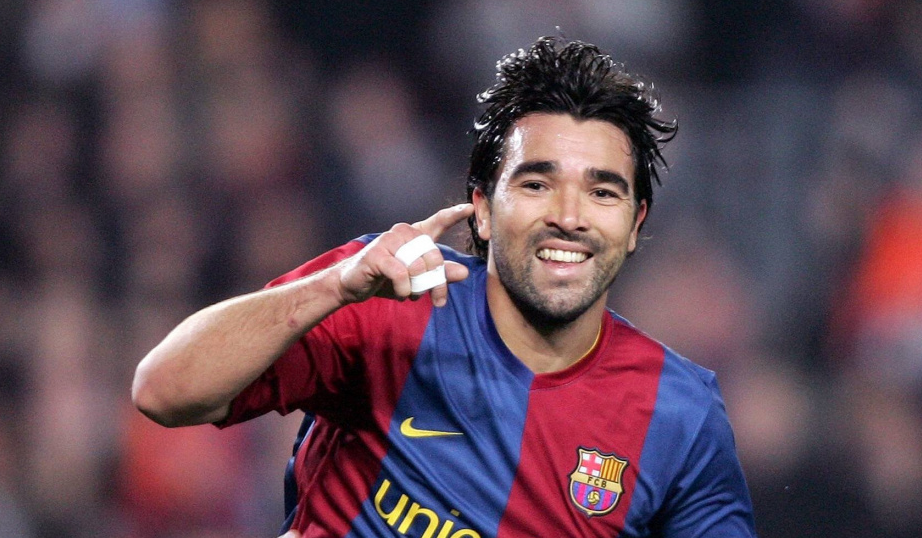
Deco was another Brazilian-born player who became a central figure for Portugal.
The midfielder was born in São Bernardo do Campo, near São Paulo.
He played youth and lower-level football in Brazil before moving to Portugal at 19. Deco initially joined Benfica but never received a meaningful first-team opportunity.
His career changed after moving to smaller Portuguese clubs and eventually joining Porto.
Under José Mourinho, Deco developed into one of Europe’s best creative midfielders.
He inspired Porto to win the UEFA Cup in 2003 and the Champions League one year later. His performances earned him a move to Barcelona, where he collected another Champions League title.
Deco became a Portuguese citizen after establishing his life and career in the country.
His international debut could hardly have been more symbolic. He played against Brazil and scored the winning goal from a free kick.
Some Portuguese figures initially questioned the selection of a naturalised player. Deco answered through his performances.
He helped Portugal reach the Euro 2004 final and the semi-finals of the 2006 World Cup.
Deco later played for Chelsea before finishing his career in Brazil.
He was born and raised in Brazil, but the most important years of his football development transformed him into one of Portugal’s finest midfielders.
11. Diego Costa — Born in Brazil, Represented Spain
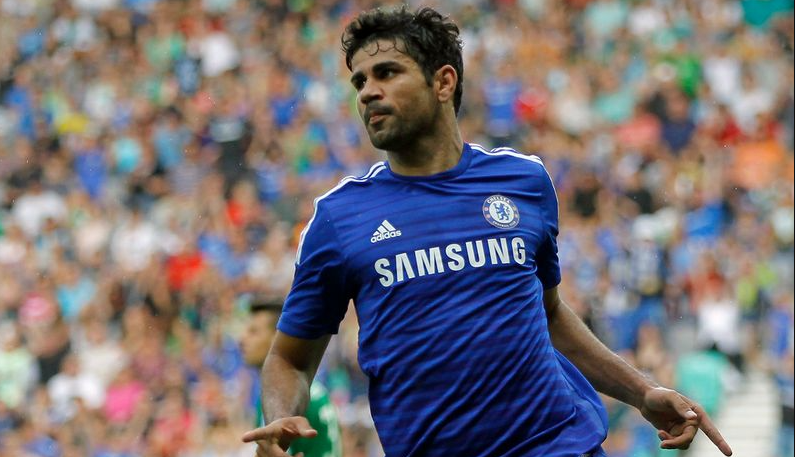
Diego Costa’s international story was considerably more controversial.
The striker was born in Lagarto, Brazil, and spent his childhood playing informal street football.
He did not enter a professional academy at a very young age and followed an unusual route into the European game.
Costa moved to Portugal before Atlético Madrid acquired his registration. A long sequence of loans followed before he eventually became one of La Liga’s most feared strikers.
His aggressive style, physical strength and goals helped Atlético win the Spanish league.
Costa became eligible to represent Spain after living and playing in the country for several years.
Before switching, he appeared twice for Brazil in friendly matches during 2013. Because those appearances were not competitive, he remained eligible for Spain.
Costa chose the Spanish national team and made his competitive debut shortly before the 2014 World Cup in Brazil.
The decision was not warmly received in his country of birth. Brazilian supporters jeered him during the tournament, while Spain suffered a surprise group-stage elimination.
Costa later represented Spain at the 2018 World Cup and scored three goals.
He became a successful Spanish international without losing the confrontational style developed during his Brazilian childhood.
12. Patrice Evra — Born in Senegal, Represented France
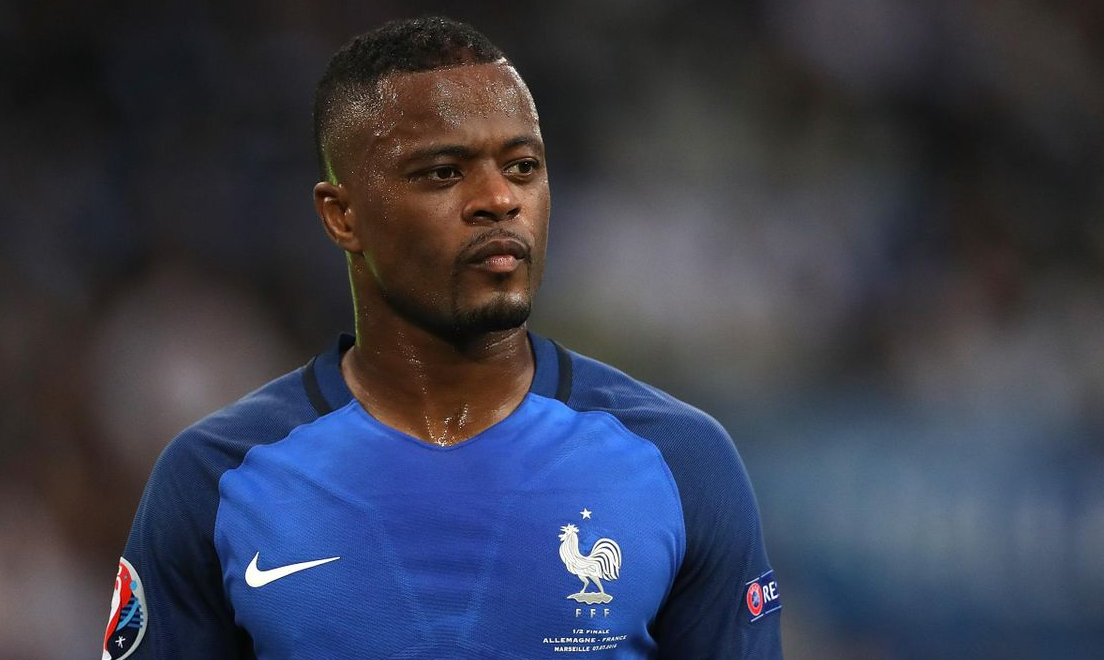
Patrice Evra became one of the Premier League’s most successful left-backs.
He won five English league titles and the Champions League with Manchester United before later representing Juventus and Marseille.
Evra was born in Dakar, Senegal.
His family moved several times during his childhood, first relocating to Belgium and later settling in the Paris region.
Evra grew up in a large family and began his football journey as an attacking player.
His professional career started in Italy’s lower divisions before he joined Monaco. There, he was converted into a left-back and became part of the team that reached the 2004 Champions League final.
Manchester United signed him in 2006.
After a difficult debut, Evra developed into one of Europe’s leading defenders. His energy, leadership and consistency made him a central member of Sir Alex Ferguson’s team.
Evra represented France more than 80 times and captained the national side.
His international career included several major tournaments, although it was also affected by the disastrous French campaign at the 2010 World Cup.
Evra always retained a clear connection to Senegal and often spoke about his background.
Nevertheless, his entire senior international career belonged to France.
13. Lukas Podolski — Born in Poland, Represented Germany
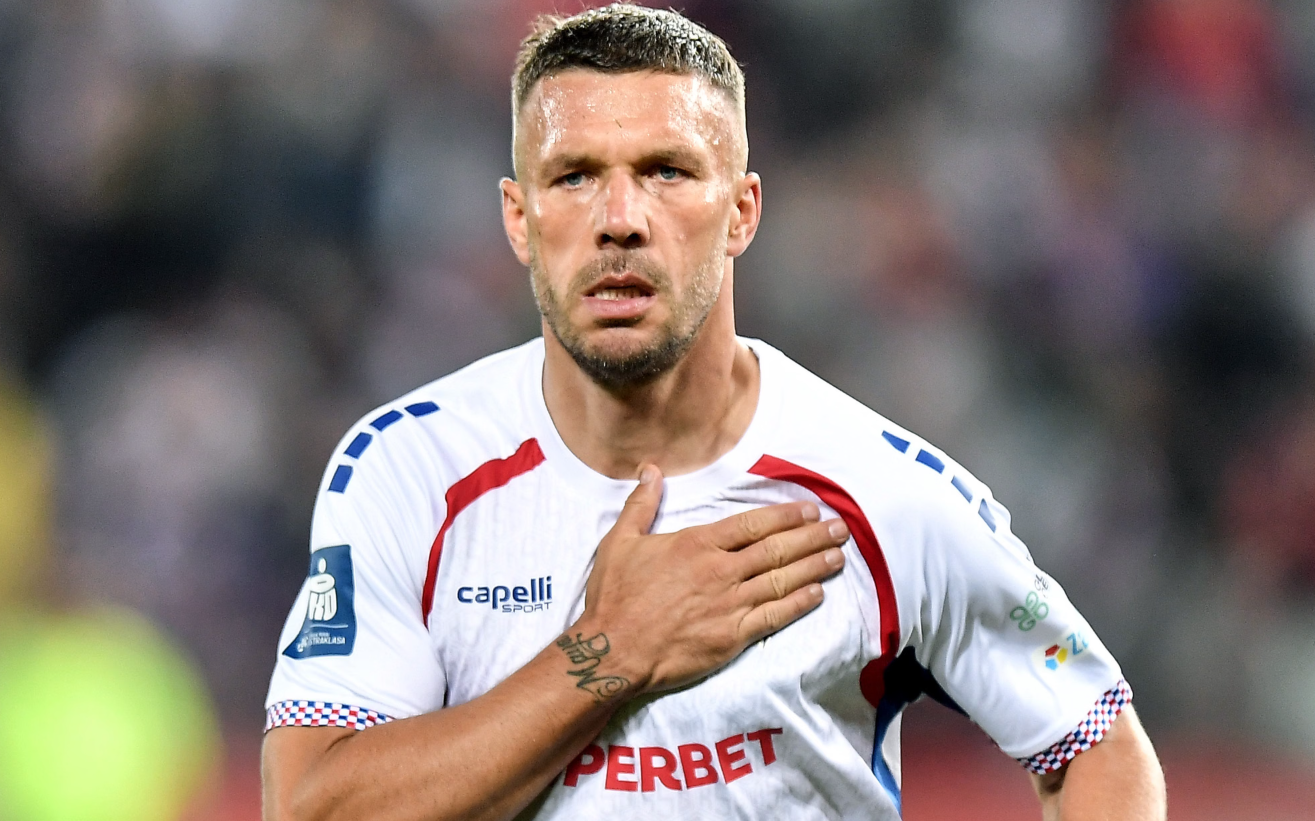
Lukas Podolski earned 130 caps for Germany and scored 49 international goals.
He represented the country at seven major tournaments and became a World Cup winner in 2014.
Podolski was born in Gliwice, Poland.
His family moved to West Germany when he was a young child and settled near Cologne. Podolski later developed through FC Köln’s academy and became one of the club’s most beloved players.
His powerful left foot and direct attacking style made him an international star.
Podolski scored three times at the 2006 World Cup and was named the tournament’s best young player. He added another three goals at Euro 2008 as Germany reached the final.
His club career included spells with Bayern Munich, Arsenal, Inter Milan, Galatasaray and teams in Japan and Turkey.
Podolski eventually completed his playing career in the country of his birth by joining Górnik Zabrze.
He had maintained a strong personal connection to Poland throughout his life and spoke the language. His loyalty to Germany at international level, however, was never seriously in doubt.
Podolski’s story demonstrates that national identity can contain more than one meaningful connection.
He was a German football legend who remained visibly proud of his Polish roots.
14. Riyad Mahrez — Born in France, Represented Algeria
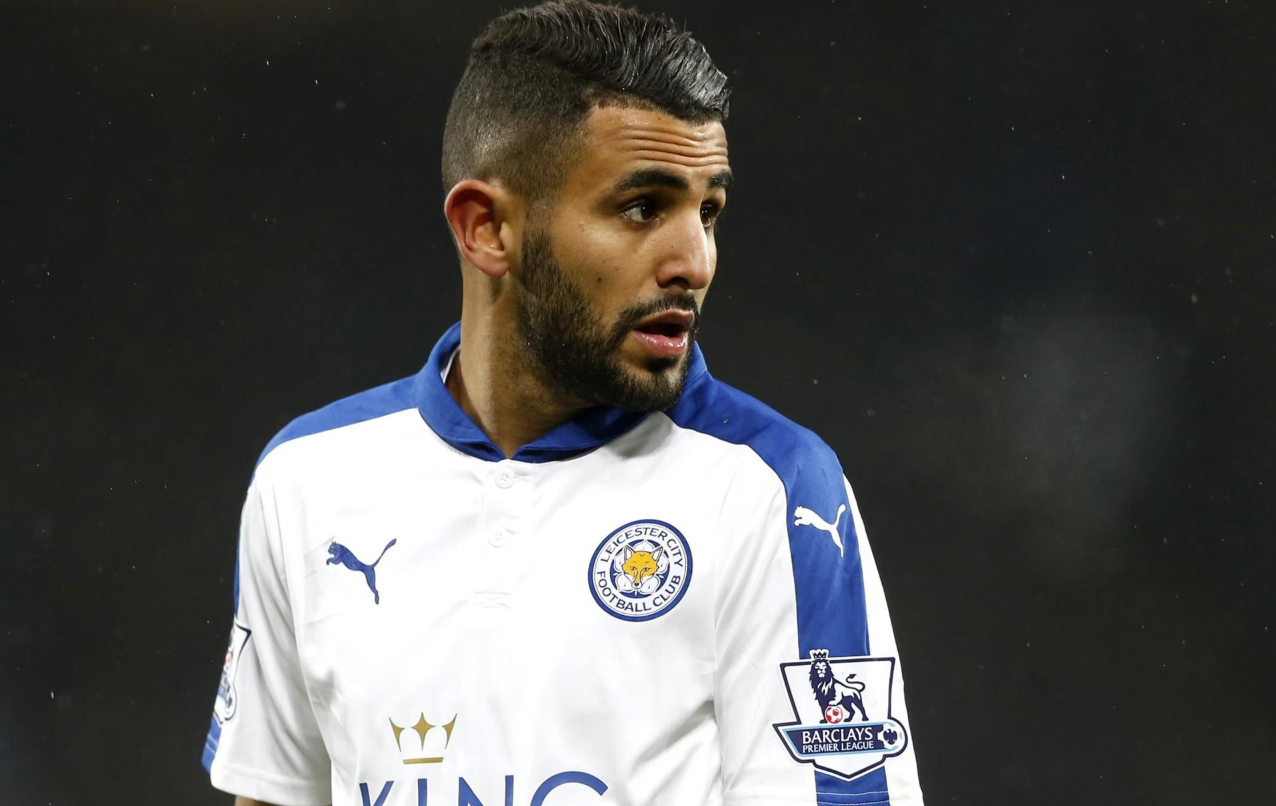
Riyad Mahrez became one of the greatest Algerian footballers in history.
He captained the country, won the Africa Cup of Nations and became its most successful player in the Premier League era.
Mahrez was born in France.
He grew up in Sarcelles, a diverse suburb in the northern part of the Paris metropolitan area. His father was Algerian, and Mahrez maintained a strong connection to the country throughout his childhood.
French clubs initially underestimated him because of his slight physique.
Mahrez progressed through Quimper and Le Havre before Leicester City signed him in 2014.
Two years later, he became the creative star of one of football’s greatest underdog stories.
Mahrez scored 17 league goals as Leicester won the Premier League and was named PFA Players’ Player of the Year.
He later joined Manchester City and won numerous domestic trophies and the Champions League.
Mahrez made his Algeria debut shortly before the 2014 World Cup.
His defining international moment arrived in the 2019 Africa Cup of Nations semi-final, when he scored a stoppage-time free kick against Nigeria. Algeria went on to win the tournament.
Mahrez learned his football in France but built his international legacy with Algeria.
15. Achraf Hakimi — Born in Spain, Represented Morocco
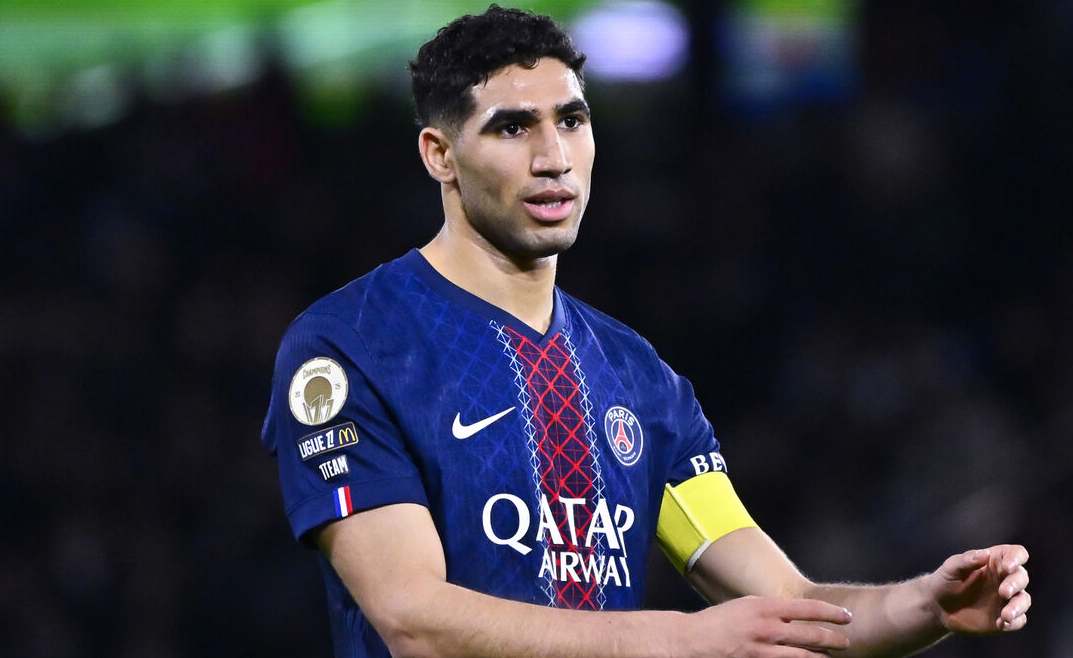
Achraf Hakimi was born in Madrid and developed in the academy of Spain’s most famous club.
The right-back joined Real Madrid at only seven years old and progressed through the entire youth system.
Hakimi made his senior debut under Zinedine Zidane and collected a Champions League medal before moving to Borussia Dortmund.
Despite his Spanish upbringing, Hakimi represented Morocco.
His parents had emigrated from Morocco to Spain, and he grew up with a strong connection to their culture and country.
Hakimi played for Morocco at youth level and made his senior international debut while still a teenager.
His decision became especially significant during the 2022 World Cup.
Morocco defeated Spain on penalties in the round of 16, with Hakimi scoring the decisive attempt through an audacious Panenka.
The team later became the first African and Arab nation to reach a World Cup semi-final.
Hakimi developed into one of the best attacking full-backs of his generation during spells with Dortmund, Inter Milan and Paris Saint-Germain.
Spain could certainly have used a player of his quality.
Hakimi’s identity and international preference, however, had always been closely connected to Morocco.
16. Pierre-Emerick Aubameyang — Born in France, Represented Gabon
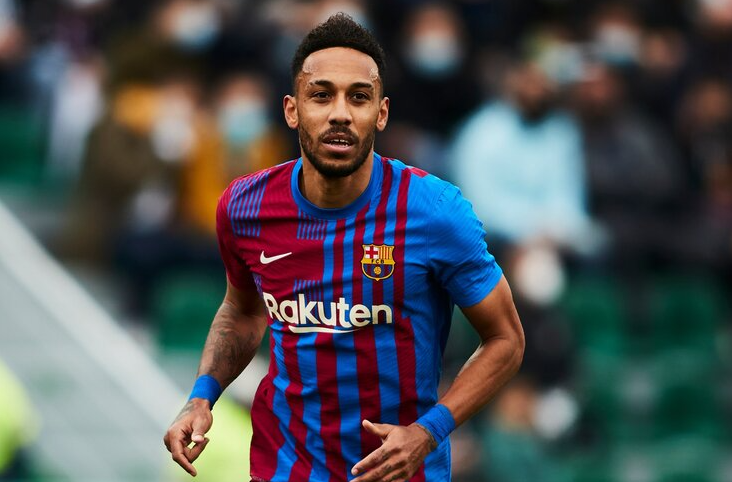
Pierre-Emerick Aubameyang became the greatest goalscorer in the history of Gabon’s national team.
He was actually born in Laval, France.
Aubameyang came from an international football family. His father, Pierre Aubameyang, captained Gabon and spent many years playing professionally in France.
His mother had Spanish roots, giving the future striker several possible international connections.
Aubameyang developed within AC Milan’s academy but spent several seasons on loan before establishing himself in French football.
His career exploded at Saint-Étienne and Borussia Dortmund.
Aubameyang became one of the fastest and most productive forwards in Europe, winning the Bundesliga top-scorer award before joining Arsenal.
He later captained Arsenal and scored twice in the club’s 2020 FA Cup final victory over Chelsea.
At international level, Aubameyang chose Gabon and became the symbol of the national team.
He represented the country at several Africa Cup of Nations tournaments and carried expectations that would normally be spread across a much larger football nation.
Aubameyang’s life and club career were strongly connected to France, Germany and England.
Internationally, his legacy belongs to Gabon.
17. Ivan Rakitić — Born in Switzerland, Represented Croatia
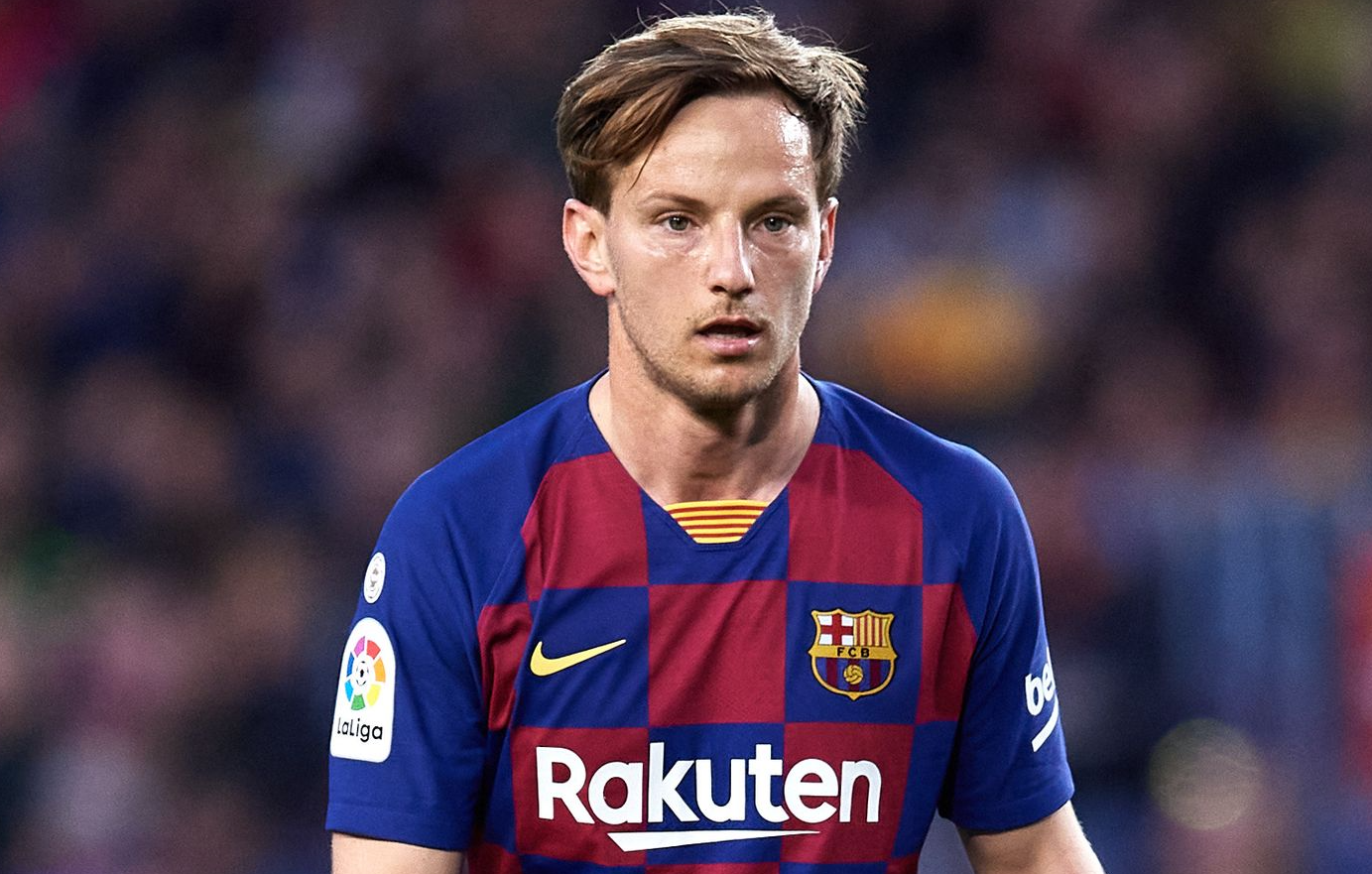
Ivan Rakitić helped Croatia reach the 2018 World Cup final and earned more than 100 caps for the country.
He was born in Rheinfelden, Switzerland.
Rakitić’s parents were Croatian, and the midfielder grew up within the Croatian community in Switzerland.
He developed at Basel and represented Switzerland at several youth levels.
As Rakitić approached senior international football, both Switzerland and Croatia wanted him.
He ultimately chose Croatia.
The decision was controversial in Switzerland, where he had been born, raised and developed as a footballer. Rakitić explained that his family identity and emotional connection led him toward Croatia.
His choice provided Croatia with one of the finest midfielders of its generation.
Rakitić represented Schalke, Sevilla and Barcelona. He captained Sevilla to Europa League success and later scored the opening goal in Barcelona’s 2015 Champions League final victory over Juventus.
At the 2018 World Cup, he converted decisive penalties in shootout victories over Denmark and Russia.
Croatia eventually lost the final to France, but Rakitić had helped a country of around four million people achieve its greatest football result.
His journey began not in Zagreb, Split or Dubrovnik, but in northern Switzerland.
18. Eduardo Camavinga — Born in Angola, Represented France
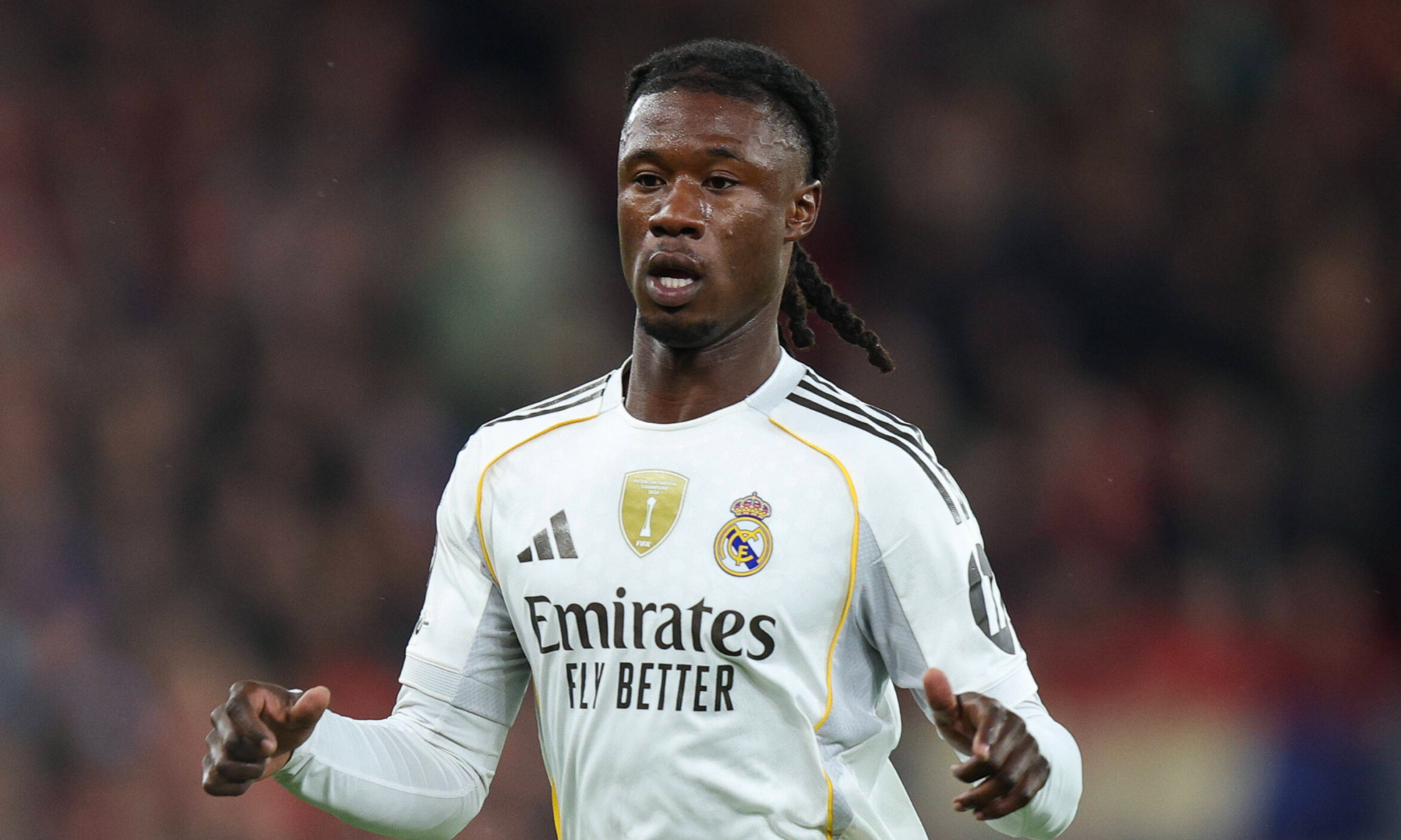
Eduardo Camavinga’s journey to the French national team began in Angola.
He was born in Cabinda to a family of Congolese origin that had fled conflict.
The family moved to France when Camavinga was a small child and settled in Brittany.
Camavinga initially practised judo before focusing on football. He joined Rennes’ academy and became the club’s youngest-ever first-team player.
His performances attracted attention across Europe.
Camavinga made his France debut at only 17 and became the country’s youngest senior international in more than a century.
He later joined Real Madrid and quickly collected major domestic and European trophies.
Camavinga can operate as a central midfielder, defensive midfielder or emergency left-back. His versatility made him a useful member of France’s squad at the 2022 World Cup.
He appeared as France reached the final and nearly completed a dramatic comeback against Argentina.
Camavinga’s birthplace is sometimes incorrectly described simply as the Democratic Republic of the Congo because of his family background.
He was born in Angola, raised in France and came from Congolese parents.
His story therefore crosses three different national contexts before reaching the highest level of European football.
19. Alphonso Davies — Born in Ghana, Represented Canada
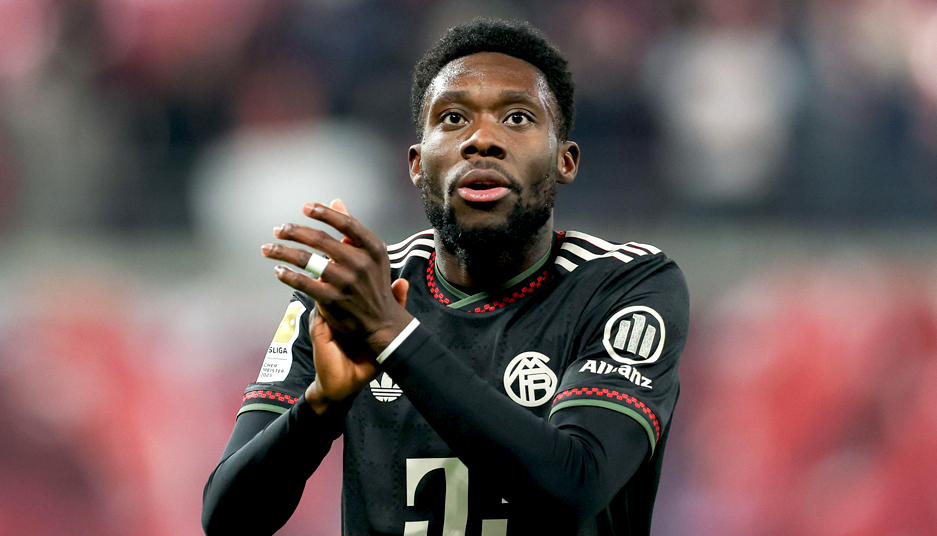
Alphonso Davies possesses one of the most remarkable backgrounds in modern football.
He was born in Buduburam, a refugee camp in Ghana.
His parents were Liberian and had fled the country’s civil war. Davies spent the earliest years of his life in the camp before his family was accepted for resettlement in Canada.
They moved to Edmonton when he was five.
Davies developed within the Canadian football system and joined the Vancouver Whitecaps academy. He made his professional debut in Major League Soccer at only 15.
Bayern Munich signed him while he was still a teenager.
Davies was converted from a winger into a left-back and became an important member of the Bayern team that won the 2020 Champions League.
He also became the face of a new era for Canadian football.
Davies scored Canada’s first-ever men’s World Cup goal during the 2022 tournament and later captained the national team.
Although he was born in Ghana, Davies did not receive Ghanaian citizenship simply through that birthplace. His parents were Liberian, while Canada became the country in which he grew up and built his life.
His journey from a refugee camp to the Champions League represents far more than an unusual birthplace fact.
20. Hakim Ziyech — Born in the Netherlands, Represented Morocco
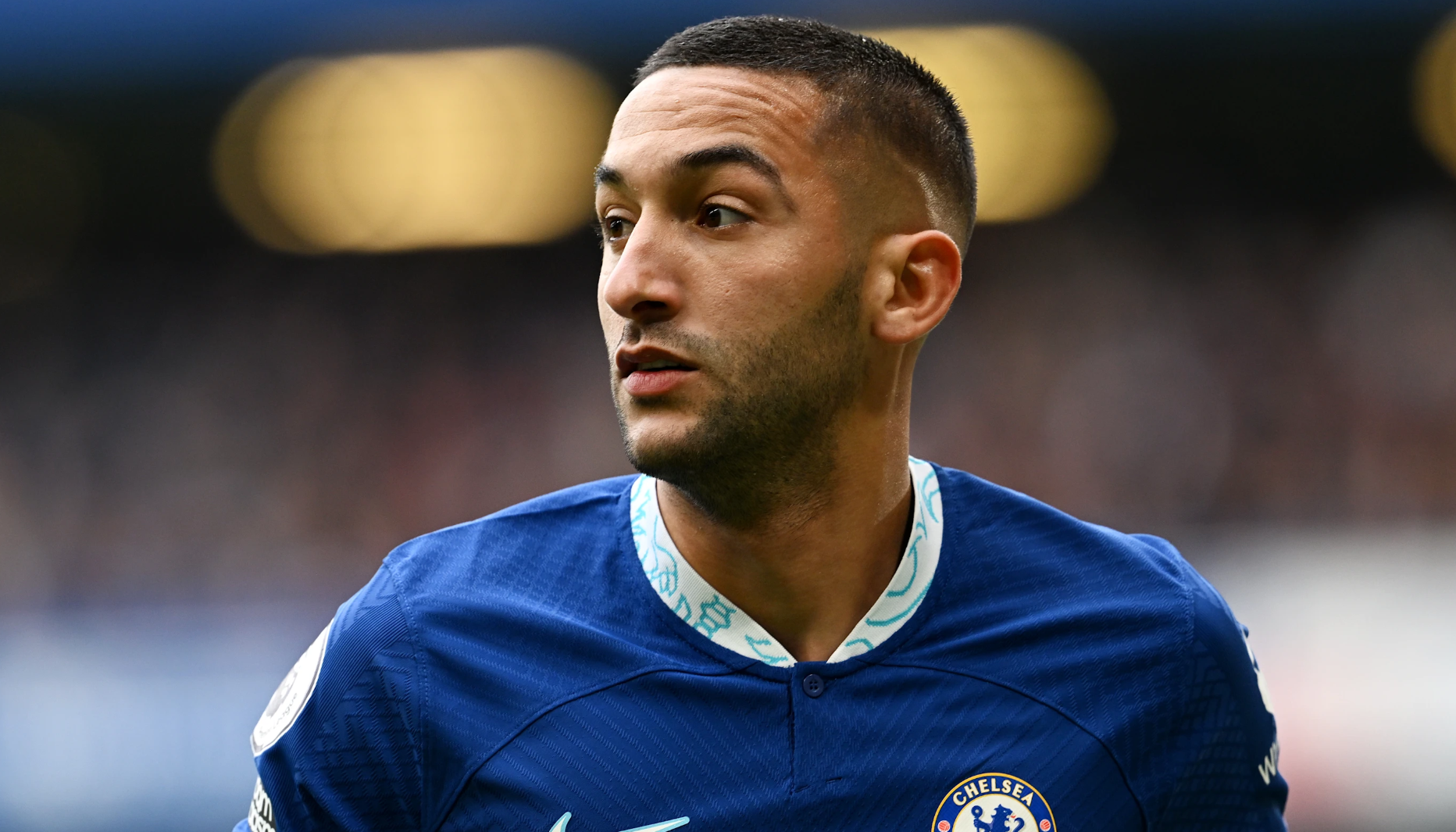
Hakim Ziyech became one of the central figures in the greatest World Cup run by an African nation.
He helped Morocco reach the semi-finals in 2022 and produced important performances against Belgium, Spain, Portugal and Canada.
Ziyech was born in Dronten, the Netherlands.
He grew up there in a Moroccan family and developed entirely within Dutch football.
Ziyech represented the Netherlands at several youth levels and became one of the best players in the Eredivisie.
After starring for Heerenveen and Twente, he joined Ajax. His creativity, left-footed passing and long-range shooting made him the attacking leader of the team that reached the 2019 Champions League semi-finals.
Ziyech was eligible to represent both the Netherlands and Morocco at senior level.
He chose Morocco and made his debut in 2015.
The decision generated criticism from some Dutch football figures, especially because Ziyech had the ability to compete for a place in the Netherlands team.
His achievements with Morocco ultimately justified the choice.
Ziyech later won the Champions League with Chelsea and became one of Morocco’s most famous footballers.
He was born, raised and trained in the Netherlands, but his greatest international moments came in the red shirt of Morocco.
21. John Barnes — Born in Jamaica, Represented England
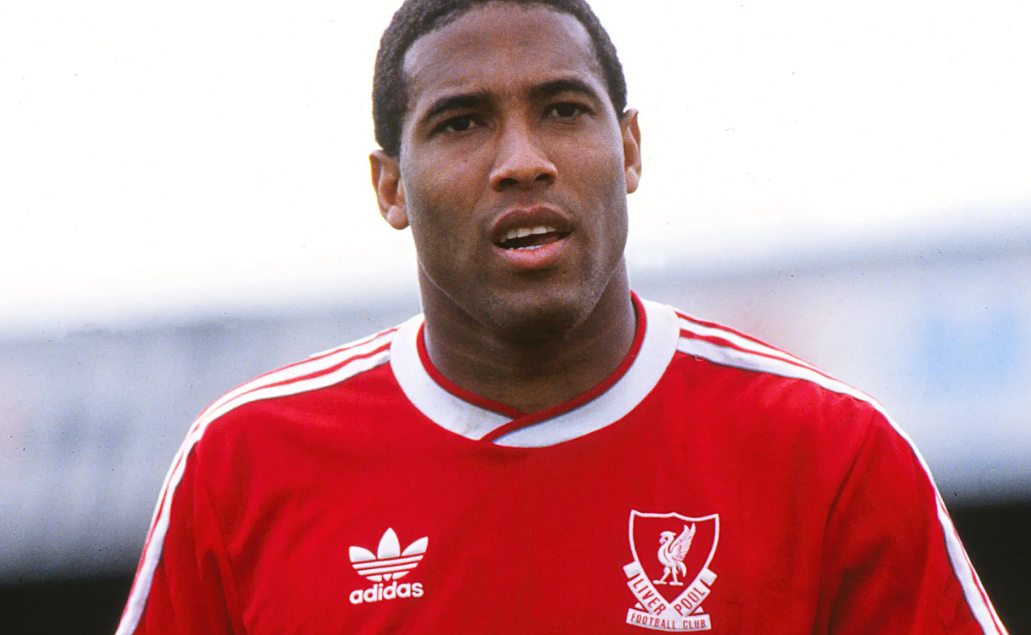
John Barnes became one of Liverpool’s greatest players and earned 79 appearances for England.
He was born in Kingston, Jamaica.
Barnes spent the first 12 years of his life on the Caribbean island. His father was a military officer and diplomat, and the family moved to London after he was appointed to a position at the Jamaican High Commission.
Barnes was discovered while playing amateur football and joined Watford as a teenager. His speed, strength and technical ability quickly made him one of the most exciting attackers in English football.
Liverpool signed him in 1987.
Barnes became the central creative figure in an outstanding team, winning two league titles and two FA Cups. He was also named Footballer of the Year twice.
His England career produced one of its most famous moments in 1984, when he dribbled through the Brazil defence and scored at the Maracanã.
However, Barnes was subjected to appalling racist abuse throughout his career. He later became an important public voice on racism, identity and social integration.
Because he played his entire professional career in Britain and became so closely associated with Liverpool and England, it is easy to assume that he was born there.
One of England’s most gifted wide players actually spent the first part of his childhood in Jamaica.
22. Claude Makélélé — Born in DR Congo, Represented France
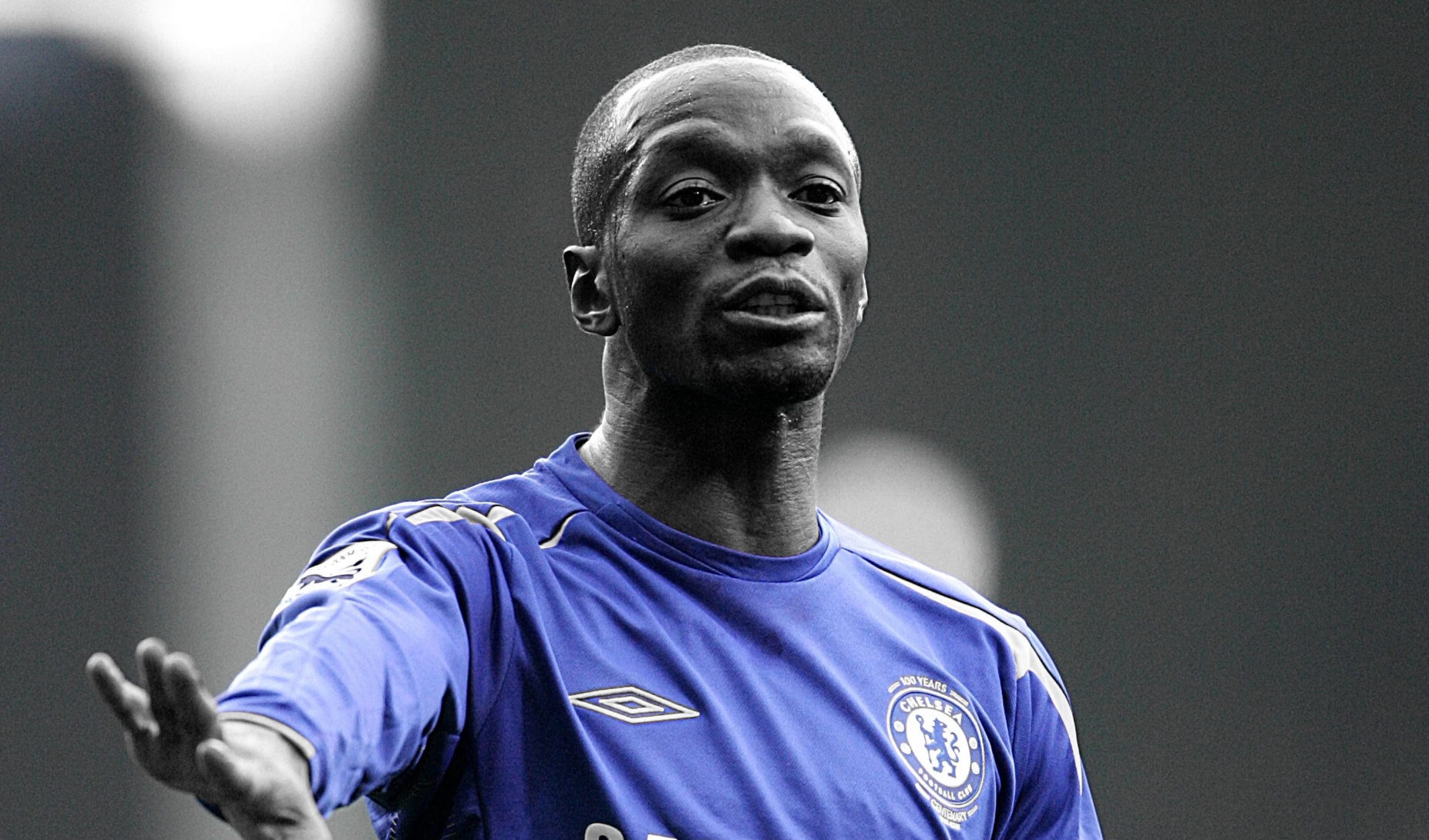
Claude Makélélé became so influential that an entire midfield position was effectively named after him.
The defensive role located in front of the back four became widely known as the “Makélélé role” following his successful periods with Real Madrid and Chelsea.
Makélélé was born in Kinshasa, in what was then known as Zaire and is now the Democratic Republic of the Congo.
His family moved to France when he was a young child. Makélélé developed within French football and began his professional career with Nantes.
He later represented Marseille and Celta Vigo before joining Real Madrid in 2000.
Although surrounded by more glamorous stars, Makélélé provided the defensive balance that allowed Madrid’s attacking players to express themselves. The club won two La Liga titles and the Champions League during his three seasons in Spain.
Chelsea signed him in 2003.
Under José Mourinho, Makélélé became the foundation of a team that won consecutive Premier League titles. His positioning, interceptions and simple distribution made him one of the most tactically important midfielders of his generation.
Makélélé earned 71 caps for France and helped the country reach the 2006 World Cup final.
He became completely associated with French football, but his story began in the Congolese capital.
23. Jorginho — Born in Brazil, Represented Italy
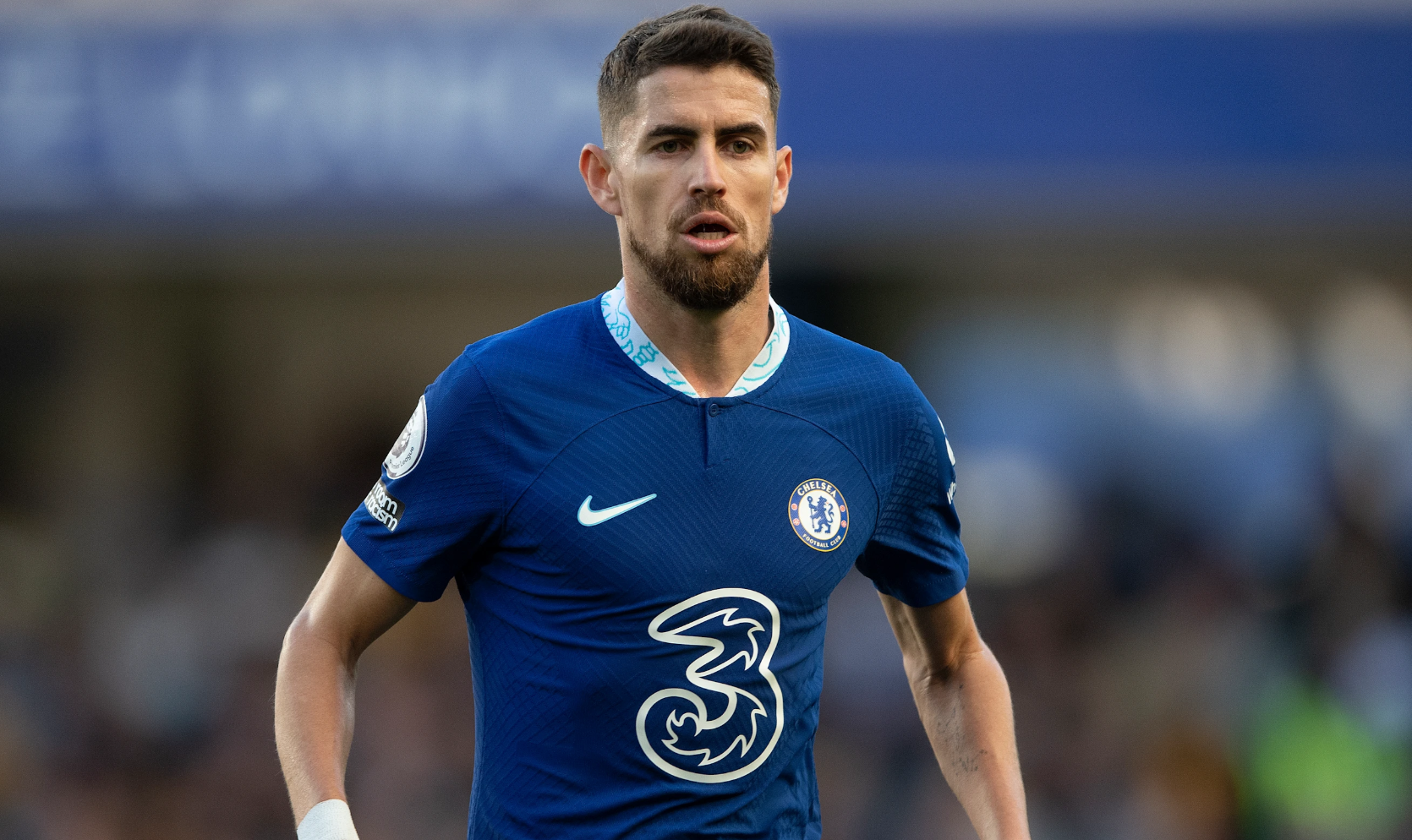
Jorginho became a European champion with both club and country in 2021.
He won the Champions League with Chelsea before playing a central role in Italy’s Euro 2020 triumph. His performances earned him the UEFA Men’s Player of the Year award and third place in the Ballon d’Or voting.
Jorginho was born in Imbituba, Brazil.
He grew up in the southern state of Santa Catarina and learned much of his football from his mother, who had also played the game.
At 15, Jorginho moved alone to Italy to pursue a professional career. The early years were difficult, but he progressed through Hellas Verona’s system and eventually established himself in Serie A.
A move to Napoli allowed him to develop into one of Europe’s most intelligent deep-lying midfielders.
Jorginho qualified for Italy through his family ancestry and chose to represent the country in which he had completed his football development.
He made his senior debut in 2016.
Five years later, he controlled Italy’s midfield during its successful European Championship campaign and scored the decisive penalty in the semi-final shootout against Spain.
His name, playing style and long career in Serie A made him seem naturally connected to Italian football.
Jorginho did not move to Italy until his teenage years. The future Azzurri midfielder had been born and raised in Brazil.
24. Mauro Camoranesi — Born in Argentina, Represented Italy
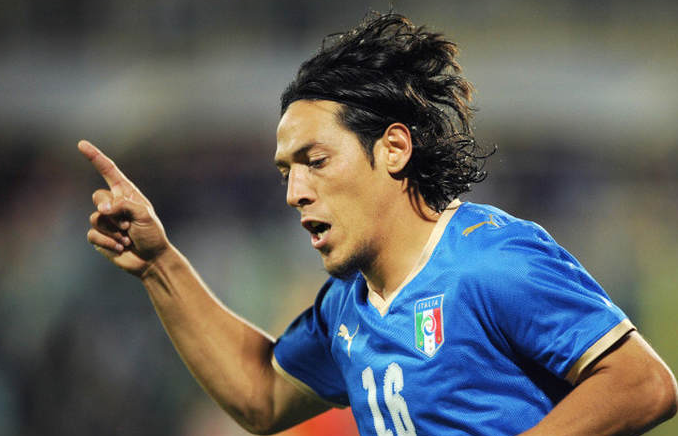
Mauro Camoranesi was the only member of Italy’s 2006 World Cup-winning squad who had been born outside the country.
The midfielder was born in Tandil, Argentina.
Camoranesi began his professional journey in South America but followed an unusual route toward European football. He played in Mexico and Uruguay before joining Italian club Verona in 2000.
His energetic performances and creativity on the right side of midfield attracted Juventus.
Camoranesi joined the Turin club in 2002 and remained there for eight seasons. He won major domestic honours and stayed with Juventus even after the club was relegated to Serie B following the Calciopoli scandal.
Because of his Italian ancestry, Camoranesi was eligible to represent the Azzurri.
He made his international debut in 2003 and became an important member of Marcello Lippi’s team.
Camoranesi appeared in five matches during the 2006 World Cup and started the semi-final victory over Germany. He also played during the final against France before being substituted in extra time.
Italy eventually won on penalties, making the Argentina-born midfielder a world champion.
Camoranesi later admitted that he still felt deeply Argentine culturally, even while representing Italy with complete commitment.
His story remains one of international football’s most successful examples of a player representing the country of his ancestors rather than the country of his birth.
25. Owen Hargreaves — Born in Canada, Represented England
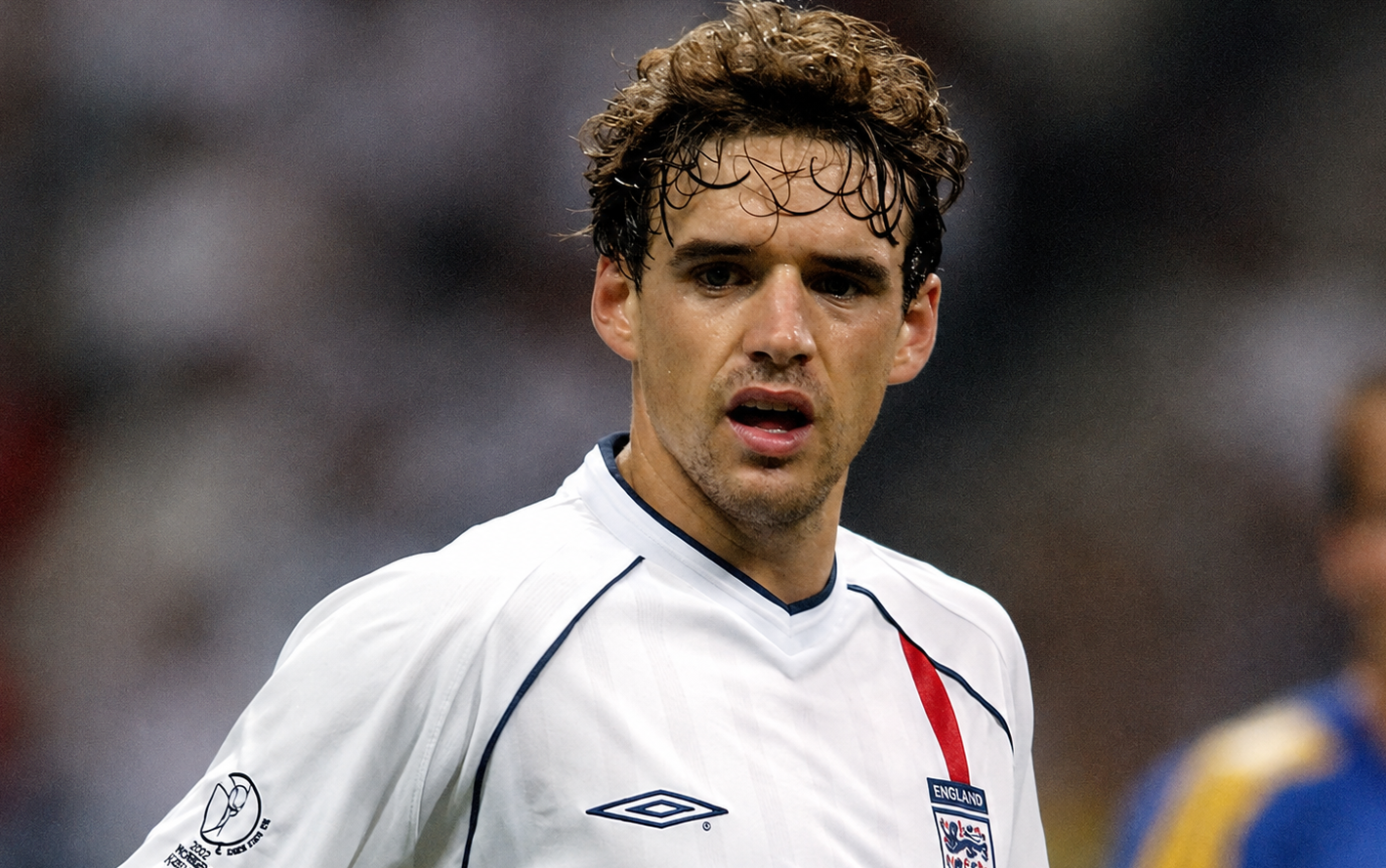
Owen Hargreaves had one of the most international backgrounds of any England player.
He was born in Calgary, Canada, to a Welsh mother and an English father.
Hargreaves grew up entirely in Canada and began his football development there. Unlike most future England internationals, he never joined an English academy and had not played professionally in the country before making his senior international debut.
Bayern Munich discovered him as a teenager.
Hargreaves progressed through the German club’s system and became part of the team that won the 2001 Champions League. His energy, tackling and versatility allowed him to operate in central midfield or at full-back.
He was eligible to represent Canada, Wales and England.
Hargreaves chose England because of his father’s background, although the decision initially caused scepticism among some supporters who viewed him as an outsider.
His performances eventually changed that perception.
Hargreaves was arguably England’s best player at the 2006 World Cup and was voted the national team’s player of the year.
Manchester United signed him in 2007, and he helped the club win the Premier League and Champions League during his first season.
Injuries later destroyed much of his career, but Hargreaves still collected 42 England caps.
One of the team’s best tournament midfielders of the 2000s was a Canadian-born, Germany-developed player who had several possible international identities.
26. Samuel Umtiti — Born in Cameroon, Represented France
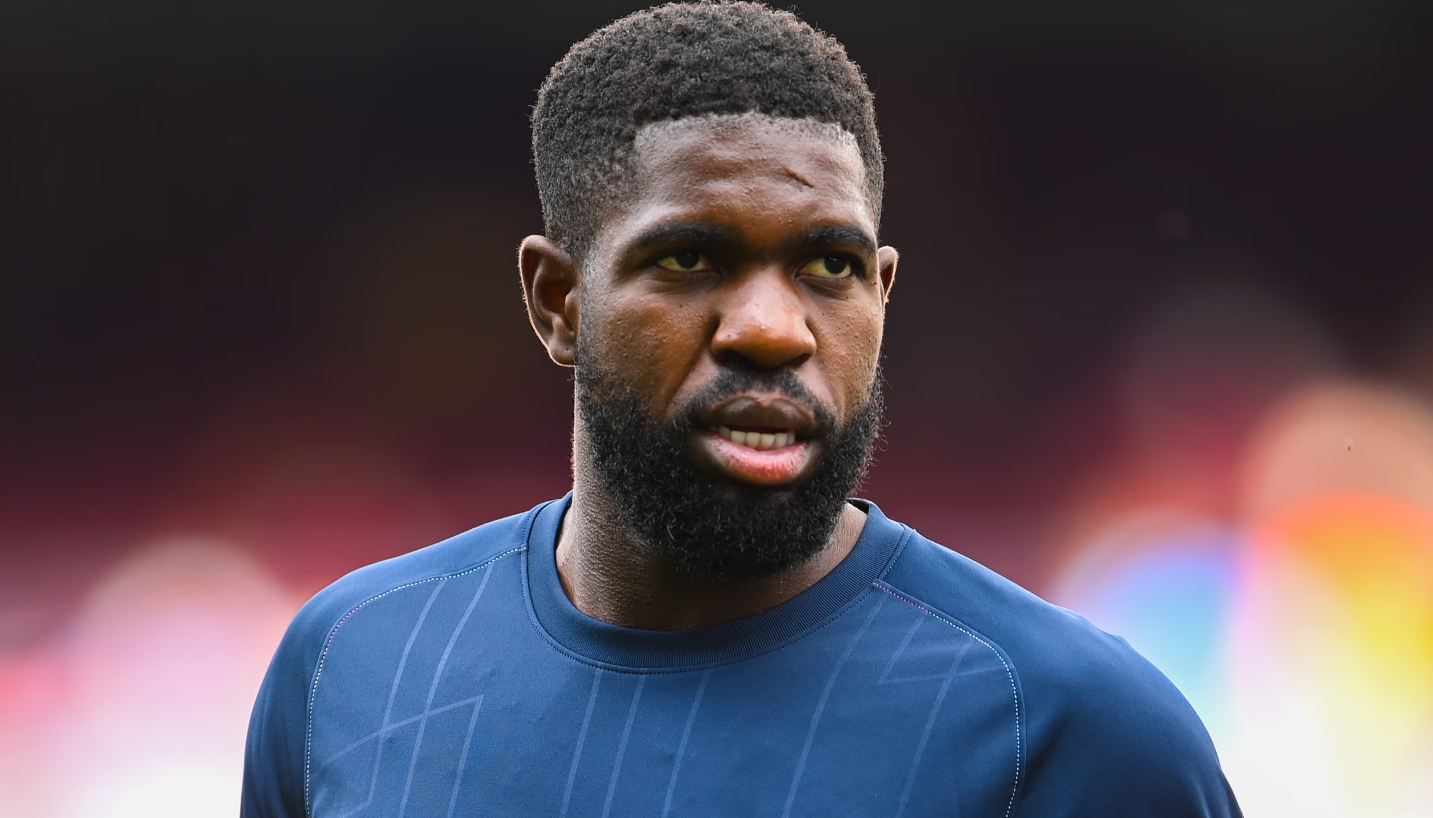
Samuel Umtiti scored one of the most important goals in the history of the French national team.
His header against Belgium sent France into the 2018 World Cup final. Four days later, he started as Didier Deschamps’ team defeated Croatia and became world champions.
Umtiti was born in Yaoundé, Cameroon.
His family moved to France when he was two years old and settled in the Lyon region.
Umtiti joined Lyon’s academy as a child and developed into one of the most highly rated young defenders in Europe. He could defend aggressively while also passing confidently from the back.
Barcelona signed him in 2016.
During his first two seasons in Spain, Umtiti appeared capable of becoming the long-term leader of the club’s defence. He won two La Liga titles and established himself as a starter for France.
His 2018 World Cup performances represented the peak of his career.
Chronic knee problems later reduced his mobility and availability. Umtiti never completely recovered his earlier level and retired surprisingly young.
Although his senior career was connected almost entirely to France and Spain, Umtiti retained a strong emotional connection to Cameroon.
The defender responsible for France’s World Cup semi-final winner had been born in the country’s capital.
27. Fikayo Tomori — Born in Canada, Represented England
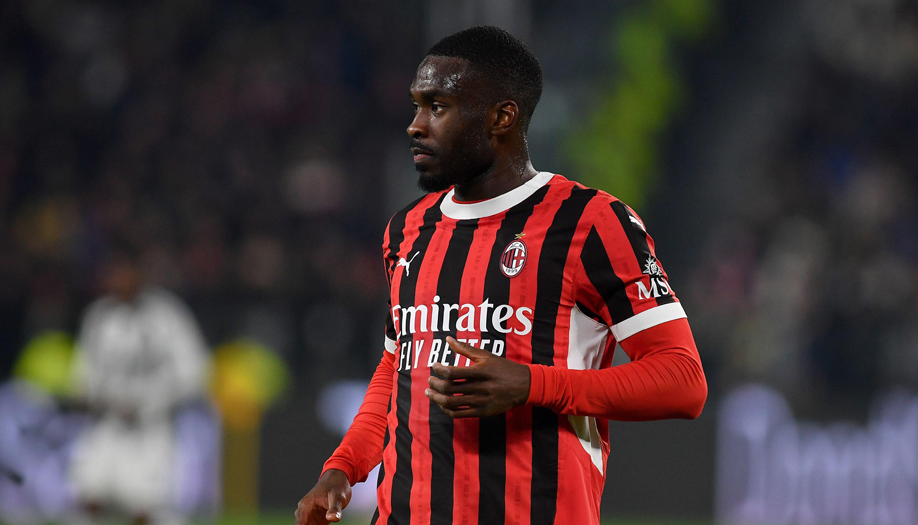
Fikayo Tomori shares an unusual birthplace with Owen Hargreaves.
The AC Milan defender was born in Calgary, Canada.
Tomori’s parents were Nigerian, giving him potential connections to three different national teams. His family moved to England before his first birthday, and he grew up in Kent.
He joined Chelsea’s academy at a young age and represented the club throughout several successful youth campaigns.
Tomori’s international path was unusually complicated.
He initially represented Canada at under-20 level before switching to England’s youth system. He helped England win the 2017 Under-20 World Cup and later became a regular for the under-21 team.
His senior England debut arrived in 2019.
At club level, Tomori struggled to secure consistent playing time at Chelsea but transformed his career after joining AC Milan.
His pace and aggressive defending made him an important part of the Milan team that won Serie A in 2022.
Despite his performances in Italy, competition for places has limited his England opportunities.
Tomori could theoretically have become a major player for Canada or Nigeria. Instead, he selected the country where he had grown up and completed almost all of his development.
The England international and Serie A champion was born more than 4,000 miles from London in western Canada.
28. Breel Embolo — Born in Cameroon, Represented Switzerland
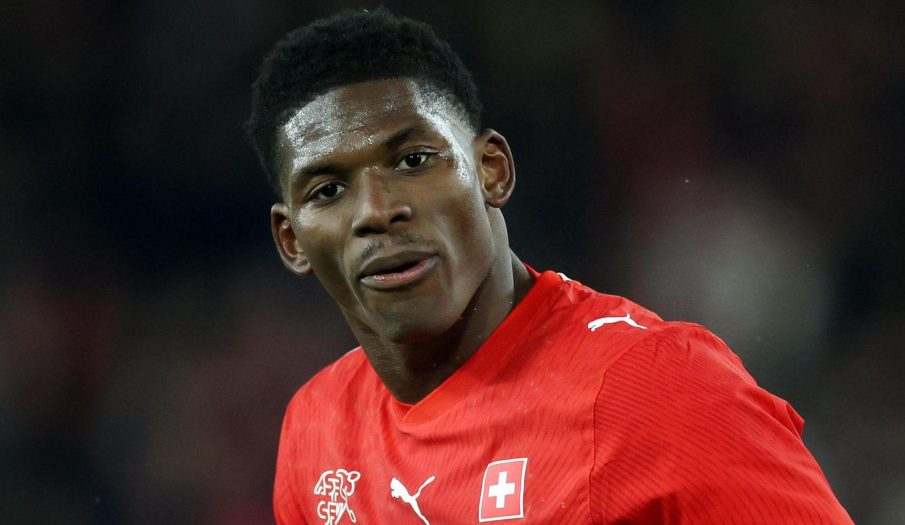
Breel Embolo experienced an unusually emotional moment during the 2022 World Cup.
The striker scored Switzerland’s winning goal against Cameroon — the country in which he had been born.
Embolo did not celebrate.
He was born in Yaoundé and spent the first years of his life in Cameroon. After his parents separated, he moved with his mother and siblings, first to France and then to Switzerland.
The family eventually settled in Basel.
Embolo developed within Swiss football and joined FC Basel’s academy. He made his professional debut at 17 and quickly became one of Europe’s most highly rated young forwards.
He later represented Schalke, Borussia Mönchengladbach and Monaco, although serious injuries affected several stages of his development.
Embolo received Swiss citizenship shortly before making his senior international debut in 2015.
He represented the country at multiple European Championships and World Cups.
His goal against Cameroon perfectly illustrated the complexity of international identity. Embolo was playing for the nation in which he had grown up, received his education and developed as a footballer.
At the same time, he respected the country of his birth and chose not to celebrate scoring against it.
The moment became one of the most memorable examples of a footballer carrying genuine connections to both teams on the pitch.
29. Eduardo da Silva — Born in Brazil, Represented Croatia
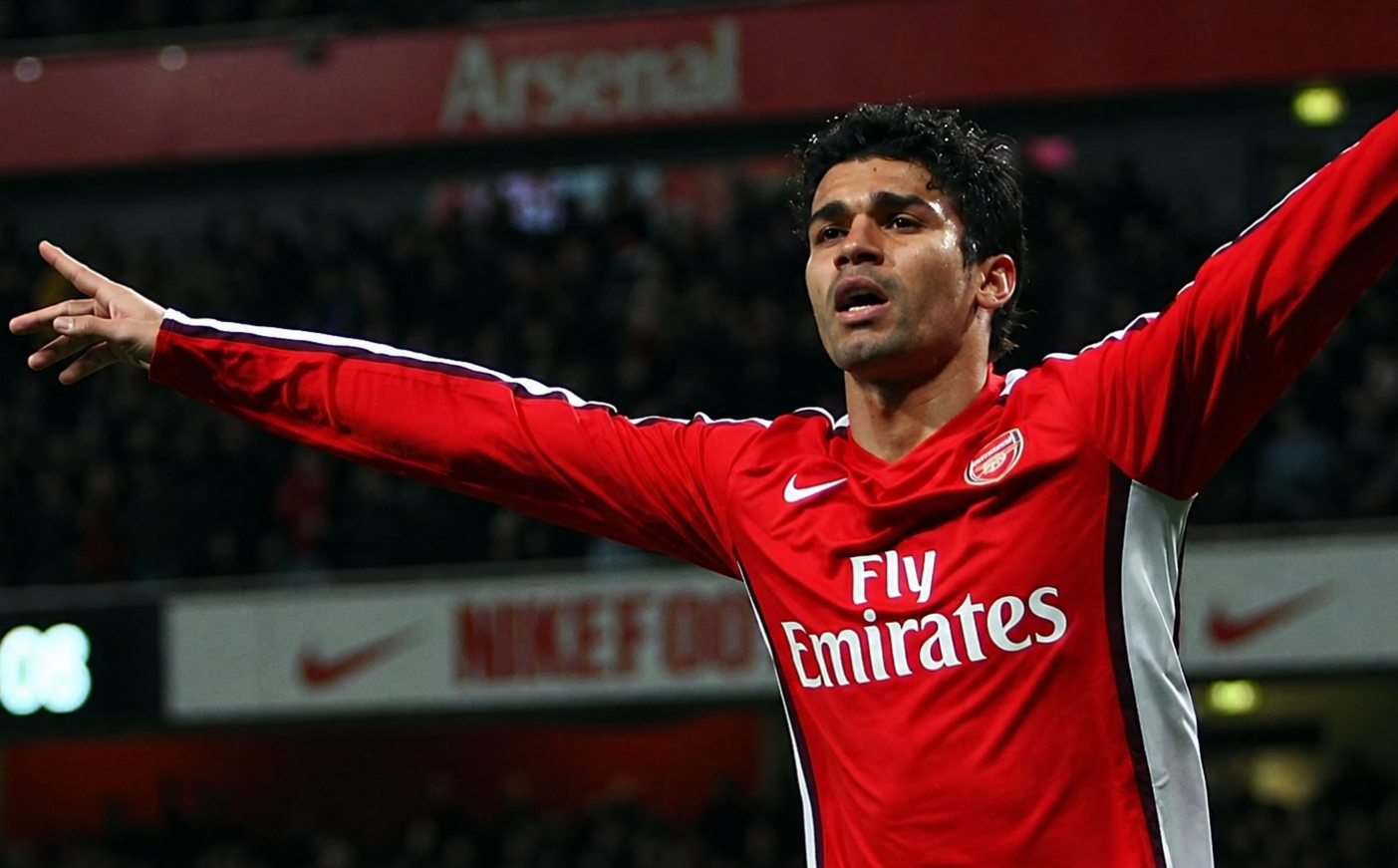
Eduardo da Silva looked and sounded like an unusual Croatia international.
The striker had been born in Rio de Janeiro, Brazil, and did not move to Croatia until he was a teenager.
Dinamo Zagreb discovered Eduardo and brought him to Europe. The transition was difficult, and he briefly returned to Brazil before deciding to continue his development in Croatia.
That decision changed his life.
Eduardo became an outstanding goalscorer for Dinamo and eventually received Croatian citizenship. He made his senior international debut in 2004.
His movement and finishing turned him into one of Croatia’s most reliable forwards. Eduardo scored regularly during qualification for Euro 2008 and appeared ready to become a major star at the tournament.
A horrific leg injury suffered while playing for Arsenal ended those plans.
Eduardo eventually returned to football and represented Croatia at Euro 2012 and the 2014 World Cup. He finished his international career as one of the country’s leading goalscorers.
His situation became particularly emotional at the 2014 tournament, when Croatia faced Brazil in the opening match.
Eduardo had been born and raised in Brazil but had built his adult life and professional identity in Croatia.
Although he never completely recovered the momentum lost through injury, he remains one of the most successful naturalised players in Croatian football history.
30. Matty Cash — Born in England, Represented Poland
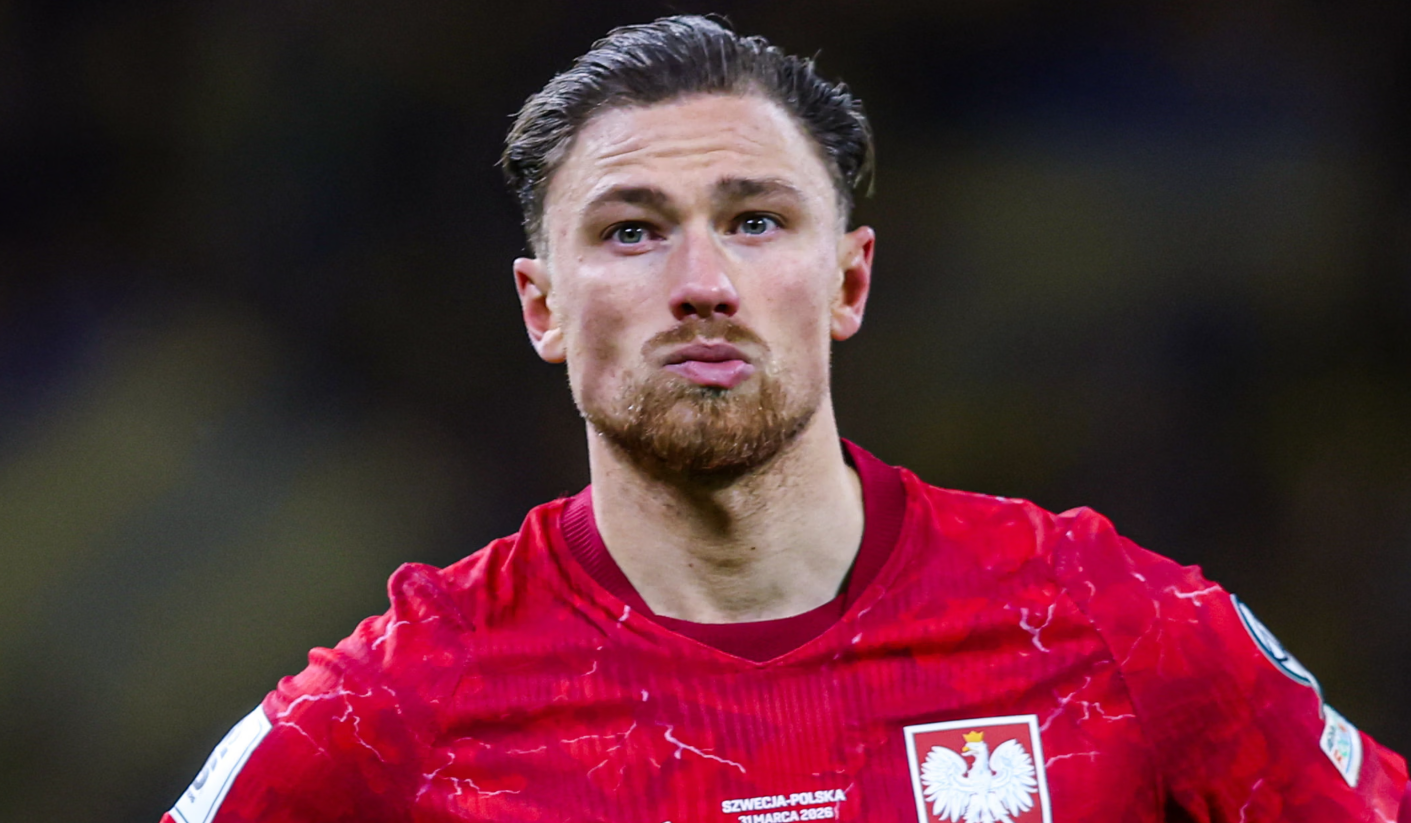
Matty Cash’s international decision surprised supporters in both England and Poland.
The Aston Villa right-back was born in Slough, England, and spent his entire upbringing within English football.
He developed at Nottingham Forest before establishing himself in the Championship and earning a move to Aston Villa in 2020.
Cash qualified to represent Poland through his mother’s family.
His maternal grandparents had Polish roots, although Cash did not grow up speaking the language and had never played within the country’s football system.
The process of obtaining Polish citizenship was completed in 2021.
Cash made his international debut shortly afterwards and became a regular option at right-back. He represented Poland at the 2022 World Cup, starting matches against Mexico, Saudi Arabia, Argentina and France.
His energetic style and Premier League experience gave Poland a different type of attacking threat from defence.
Cash has also made an effort to strengthen his relationship with the country, its supporters and his international teammates.
His story differs from players who moved abroad as children or spent many years in the nation they represented.
Cash was born, raised and developed entirely in England before choosing Poland through his family ancestry.
That makes him one of the clearest modern examples of a famous footballer representing a country that most supporters would never guess from his birthplace or club career.
A Birthplace Is Only One Part of the Story
The players on this list demonstrate how international modern football has become.
A player can be born in one country, raised in another, come from parents connected to a third and build his club career across several more.
Thiago could reasonably claim connections to Italy, Brazil and Spain. Rakitić grew up in Switzerland but felt Croatian. Davies was born in Ghana to Liberian parents and became a Canadian national icon.
None of those stories can be explained by a flag beside a birthplace.
That complexity is precisely what makes them so interesting.
Football supporters may remember the national shirts, major tournaments and iconic celebrations.
The journeys that came before them are often far more surprising.
Enjoyed this? Put your football knowledge to the test.
Play Guessballer →