
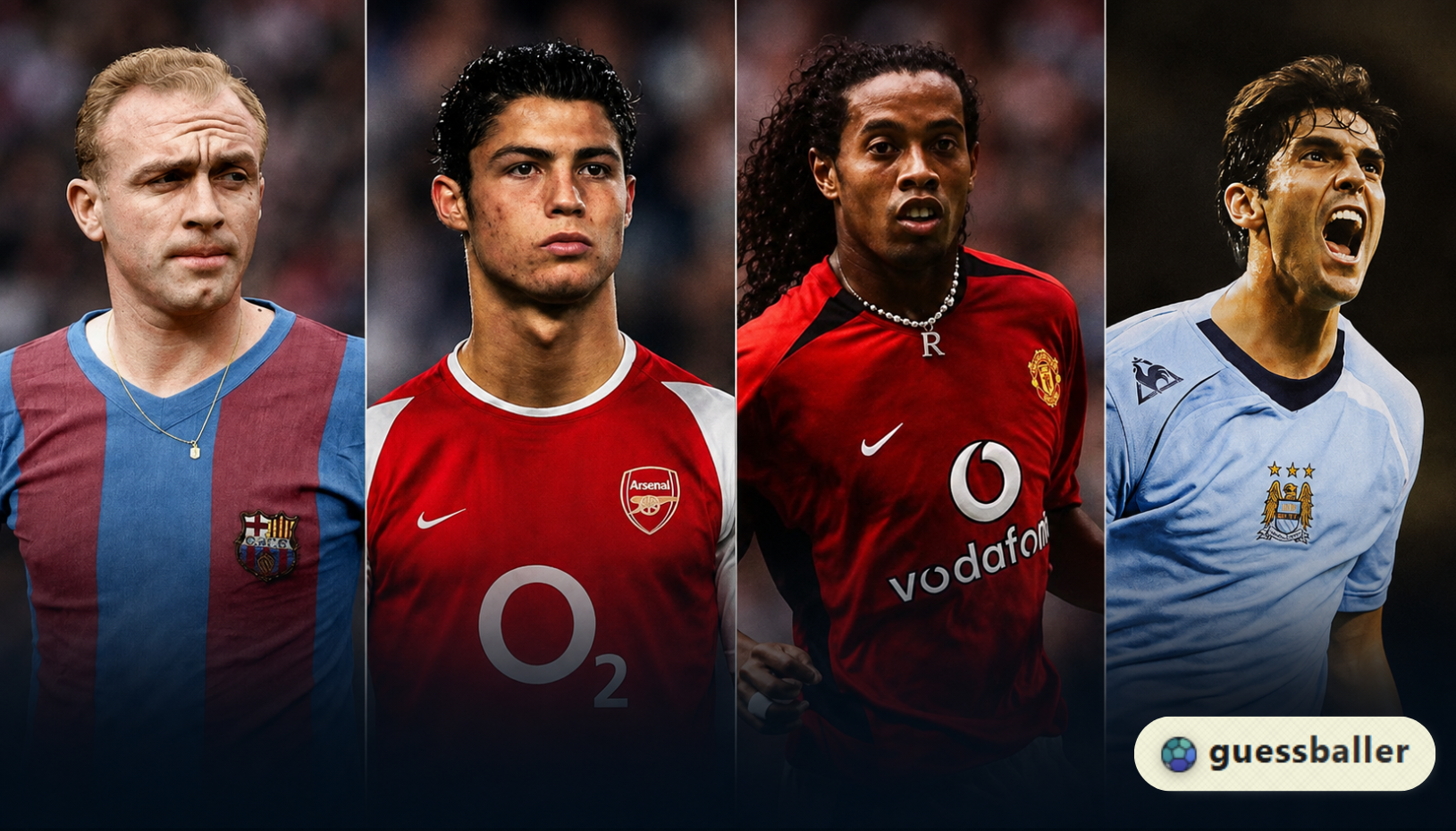
Football history is shaped by the transfers that happen.
Cristiano Ronaldo joining Manchester United, Ronaldinho choosing Barcelona and Luka Modrić moving to Real Madrid all changed the direction of major clubs. In several cases, they influenced an entire era of European football.
But history could have looked completely different.
Some of football’s greatest players visited another club’s training ground, agreed personal terms or even posed with a shirt before the transfer collapsed. One deal was stopped by a volcanic ash cloud. Another failed because the necessary documents were not processed before the deadline.
There were also players who changed their minds at the final moment, clubs that refused to sell and managers who simply underestimated the talent standing in front of them.
This list does not include ordinary newspaper rumours. Each proposed transfer progressed beyond casual speculation and involved serious negotiations, a confirmed offer, a meeting or an agreement between at least some of the parties.
Here are 20 transfers that almost happened - and could have changed football history.
1. Alfredo Di Stéfano to Barcelona
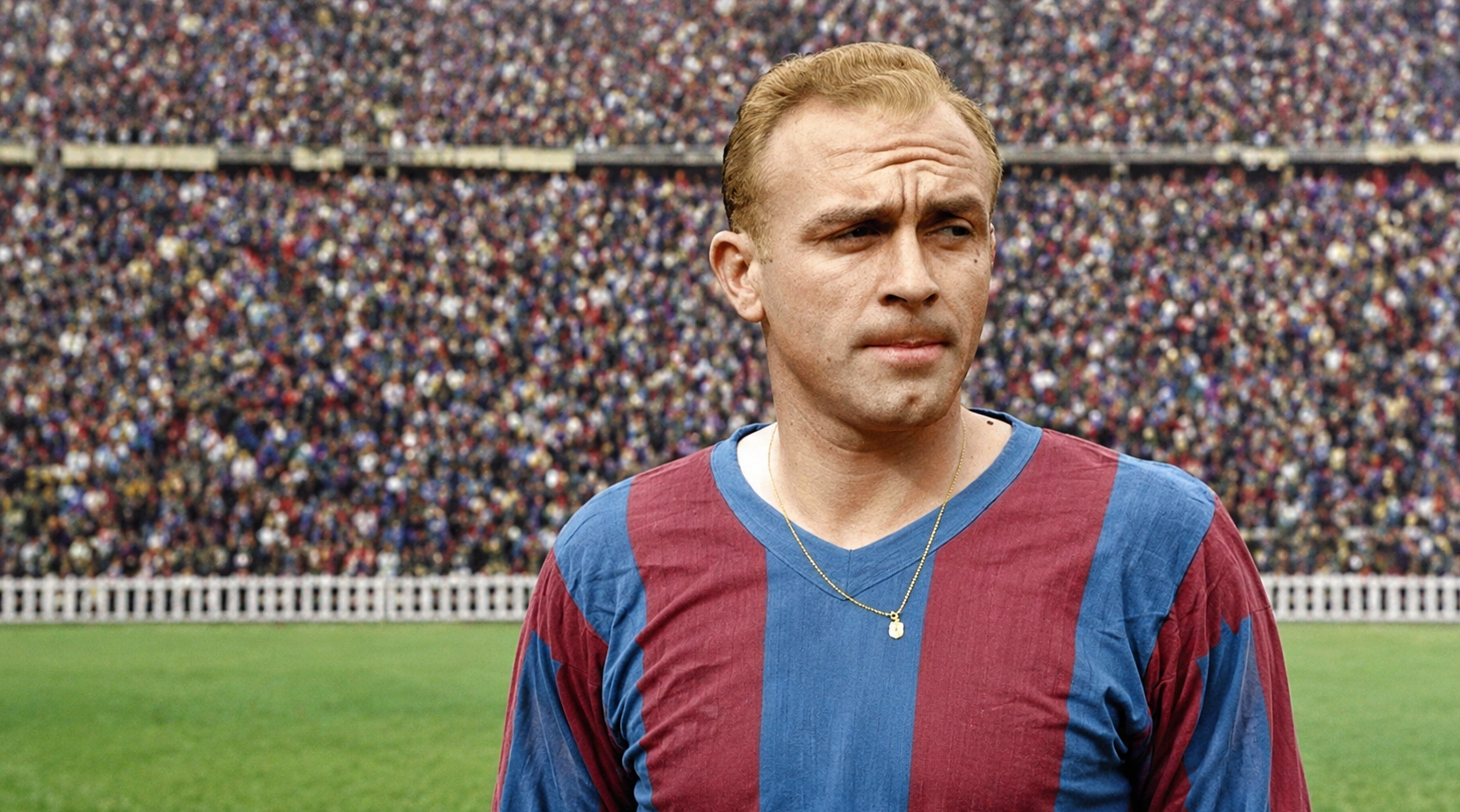
The battle to sign Alfredo Di Stéfano may have been the most important transfer dispute in football history.
Barcelona initially appeared to be leading the race for the Argentine forward in 1953. However, the situation was extremely complicated because River Plate and Colombian club Millonarios both held claims connected to the player.
Barcelona reached an agreement with River Plate, while Real Madrid negotiated with Millonarios.
The Spanish football authorities eventually proposed an extraordinary compromise under which Di Stéfano would alternate between the two clubs across several seasons.
Barcelona ultimately withdrew from the arrangement, allowing Real Madrid to sign him permanently.
What happened next transformed European football.
Di Stéfano became the central figure in the Real Madrid side that won the first five editions of the European Cup. He scored in all five finals and helped turn Madrid into the most prestigious club in the world.
Had Barcelona completed the transfer, the balance of Spanish football might have shifted dramatically.
Real Madrid’s early European dominance built much of the club’s international identity. Without Di Stéfano, that dynasty might never have existed in the same form.
Barcelona, meanwhile, could have possessed the defining player of the 1950s and potentially become Europe’s first great continental superpower.
Few failed transfers have influenced football as profoundly as this one.
2. Cristiano Ronaldo to Arsenal
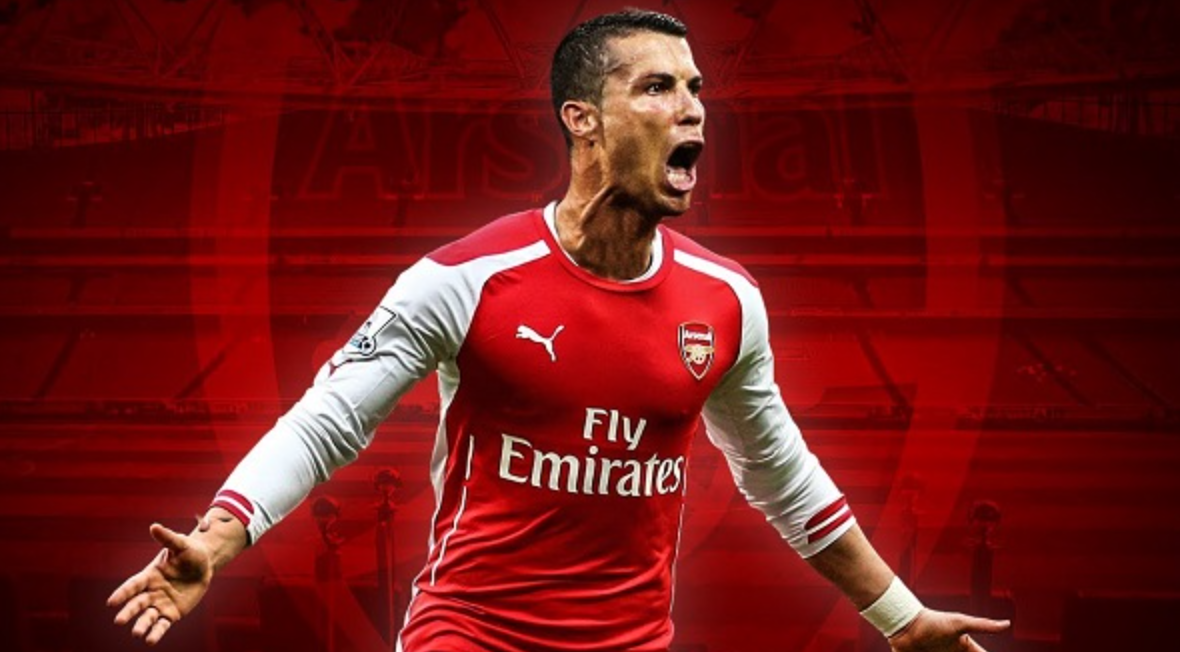
Before Cristiano Ronaldo became a Manchester United legend, he was close to joining Arsenal.
Arsène Wenger had followed Ronaldo while the teenager was developing at Sporting CP. Ronaldo and his mother visited Arsenal’s training ground, met Wenger and were shown around the club.
Arsenal even prepared a shirt carrying Ronaldo’s name.
The interest was serious, but the clubs could not agree on the financial terms quickly enough.
Manchester United entered the process after Sporting impressed against them in a pre-season friendly. United moved decisively and agreed to pay approximately £12 million for the 18-year-old.
Ronaldo moved to Old Trafford in 2003.
He eventually developed from an exciting winger into the best player in the world, winning three consecutive Premier League titles and the 2008 Champions League with United.
The alternative history is enormous.
Arsenal could have built an attack featuring Ronaldo and Thierry Henry. The Portuguese star might have joined the Invincibles during the 2003/04 season and developed under Wenger rather than Sir Alex Ferguson.
United would have lost the player who became the central figure in their final great European team under Ferguson.
The transfer might also have extended Arsenal’s period as a dominant force in English football and completely altered the rivalry between Wenger and Ferguson.
3. Ronaldinho to Manchester United
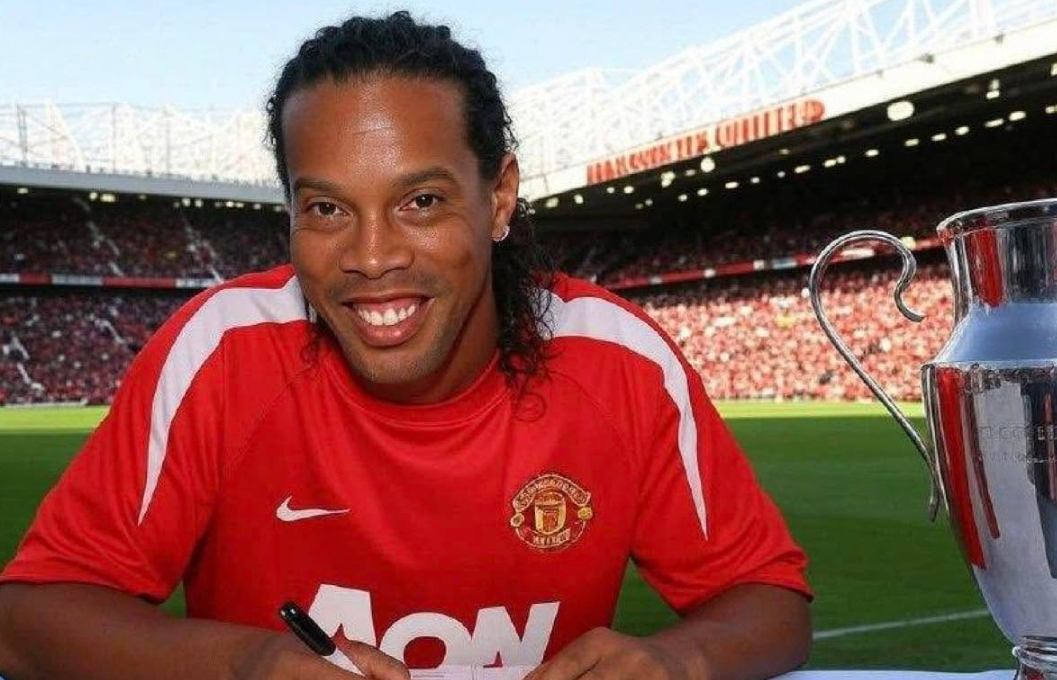
Manchester United were extremely close to signing Ronaldinho in 2003.
The club needed a new superstar after selling David Beckham to Real Madrid. Ronaldinho, who had impressed at the 2002 World Cup and wanted to leave Paris Saint-Germain, appeared to be the ideal replacement.
Negotiations progressed to the point where Sir Alex Ferguson publicly described the deal as very close.
Ronaldinho later claimed that his transfer to United was approximately 48 hours away from completion.
Barcelona then made its decisive move.
Ronaldinho had previously spoken with Sandro Rosell, who was part of Joan Laporta’s campaign to take control of the Spanish club. He had promised Rosell that he would join Barcelona if the new leadership won the election.
Ronaldinho honoured that promise.
He became the symbol of Barcelona’s revival, won the Ballon d’Or and led the club to the 2006 Champions League title. His arrival also created a positive environment in which Lionel Messi could begin his first-team career.
United responded to missing Ronaldinho by signing Cristiano Ronaldo.
Had the Brazilian moved to Manchester, two enormous football stories might have changed at once.
Barcelona may not have recovered so quickly from its early-2000s decline, while United might never have signed Ronaldo.
4. Kaká to Manchester City
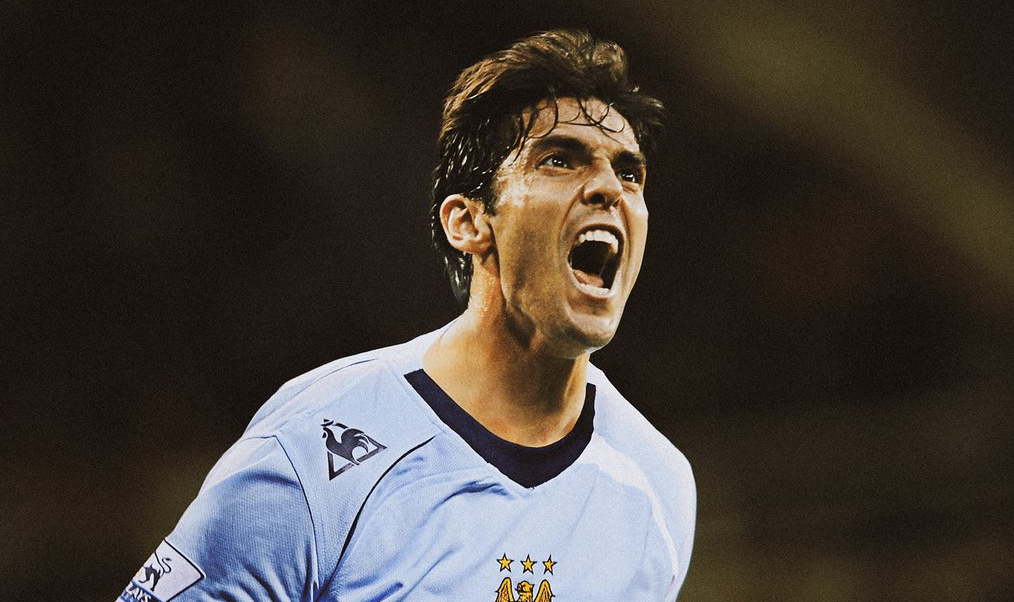
Manchester City attempted to make Kaká the first true global superstar of their new era in January 2009.
The club’s Abu Dhabi ownership had arrived only months earlier. Robinho had already joined from Real Madrid, but signing the reigning Ballon d’Or winner would have sent a much bigger message.
City presented AC Milan with an enormous offer that the Italian club was prepared to consider accepting.
Kaká was informed that the transfer could happen and discussed the proposal with his family and representatives. City were prepared to make him one of the highest-paid players in football history.
The Brazilian ultimately decided to stay with Milan.
He was concerned that City’s project was not yet sufficiently developed and did not want to leave a club with which he shared a close emotional connection.
Kaká moved to Real Madrid later that year instead.
Had City completed the deal, their rise might have accelerated by several seasons.
A prime Kaká could have attracted other elite players to Manchester before the club had qualified regularly for the Champions League. City might have challenged for the Premier League title before 2012.
The transfer would also have altered Real Madrid’s 2009 rebuild, which brought both Kaká and Cristiano Ronaldo to Spain.
5. Steven Gerrard to Chelsea
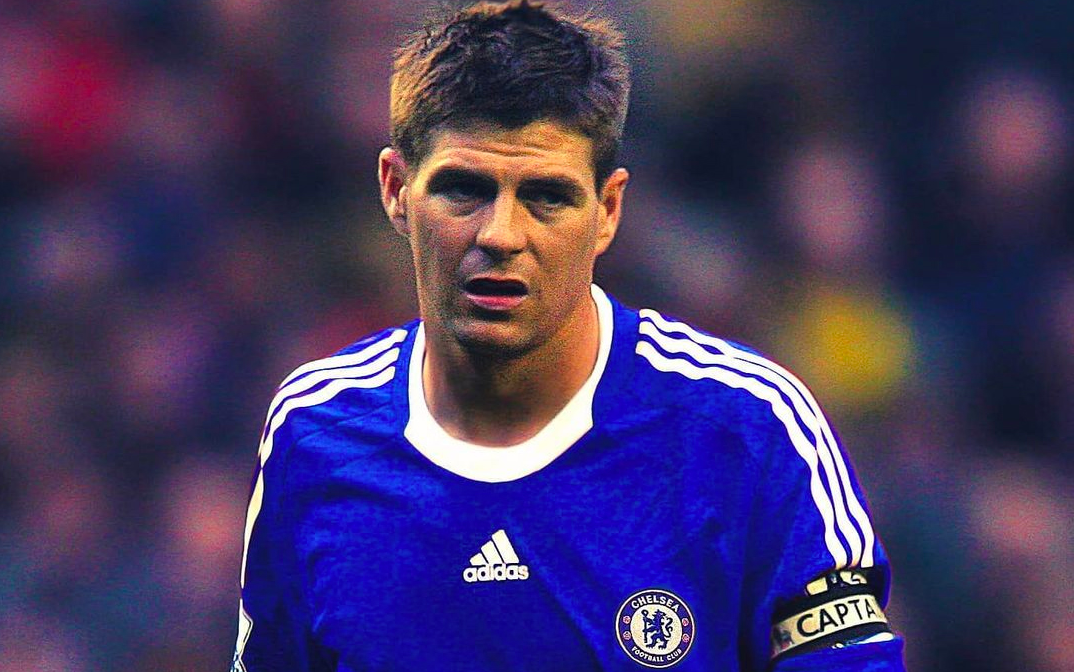
Steven Gerrard came remarkably close to joining Chelsea after leading Liverpool to Champions League glory in 2005.
José Mourinho wanted to build a midfield featuring Gerrard, Frank Lampard and Claude Makélélé.
Chelsea were the dominant team in England and possessed the financial power to make the transfer happen. Gerrard, frustrated by uncertainty surrounding his Liverpool contract and the club’s domestic position, seriously considered the move.
The situation progressed far beyond an ordinary transfer rumour.
Gerrard submitted a transfer request, and Liverpool publicly acknowledged that their captain wanted to leave.
For a brief period, his move to Chelsea appeared almost inevitable.
Gerrard then reconsidered. After conversations with his family and people close to him, he withdrew the request and signed a new Liverpool contract.
Had he joined Chelsea, Mourinho might have created one of the strongest midfields in Premier League history.
Chelsea had already won the league with a record 95 points. Adding Gerrard could have made them even more dominant in England and improved their chances of winning the Champions League during Mourinho’s first spell.
Liverpool would have lost their captain immediately after Istanbul - and possibly the player who later kept them competitive through several difficult seasons.
6. Luis Suárez to Arsenal
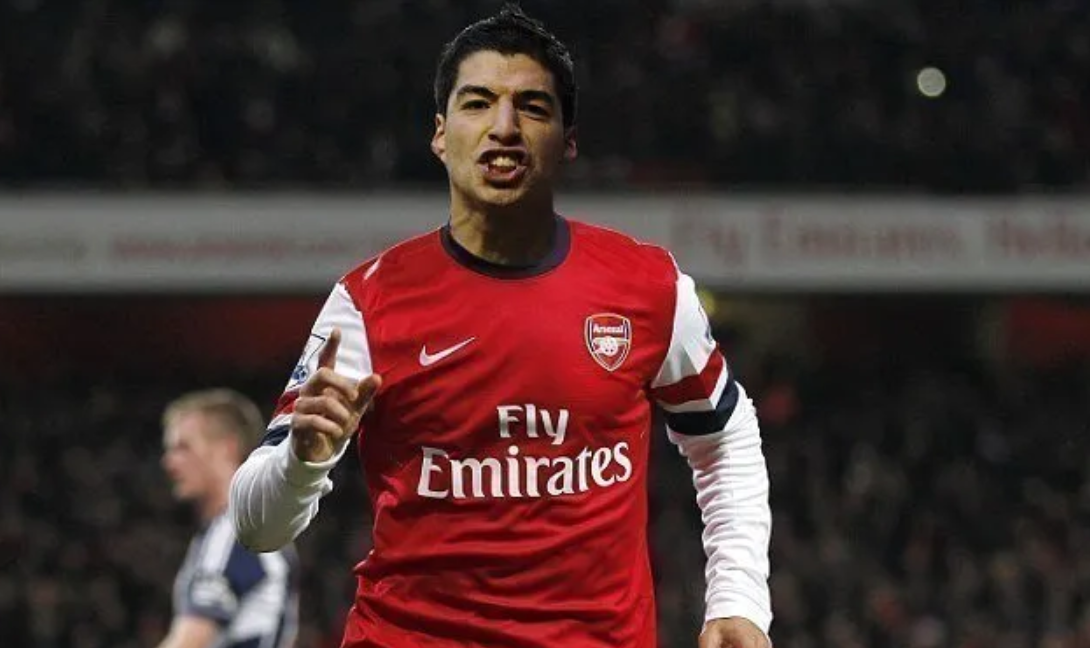
Arsenal’s attempt to sign Luis Suárez in 2013 produced one of the most famous bids in transfer history.
Suárez wanted to leave Liverpool after the club failed to qualify for the Champions League. Arsenal believed his contract contained a clause that would allow them to sign him if they offered more than £40 million.
The club therefore submitted a bid of £40,000,001.
Liverpool interpreted the clause differently. Rather than requiring them to sell, they argued that it only required them to inform Suárez that an offer above £40 million had been received.
Liverpool rejected the bid and refused to negotiate seriously.
Suárez initially pushed for the transfer and publicly expressed his frustration. However, he eventually returned to the team and produced an extraordinary season, scoring 31 Premier League goals as Liverpool came close to winning the title.
He moved to Barcelona one year later.
The consequences for Arsenal could have been enormous.
Arsenal spent much of the 2013/14 season at the top of the Premier League. Adding Suárez to a team containing Mesut Özil, Santi Cazorla and Aaron Ramsey might have delivered the club’s first league title since 2004.
Liverpool, meanwhile, would have lost the player who almost inspired them to the championship.
7. David de Gea to Real Madrid
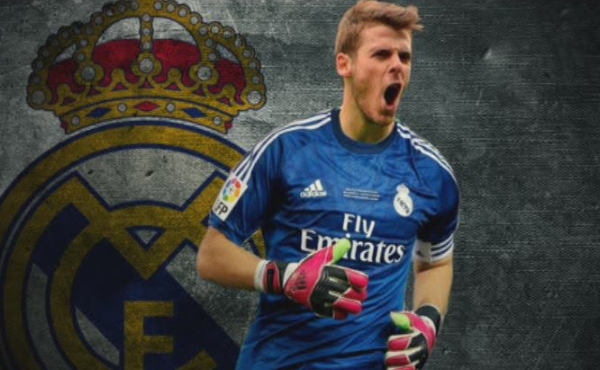
David de Gea’s proposed transfer to Real Madrid in 2015 failed at the latest possible moment.
The Spanish goalkeeper had entered the final year of his Manchester United contract and was widely expected to return to Madrid.
Real and United spent deadline day negotiating an agreement involving De Gea and Keylor Navas.
The clubs eventually accepted the structure of the deal. Both players were prepared for the transfers, and the documents were exchanged between Manchester and Madrid.
The process was not completed before the Spanish transfer deadline.
Real Madrid blamed Manchester United for sending documents too late. United responded by accusing Madrid of failing to manage the process correctly.
Regardless of responsibility, De Gea remained in England.
He signed a new contract with United and continued as the club’s first-choice goalkeeper for several more seasons. Navas stayed in Madrid and helped Real win three consecutive Champions League titles.
The failed transfer may therefore have benefited Madrid.
Navas became an important part of one of the greatest European teams in history. Had De Gea arrived, Madrid’s goalkeeping situation and dressing-room structure could have developed differently.
United would also have lost their best-performing player during a difficult period after Sir Alex Ferguson’s retirement.
8. Alan Shearer to Manchester United
Alan Shearer was close to joining Manchester United twice.
The most important opportunity came in 1996, after Shearer had won the Premier League with Blackburn and finished as the leading scorer at Euro 1996.
Both Manchester United and Newcastle United wanted him.
Shearer held discussions with Sir Alex Ferguson and Newcastle manager Kevin Keegan. At one stage, the striker later admitted that he was approximately 90 percent certain he would join United.
Newcastle then made their final approach.
The opportunity to represent his boyhood club proved impossible for Shearer to reject. He moved to St James’ Park for a world-record fee of £15 million.
Shearer became Newcastle’s record goalscorer and the highest scorer in Premier League history, but never won another major club trophy.
Manchester United continued winning without him, signing Teddy Sheringham one year later and completing the treble in 1999.
Had Shearer joined United, his goals could have made Ferguson’s team even more dominant.
He might have won multiple league titles and the Champions League while potentially creating a partnership with Eric Cantona during the Frenchman’s final season.
Newcastle, meanwhile, would have lost the defining player of their modern history.
9. Luka Modrić to Chelsea
Luka Modrić wanted to join Chelsea in the summer of 2011.
Chelsea owner Roman Abramovich personally met the Croatian midfielder aboard his yacht. The club submitted multiple offers to Tottenham, and Modrić believed the move would allow him to compete for major trophies and play regularly in the Champions League.
Tottenham chairman Daniel Levy refused to sell.
Modrić publicly expressed his desire to leave, but Levy maintained that the player would not be transferred to a London rival at any price.
He remained at Tottenham for one more season before joining Real Madrid in 2012.
The outcome became historically significant.
Modrić developed into one of the greatest midfielders of his generation. He won the Ballon d’Or and became a central figure in Real Madrid’s multiple Champions League victories.
Had Tottenham allowed him to join Chelsea, he might never have moved to Spain.
Chelsea won the Champions League in Modrić’s final season at Tottenham. Adding him to a midfield that still included Frank Lampard could have extended their domestic dominance and transformed the club’s possession game.
Real Madrid would have lost a player who eventually became one of the most important midfielders in their history.
10. Francesco Totti to Real Madrid
Francesco Totti spent his entire senior career with Roma, but in 2004 he seriously considered joining Real Madrid.
Roma were experiencing financial and sporting uncertainty. Real, meanwhile, wanted to add Totti to a team already containing Zinedine Zidane, Luís Figo, Ronaldo, Raúl and David Beckham.
Totti later admitted that he was extremely close to accepting the offer.
The financial terms were enormous, and Real were prepared to give him a central role within the next stage of the Galácticos project.
Only his emotional connection to Roma prevented the transfer.
Totti remained in Italy and became the greatest player in Roma’s history. He eventually made more than 700 appearances for the club and scored over 300 goals.
Had he moved to Madrid, one of football’s most famous one-club careers would never have existed.
Totti could have added creativity and goals to a Real side that was becoming increasingly unbalanced. His arrival might also have influenced the futures of Figo, Raúl or Zidane.
Roma would have lost not only their best player but the symbol around which the club built its entire identity.
11. Paul Gascoigne to Manchester United
Paul Gascoigne promised Sir Alex Ferguson that he would join Manchester United in 1988.
The young midfielder had become one of the most exciting talents in English football with Newcastle United. Ferguson believed that Gascoigne could become a central figure in the team he was rebuilding at Old Trafford.
Confident that the agreement was secure, Ferguson went on holiday.
Tottenham then entered the negotiations and made an attractive offer to Gascoigne and his family. The midfielder changed his mind and moved to north London.
Ferguson later described missing out on Gascoigne as one of the greatest disappointments of his managerial career.
Gascoigne became a national superstar and produced an unforgettable performance for England at the 1990 World Cup. His club career, however, was affected by serious injuries and personal problems.
It is impossible to know whether Ferguson could have changed that path.
United’s disciplined environment and Ferguson’s authority might have given Gascoigne greater stability. Alternatively, his personality may still have created difficulties.
From a football perspective, adding England’s most gifted midfielder could have accelerated Manchester United’s rise several years before their first Premier League title.
12. Zinedine Zidane to Blackburn Rovers
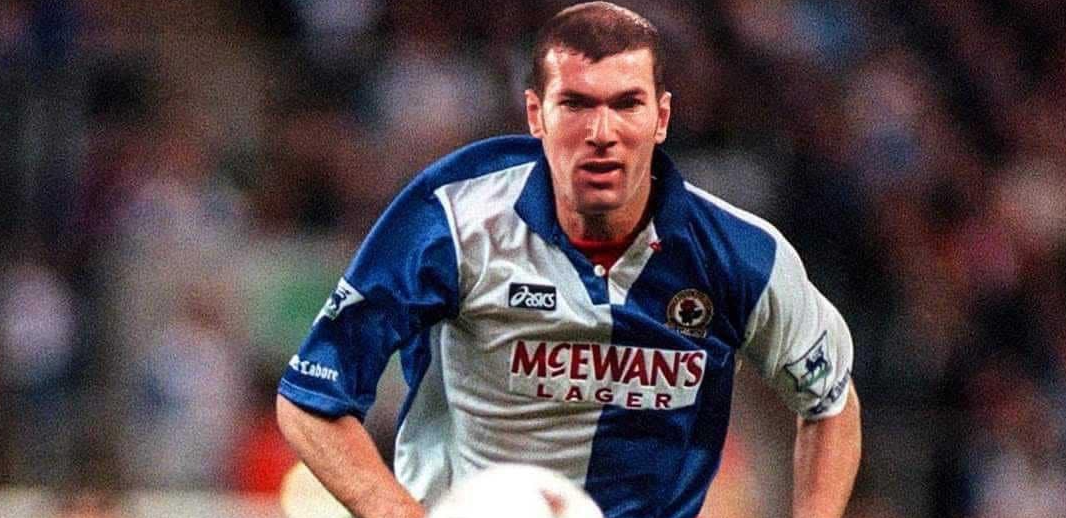
Blackburn Rovers explored the possibility of signing Zinedine Zidane after winning the Premier League in 1995.
Zidane was still playing for Bordeaux and had not yet become a global superstar. Blackburn manager Kenny Dalglish reportedly wanted both Zidane and his teammate Christophe Dugarry.
The players visited Blackburn’s training facilities, but the proposed move did not progress.
The decision became associated with a famous remark attributed to club owner Jack Walker: why sign Zidane when Blackburn already had Tim Sherwood?
Zidane later joined Juventus, won the World Cup and Ballon d’Or and eventually became the most expensive player in history when he moved to Real Madrid.
Blackburn followed their Premier League title by finishing seventh and gradually disappeared from the top of English football.
Signing Zidane would not necessarily have prevented that decline, but it could have changed the club’s status completely.
A successful Zidane at Blackburn might have attracted other elite European players to the Premier League earlier than they eventually arrived.
It could also have deprived Juventus and Real Madrid of the midfielder who shaped some of their greatest moments.
13. Robert Lewandowski to Blackburn Rovers
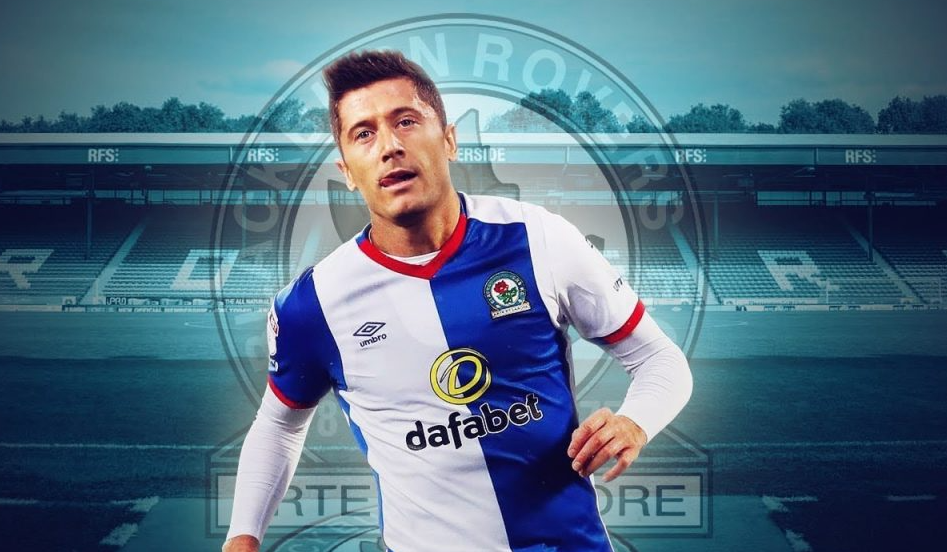
Robert Lewandowski was due to travel to England for talks with Blackburn Rovers in 2010.
The Polish striker was playing for Lech Poznań and had not yet established himself as one of the best forwards in the world.
Blackburn had followed him closely and were seriously interested in completing the transfer.
Lewandowski’s trip was cancelled when the eruption of Iceland’s Eyjafjallajökull volcano created an enormous ash cloud across Europe. Flights were grounded, preventing him from travelling to England.
The meeting was never rearranged successfully.
Lewandowski joined Borussia Dortmund instead. Under Jürgen Klopp, he developed into an elite striker, won two Bundesliga titles and reached the Champions League final.
He later became Bayern Munich’s second-highest goalscorer and broke Gerd Müller’s Bundesliga record by scoring 41 league goals in one season.
Had the volcano not erupted, Lewandowski might have joined a Blackburn side moving toward instability and eventual relegation.
Perhaps his goals would have changed the club’s direction. Alternatively, the wrong environment could have delayed or damaged his development.
A natural disaster may therefore have altered the career of one of the greatest strikers of his generation.
14. Arjen Robben to Manchester United
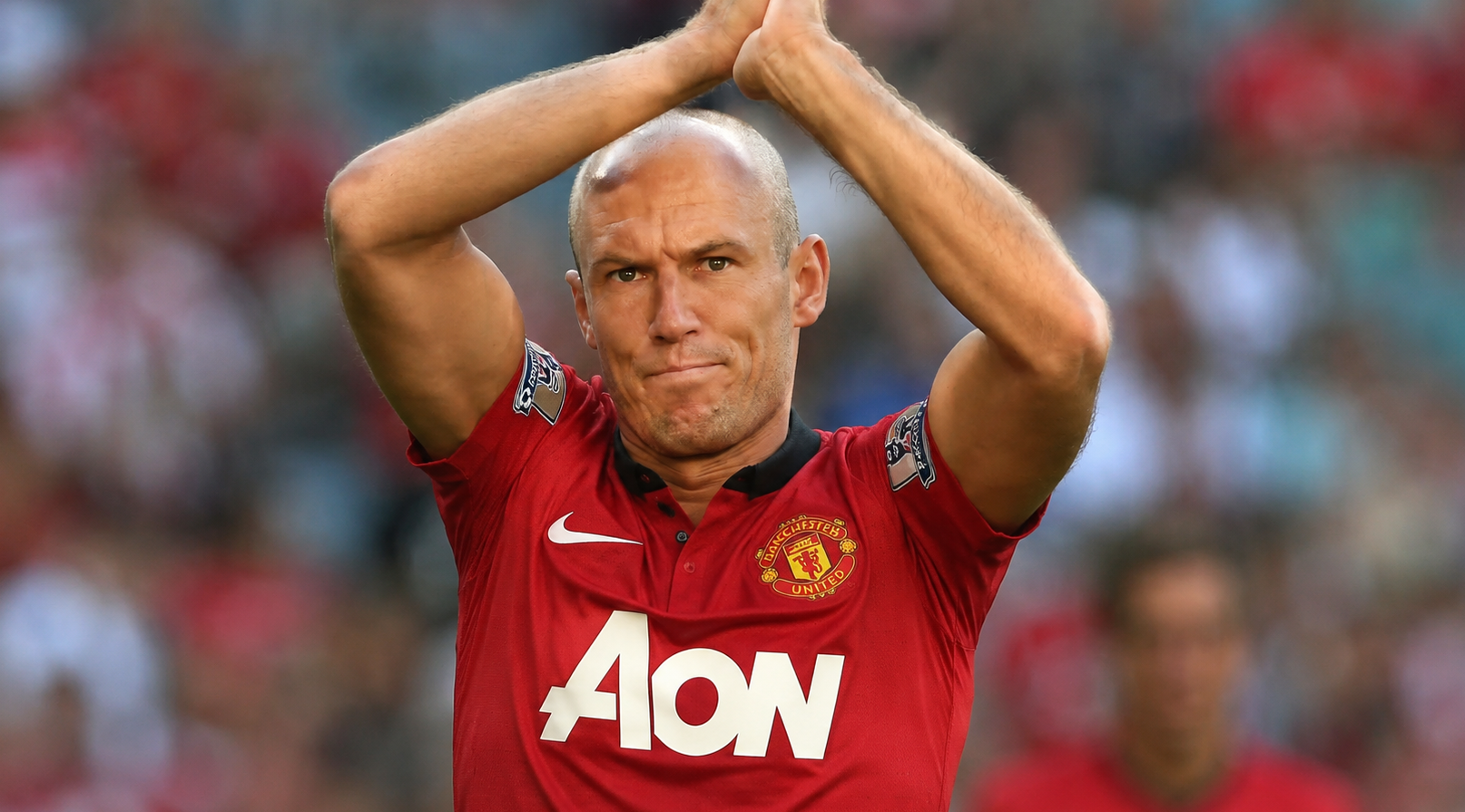
Arjen Robben visited Manchester United and met Sir Alex Ferguson before eventually signing for Chelsea.
The Dutch winger was emerging as one of Europe’s leading young talents with PSV Eindhoven.
Robben later explained that he enjoyed his meeting with Ferguson and would probably have signed for United if the club had immediately presented him with a contract.
That offer did not arrive quickly enough.
Chelsea moved decisively, agreed the transfer and brought Robben to Stamford Bridge in 2004.
He became an important member of José Mourinho’s first title-winning team. His speed and direct running helped Chelsea dominate English football before injuries and competition limited his availability.
Robben later joined Real Madrid and Bayern Munich, where he scored the winning goal in the 2013 Champions League final.
Had he joined United, Ferguson could have fielded Robben and Cristiano Ronaldo on opposite wings.
That combination would have been devastating, although one of the two might have received fewer opportunities to develop.
Chelsea would also have lost a key attacking player from the side that won consecutive Premier League titles.
15. John Obi Mikel to Manchester United
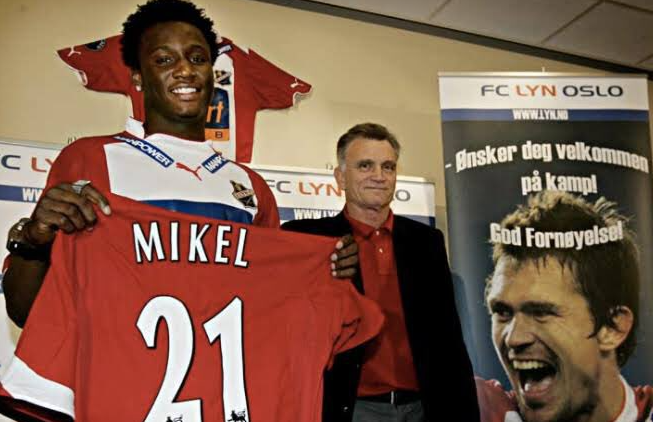
John Obi Mikel did more than come close to joining Manchester United.
He signed an agreement and was photographed wearing the club’s shirt.
United announced in 2005 that they had reached a deal to sign the highly rated Nigerian midfielder from Norwegian club Lyn.
Chelsea immediately disputed the transfer. The London club claimed that it already had an arrangement involving Mikel and had played a role in bringing him to Europe.
Mikel then stated that he wanted to join Chelsea and claimed he had been pressured into signing with United.
The dispute became one of the most complicated transfer sagas in Premier League history.
A settlement was eventually reached. Chelsea paid compensation to both United and Lyn, allowing Mikel to move to Stamford Bridge.
He spent 11 years at Chelsea, made more than 370 appearances and won the Premier League, Champions League, Europa League and several domestic cups.
Had Mikel joined United, he might have become a long-term successor to Roy Keane.
Chelsea would have lost a dependable midfielder who contributed to several different title-winning teams.
16. Yaya Touré to Arsenal
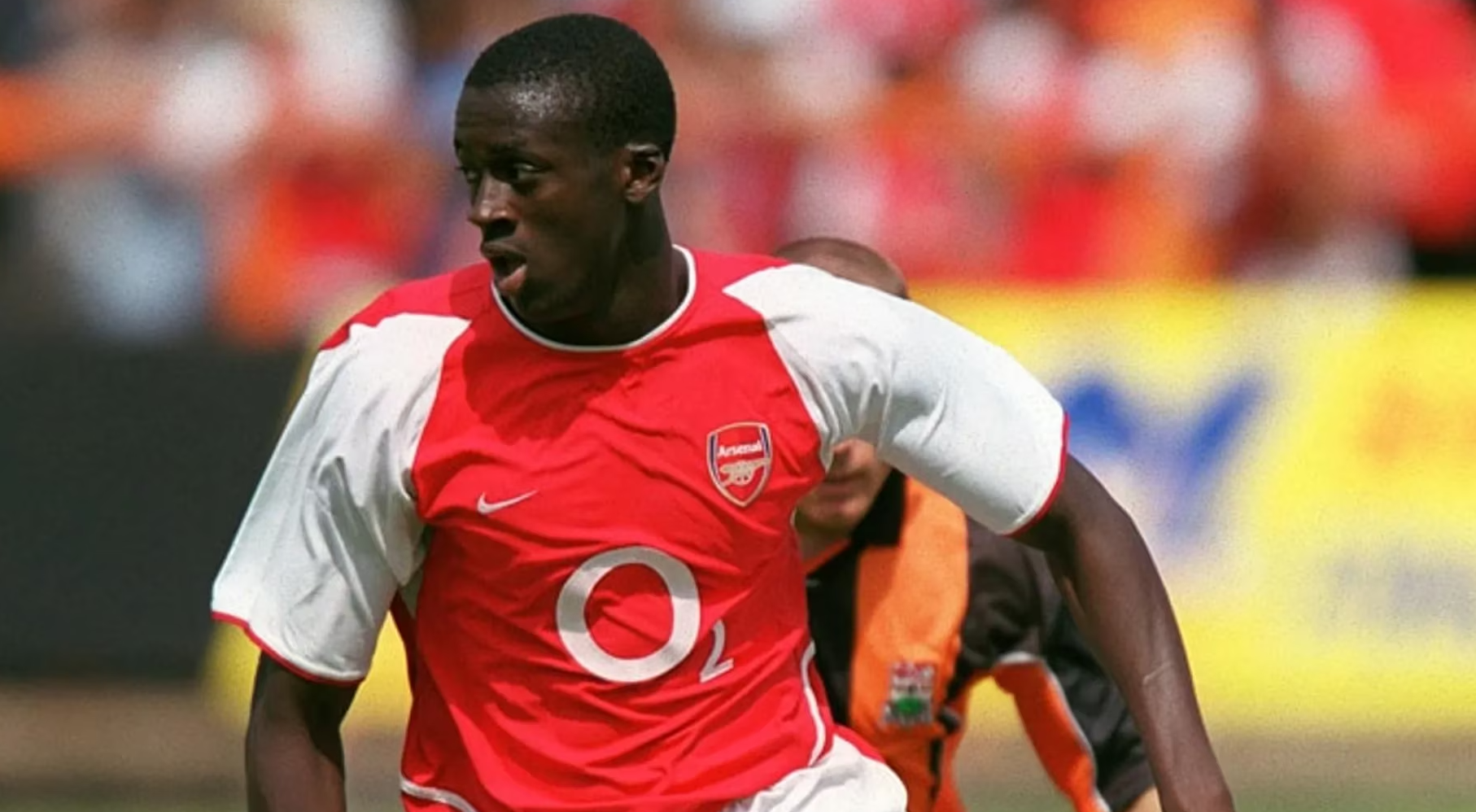
Yaya Touré played for Arsenal during a pre-season friendly in 2003.
The Ivorian midfielder was still with Belgian club Beveren and had not yet developed into the dominant player later seen at Barcelona and Manchester City.
Arsène Wenger wanted to sign him, and Touré had an agreement with Arsenal.
The problem was his work permit.
The process was taking too long, and Touré did not want to wait without certainty over his future. He instead joined Metalurh Donetsk in Ukraine.
His career eventually took him to Olympiacos, Monaco and Barcelona before Manchester City signed him in 2010.
Touré became one of the most influential midfielders in Premier League history. His 20 league goals during the 2013/14 season helped City win the title.
Had Arsenal completed the transfer, Touré could have joined a squad containing his older brother Kolo.
His physical power and ability to dominate midfield might have solved a problem that affected Arsenal for years after Patrick Vieira’s departure.
Manchester City would also have lost the midfielder who drove their transformation from wealthy challengers into Premier League champions.
17. Zlatan Ibrahimović to Arsenal
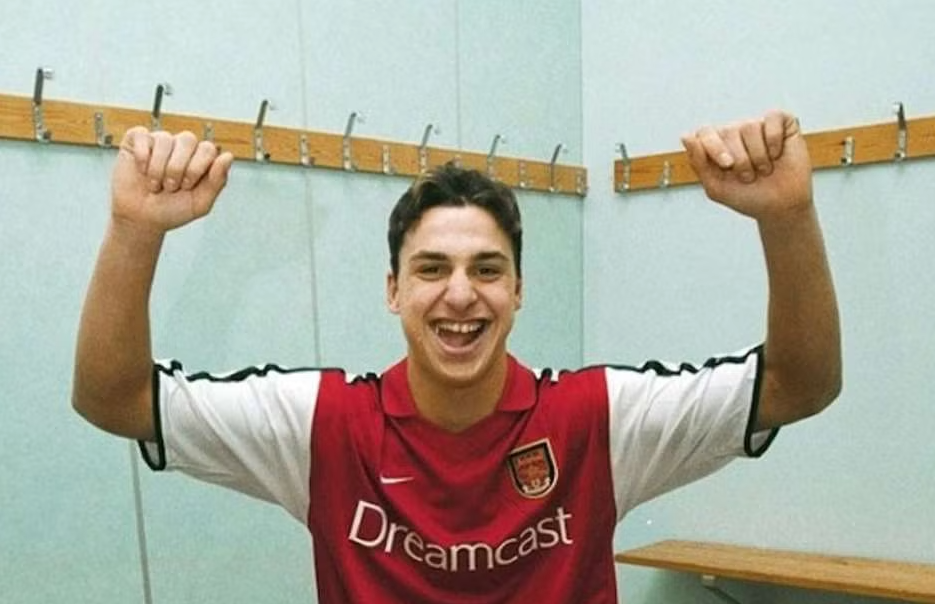
Zlatan Ibrahimović visited Arsenal as a teenager and posed in a number nine shirt carrying his name.
Arsène Wenger had identified the young striker while he was playing for Malmö. Arsenal wanted to examine him more closely before making a final decision.
Wenger asked Zlatan to complete a trial.
The striker rejected the idea.
Ibrahimović later summarised his response with a line that perfectly matched his personality: Zlatan does not do auditions.
He joined Ajax instead and began a career that took him to Juventus, Inter Milan, Barcelona, AC Milan, Paris Saint-Germain and Manchester United.
Zlatan won league titles across Europe and became one of the most recognisable players of his generation.
Had he accepted the trial, Arsenal might have paired him with Thierry Henry.
The technical possibilities of that attack are fascinating, although two such dominant personalities may not have remained together for long.
Arsenal could also have gained a world-class striker who remained at the highest level well into his thirties, potentially preventing the repeated forward-line rebuilds that followed Henry’s departure.
18. Roy Keane to Blackburn Rovers
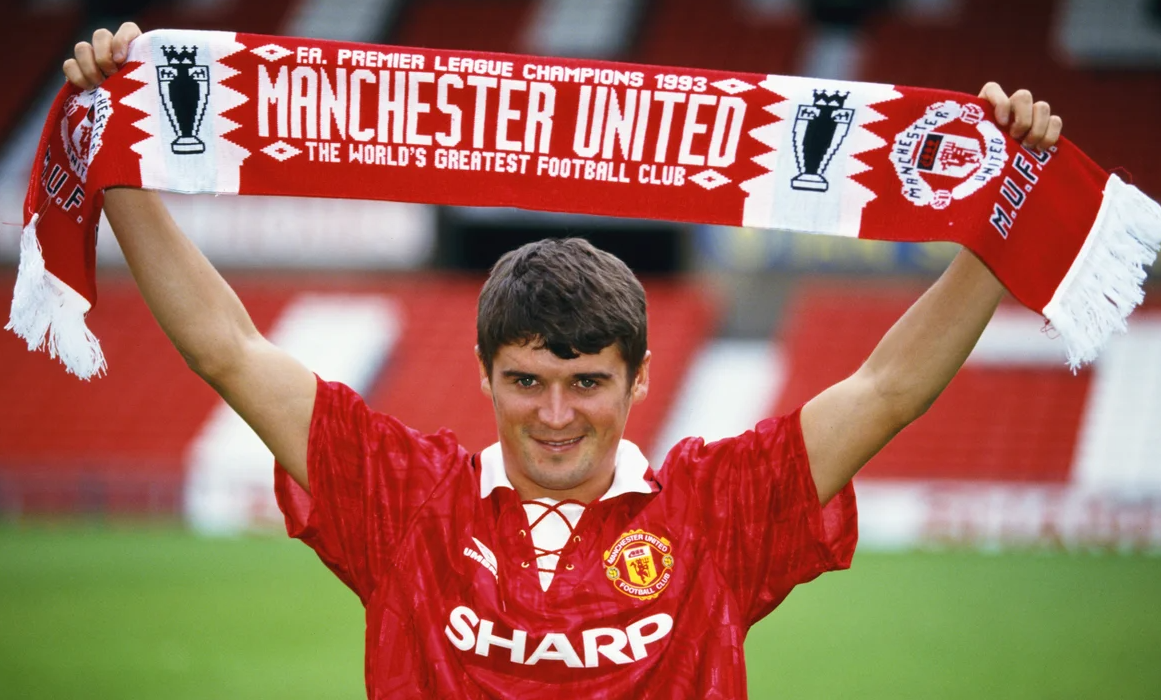
Roy Keane had effectively agreed to join Blackburn Rovers before Manchester United intervened.
The midfielder was leaving Nottingham Forest following the club’s relegation in 1993. Blackburn manager Kenny Dalglish convinced Keane to move to Ewood Park, and the basic terms of the deal were settled.
The paperwork could not be completed immediately because the relevant office had closed.
Before the agreement was formally signed, Sir Alex Ferguson called Keane and persuaded him to join Manchester United instead.
Keane became one of the most important captains in United’s history.
He won seven Premier League titles and led the team during the treble-winning 1998/99 season.
Blackburn still won the Premier League in 1995, but Keane could have made their team even stronger. A midfield built around him might have helped the club sustain its success beyond one championship.
United, meanwhile, would have lost the player who came to represent Ferguson’s intensity and competitive standards.
Few administrative delays have benefited a club as much as the office closure that gave Manchester United time to enter the deal.
19. Erling Haaland to Manchester United
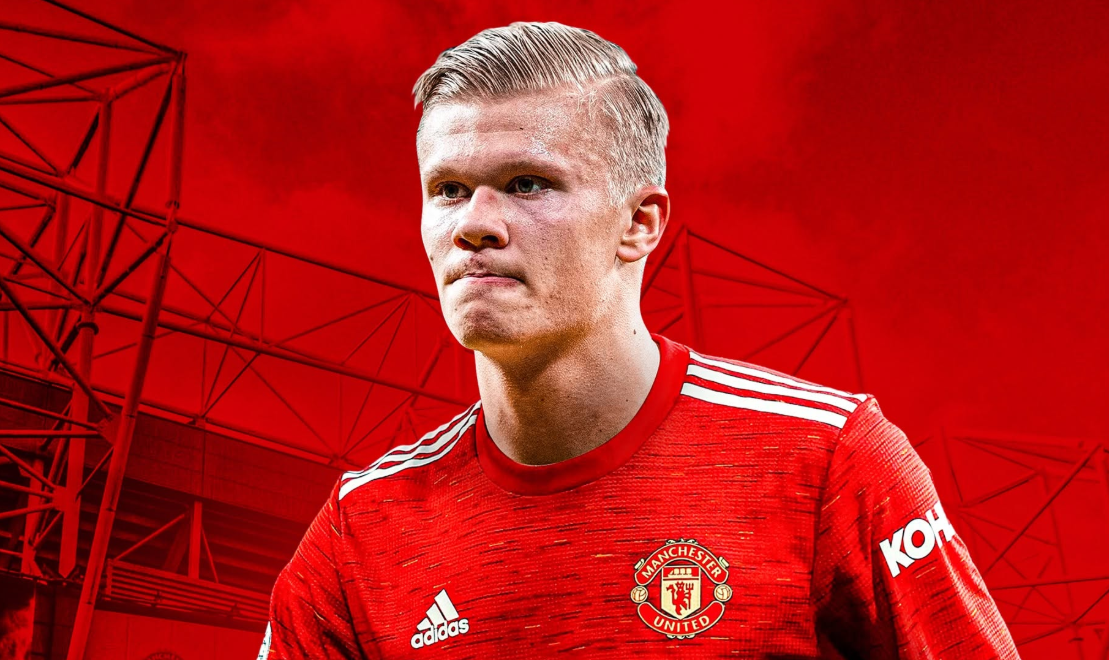
Manchester United had multiple opportunities to sign Erling Haaland before he became a global superstar.
Ole Gunnar Solskjær managed the striker at Molde and recognised his potential early. Before becoming United manager, Solskjær reportedly recommended that the club sign Haaland for a relatively modest fee.
United did not act.
By 2019, Haaland was scoring regularly for Red Bull Salzburg in the Champions League. Solskjær was now United’s manager and personally travelled to meet the striker.
This time, the competition was much stronger.
Haaland selected Borussia Dortmund, where the club could guarantee regular football and provide a clear development plan.
He later joined Manchester City and immediately broke the Premier League single-season scoring record. His goals helped City win the treble in 2023.
Had United signed him, the balance of Manchester football could have changed.
United would have gained the elite centre-forward they spent years trying to find. City would have lost the player who completed Pep Guardiola’s attack and helped deliver the club’s first Champions League title.
20. Jude Bellingham to Manchester United
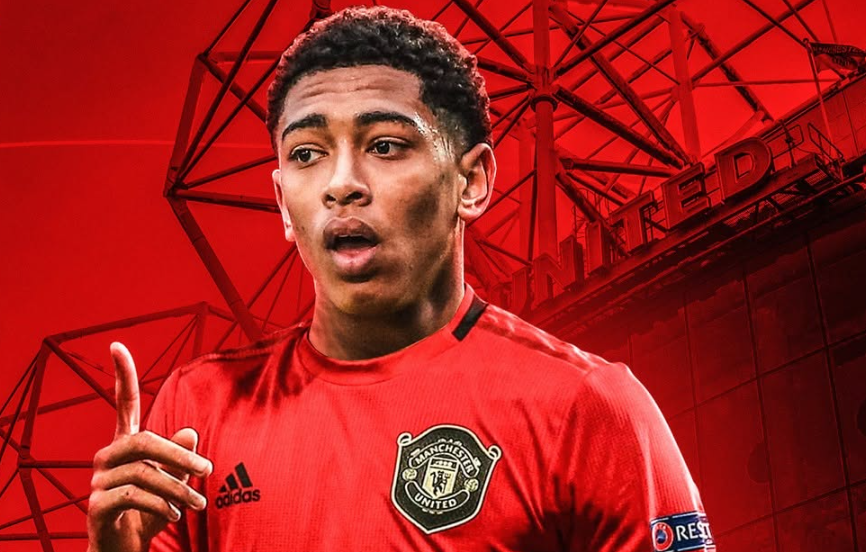
Manchester United made an extraordinary effort to sign Jude Bellingham from Birmingham City in 2020.
The midfielder was only 16 but had already established himself in the Championship.
United invited Bellingham and his family to their Carrington training ground. Ole Gunnar Solskjær attended the meeting alongside legendary figures including Sir Alex Ferguson, Bryan Robson and Eric Cantona.
The club believed it had presented a convincing plan.
Bellingham chose Borussia Dortmund instead.
The German club offered a clearer pathway into the first team and had already demonstrated its willingness to develop young players at the highest level.
The decision proved excellent.
Bellingham became a Bundesliga star, captained Dortmund and moved to Real Madrid in 2023. He immediately became one of the Spanish club’s most important players.
Had he joined United, their midfield could have been built around him for more than a decade.
The larger question is whether United’s unstable sporting structure would have allowed him to develop in the same way.
His decision also shows why major clubs cannot rely only on history, famous representatives and financial power. For an elite teenager, a clear development plan can be more persuasive than the biggest name.
Which Failed Transfer Would Have Changed Football the Most?
Alfredo Di Stéfano joining Barcelona is probably the most historically significant possibility.
His success established Real Madrid as the first dominant club of the European Cup era. Moving to Barcelona could have reversed the early continental identities of Spain’s two biggest teams.
Cristiano Ronaldo to Arsenal and Ronaldinho to Manchester United present another fascinating pair of possibilities.
Had Ronaldinho joined United, the club might not have signed Ronaldo. Barcelona would have lost the player who revived the team before Lionel Messi’s emergence, while Arsenal could have gained one of the greatest goalscorers in football history.
Other moves would have transformed individual clubs.
Suárez might have delivered a Premier League title to Arsenal. Gerrard could have made Mourinho’s Chelsea even more dominant. Shearer might have ended his career with several league titles at Manchester United.
Kaká could have accelerated Manchester City’s rise, while Haaland moving to United might have delayed City’s Champions League breakthrough.
Enjoyed this? Put your football knowledge to the test.
Play Guessballer →