
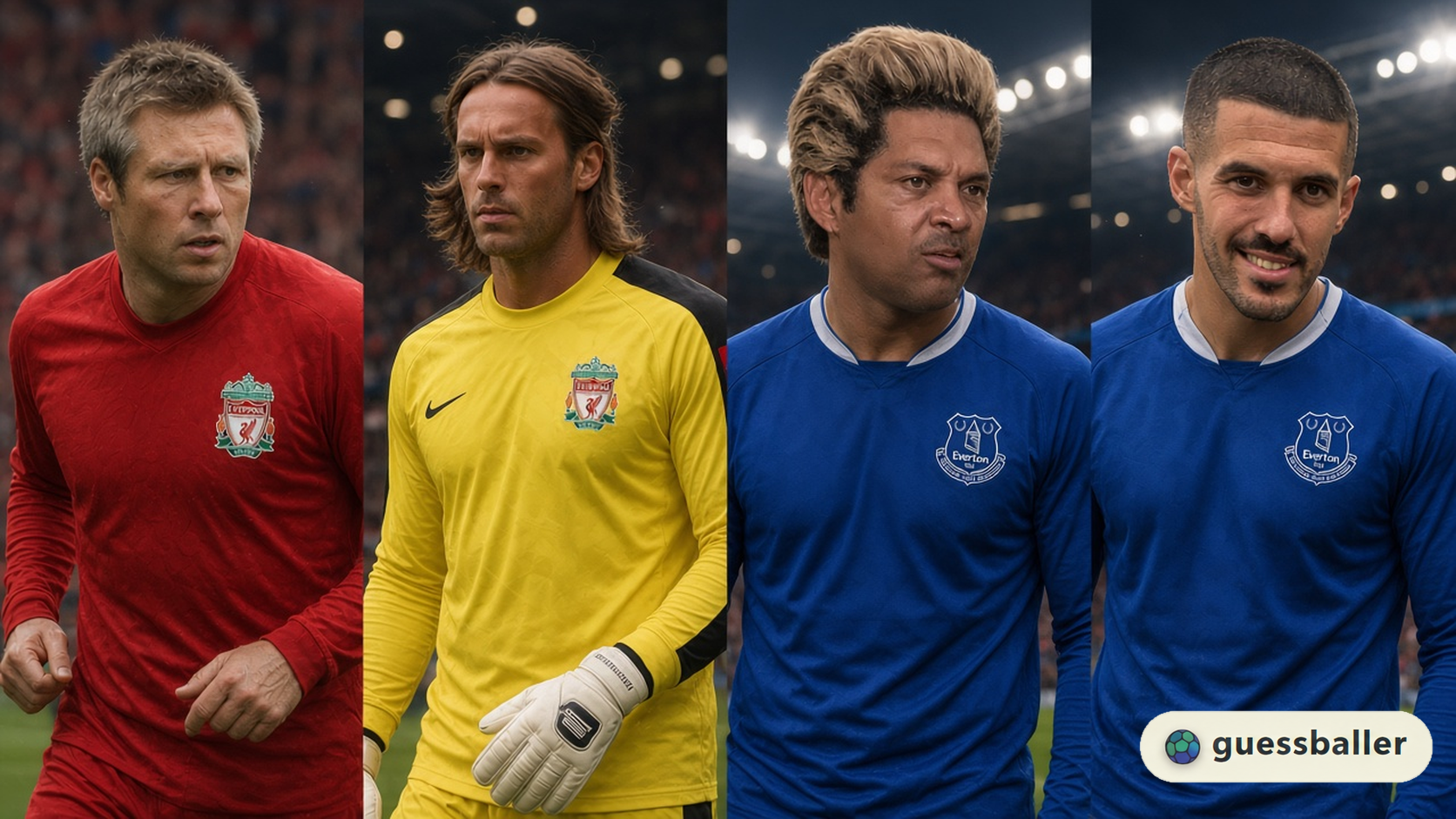
Anfield and Goodison Park sit barely half a mile apart, on either side of Stanley Park. For more than a century, that short walk has been one of the most uncomfortable journeys in English football.
A transfer between Liverpool and Everton still feels personal on Merseyside. It has happened less often than outsiders expect, and some of the names who did it are argued over to this day.
Others made the switch after a spell elsewhere, or appeared only a handful of times for one club before becoming a favourite of the other. A few even managed, eventually, to be accepted on both sides of the park.
This list includes only players who made senior first-team appearances for both Liverpool and Everton. Reserve, youth and unused-substitute spells do not count. You can check unusual club pairings in GuessBaller’s Did they play together tool.
Here are 20 players who played for both Liverpool and Everton.
1. Nick Barmby — Everton, 1996–2000; Liverpool, 2000–2002
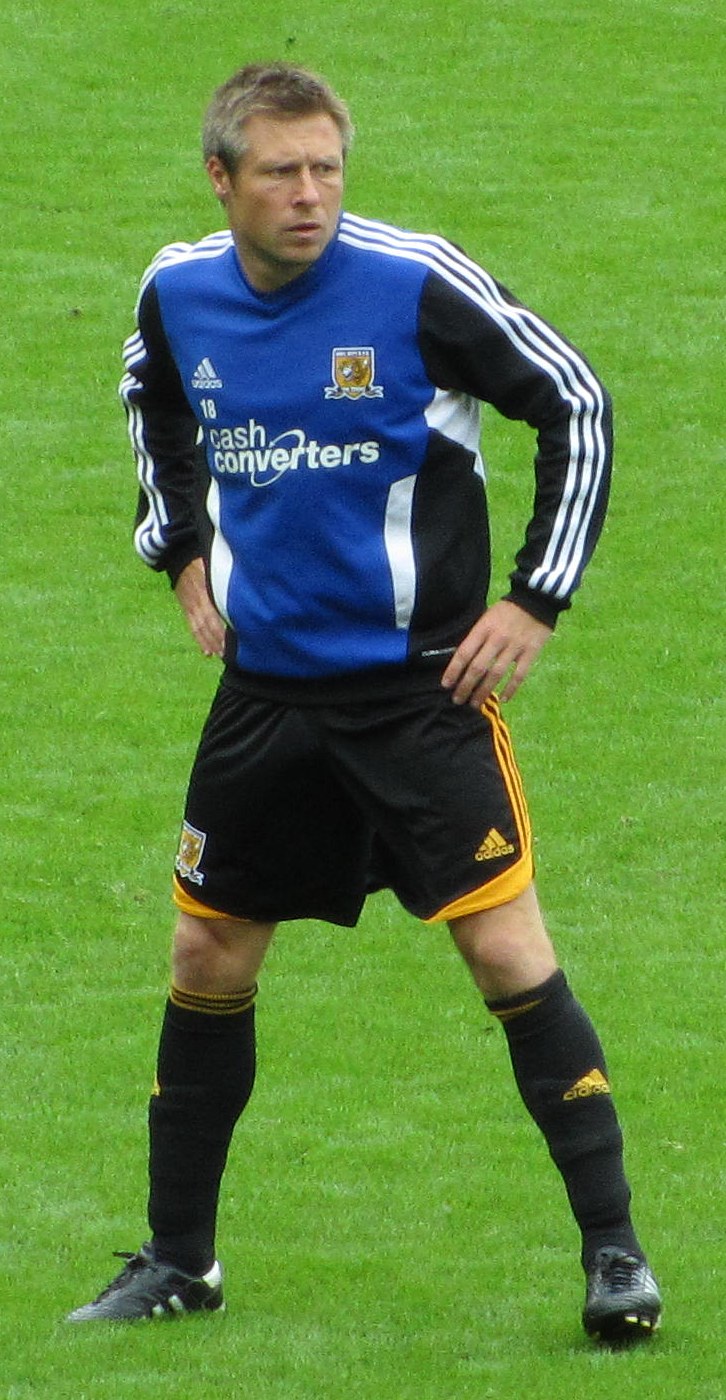
Nick Barmby in a Hull City training kit in 2011. Photo: Mattythewhite / Wikimedia Commons, CC BY-SA 3.0.
Nick Barmby’s move across Stanley Park remains the modern image of a Merseyside crossing.
Everton had signed him from Middlesbrough in 1996 for a then club-record fee of £5.75 million. Across four seasons at Goodison Park he made 116 league appearances and scored 18 league goals, including a hat-trick in a 4–0 win over West Ham United in February 2000.
That summer Liverpool paid £6 million to take him the short distance to Anfield. He was the first player since Dave Hickson in 1959 to be sold directly from Everton to Liverpool. Many Everton supporters never forgave him. He answered in the most painful way possible, scoring after 12 minutes in a 3–1 derby win at Anfield.
Barmby made 58 appearances and scored eight goals for Liverpool. He was part of the 2000–01 squad that won the FA Cup, League Cup and UEFA Cup, scoring four times in the UEFA Cup run and starting the League Cup final. He missed the FA Cup final after playing in five earlier rounds and was an unused substitute in the UEFA Cup final. He left for Leeds United in 2002.
2. Peter Beardsley — Liverpool, 1987–1991; Everton, 1991–1993
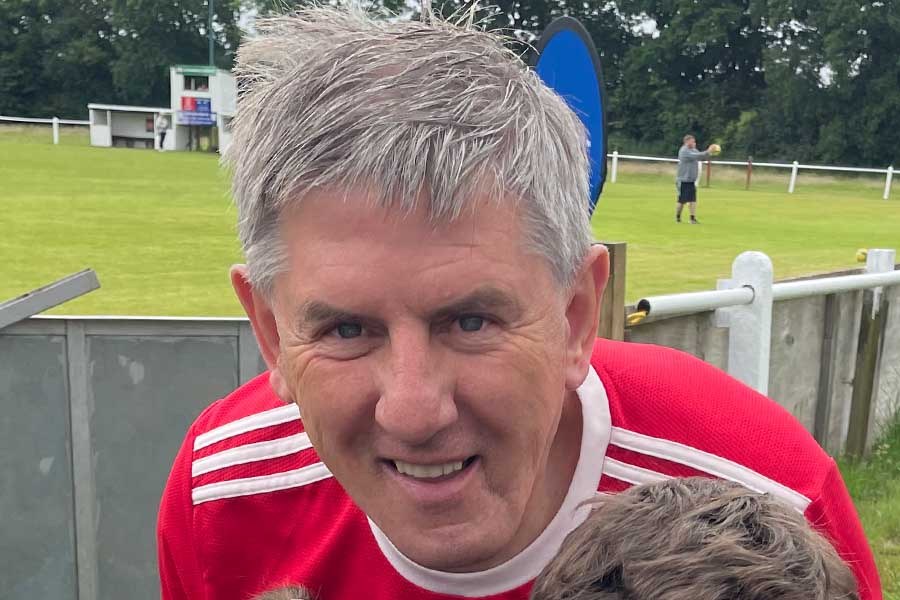
Peter Beardsley in later years. Photo: Skippo10 / Wikimedia Commons, CC BY-SA 3.0.
Peter Beardsley arrived at Liverpool from Newcastle United in 1987 and quickly became one of the most inventive forwards of the club’s late-1980s side.
In four seasons at Anfield he won two First Division titles and an FA Cup, making 175 appearances in all competitions. His movement and passing fitted naturally alongside John Barnes and John Aldridge, and later Ian Rush.
In the summer of 1991, at the age of 30, he moved to Everton for £1 million. It was a transfer that surprised supporters on both sides of the park. Beardsley spent two seasons at Goodison, making 95 appearances and scoring 32 goals, and played for Everton in the first Premier League campaign.
He also became only the second player, after David Johnson, to score in the Merseyside derby for both clubs. For a player so closely associated with Liverpool, the Everton chapter is still easy to forget.
3. Gary Ablett — Liverpool, 1985–1992; Everton, 1992–1996
Gary Ablett is the only player to have won the FA Cup with both Liverpool and Everton.
A local defender, he came through the Liverpool ranks and made his first-team debut in December 1986. He went on to make 147 appearances in all competitions, winning the First Division in 1987–88 and 1989–90. In 1989 he was part of the Liverpool side that beat Everton 3–2 in the FA Cup final at Wembley.
Graeme Souness sold him to Everton in January 1992 for £750,000. Ablett settled quickly at Goodison Park, making 128 league appearances, and in 1995 he collected a second FA Cup winner’s medal when Everton beat Manchester United 1–0.
He later coached in the youth setups of both clubs. Ablett died on 1 January 2012, at the age of 46, after an illness with non-Hodgkin lymphoma. He remains one of the few footballers genuinely respected on both sides of Stanley Park.
How Well Do You Know Liverpool and Everton Players?
Some of these footballers spent years at both clubs. Others appeared only a handful of times. Play GuessBaller and identify players from their clubs, careers and biggest achievements.
Play GuessBaller Now →4. Kevin Sheedy — Liverpool, 1978–1982; Everton, 1982–1992
Kevin Sheedy is remembered as an Everton midfielder, but his Merseyside career began at Anfield.
Liverpool signed the left-footed midfielder from Hereford United in 1978. He spent four years at the club and made only five first-team appearances in all competitions. The path into that midfield was simply too crowded.
Howard Kendall took him across the park in 1982, pulling him out of the Liverpool reserves. It became one of the best pieces of business of Kendall’s first spell. Sheedy made 356 appearances and scored 97 goals for Everton, a remarkable return from midfield, and was central to the side that won the First Division in 1984–85 and 1986–87, the FA Cup in 1984 and the European Cup Winners’ Cup in 1985.
The contrast still defines him. At Liverpool he barely played. At Everton he became a legend.
5. Steve McMahon — Everton, 1979–1983; Liverpool, 1985–1991
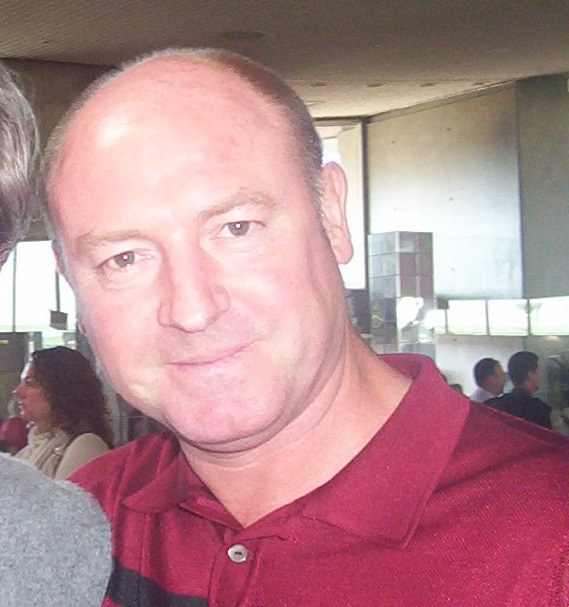
Steve McMahon. Photo: petetambo / Wikimedia Commons, CC BY 2.0.
Steve McMahon grew up in Halewood as an Everton supporter and had even been a ball boy at Goodison Park. Playing for the club was the fulfilment of a childhood ambition.
He made his league debut in August 1980, became a commanding figure in midfield, captained the side and was voted Everton’s player of the year in 1980–81. After 100 league appearances and 11 league goals, he left for Aston Villa in May 1983 for £175,000.
Two years later Liverpool came calling. McMahon later said he turned down Manchester United in order to join them. At Anfield he became a central figure in the team that won three First Division titles and two FA Cups. His first Liverpool goal came against Everton. He made 277 appearances in all competitions before leaving in 1991.
Few players have been so closely associated with both dressing rooms: a boyhood Blue who became a Liverpool midfield enforcer.
6. Abel Xavier — Everton, 1999–2002; Liverpool, 2002–2003
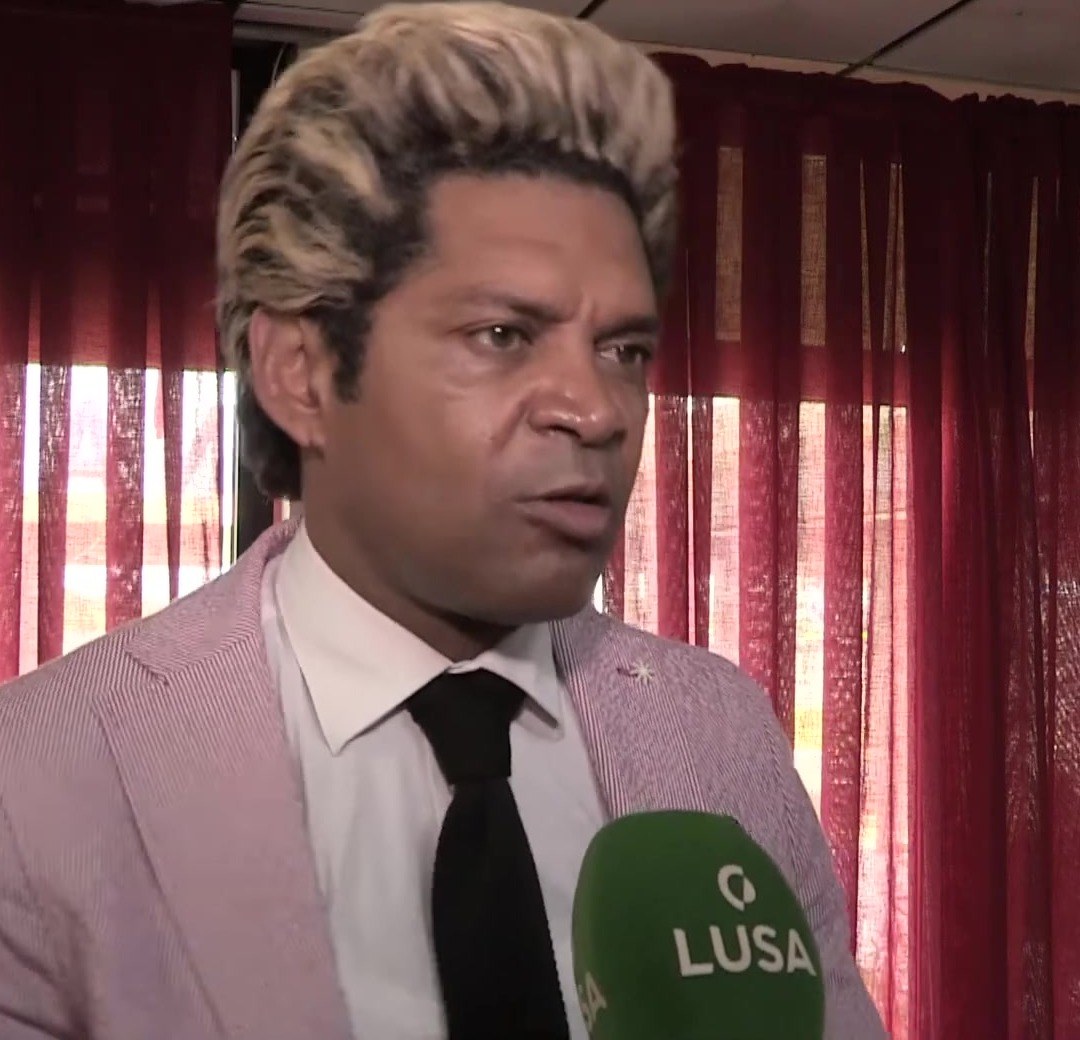
Abel Xavier in 2023. Still from a video by Agência LUSA, CC BY 3.0, via Wikimedia Commons.
Abel Xavier was impossible to miss. The Portuguese right-back arrived at Everton from PSV Eindhoven in September 1999 for £1.5 million, complete with bleached-blond hair and a beard that made him one of the Premier League’s most recognisable defenders.
He made 43 league appearances for Everton over two and a half seasons. Then, in January 2002, Liverpool paid £800,000 to take him across Stanley Park, signing him to help cover an injury crisis at the back.
Xavier scored on his Liverpool debut, against Ipswich Town, and also found the net in the Champions League against Bayer Leverkusen. He made 14 league appearances for the Reds before moving on, via a loan at Galatasaray, to a wandering later career that included Hannover, Roma, Middlesbrough and LA Galaxy.
His time at each Merseyside club was relatively short. The image of him in both shirts has lasted much longer.
7. David Johnson — Everton, 1971–1972 and 1982–1984; Liverpool, 1976–1982
David Johnson was a boyhood Liverpool supporter who began his senior career at Everton. He made his first-team debut on 8 January 1971, scored in his early appearances, and in November 1971 found the winner in a Merseyside derby at Goodison Park.
Bill Shankly tried more than once to take him directly to Anfield. Everton refused, and in 1972 Johnson was sold to Ipswich Town instead. Four years later Liverpool finally got their man.
Between 1976 and 1982 he made 213 appearances in all competitions and collected a remarkable set of honours: four First Division titles, three European Cups and two League Cups. In 1979–80 he scored 27 goals, sharing a prolific partnership with Kenny Dalglish. He was also the first player to score in the Merseyside derby for both clubs.
Johnson returned to Everton in 1982, but the second spell was less successful. He scored four goals in 40 league appearances, spent time on loan at Barnsley, and left for Manchester City in 1984, just before Everton’s mid-1980s revival. He died in November 2022.
8. Dave Hickson — Everton, 1948–1955 and 1957–1959; Liverpool, 1959–1961
Dave Hickson signed for Everton in 1948, though National Service delayed his first-team debut until September 1951. Once he got there, the centre-forward became a Goodison favourite. His powerful shooting earned him the nickname the Cannonball Kid.
In the 1952–53 FA Cup run he produced one of the club’s most famous individual displays, returning to the pitch against Manchester United with stitches in a head wound and scoring the winner. He scored 25 league goals as Everton won promotion in 1953–54. After a brief departure to Aston Villa and then Huddersfield Town, he returned to Goodison in 1957.
The more controversial move came in 1959, when Everton sold him to Liverpool, then a Second Division club. Hickson scored twice on his Anfield debut. Bill Shankly, who had already managed him at Huddersfield, arrived shortly afterwards and used him again to good effect. Hickson scored 37 goals in 60 league appearances for Liverpool before leaving in 1961.
In two spells he made 225 league appearances and scored 95 league goals for Everton. Few forwards have been quite so thoroughly claimed, at different times, by both halves of the city. Hickson died in 2013.
9. Sander Westerveld — Liverpool, 1999–2001; Everton, 2006
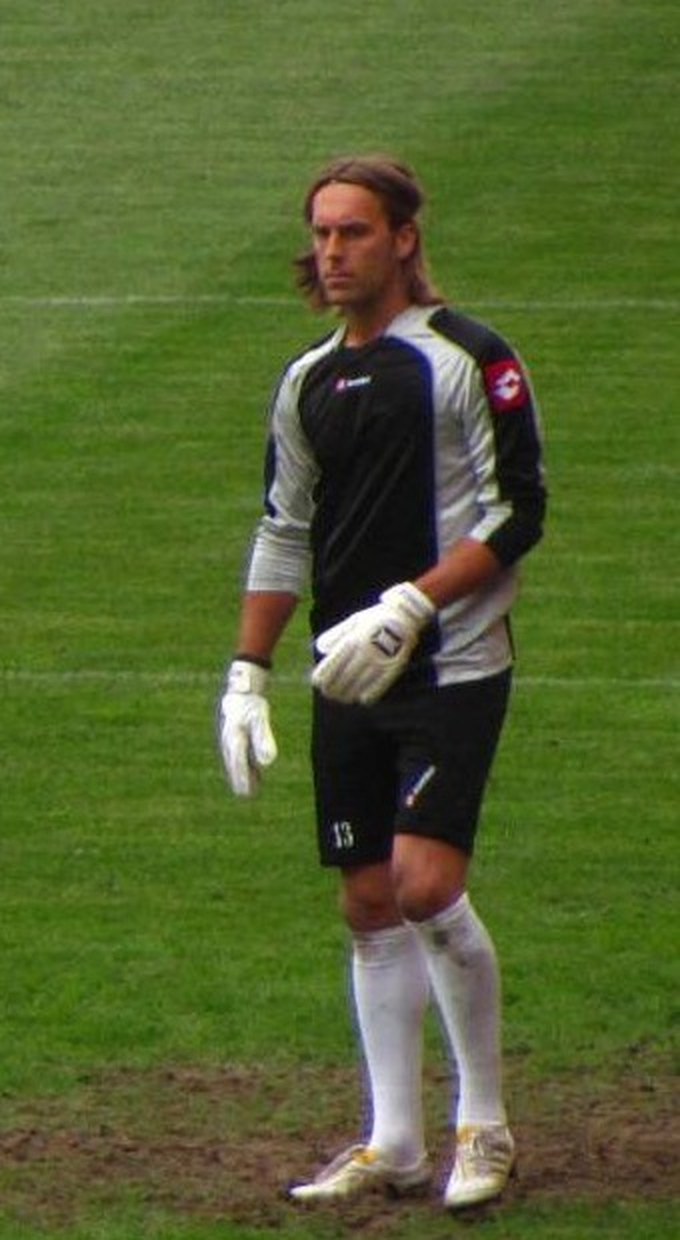
Sander Westerveld in 2011. Photo: David Sedlecký / Wikimedia Commons, CC BY-SA 3.0.
Sander Westerveld was Liverpool’s goalkeeper during one of the most successful seasons in the club’s modern history. Signed from Vitesse in 1999 for a British record fee for a goalkeeper, he made 103 appearances in all competitions and played a central role in the 2000–01 treble of the FA Cup, League Cup and UEFA Cup. In the League Cup final he saved the decisive penalty in the shoot-out against Birmingham City.
His Anfield career ended abruptly. After a mistake against Bolton Wanderers in August 2001 he lost his place, as Gérard Houllier signed Jerzy Dudek and Chris Kirkland, and he was sold to Real Sociedad later that year.
The Everton chapter is much shorter, and much stranger. In February 2006, while at Portsmouth, Westerveld joined David Moyes’s side on an emergency loan because Nigel Martyn, Richard Wright and Iain Turner were all unavailable. He played two Premier League matches, against Newcastle United and West Ham United, then returned to Portsmouth.
Two games do not make a Goodison career. They are still enough to place him on a very short list.
10. Conor Coady — Liverpool, 2011–2014; Everton, 2022–2023
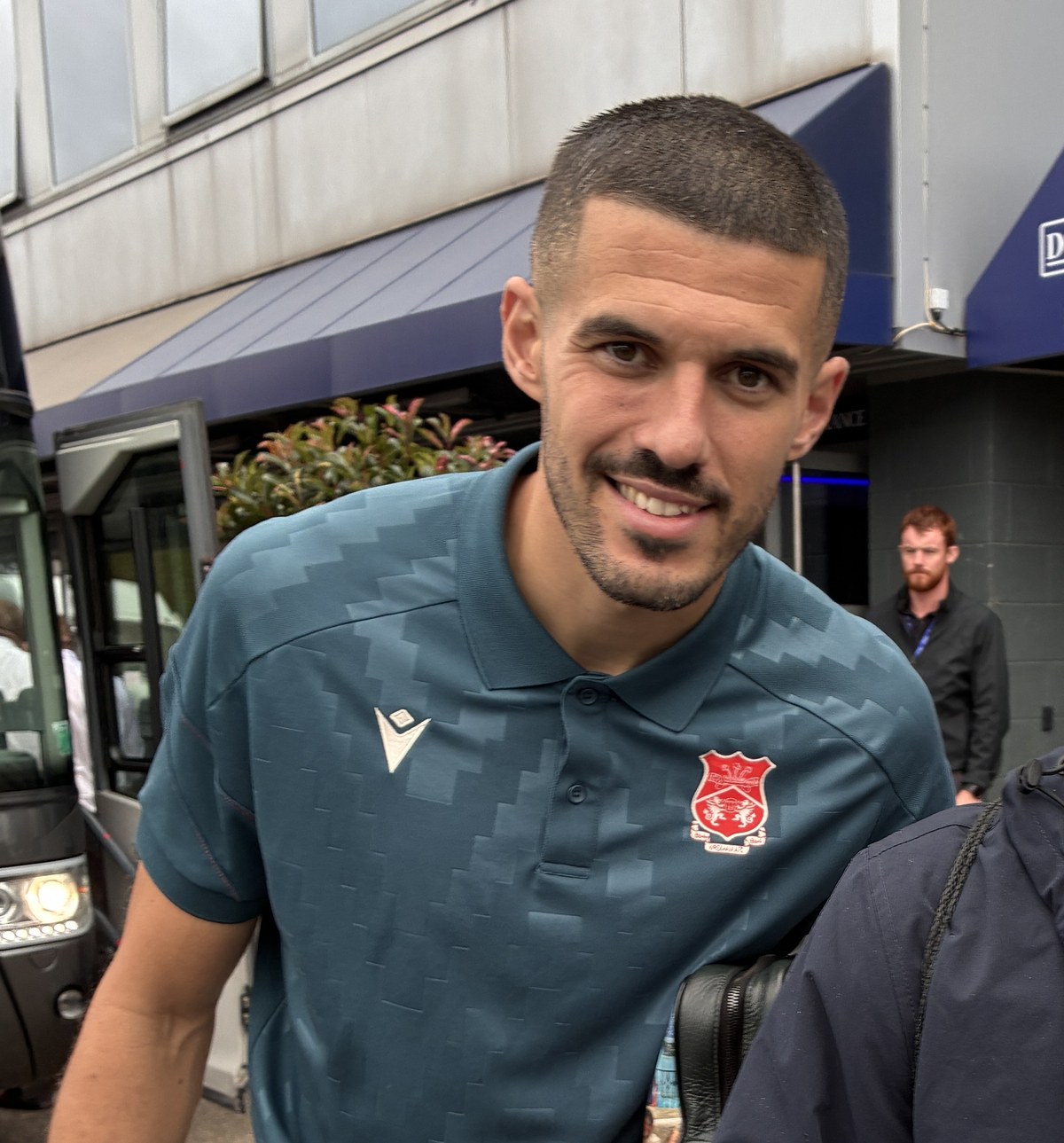
Conor Coady in 2025. Photo: Timmy96 / Wikimedia Commons, CC0.
Conor Coady is the most recent player on this list, and one of the easiest to overlook.
Born in St Helens, he came through the Liverpool academy after joining the club in 2005. He made only two senior appearances: a Europa League group game against Anzhi Makhachkala in November 2012, and a Premier League debut in a 3–1 win at Fulham in May 2013. A season on loan at Sheffield United followed, and in 2014 he left Anfield for good.
His reputation was built later at Wolverhampton Wanderers, where he became captain and a regular in the Premier League. In 2022–23 Wolves sent him back to Merseyside on a season-long loan — this time to Everton. He made 24 league appearances and scored once.
In a goalless Merseyside derby at Goodison Park he thought he had scored the winner, only for the goal to be ruled out for offside. For a former Liverpool academy graduate, it was almost the most Merseyside moment possible.
11. Don Hutchison — Liverpool, 1990–1994; Everton, 1998–2000
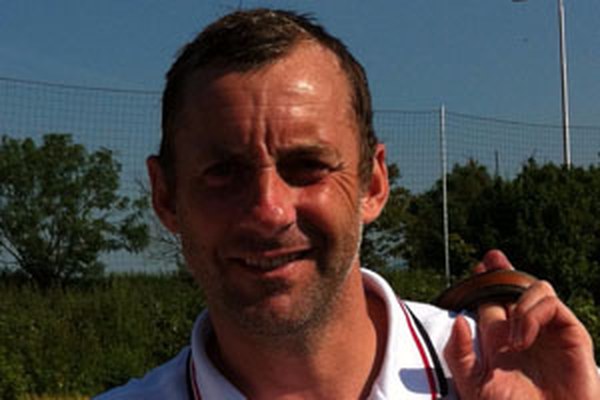
Don Hutchison in 2013. Photo: Jonesy702 / Wikimedia Commons, CC BY-SA 3.0.
Don Hutchison joined Liverpool from Hartlepool United in the early 1990s, signed by Kenny Dalglish for £175,000. He spent a little over two years in the first-team picture at Anfield and made more than 40 appearances, showing enough to suggest a longer stay, before leaving in 1994.
Spells at West Ham United and Sheffield United followed. In 1998 he returned to Merseyside, this time with Everton, and became a regular in Walter Smith’s midfield. He made 75 appearances for the Toffees and occasionally captained the side when Dave Watson was absent.
A contract dispute eventually took him to Sunderland. Hutchison is not usually the first name mentioned when people talk about players who represented both clubs, which is exactly why he belongs here.
12. David Burrows — Liverpool, 1988–1993; Everton, 1994–1995
David Burrows was a reliable left-back in a decorated Liverpool side. He joined the club in 1988 and made almost 200 appearances, winning the First Division in 1989–90 and the FA Cup in 1991–92.
He left for West Ham United in 1993, but he was back on Merseyside a year later, this time at Everton. The Goodison spell lasted only six months. Burrows made 19 league appearances and also featured in the early rounds of Everton’s 1994–95 FA Cup run, before a move to Coventry City took him away before the final.
It was a brief second chapter on Merseyside, and one that is easy to miss in a career remembered mainly for his years at Anfield.
13. Johnny Morrissey — Liverpool, 1957–1962; Everton, 1962–1972
Johnny Morrissey’s transfer is still one of the stranger stories in the Merseyside rivalry.
He had made 37 appearances and scored six goals for Liverpool when, in 1962, the club sold him to Everton for £10,000. The deal was completed without the knowledge of manager Bill Shankly, who was furious when he found out and even wrote a letter of resignation.
Morrissey scored on his Everton debut, in a 2–2 Merseyside derby. He went on to spend a decade at Goodison Park and was part of the side that won the First Division in 1962–63, making 28 league appearances and scoring seven league goals in that championship season. The great majority of his career was spent in royal blue, not red.
For Liverpool it was a sale they quickly came to regret. For Everton it was the arrival of a winger who would help them to a title in his first season.
14. Dick Forshaw — Liverpool, 1919–1927; Everton, 1927–1929
Dick Forshaw holds a record that has never been matched. He is the only player to have won the Football League title with both Liverpool and Everton.
A prolific forward, he signed professional terms with Liverpool in 1919 and scored more than 100 goals for the club over the next eight years. He was part of the sides that won the First Division in 1921–22 and 1922–23.
In 1927 he moved across Stanley Park to Everton. The following season the Toffees were champions, in the campaign famous for Dixie Dean’s 60 league goals, and Forshaw collected a third title medal — this time in blue.
Plenty of footballers have appeared for both clubs. More than a century later, only Forshaw has been a league champion with each of them.
15. Tommy Johnson — Everton, 1930–1934; Liverpool, 1934–1936
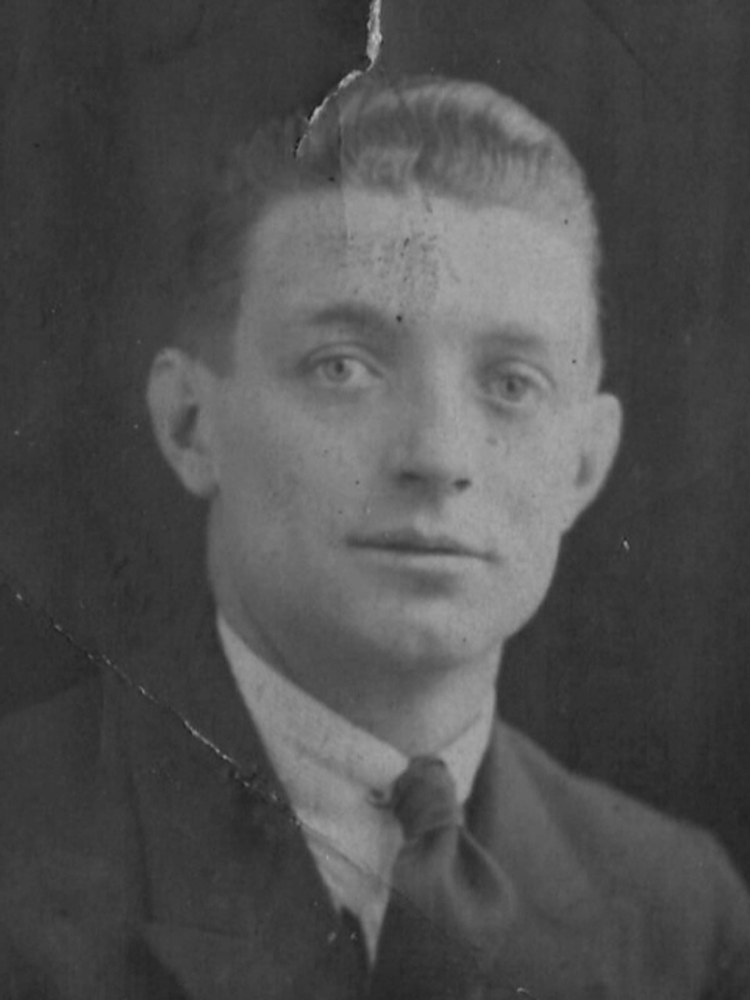
Tommy Johnson, circa late 1920s. Photo: public domain, via Wikimedia Commons.
Tommy Johnson was already one of the finest forwards in the country when he arrived at Everton. He had spent more than a decade at Manchester City, scoring 38 league goals in 1928–29, a single-season record that still stands at the club, and joined the Toffees in March 1930 for £6,000.
At Goodison Park he played alongside Dixie Dean and helped Everton win promotion from the Second Division, the First Division title in 1931–32, and the 1933 FA Cup. In four seasons he made 146 league appearances and scored 56 league goals.
Liverpool signed him from Everton in March 1934, when the Reds were struggling to stay in the First Division. Johnson played the last 11 matches of that season and the club avoided relegation. He made 36 league appearances and scored eight league goals across two seasons, then left in 1936.
His best years on Merseyside were in blue, and they are still easy to lose behind his earlier reputation at Maine Road. The quieter crossing from Goodison to Anfield is part of the same career.
16. Bill Lacey — Everton, 1909–1912; Liverpool, 1912–1915 and 1919–1924
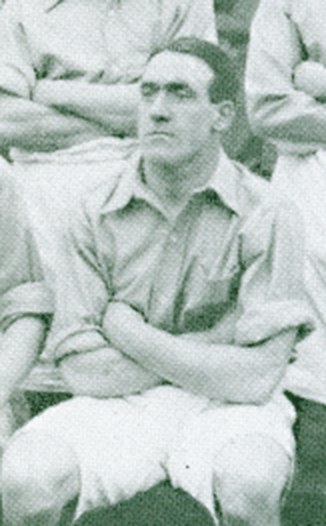
Bill Lacey in 1914. Photo: public domain, via Wikimedia Commons.
Bill Lacey arrived on Merseyside from Shelbourne in February 1909 and made his Everton debut that April. A versatile and widely admired footballer, he spent three years at Goodison Park before joining Liverpool in 1912 as part of a deal that also took Tom Gracie to Anfield, with Harold Uren moving the other way.
Lacey’s best years came in red. After the First World War he returned to Liverpool and helped the club win two successive First Division titles, in 1921–22 and 1922–23. He remained at Anfield until 1924. Over a long career he was said to have played in all 11 positions.
He later returned to Ireland, won a league title with Shelbourne, and became a coach. In Merseyside football history he belongs to a much earlier generation than Barmby or Xavier, but the journey was the same: first blue, then red.
17. Fred Geary — Everton, 1889–1895; Liverpool, 1895–1896
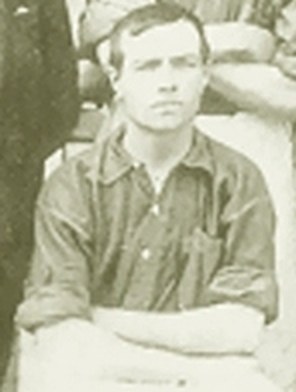
Fred Geary. Photo: public domain, via Wikimedia Commons.
Fred Geary was already an Everton star before Liverpool even existed. The centre-forward joined the Toffees in 1889 and was the leading attacker in the side that won the club’s first Football League title in 1890–91.
He spent six seasons at Goodison Park, then moved to Liverpool in 1895, late in his career. The Reds were still a young club, and Geary helped them win the Second Division championship in 1895–96.
His best years were in blue. The Liverpool spell was a short postscript. It is still enough to make him one of the earliest footballers to have played for both clubs, at a time when the rivalry was only just beginning.
18. Edgar Chadwick — Everton, 1888–1899; Liverpool, 1902–1904
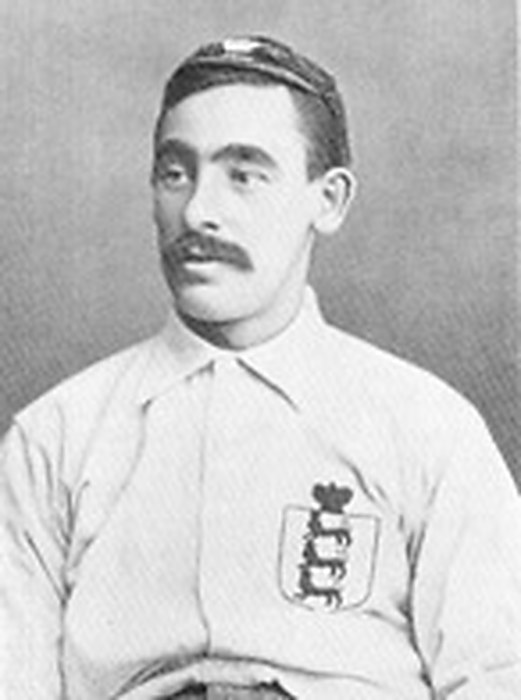
Edgar Chadwick. Photo: public domain, via Wikimedia Commons.
Edgar Chadwick is one of the great early Everton forwards, and one of the easiest to forget as a Liverpool player.
He spent 11 seasons at Goodison Park after joining in 1888, making 270 league appearances and scoring 97 league goals. He was part of the side that won Everton’s first Football League title in 1890–91, playing in the same famous forward line as Fred Geary.
After leaving Everton he had spells at Burnley and Southampton, then signed for Liverpool in 1902. The Anfield chapter was shorter: 43 league appearances and seven goals across two seasons, before he moved on again.
For Everton supporters he remains a club legend. For anyone compiling a list of players who represented both Merseyside clubs, he is also proof that the walk across Stanley Park is older than most of the arguments about it.
19. Andrew Hannah — Everton, 1889–1891; Liverpool, 1892–1895
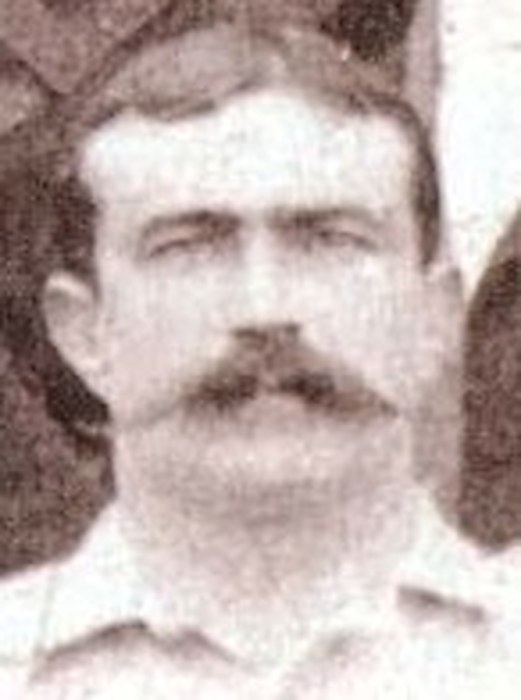
Andrew Hannah in 1892, from the Liverpool team photograph. Photo: public domain, via Wikimedia Commons.
Andrew Hannah has a claim that almost nobody else on this list can match. He captained both clubs.
The Scottish full-back joined Everton in 1889 and made 42 league appearances. In 1890–91 he missed only two matches as Everton won the First Division for the first time, and he captained the side during his time at the club.
When Everton left Anfield in 1892 and Liverpool were formed, Hannah became the new club’s first captain. He made 73 appearances and scored once between 1892 and 1895, leading Liverpool through their early seasons and to the Second Division title in 1893–94.
He is not a household name more than a century later. At the moment the two clubs were splitting apart, though, he was the man with the armband on both sides of the break.
20. Arthur Berry — Liverpool, 1907–1909 and 1912; Everton, 1909–1911
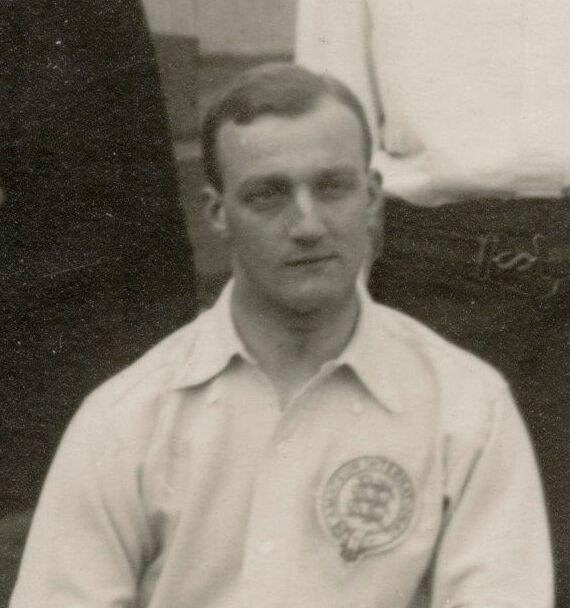
Arthur Berry in 1912. Photo: public domain, via Wikimedia Commons.
Arthur Berry’s family story is almost as striking as his playing career. His father, Edwin “Ted” Berry, had been a founder member of St. Domingo’s, the church team that became Everton, and later served as chairman of Liverpool.
Berry himself was an amateur, an Oxford Blue and, later, a barrister. He made four first-team appearances for Liverpool, in a first spell from 1907 to 1909 and a brief return in 1912. Between those spells he played for Everton, making 29 appearances and scoring seven goals from 1909 to 1911.
He also won Olympic gold with Great Britain in both 1908 and 1912. He ended his playing career in 1914 to practise law. Few footballers have represented both Merseyside clubs as an amateur, and fewer still have a family connection to the founding of one and the boardroom of the other.
Why Crossing Stanley Park Still Matters
A transfer between Liverpool and Everton has never been just another move down the road.
Some of the players on this list became legends in the colours they joined. Sheedy, Morrissey and Hickson all made their reputations after leaving one Merseyside club for the other. Some, including Westerveld and Xavier, barely had time to settle. A handful left with honours that still belong to both dressing rooms. Ablett won the FA Cup with each club. Forshaw remains the only man to have won the league with both.
The rivalry has not faded, and a move from one club to the other can still feel personal. That is why these careers stay in the memory, and why they remain such good material for an argument.
If you want to test how well you remember who shared a pitch, or which surprising club combinations actually happened, play the GuessBaller daily game — you get eight tries to identify a retired player from clues including clubs, teammates and honours — or try Did they play together. There is also Football Wordle and Guess the Footballer if you want another way to put a Merseyside career to the test.
Enjoyed this? Put your football knowledge to the test.
Play Guessballer →