

Football memory is strangely selective.
A player can spend years at one club and become inseparable from it. A short, unexpected chapter at another side often drops out of the story altogether, even when the move was permanent.
Some of the most famous footballers of the last 25 years signed for clubs that still look impossible. Thomas Gravesen really did move to Real Madrid. Víctor Valdés really did join Manchester United. They were not loans. They were permanent transfers, and they still sound like trick questions.
A loan can be dismissed as a footnote. A permanent deal is harder to explain away, which is precisely why these spells are so easy to forget. They happened, they often lasted only a season, and then the player became famous for somewhere else.
Here are 20 club spells you may have completely forgotten happened.
1. Thomas Gravesen — Real Madrid (2005–2006)

Photo: violentsiolence, Flickr (CC BY 2.0).
If one name still stops a pub quiz, it is Thomas Gravesen at Real Madrid.
In January 2005, Real paid Everton £2.5 million for the Denmark midfielder and handed him a three-and-a-half-year contract. Gravesen had been one of the most effective players in David Moyes’s midfield and was close to the end of his deal at Goodison Park. Madrid needed a holding midfielder. The solution they chose still looks unlikely.
He made an immediate impression, scoring in a 4–0 win over Espanyol, and finished the spell with 34 La Liga appearances and one goal. In all competitions he played 49 times. For a while he started alongside Zinedine Zidane, Ronaldo, Raúl and Roberto Carlos.
The fit never became comfortable. Gravesen’s physical style divided opinion in Madrid, and by the summer of 2006 he was sold to Celtic. The Real Madrid chapter had lasted 19 months. It remains the transfer people mention when they want an example of a player you forgot played for a giant.
2. Víctor Valdés — Manchester United (2015–2016)
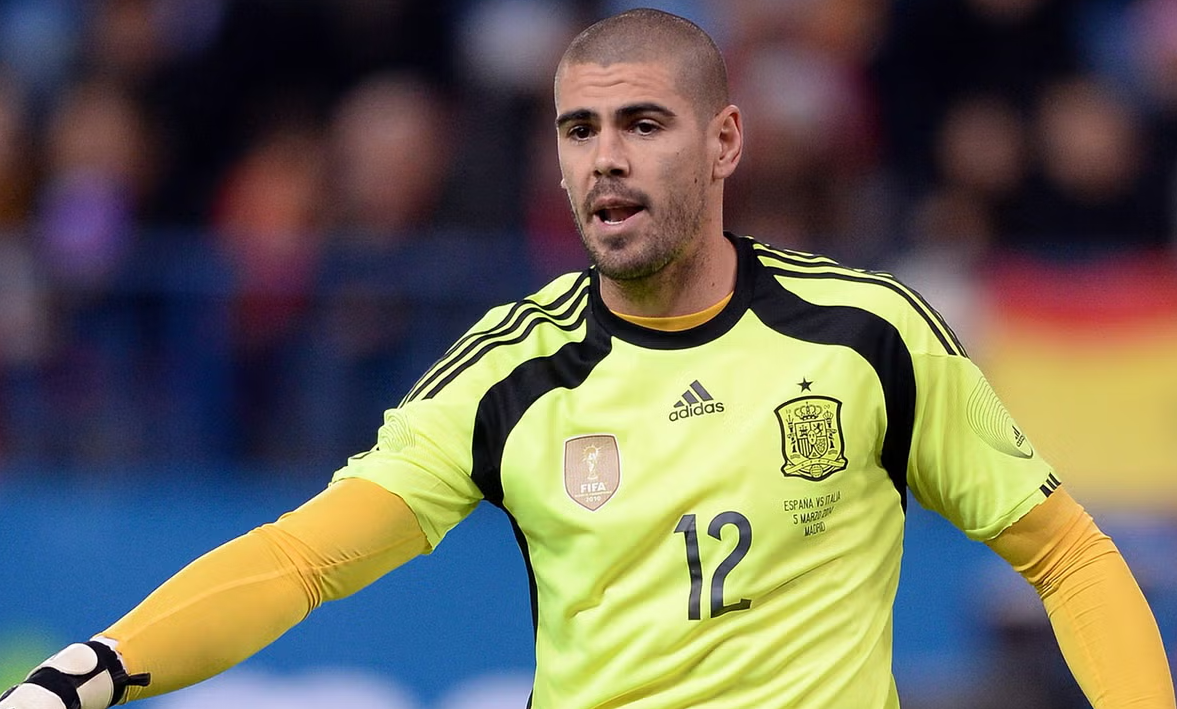
Víctor Valdés left Barcelona in 2014 as a three-time Champions League winner and a world champion with Spain and Barcelona teammate Gerard Piqué. After recovering from a serious knee injury, he signed for Manchester United on 8 January 2015.
It was a free transfer, not a loan. United gave him an 18-month contract, with the option of a further year, and Louis van Gaal presented him as David de Gea’s deputy.
Valdés made only two Premier League appearances, both in May 2015, including a match against Arsenal. He did not play for the first team in 2015–16. A mid-season loan to Standard Liège followed, and United released him in the summer of 2016 before he joined Middlesbrough.
The career that people remember was built entirely at Barcelona. The Manchester United contract is the part that still surprises.
3. Fernando Hierro — Bolton Wanderers (2004–2005)
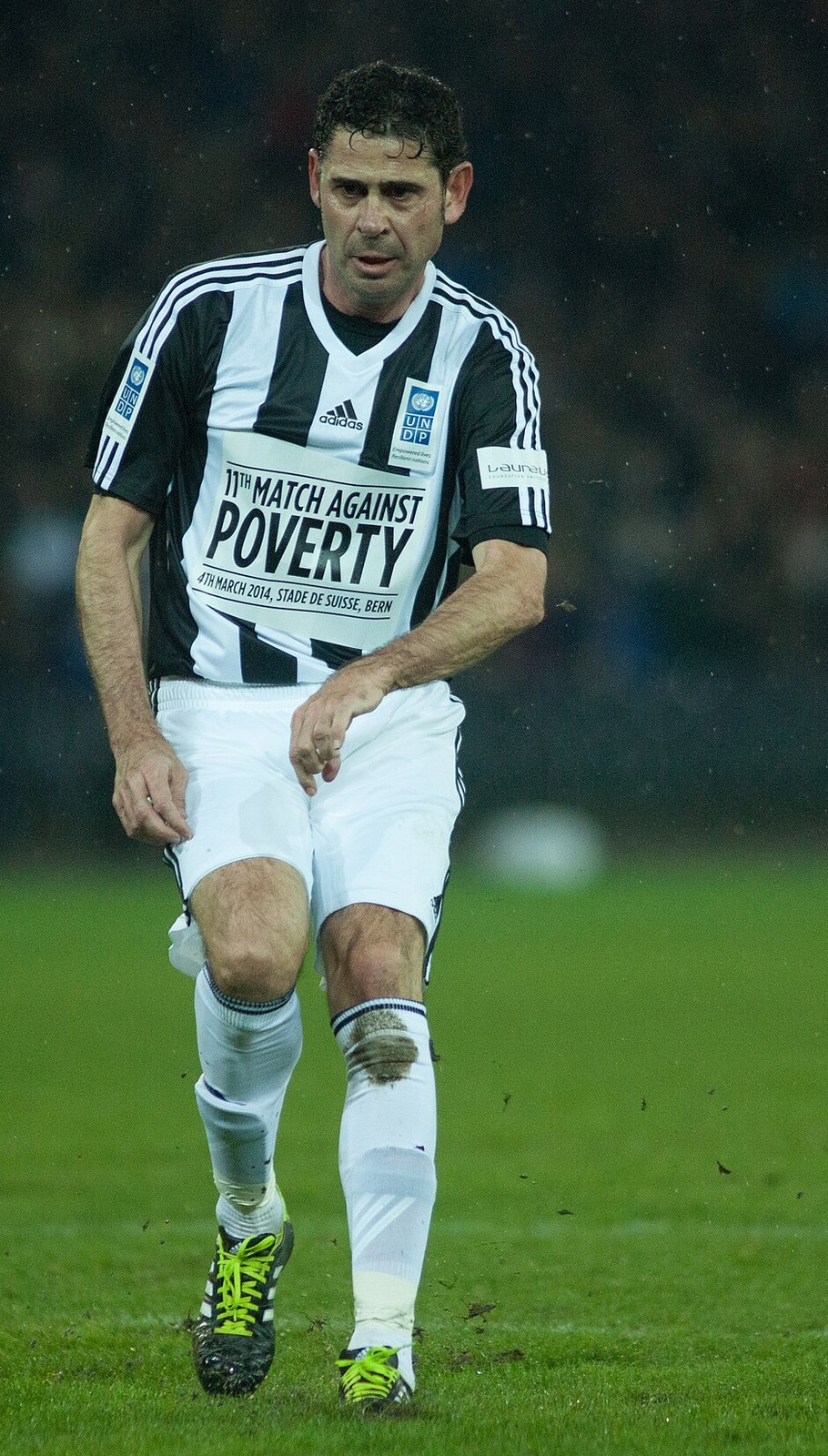
Photo: Ludovic Péron, Wikimedia Commons (CC BY-SA 3.0).
Fernando Hierro spent 14 seasons at Real Madrid, captained the club and scored more than 100 league goals from midfield and defence. He won the Champions League three times and earned 89 caps for Spain.
He did not go straight from the Bernabéu to the Premier League. After leaving Madrid in 2003 he spent a season with Al-Rayyan in Qatar. In July 2004, at the age of 36, he joined Bolton Wanderers on a free transfer and a one-year contract, on the advice of his former Madrid teammate Steve McManaman.
Hierro made 29 Premier League appearances and scored once, a header in a 3–2 defeat at Norwich City. In all competitions he played 35 times. On the final day of the season, in a 3–2 win over Everton, he was substituted to a standing ovation from both sets of supporters and then retired.
Sam Allardyce’s Bolton already had a reputation for signing unexpected names. Signing the former captain of Real Madrid still stands apart.
4. Fernando Morientes — Liverpool (2005–2006)

Photo: Chin Yu Chu, Wikimedia Commons (CC BY-SA 2.0).
The loan spell people remember is Fernando Morientes at Monaco, where he helped eliminate Real Madrid from the Champions League. The permanent transfer that followed is easier to misplace.
In January 2005, Liverpool paid around £6.3 million to sign him from Madrid on a three-and-a-half-year contract. He had already played in that season’s Champions League, so he was cup-tied for the run that ended in Istanbul. Iker Casillas lifted the trophy with Madrid’s name still on Morientes’s record; Liverpool’s European night happened without him.
He stayed for a further season and made 61 appearances in all, scoring 12 goals. He started the 2005 UEFA Super Cup and came off the bench in the 2006 FA Cup final against West Ham United. The goalscoring return never matched his reputation, and in July 2006 he left for Valencia.
Sixteen months at Anfield is long enough to count, and short enough to be forgotten beside Madrid and that Monaco spring.
5. Patrick Kluivert — Newcastle United (2004–2005)
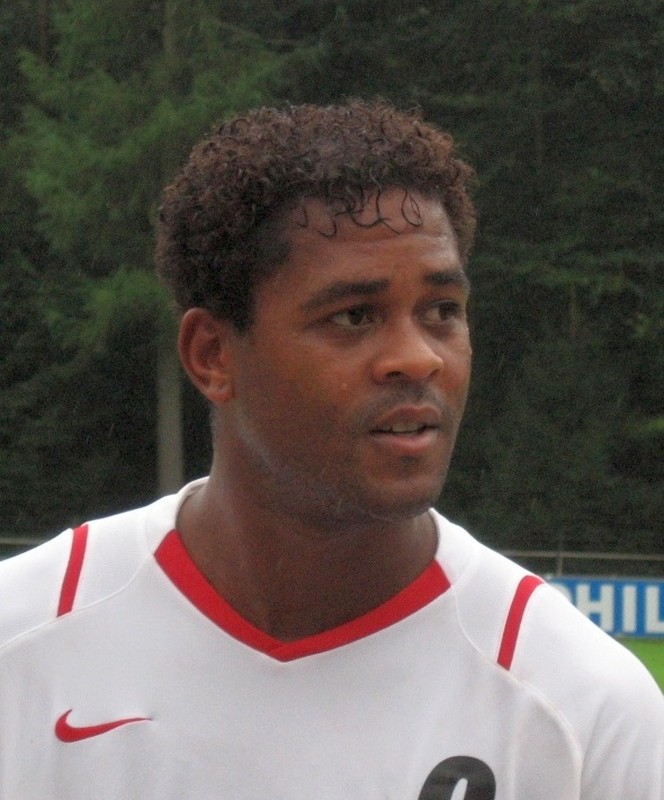
Photo: Wikimedia Commons (public domain).
Patrick Kluivert arrived on Tyneside as a free agent in July 2004, after Barcelona released him following six seasons and 90 league goals. Newcastle gave him a three-year contract and the number 11 shirt. Sir Bobby Robson called it one of the club’s most significant signings.
Kluivert scored 13 goals in 37 appearances across all competitions, including six in the Premier League and five in the UEFA Cup. He also scored the only goals in FA Cup wins over Chelsea and Tottenham Hotspur. For a year he shared a dressing room with Alan Shearer.
It was still only one season. Newcastle released him in the summer of 2005, and he moved on to Valencia, then PSV and Lille. The image of Kluivert as an Ajax and Barcelona centre-forward is so strong that the year at St James’ Park often slips out of the career people recite.
6. Robert Pirès — Aston Villa (2010–2011)
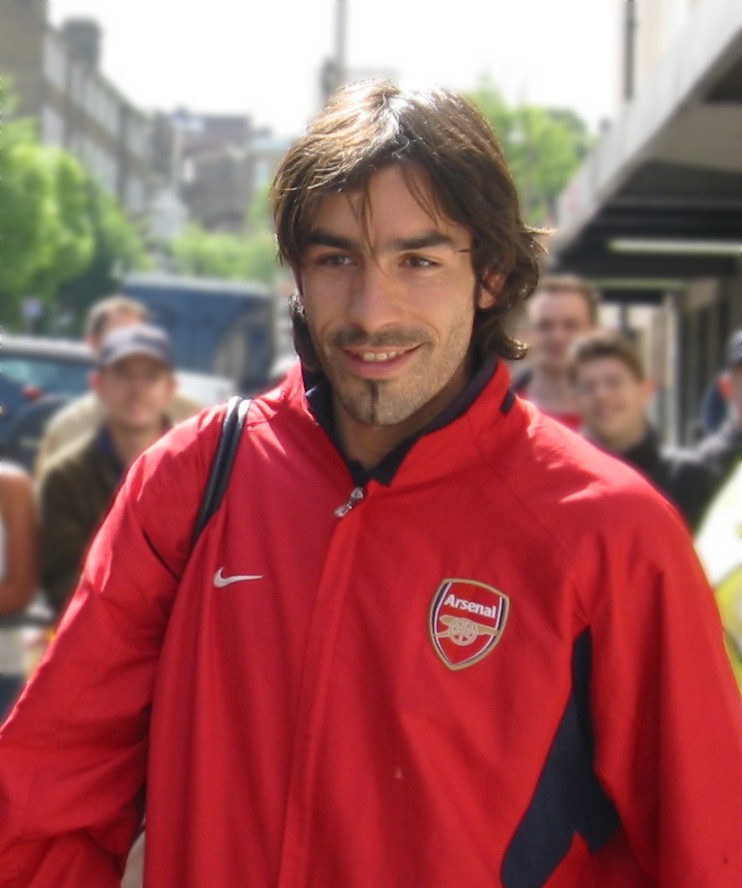
Photo: Alexander Ottesen, Wikimedia Commons (CC BY-SA 2.5).
Robert Pirès is fixed in the memory as an Arsenal Invincible and a World Cup winner with France. After leaving Villarreal in 2010 he spent several months without a club. In November he signed a six-month contract with Aston Villa.
It was a short-term permanent deal, not a loan. Pirès made nine Premier League appearances without scoring and 12 in all competitions, with his only Villa goal coming in the FA Cup. Villa released him at the end of May 2011.
The spell was too brief to alter his reputation, which is why it has faded. A World Cup winner and a Highbury favourite really did finish his European career in a claret and blue shirt.
7. Peter Schmeichel — Manchester City (2002–2003)
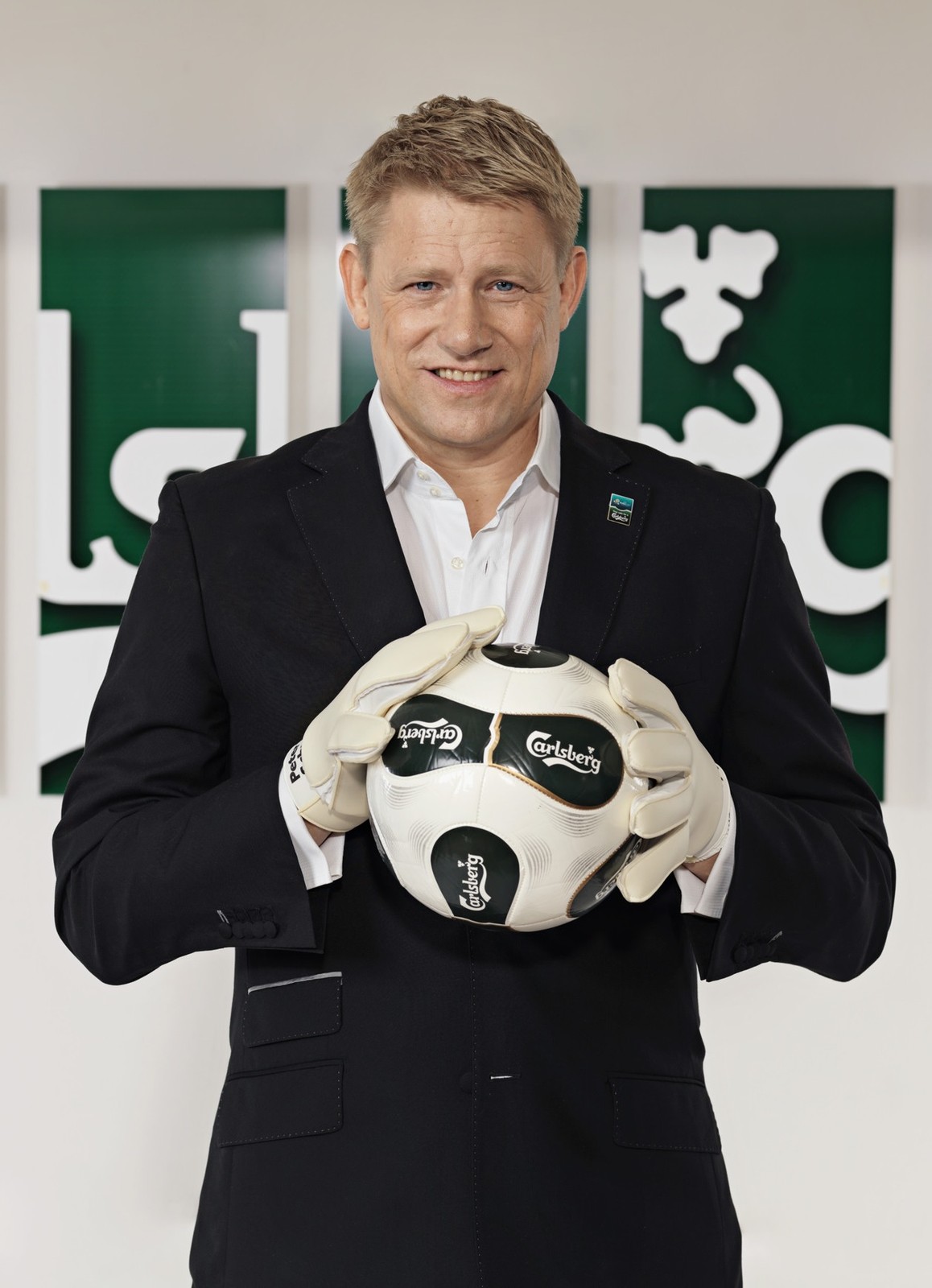
Photo: Carlsberg, Wikimedia Commons (CC BY 3.0).
Peter Schmeichel’s association with Manchester United is so complete that his later clubs are often treated as a blur. After leaving Old Trafford he played for Sporting and then spent a season at Aston Villa. In the summer of 2002 he signed a one-year contract with Manchester City.
It was a free transfer, and it placed United’s treble-winning goalkeeper in the opposite half of the Manchester derby. Schmeichel played 29 Premier League matches in 2002–03 and retired at the end of the season.
The move made sense at the time: he was 38, City wanted a high-profile goalkeeper, and he still had a year of football in him. Twenty years later, it is one of the first answers people forget when they are asked to name every club he played for.
8. Roy Keane — Celtic (2005–2006)
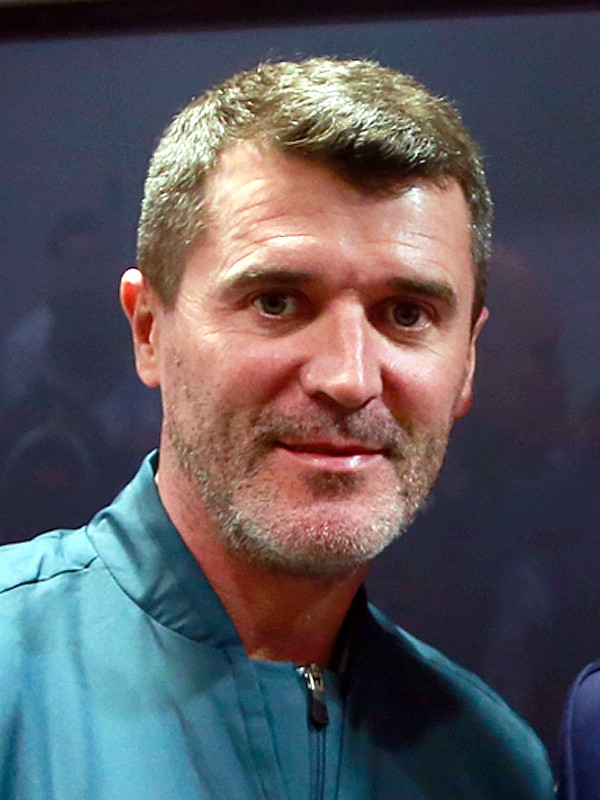
Photo: Irish Defence Forces, Wikimedia Commons (CC BY 2.0).
Roy Keane’s departure from Manchester United in November 2005 is remembered in more detail than what happened next. A few weeks later, on 15 December, he signed an 18-month contract with Celtic as a free agent.
He made 10 league appearances and scored once. In a half-season in Glasgow he won the Scottish Premier League and the Scottish League Cup, then retired at the end of the 2005–06 campaign.
The numbers are small beside his 12 years at United, where he won seven Premier League titles and the Champions League. They are still a completed chapter: the former United captain ended his playing career in green and white hoops, with two more medals, and then went into management.
9. Ashley Cole — Roma (2014–2015)
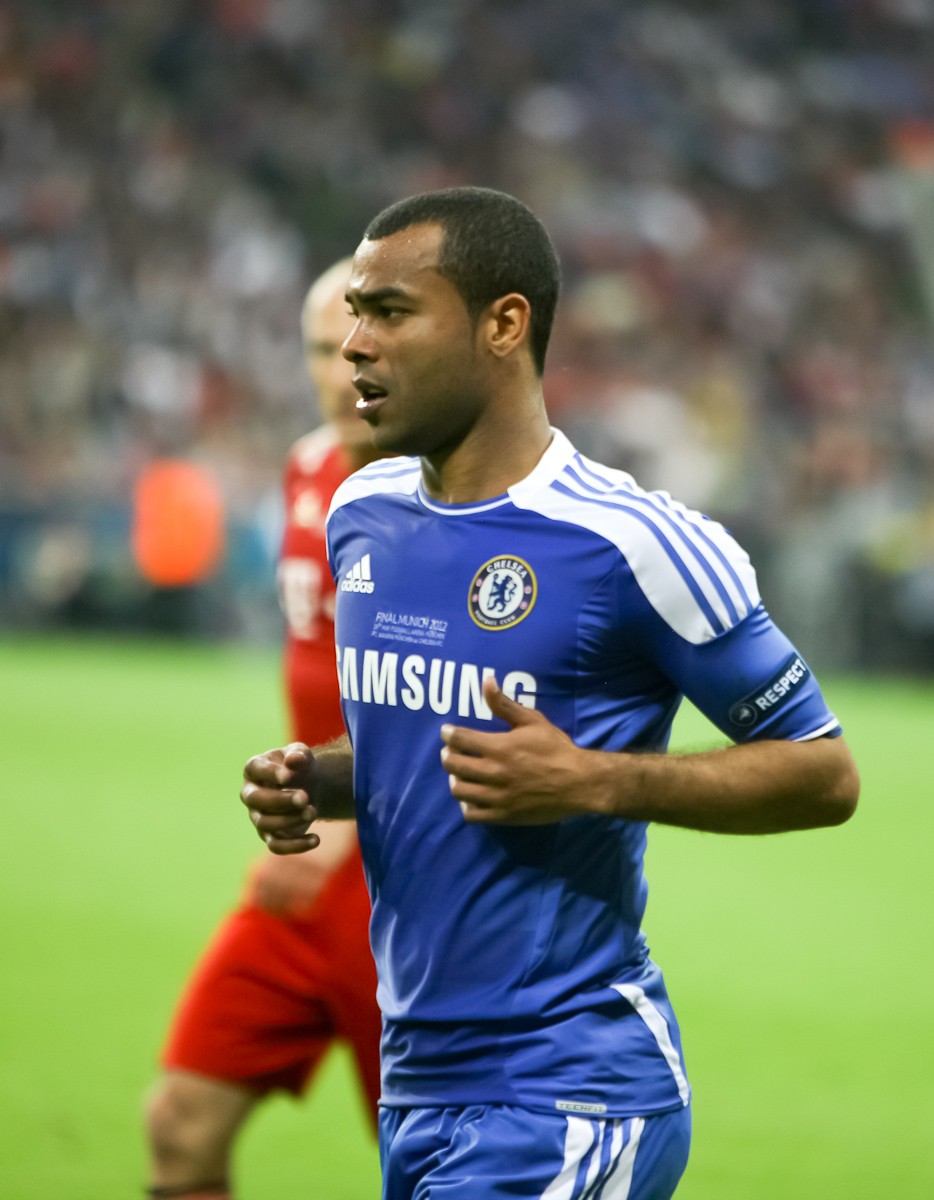
Photo: rayand, Wikimedia Commons (CC BY 2.0).
Ashley Cole left Chelsea in 2014 as one of the most decorated English full-backs of his generation, with three Premier League titles and a Champions League winner’s medal. The obvious next step appeared to be the United States. Instead, he signed a two-year contract with Roma.
It was a free transfer, not a loan. Cole made 11 Serie A appearances and 16 in all competitions, including three in the Champions League. After one season he left for LA Galaxy.
The year in Rome is easy to skip when the career is told as Arsenal, Chelsea and a late spell in Major League Soccer. Frank Lampard never followed him there. Cole really did pull on a Roma shirt between those two more familiar chapters.
10. Sol Campbell — Notts County (2009)
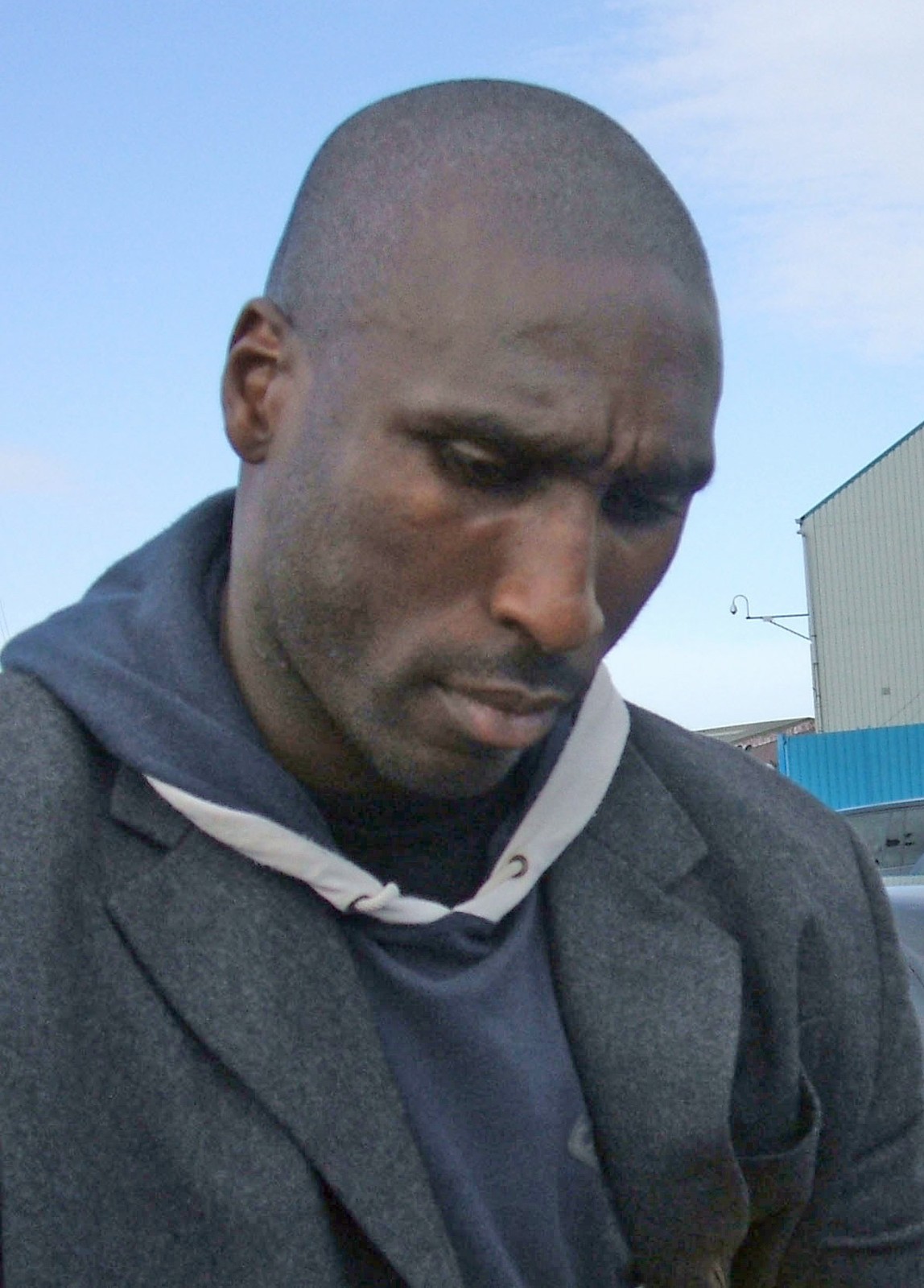
Photo: Thom32, Wikimedia Commons (public domain).
Sol Campbell’s career is usually told through Tottenham, Arsenal and Portsmouth. In August 2009, after leaving Portsmouth, he signed a five-year contract with Notts County, then in League Two and managed by Sven-Göran Eriksson.
The deal was permanent and, on paper, extraordinary. Campbell made a single appearance, in a 2–1 defeat to Morecambe, and left by mutual consent in September, barely a month after joining.
He later returned briefly to Arsenal and finished his career at Newcastle United. Those spells are unusual enough. A five-year contract at the oldest Football League club, and one match, remains the strangest line on the list.
11. Gennaro Gattuso — Rangers (1997–1998)
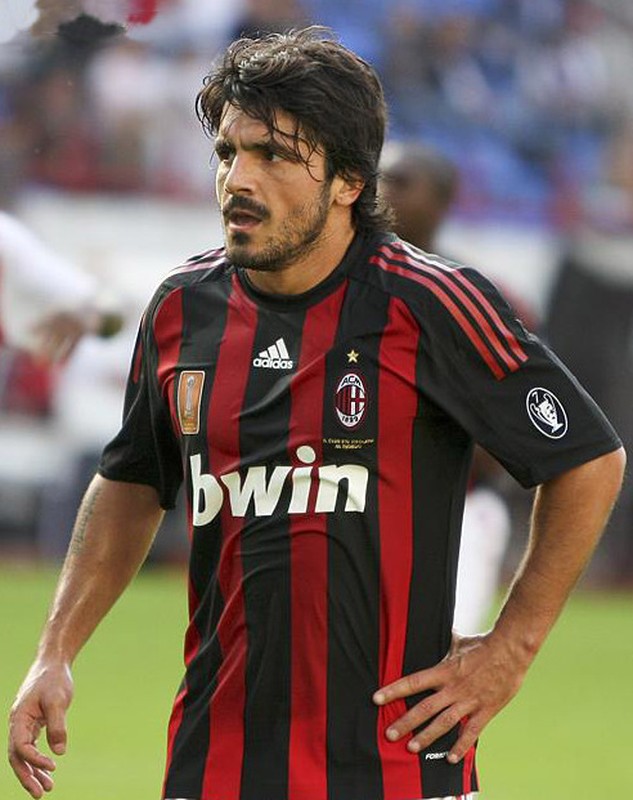
Photo: Elena Rybakova, Wikimedia Commons (CC BY-SA 3.0).
Before Gennaro Gattuso became the heart of AC Milan and a World Cup winner with Italy, he spent a little over a year in Glasgow. Rangers signed him from Perugia in 1997, under freedom of contract, and gave the 19-year-old a four-year deal.
He made 29 league appearances and scored three times in 1997–98, and was part of the squad that won the Scottish title. In October 1998 he returned to Italy with Salernitana. Milan, and everything that followed, came after that.
Gattuso is so closely tied to the San Siro that the Rangers season can sound like a rumour. It was a genuine first chapter in a major league, completed before most supporters outside Scotland had learned his name.
12. Edwin van der Sar — Juventus (1999–2001)
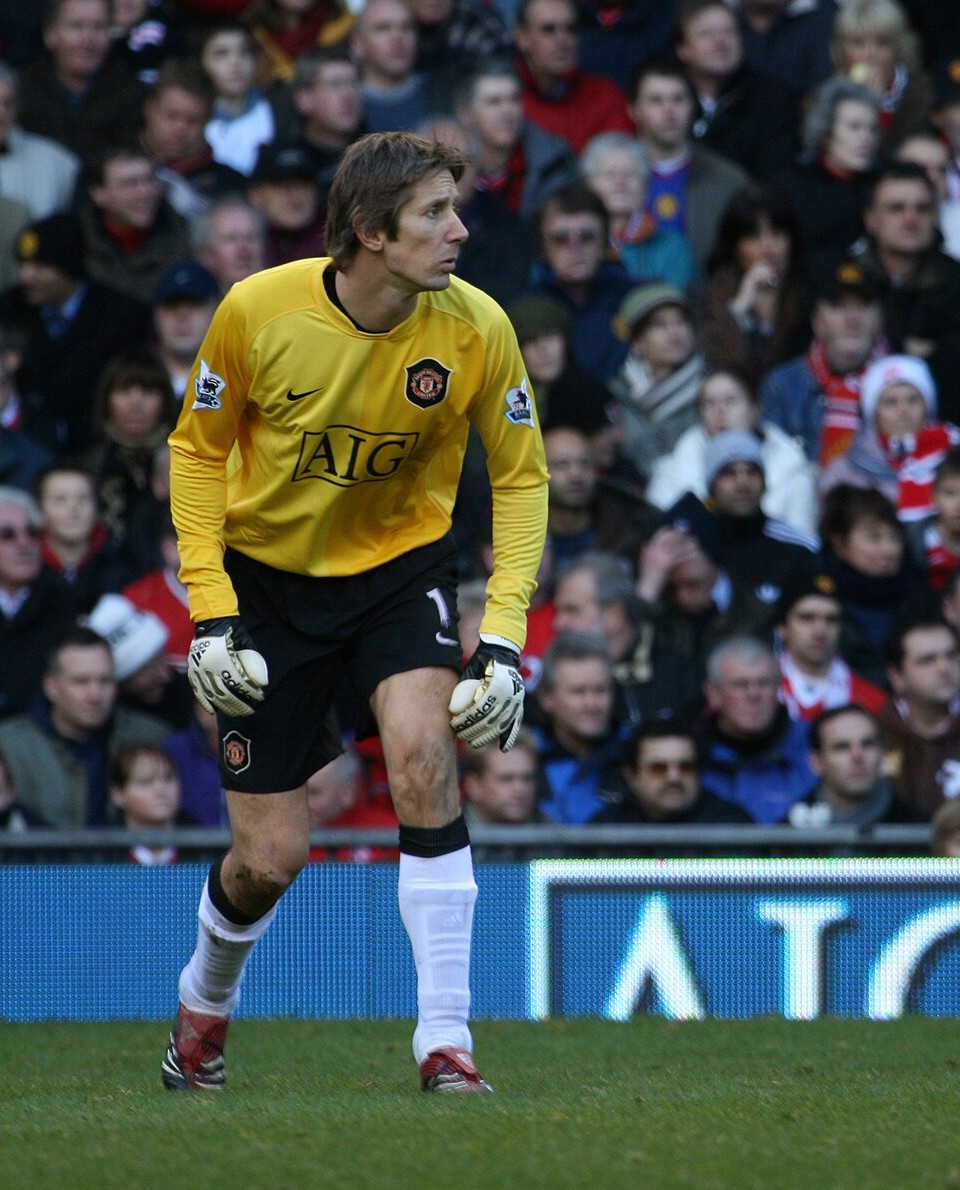
Photo: Austin Osuide, Wikimedia Commons (CC BY 2.0).
Edwin van der Sar’s reputation in England is built on Manchester United and, before that, a solid spell at Fulham. Between Ajax and those years he was Juventus’s first-choice goalkeeper.
The transfer from Ajax in 1999 was permanent. Van der Sar played 66 Serie A matches across the 1999–2000 and 2000–01 seasons. When Juventus signed Gianluigi Buffon in 2001, he moved to Fulham, and only later to Old Trafford.
Two full seasons in Turin are not a cameo. They are simply the part of the career that sits least comfortably with the late United peak. Marc Overmars had been his teammate at Ajax, not in Italy. The Juventus shirt is the one people miss.
13. Thierry Henry — Juventus (1999)
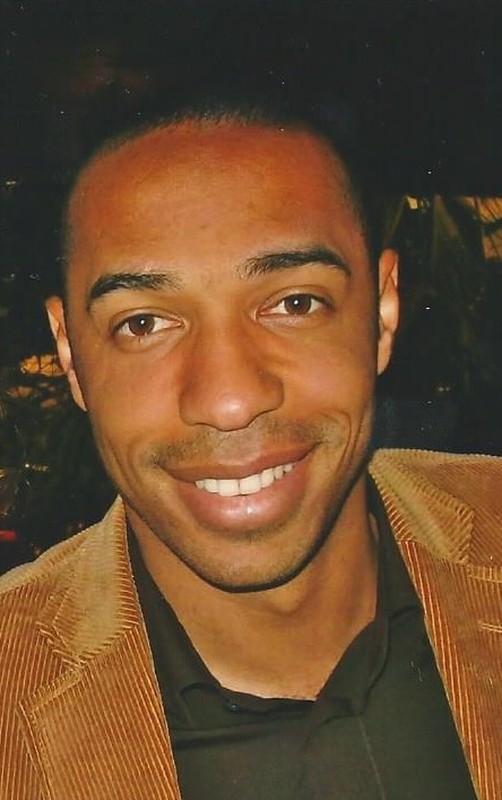
Photo: Christophe95, Wikimedia Commons (CC BY-SA 3.0).
Thierry Henry joined Juventus from Monaco in January 1999, already a World Cup winner, on a permanent transfer. He made 16 Serie A appearances and scored three times, often used on the wing in a role that never suited him.
The spell lasted half a year. In August 1999 Arsène Wenger took him to Arsenal, where the rest of the story was written. During those months in Turin, Henry was a teammate of Zinedine Zidane, another detail that is easy to forget because the partnership is associated with France, not Juventus.
The unhappy Bianconeri chapter explains the player Arsenal received. It is still the club many supporters do not list when they try to name every team Henry played for.
14. Patrick Vieira — AC Milan (1995–1996)
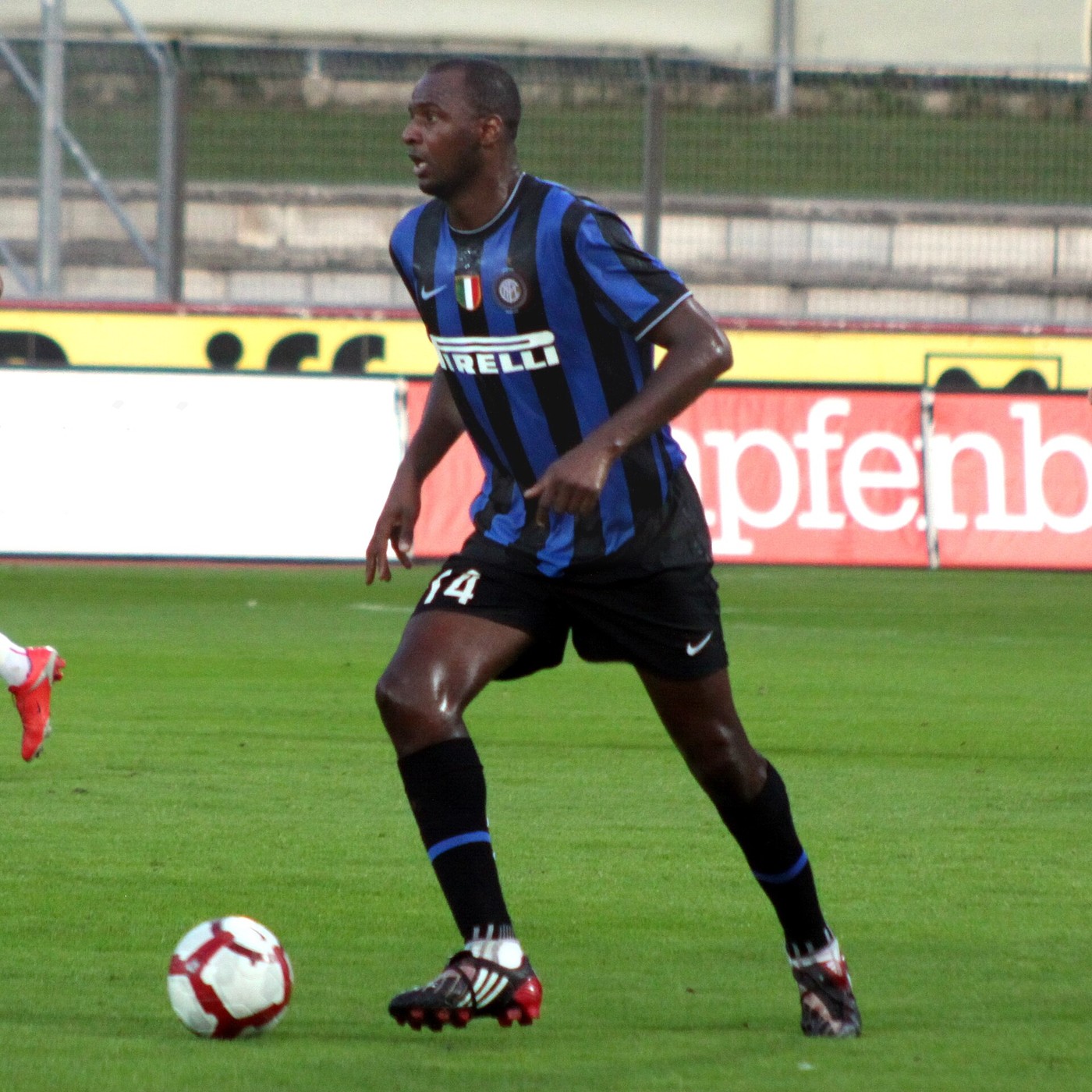
Photo: Steindy, Wikimedia Commons (CC BY-SA 3.0).
Patrick Vieira’s career is usually introduced at Arsenal. Before that, as a teenager, he joined AC Milan from Cannes in 1995 on a permanent transfer.
He barely played. Vieira made two Serie A appearances and six in all competitions, then moved to Arsenal in August 1996. Fabio Capello’s Milan had no regular place for him, which turned out to be Highbury’s gain.
The Milan spell is short enough to vanish between Cannes and the Invincibles. It was still a genuine transfer to one of Europe’s great clubs, and it happened before Vieira and Thierry Henry became the midfield and attack of Wenger’s Arsenal.
15. Davor Šuker — Arsenal (1999–2000)
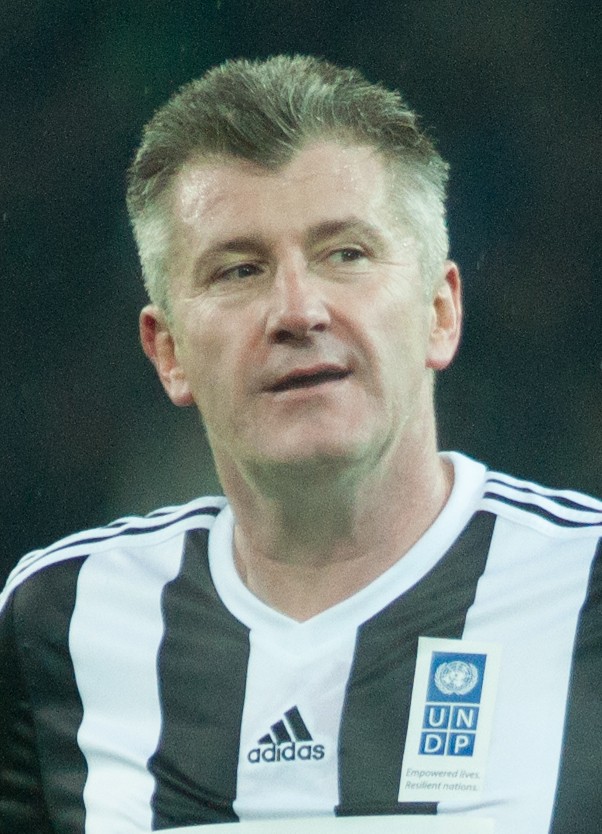
Photo: Ludovic Péron, Wikimedia Commons (CC BY-SA 3.0).
Davor Šuker arrived at Arsenal in August 1999 as the Golden Boot winner from the 1998 World Cup and a Real Madrid forward. The Gunners paid £3.5 million and gave him a four-year contract.
He stayed for a single season, making 22 Premier League appearances and scoring eight goals. In 2000 he moved on to West Ham United, another short English chapter that is even easier to overlook.
Eight league goals is not a disaster, but it was never going to compete with the image of Šuker at France 98. The Arsenal season is a genuine, permanent spell in a title-challenging side, and it is still one of the first things people fail to recall about him.
16. Christian Karembeu — Middlesbrough (2000–2001)
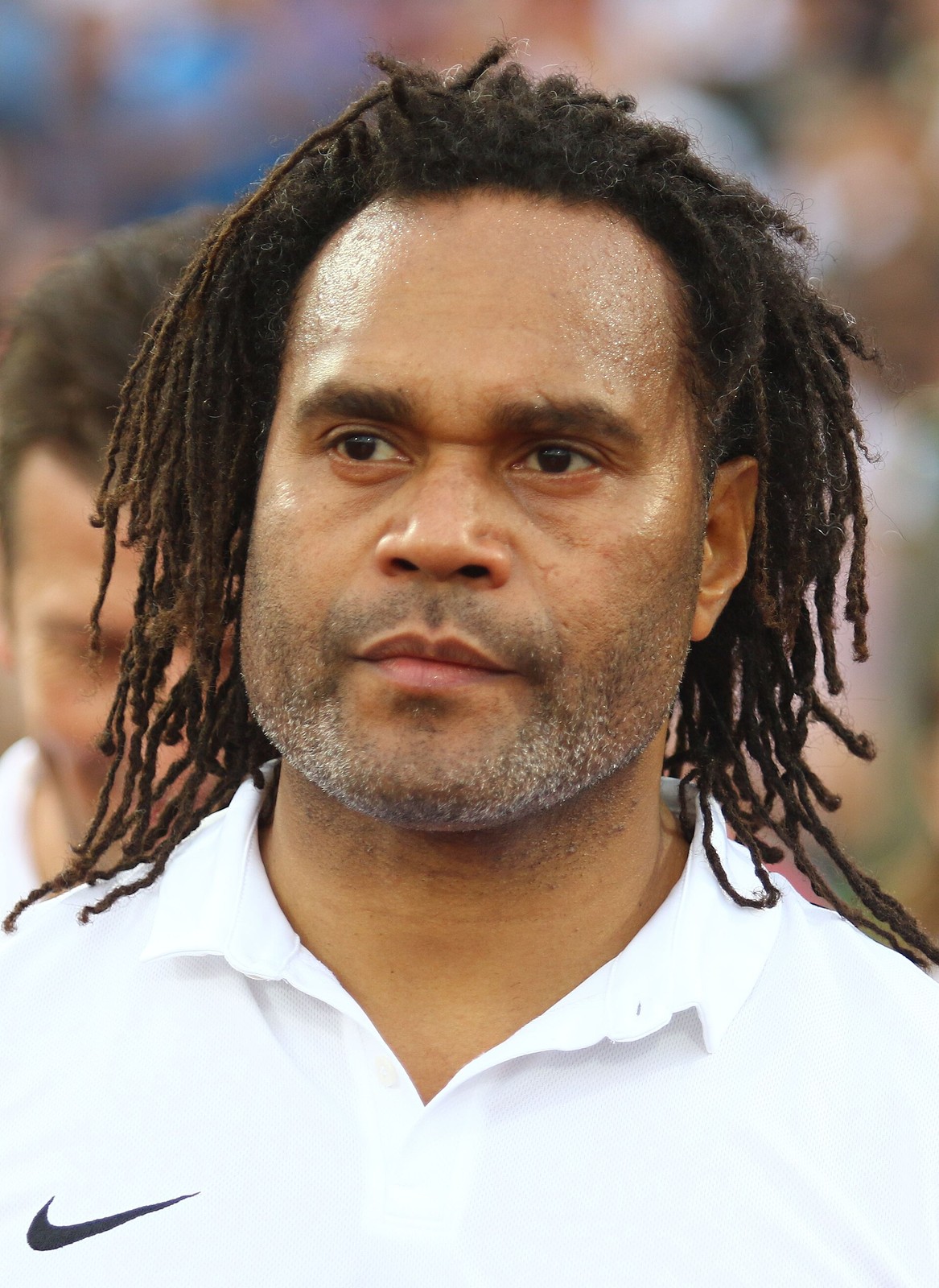
Photo: Biser Todorov, Wikimedia Commons (CC BY 4.0).
Christian Karembeu won the World Cup with France in 1998 and the Champions League twice with Real Madrid. In July 2000, Middlesbrough signed him from Madrid for £2.1 million on a four-year contract.
He spent a single season at the Riverside, making 33 league appearances and scoring four goals, then left for Olympiacos in 2001. The deal was permanent. A World Cup-winning midfielder really did play a full Premier League campaign on Teesside.
Middlesbrough have had other unexpected names, but few with that collection of medals. Karembeu’s year in the North East is exactly the kind of club spell the memory drops first.
17. Emmanuel Petit — Barcelona (2000–2001)

Photo: Christophe95, Wikimedia Commons (CC BY-SA 3.0).
Emmanuel Petit left Arsenal in the summer of 2000 with Marc Overmars, in a combined deal worth around £30 million, and signed a long-term contract with Barcelona. He had already won the World Cup and scored in the 1998 final.
The Camp Nou season did not work. Petit made 23 La Liga appearances and scored once, then joined Chelsea in 2001. One year in a Barcelona shirt is easy to lose between the Arsenal peak and the later spell in west London.
It was a permanent transfer at the height of his fame, not a late farewell. That is what makes it worth remembering, and what makes it so often forgotten.
18. Ruud van Nistelrooy — Hamburger SV (2010–2011)

Photo: David Cornejo, Wikimedia Commons (CC BY-SA 2.0).
After Manchester United and Real Madrid, Ruud van Nistelrooy’s next permanent club was Hamburger SV. In January 2010 he left Madrid on an 18-month contract and went to the Bundesliga.
It was not a brief cameo. Van Nistelrooy made 36 Bundesliga appearances and scored 12 goals before leaving at the end of June 2011 for Málaga. The Hamburg spell was a real, productive season and a half, squeezed into the gap between two more famous leagues.
Supporters still recite United and Madrid without hesitation. Hamburg is the name that tends to go missing, even though he scored regularly there after leaving the Bernabéu.
19. David Trezeguet — Hércules (2010–2011)
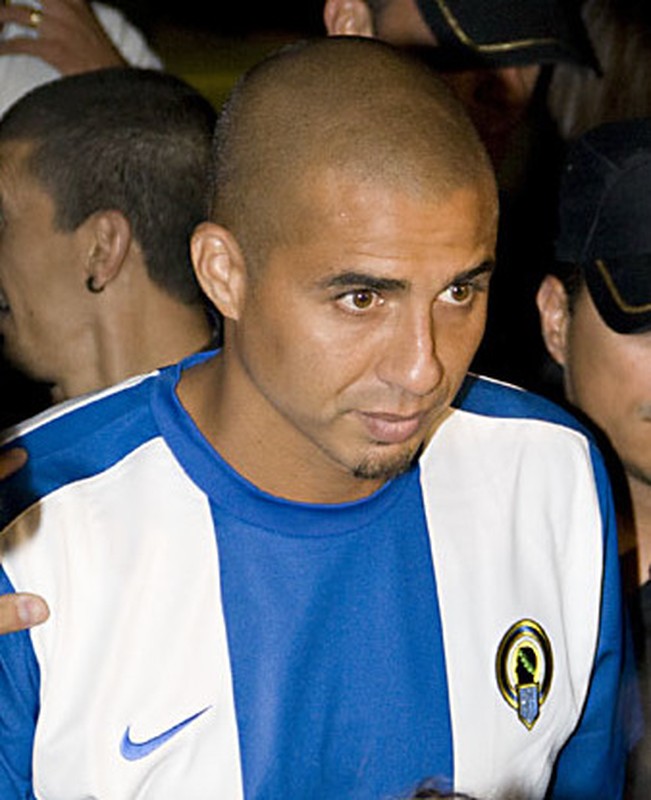
Photo: Tatono, Wikimedia Commons (public domain).
David Trezeguet scored the golden goal that won Euro 2000 and spent a decade as Juventus’s centre-forward. In August 2010, after being released by Juve, he signed a two-year contract with Hércules, newly promoted to La Liga.
He took the move seriously. Trezeguet scored 12 league goals in 31 appearances as Hércules fought, and ultimately failed, to stay in the top flight. When the club was relegated he left, and later continued his career in Argentina.
Twelve goals in a doomed La Liga season is a substantial postscript. It is also one of the least expected destinations for a World Cup winner, which is why the Hércules shirt still catches people out.
20. George Weah — Manchester City (2000)
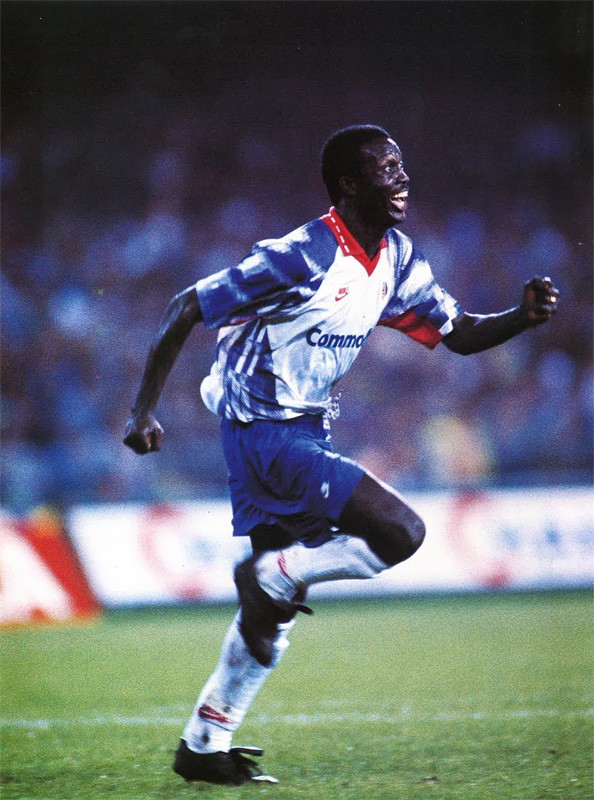
Photo: Wikimedia Commons (public domain).
George Weah’s loan at Chelsea in the first half of 2000 is a story of its own. What followed was different. After that loan ended he left Milan as a free agent and, in August 2000, signed a permanent contract with Manchester City.
He made 11 appearances in all competitions and scored four goals: one in the Premier League and three in the League Cup. The spell was short, and City were relegated at the end of 2000–01. The Ballon d’Or winner of 1995 had already become a rare visitor to the first team by the time the season was up.
A few months in a sky-blue shirt will never define Weah. They are still a completed, permanent transfer, and one of the most surprising answers to the question of which English clubs a Ballon d’Or winner actually played for.
The Shirt You Forget Is Still Part of the Career
None of these moves was a loan. Each player signed a contract, pulled on the shirt and left a line in the record that is easy to skip when the famous years take over.
Some spells lasted a month. Others ran to a full season or more. A few, such as van der Sar at Juventus or van Nistelrooy at Hamburg, were substantial enough that forgetting them says more about how careers are remembered than about how short they were.
That is why these details are so useful in a guessing game. The club nobody associates with a player is often the clue that unlocks the name.
If you want to test how many of these shirts you would actually recall under pressure, start the daily game and see how quickly a forgotten club gives the footballer away. You can also look up two careers in Did they play together? and find out where those unexpected paths crossed.
Enjoyed this? Put your football knowledge to the test.
Play Guessballer →