
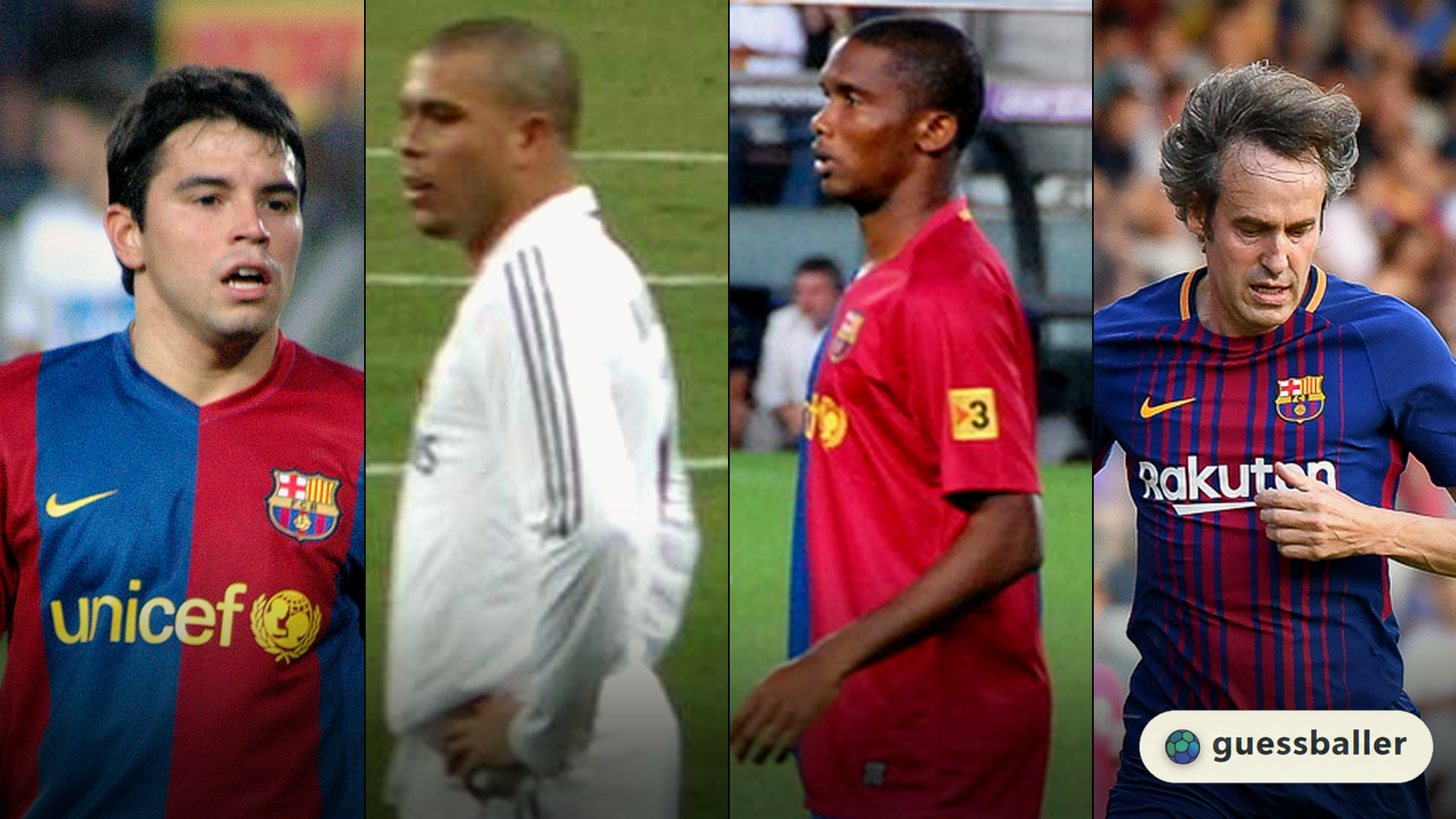
Few transfers in football carry the same charge as a move between Barcelona and Real Madrid.
The two clubs have spent more than a century as Spain’s great rivals. A player who has already worn one shirt is rarely welcomed, or easily forgotten, when he puts on the other.
Only a small group have played senior first-team football for both. Some became legends at Camp Nou or the Santiago Bernabéu. Others barely featured. A few did both, in that order or the reverse, and spent the rest of their careers answering the same question.
This list includes only players verified to have made official first-team appearances for each club. Youth-team spells and unused registrations do not count. The years given are the seasons they were on the first-team books and actually played.
Here are 15 footballers who played for both Barcelona and Real Madrid.
1. Luis Milla — Barcelona 1984–1990, Real Madrid 1990–1997
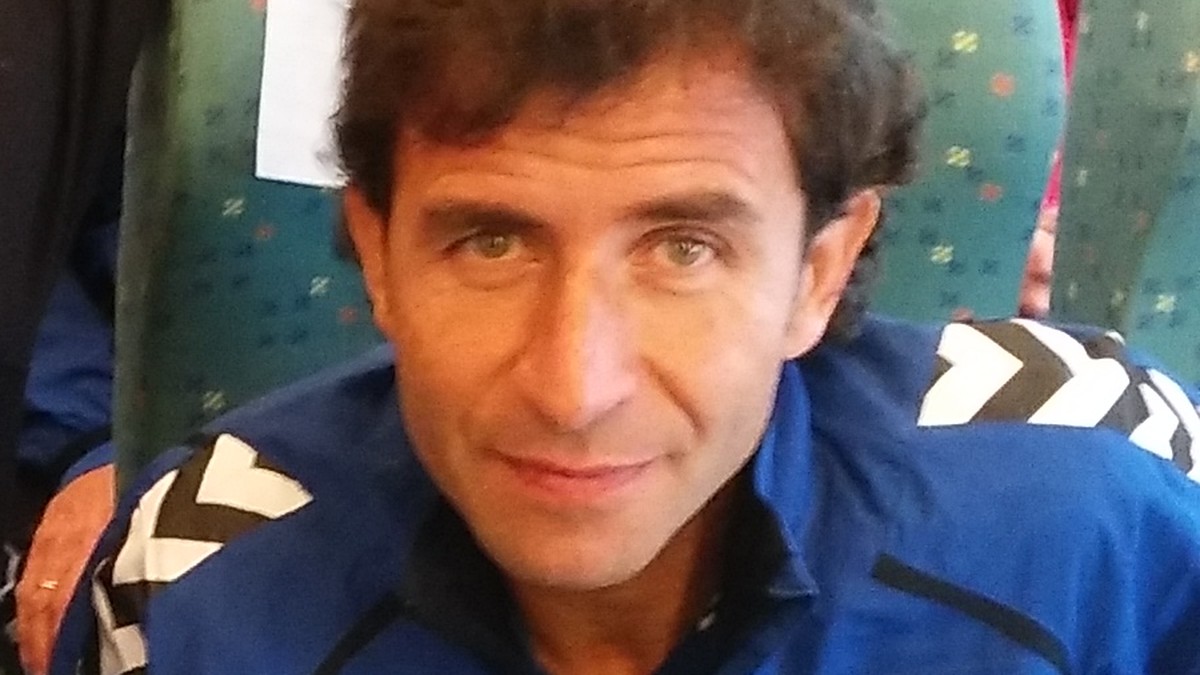
Photo: El Pantera / Wikimedia Commons (CC BY-SA 4.0).
Luis Milla is the kind of name that fades unless you followed Spanish football in the late 1980s and 1990s. He was a La Masia midfielder who made his La Liga debut for Barcelona in 1984–85, scoring in his only appearance of a season disrupted by a players’ strike. Barcelona still won the title.
He became a regular later in the decade and collected the 1988–89 European Cup Winners’ Cup and the 1989–90 Copa del Rey. His Barcelona career then ended in a sour contract dispute with the board and with Johan Cruyff. In 1990 he left for Real Madrid on a free transfer.
Madrid is where he really settled. He made 165 La Liga appearances across seven seasons, won the league in 1994–95 and 1996–97, and added the Copa del Rey and the Supercopa de España. Even after Fernando Redondo arrived, Milla remained a useful first-team option.
He later played for Valencia and earned three caps for Spain. For a midfielder who started as a Barcelona youth product, the long spell in white is the part of his career most supporters still have to be reminded about.
2. Gheorghe Hagi — Real Madrid 1990–1992, Barcelona 1994–1996
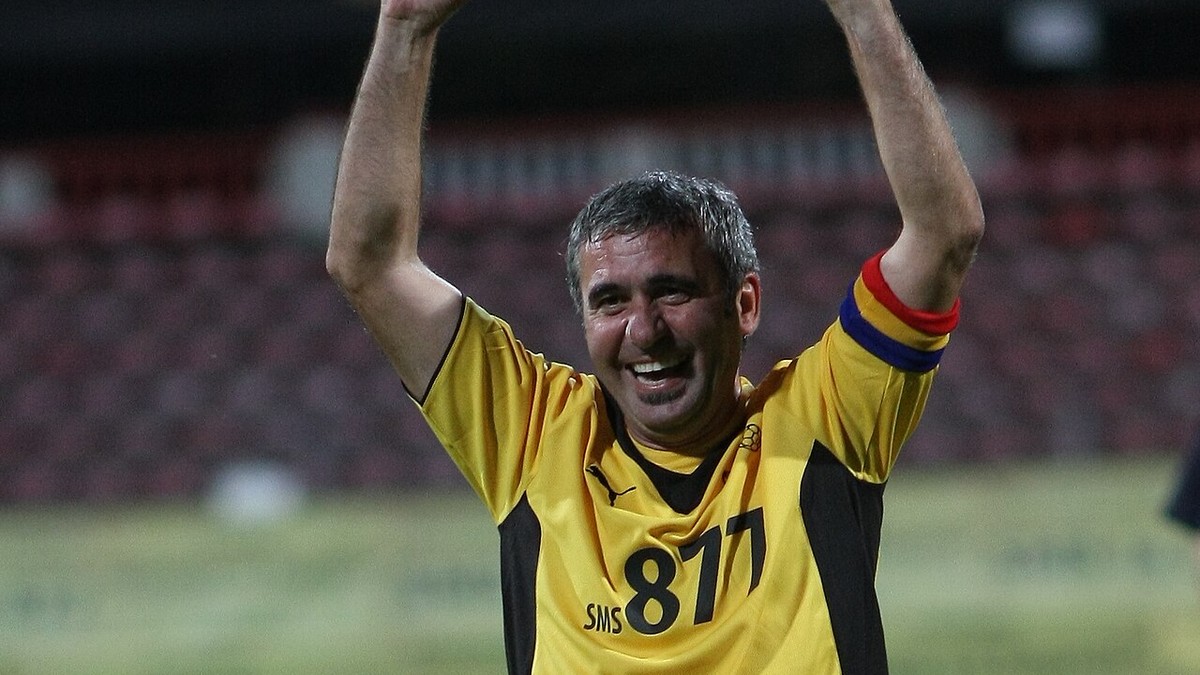
Photo: Dan avraham2000 / Ionutzmovie / Wikimedia Commons (CC BY-SA 3.0).
Gheorghe Hagi arrived in Spain as one of Europe’s most gifted attacking midfielders, already a star for Romania and Steaua Bucharest. Real Madrid signed him in 1990. Over two seasons he made 64 La Liga appearances and scored 16 goals, including a spell as a teammate of Hugo Sánchez.
It was not the defining chapter of his career. He moved to Brescia in 1992, helped the Italian club return to Serie A, and then took the other half of Spanish football’s great divide.
Barcelona signed him in 1994. He made 36 league appearances and scored seven times in two seasons under Cruyff, but he never became a fixture in the side. In 1996 he left for Galatasaray, where he finally found a club that built around him, winning the UEFA Cup in 2000.
The “Maradona of the Carpathians” played for both Madrid and Barcelona. Neither spell is the one Romanian supporters tell first.
3. Robert Prosinečki — Real Madrid 1991–1994, Barcelona 1995–1996
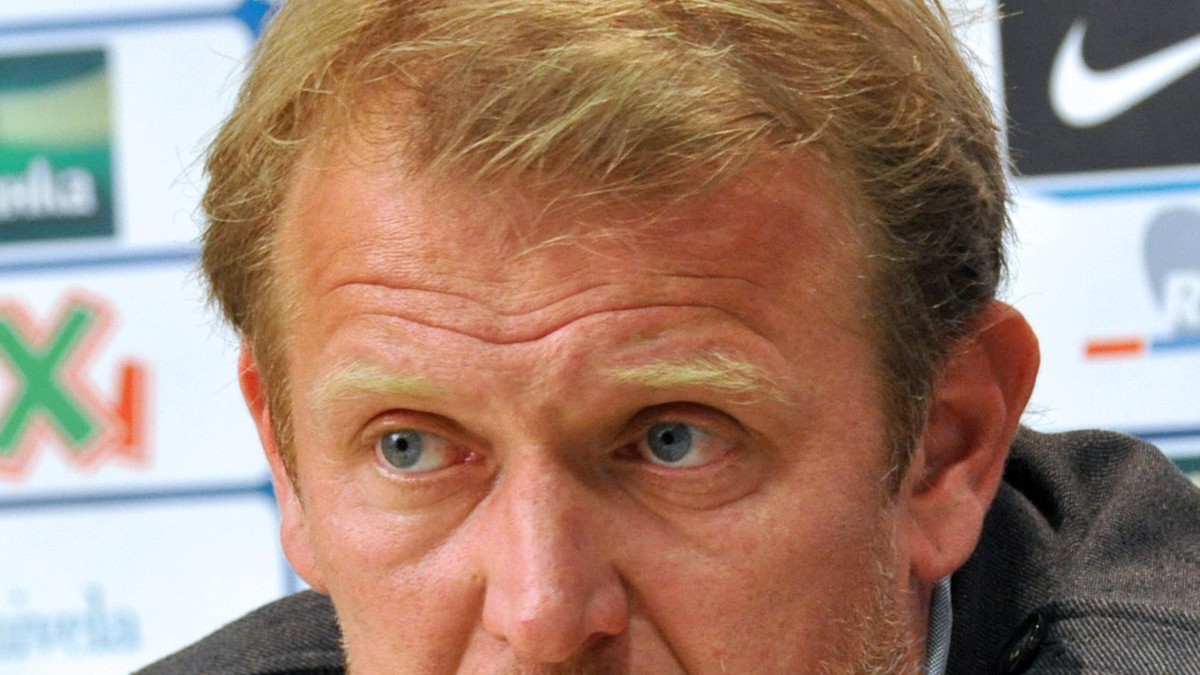
Photo: Medija centar Beograd / Wikimedia Commons (CC BY-SA 3.0).
Robert Prosinečki joined Real Madrid in 1991 as a European Cup winner with Red Star Belgrade and one of the most elegant midfielders of his generation. Injuries wrecked his first season. He still found a moment in his first Clásico, scoring a free kick against Barcelona on 19 October 1991, but he made only a handful of league appearances that year.
The following seasons were better, if still short of the reputation that had preceded him. He made 55 La Liga appearances for Madrid in three campaigns, with his best return coming in 1993–94, before a loan to Real Oviedo in 1994–95.
In the summer of 1995 he joined Barcelona as a free agent. Muscle problems delayed his start, and Cruyff did not make him a regular. He scored twice in 19 league games in 1995–96. Early the following season he was sold to Sevilla, having added only a handful of further official appearances.
A player of that quality turning out for both Clásico clubs should be unforgettable. Because neither move quite worked, it is easy to forget that it happened at all.
4. Miquel Soler — Barcelona 1988–1995, Real Madrid 1995–1996
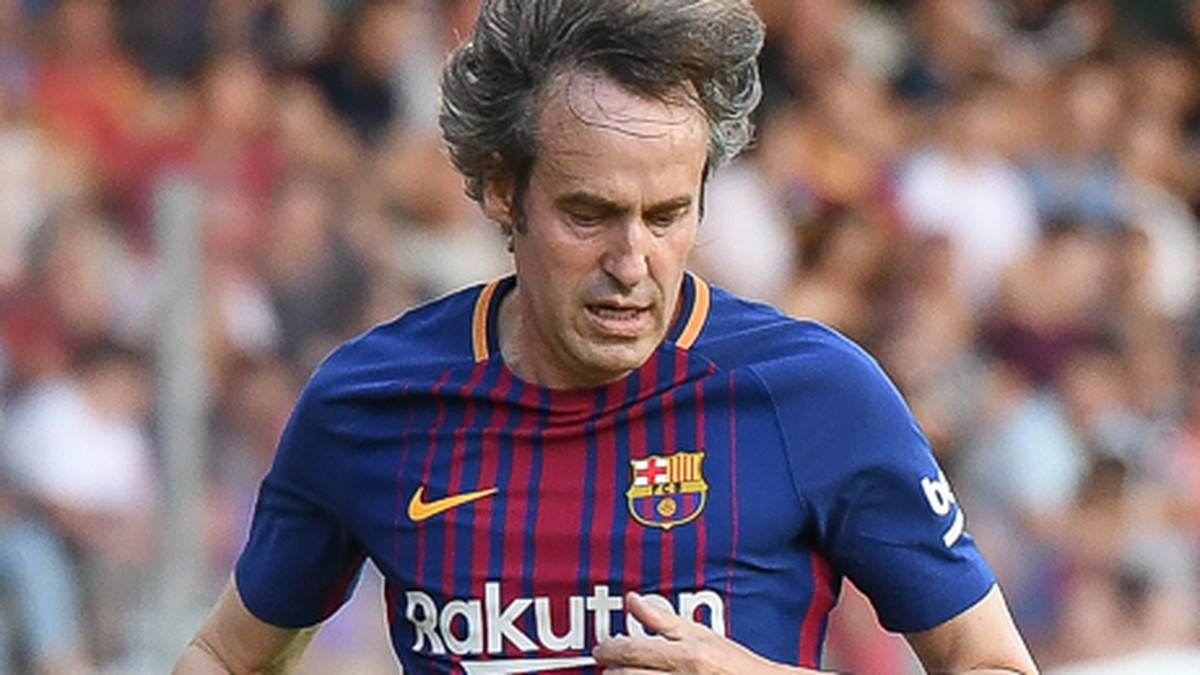
Photo: Nuță Lucian / Wikimedia Commons (CC BY-SA 2.0).
Miquel Soler was a left-back and wide midfielder from Girona who arrived at Barcelona from Espanyol in 1988. In his first season he won the European Cup Winners’ Cup and played 23 league matches. Across his time on the club’s books he made 81 La Liga appearances, though not in a straight run: he was loaned to Atlético Madrid in 1991–92, where he won the Copa del Rey, and later spent two seasons on loan at Sevilla.
Those loans matter. He was at Atlético during the 1991–92 season in which Barcelona won the European Cup, so he was not part of that Wembley side. He did, however, collect La Liga titles in 1990–91 and 1992–93.
In 1995 he joined Real Madrid. He made only 14 league appearances in his one season there, and the reason has become part of the folklore of the move. Coach Arsenio Iglesias was instructed by chairman Lorenzo Sanz not to play him once he approached the 20-match mark that would have triggered an automatic contract renewal.
Soler is also one of the few footballers to have represented Barcelona, Espanyol, Real Madrid and Atlético Madrid. He later had a long and successful spell at Mallorca, retiring in 2003.
5. Albert Celades — Barcelona 1995–1999, Real Madrid 2000–2005
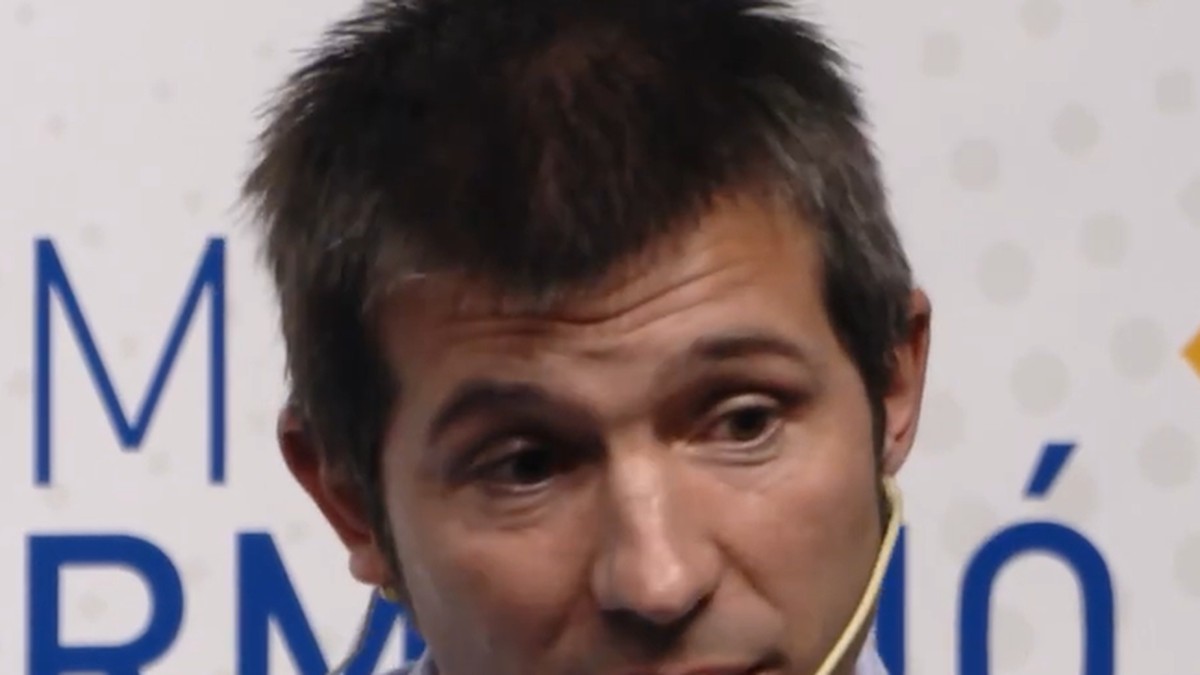
Photo: Valencia CF / Wikimedia Commons (CC BY 3.0).
Albert Celades came through Barcelona’s ranks and made 72 La Liga appearances for the first team between 1995 and 1999. In 1997–98, often used as a sweeper under Louis van Gaal, he played 36 matches as Barcelona won the league after a three-year gap. He also started both legs of the 1997 UEFA Super Cup and added another league title in 1998–99.
A season at Celta Vigo followed. On 28 November 1999 he scored the only goal in a 1–0 win over Real Madrid. A year later, he signed for the club he had just beaten.
Celades was never a regular in Madrid’s midfield, making 56 league appearances across four seasons, with a loan to Bordeaux in 2003–04. He still left with two further league titles and a winner’s medal from the 2001–02 Champions League.
He later worked as a Spain youth coach and as an assistant at Real Madrid, reuniting with Julen Lopetegui, another name on this list.
6. Javier Saviola — Barcelona 2001–2007, Real Madrid 2007–2009
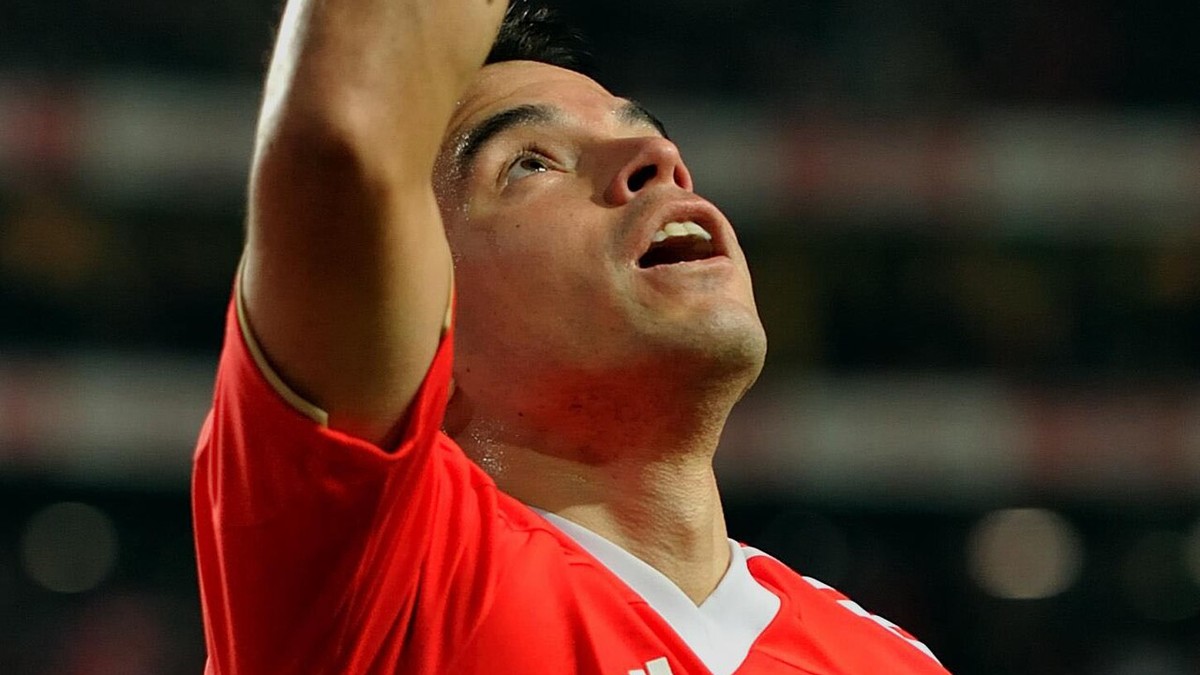
Photo: Alface / Wikimedia Commons (CC BY-SA 3.0).
Javier Saviola was 19 when Barcelona signed him from River Plate in 2001. In his first season, under Carles Rexach, he scored 17 league goals. For a time he looked like the club’s next great striker.
The rest of his Barcelona years were more complicated. Frank Rijkaard did not see him as a first choice, and he was loaned to Monaco in 2004–05 and to Sevilla in 2005–06, where he won the UEFA Cup. He returned for 2006–07, making 18 league appearances and scoring five times, plus a Copa del Rey hat-trick against Alavés. In all he made 123 La Liga appearances for Barcelona and scored 49 league goals, a respectable total that is easy to lose behind the loans.
When his contract expired in 2007, Real Madrid signed him on a free transfer. He spent two seasons there but was used sparingly: 17 league appearances and four goals, with most of his football coming in cup ties and as a substitute. In 2009 he left for Benfica, where he rediscovered a regular place.
The image of Saviola is still a young Barcelona forward. The two years in white are the ones that tend to slip.
7. Ricardo Zamora — Barcelona 1919–1922, Real Madrid 1930–1936
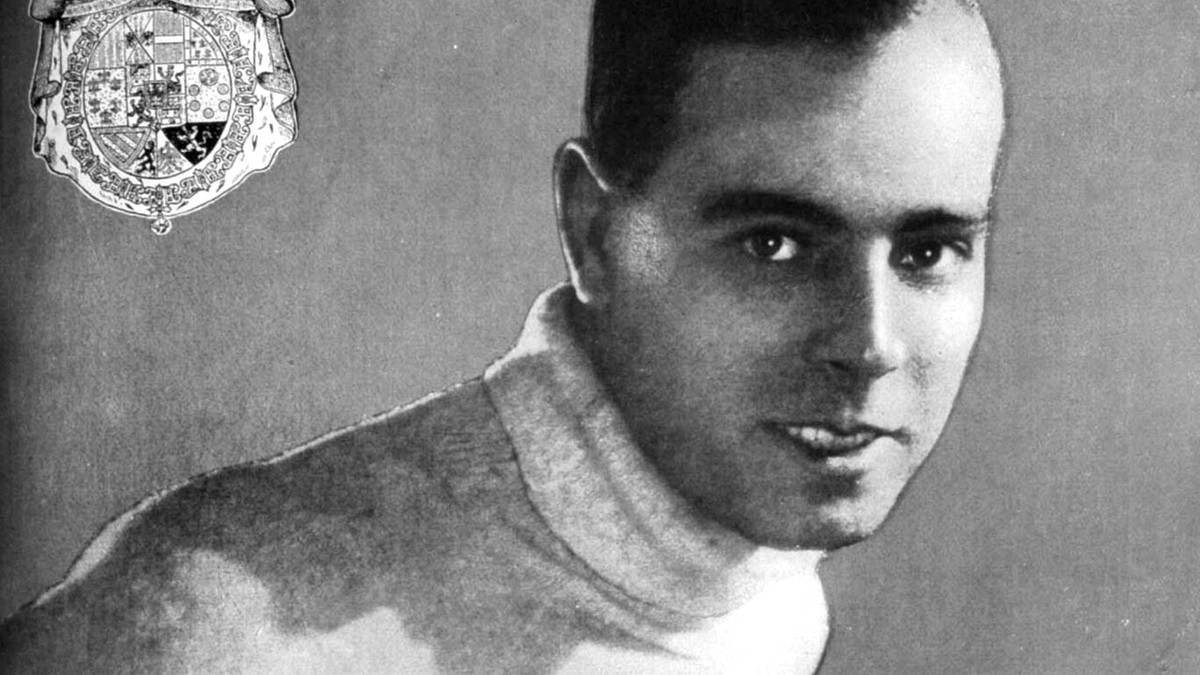
Photo: El Gráfico, 19 June 1926. Public domain.
Before Figo, before Laudrup, there was Ricardo Zamora. The Barcelona-born goalkeeper, later nicknamed “El Divino”, joined Barcelona from Espanyol in 1919 and spent three seasons at the club, winning the Copa del Rey in 1920 and 1922 and three Catalan championships.
He then returned to Espanyol, won another Copa del Rey in 1929, and in 1930 made the move that still surprises people who only know him as a Spanish icon: he signed for Madrid FC, as Real Madrid were then known.
At the Bernabéu’s predecessor, he won La Liga in 1931–32 and 1932–33 and the Spanish cup in 1934 and 1936. He made 82 appearances before the Civil War ended that chapter of his career.
The Trofeo Zamora, awarded to the goalkeeper with the lowest goals-against average in La Liga, is named after him. He also won Olympic silver with Spain in 1920. Among all the footballers who have played for both clubs, he remains the most important historical figure.
8. Evaristo — Barcelona 1957–1962, Real Madrid 1962–1965
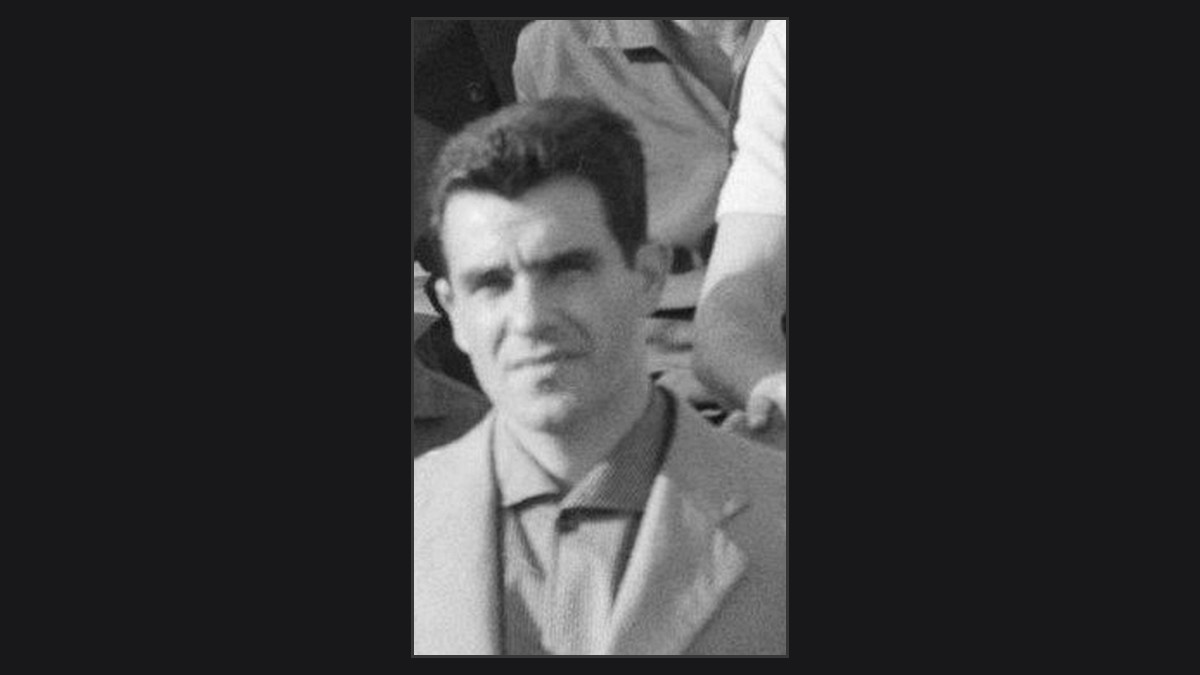
Photo: Joop van Bilsen / Anefo. Public domain (CC0).
Evaristo de Macedo arrived at Barcelona from Flamengo in 1957, after Josep Samitier had watched him play for Brazil. He scored in the first official match at the Camp Nou that September and became the first player to score a hat-trick at the new ground.
His five years in Catalonia were prolific. He made 114 La Liga appearances and scored 78 league goals, won the title in 1958–59 and 1959–60, and collected two Inter-Cities Fairs Cups and a Copa del Generalísimo. In one of those title-winning campaigns he scored three times against European champions Real Madrid.
In 1962 he did what few Barcelona favourites have done: he joined Madrid. The second spell was much quieter. He made only 17 league appearances and scored four goals, though he was part of the sides that won La Liga in 1962–63 and 1963–64.
He later returned to Flamengo. For modern supporters, the surprise is not only that a Brazilian of that era played for both clubs, but that his Madrid chapter was so brief after such a vivid Barcelona career.
9. Julen Lopetegui — Real Madrid 1988–1991, Barcelona 1994–1997

Photo: Kirill Venediktov / Danyele / Wikimedia Commons (CC BY-SA 3.0).
Julen Lopetegui is now far better known as a coach than as a goalkeeper, which is why his playing career is so easy to misremember. He came through Real Madrid’s ranks, played for Castilla, and was a first-team squad member from 1988 to 1991, including a loan at Las Palmas. His official league record for Madrid is a single appearance. He was on the books when the club won La Liga in 1989–90.
After three seasons as a regular at Logroñés, he joined Barcelona in 1994. Again he was a backup. He made five La Liga appearances in three seasons and was part of the squads that won the Supercopa de España in 1994 and 1996. He finished his career at Rayo Vallecano.
The later story is the one that keeps his name on this list in a different way. In 2018, while Spain manager, he agreed to take the Real Madrid job and was sacked by the national team on the eve of the World Cup. He then lasted only a few months at the Bernabéu.
A goalkeeper who barely played for either club later sat in the Madrid dugout. That trajectory is almost as unlikely as the original double.
10. Bernd Schuster — Barcelona 1980–1988, Real Madrid 1988–1990
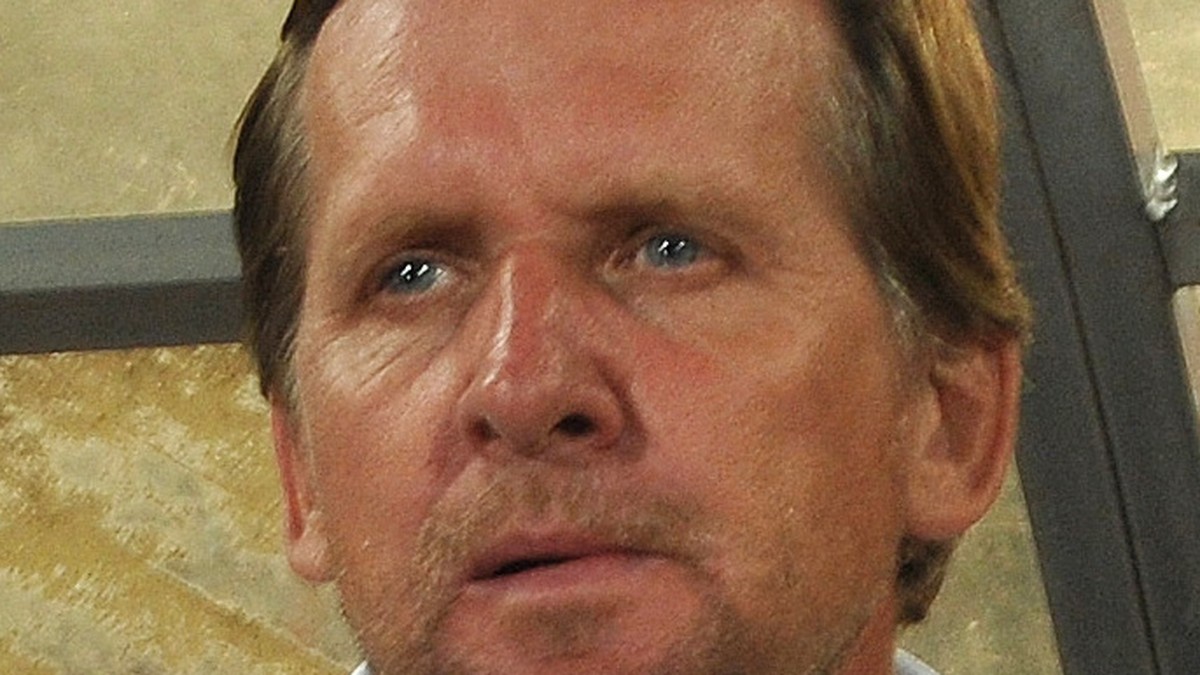
Photo: mustapha ennaimi / Wikimedia Commons (CC BY 2.0).
Bernd Schuster was already a German international when Barcelona signed him from Köln in 1980. Over eight seasons he made 170 La Liga appearances and scored 63 goals, a remarkable return for a midfielder. Supporters called him “der Blonde Engel”, the Blond Angel. He won La Liga in 1984–85, along with cups and European silverware, but his time at the club was also marked by disputes with coaches, teammates and the board.
In 1988 he crossed the divide and joined Real Madrid. The two seasons that followed were successful and, by his standards, relatively calm. He made 61 league appearances, scored 13 times, and won back-to-back league titles in 1988–89 and 1989–90.
He then did something even rarer, joining Atlético Madrid and winning the league there as well. Schuster is one of the few players to have been a league champion with Barcelona, Real Madrid and Atlético.
Two decades later he returned to the Bernabéu as manager and won La Liga again in 2007–08. The playing switch, though, is the part that still sits oddly in the memory: an eight-year Barcelona midfielder spending his late prime in white.
11. Michael Laudrup — Barcelona 1989–1994, Real Madrid 1994–1996
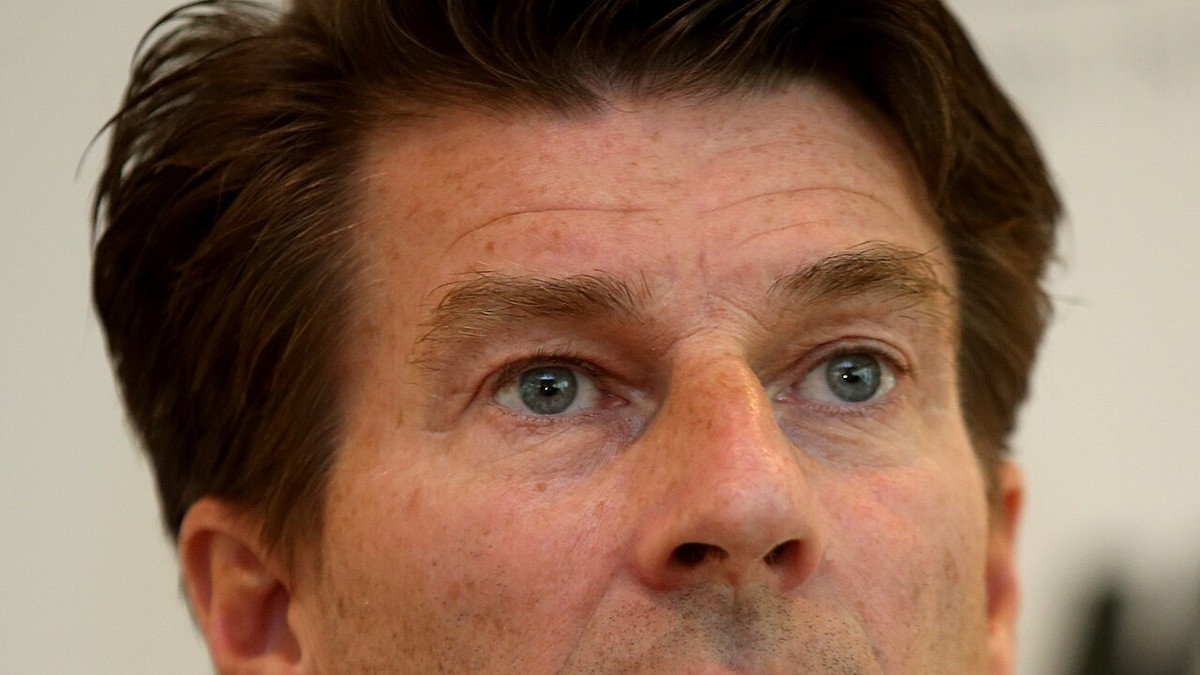
Photo: Doha Stadium Plus Qatar / Mohan / Wikimedia Commons (CC BY 2.0).
If one name on this list still divides supporters, it is Michael Laudrup. The Dane joined Barcelona from Juventus in 1989 and became a central figure in Cruyff’s Dream Team. He won four consecutive league titles from 1990–91 to 1993–94, the European Cup in 1992, and a host of domestic cups. In five seasons he made 167 league appearances and scored 40 league goals, with official totals of 226 matches and 55 goals.
The relationship with Cruyff eventually broke down. In 1994 Laudrup left for Real Madrid. He has always said the move was about joining a hungry side with a new coach, not a search for revenge, but it was received in Catalonia as a betrayal.
In his first season in Madrid he helped the club win La Liga, becoming the only player to win five Spanish titles in a row with two different clubs. He made 62 league appearances and scored 12 goals across two seasons before leaving for Japan.
Pep Guardiola, then a teammate at Barcelona, is often said to have been distraught at the news. The football Laudrup played in both shirts still looks effortless. The transfer still does not.
12. Luis Enrique — Real Madrid 1991–1996, Barcelona 1996–2004
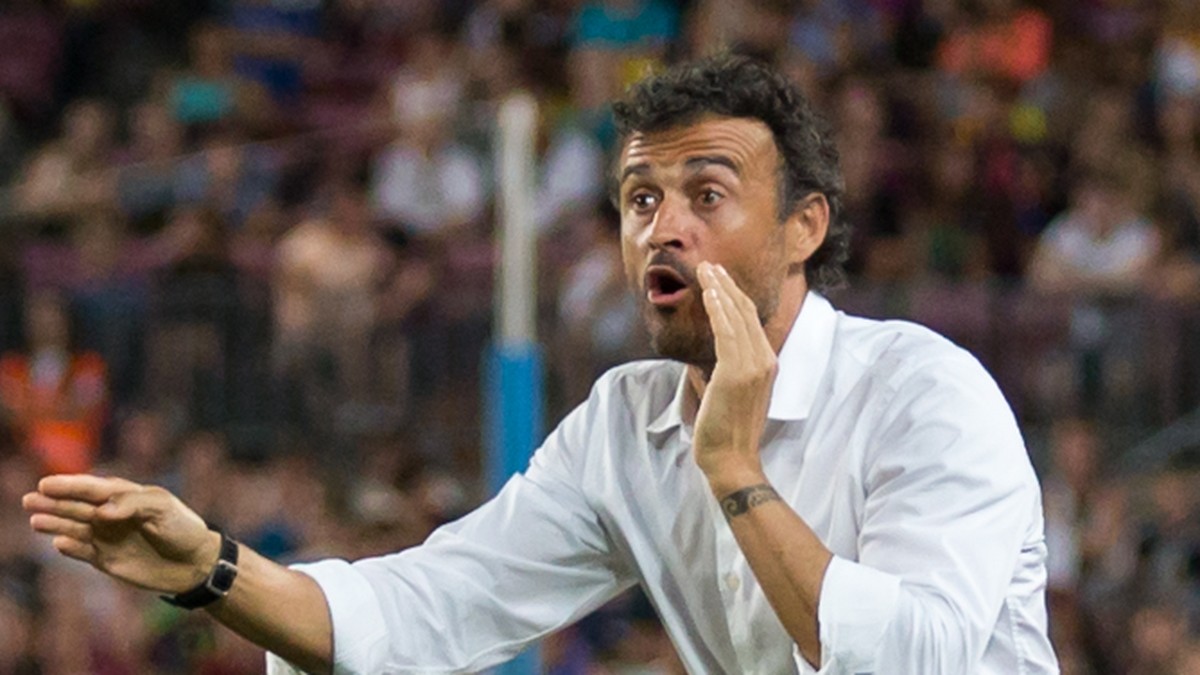
Photo: Lluís / Wikimedia Commons (CC BY 2.0).
Luis Enrique went the other way, and then made sure nobody forgot it. He joined Real Madrid from Sporting Gijón in 1991 and spent five seasons there, making 157 La Liga appearances and scoring 15 goals. He won the league in 1994–95, plus a Copa del Rey and a Supercopa, but he was never quite treated as a central figure.
In 1996, out of contract, he signed for Barcelona. The following November, in a 3–2 Clásico win at the Santiago Bernabéu, he scored and ran towards the Madrid ultras, tugging at his new shirt. It became one of the most famous celebrations in the fixture’s history.
He stayed at Camp Nou until 2004, making 207 league appearances and scoring 73 league goals — a far more productive spell than his Madrid years. He won two league titles, two Copas del Rey, the Cup Winners’ Cup and the UEFA Super Cup, and became a genuine Barcelona identity, later returning as the manager who won the 2015 treble.
The journey from Madrid midfielder to Barcelona icon is unusual enough. Doing it with that celebration made it unforgettable.
13. Ronaldo Nazário — Barcelona 1996–1997, Real Madrid 2002–2007
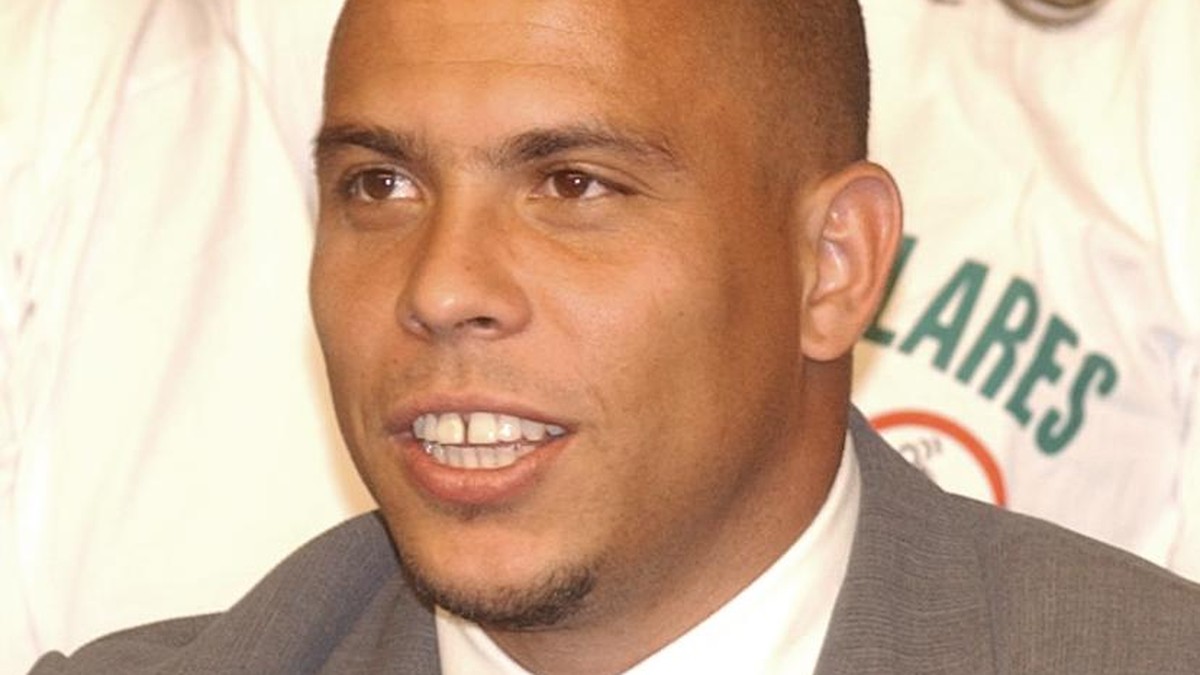
Photo: Antônio Cruz / Agência Brasil / Wikimedia Commons (CC BY 3.0 br).
Ronaldo Nazário spent only one season at Barcelona, and it is still one of the great individual campaigns in the club’s history. In 1996–97 he scored 34 goals in 37 La Liga matches, won the Pichichi Trophy, and finished the season with 47 official goals in 49 appearances. Barcelona won the Copa del Rey and the Cup Winners’ Cup. Then, after a contract dispute, he left for Inter.
Five years later, following a World Cup won with Brazil and a second Ballon d’Or, he arrived at Real Madrid as a Galáctico. Between 2002 and 2007 he made 127 league appearances and scored 83 league goals, won La Liga in 2002–03 and 2006–07, and added another Pichichi in 2003–04.
The two spells sit on either side of the injuries that changed his career. At Barcelona he was a teenage phenomenon. At Madrid he was still devastating, if no longer quite the same sprinter, in a dressing room that also included Zinedine Zidane, Luís Figo and David Beckham.
Very few forwards can say they were icons at both clubs. Ronaldo can, even if the Barcelona chapter lasted only a year.
14. Samuel Eto’o — Real Madrid 1997–2000, Barcelona 2004–2009
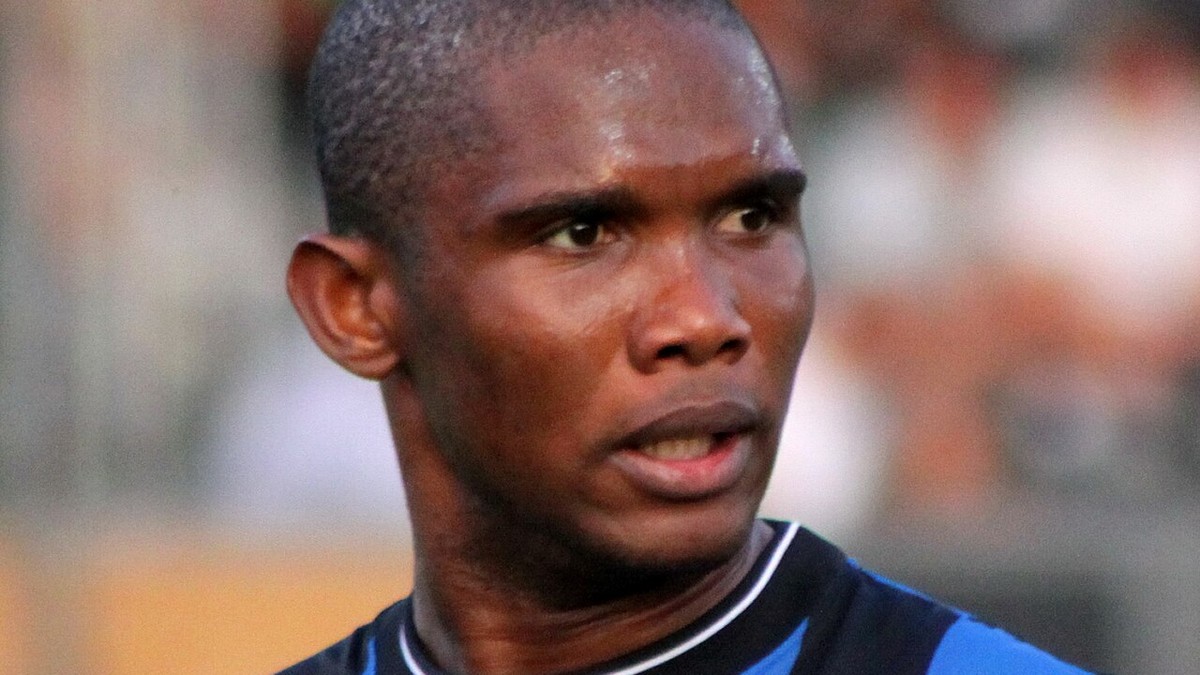
Photo: Steindy / Wikimedia Commons (CC BY-SA 3.0).
Samuel Eto’o is often described as a Madrid youth product who only became a star after leaving. That is half true. He did join Real Madrid’s academy as a teenager in 1997, and he did spend long stretches on loan at Leganés, Espanyol and Mallorca. But he also played senior first-team football for Madrid.
According to Transfermarkt and to Real Madrid’s own records, Eto’o made seven official first-team appearances between 1998 and 2000: three in La Liga, three in the Champions League and one at the Club World Cup. He did not score. He was a teammate, briefly, of Roberto Carlos. By the time Madrid won the 2000 Champions League final, he was already on loan at Mallorca, and his name is not on the list of winners.
Madrid sold him to Mallorca, where he became a prolific striker. Barcelona signed him in 2004. Over five seasons he scored 108 La Liga goals in 144 appearances, won three league titles and two Champions Leagues, and became one of the finest forwards in the club’s history, often against his former employers.
The Madrid cameo was tiny. It was still a senior first-team career at both clubs, and it makes his later Clásico nights even sharper.
15. Luís Figo — Barcelona 1995–2000, Real Madrid 2000–2005
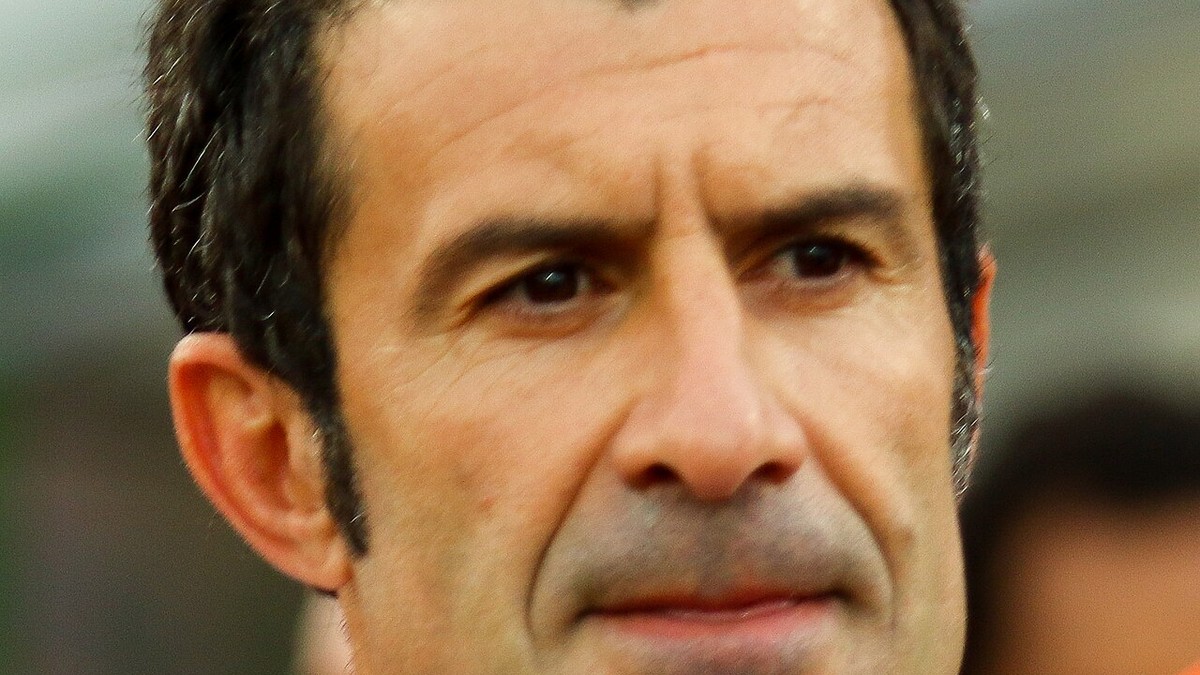
Photo: Biser Todorov / Wikimedia Commons (CC BY 4.0).
No switch on this list comes close to Luís Figo. Barcelona signed him from Sporting CP in 1995. Over five seasons he made 249 official appearances, scored 45 official goals, won two league titles and two Copas del Rey, and became the face of the team. In the summer of 2000, after a world-record move worth around €62 million, he joined Real Madrid as the first of the Galácticos.
The reaction in Catalonia was toxic, and it never really faded. When he returned to the Camp Nou in a white shirt, objects rained down from the stands. In November 2002 a pig’s head landed near the corner flag as he prepared to take a corner. He still lasted five seasons at Madrid, making 245 official appearances, scoring 58 official goals, winning the 2001–02 Champions League and adding further league titles. He collected the Ballon d’Or in 2000.
Figo did not sneak between the clubs for a handful of matches. He was a star in both dressing rooms, and the transfer remains the most controversial in the history of El Clásico.
If there is a single player who explains why this list exists, it is him.
Why These Switches Still Catch People Out
Some of these careers are famous for the move itself. Figo, Laudrup, Luis Enrique and Ronaldo belong in that group. Others are famous for everything except the second shirt: Hagi’s best years came at Galatasaray, Saviola’s most vivid football came as a young Barcelona forward, and Eto’o’s Madrid record is a handful of senior appearances that most supporters have never counted.
A few, such as Milla, Soler, Celades, Prosinečki and Lopetegui, barely register at all unless someone puts both clubs on a team sheet and asks the question out loud.
That is the point of a list like this. Playing for Barcelona and Real Madrid is rare, but it is not a myth, and it is not limited to the transfers everyone already knows.
If you want to test how often these paths really crossed, you can look two players up in GuessBaller’s Did they play together? tool, start the daily game, or try practice mode, Football Wordle and Guess the Footballer.
Enjoyed this? Put your football knowledge to the test.
Play Guessballer →